What Was Built Here
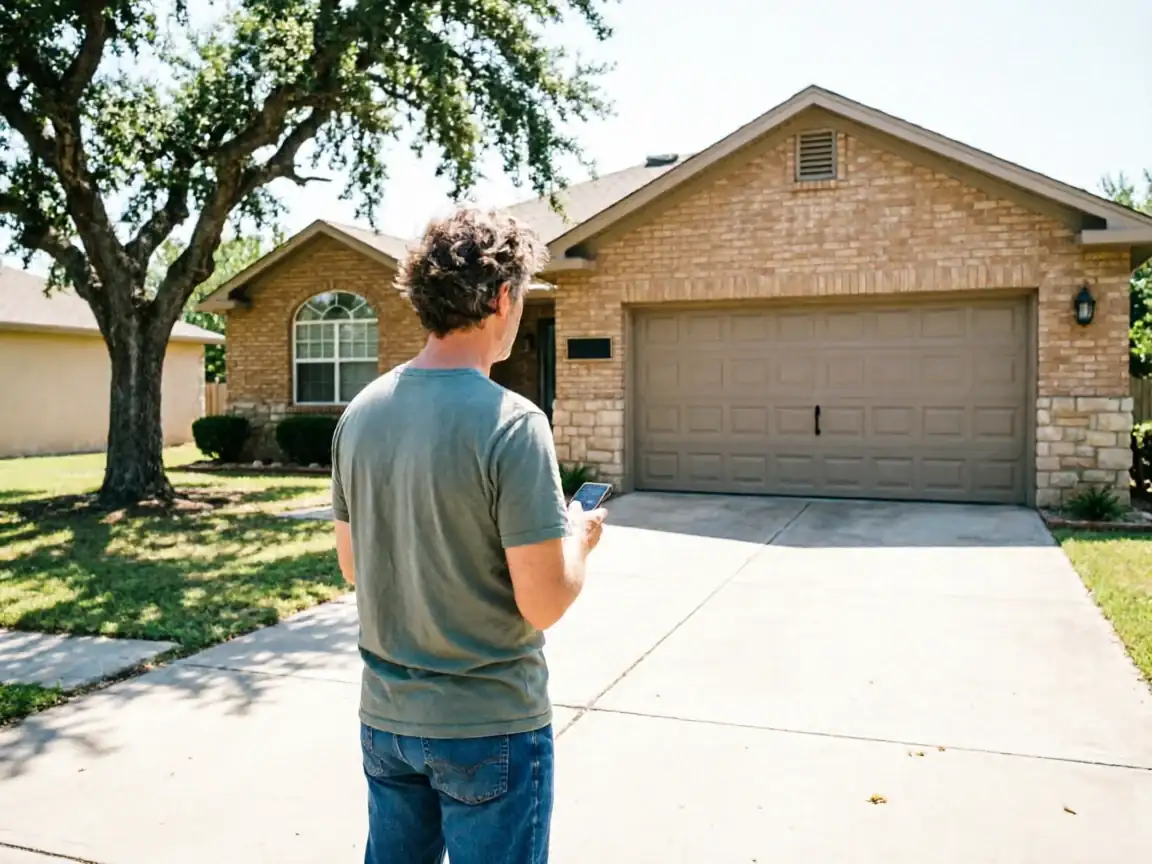
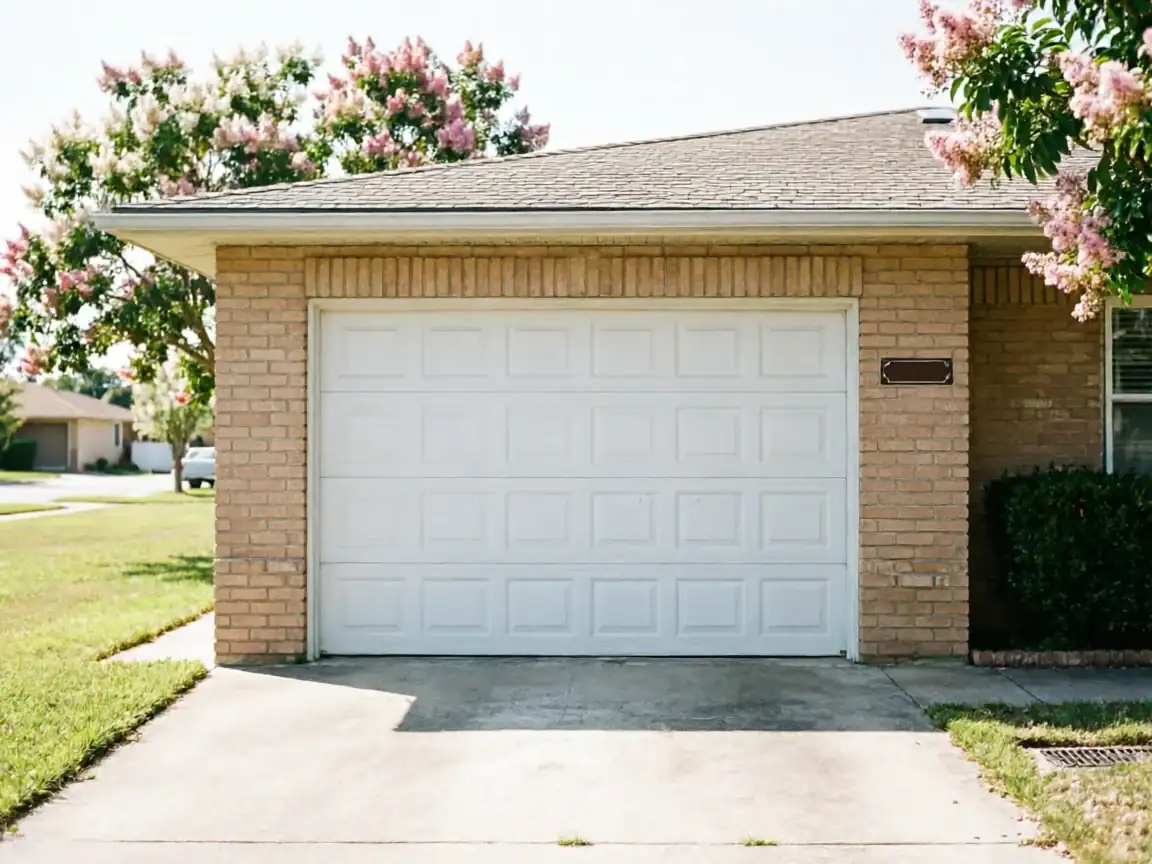
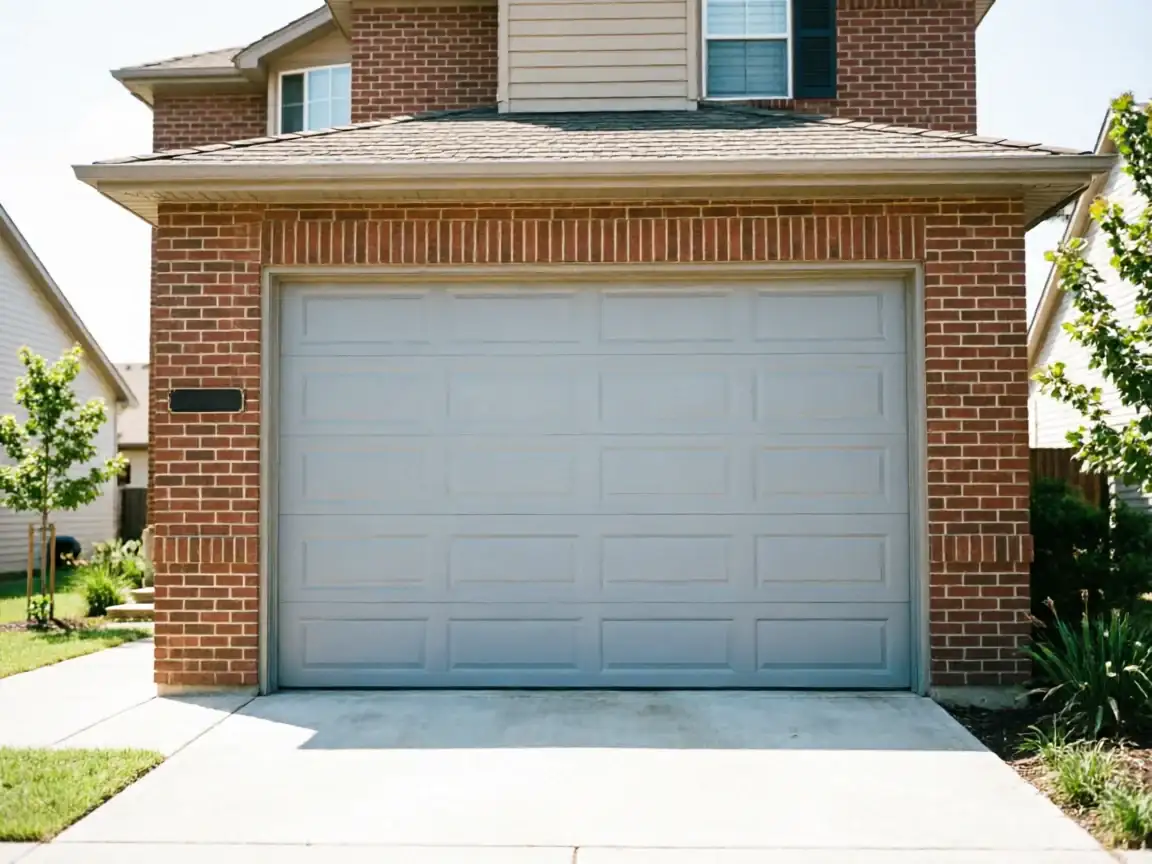
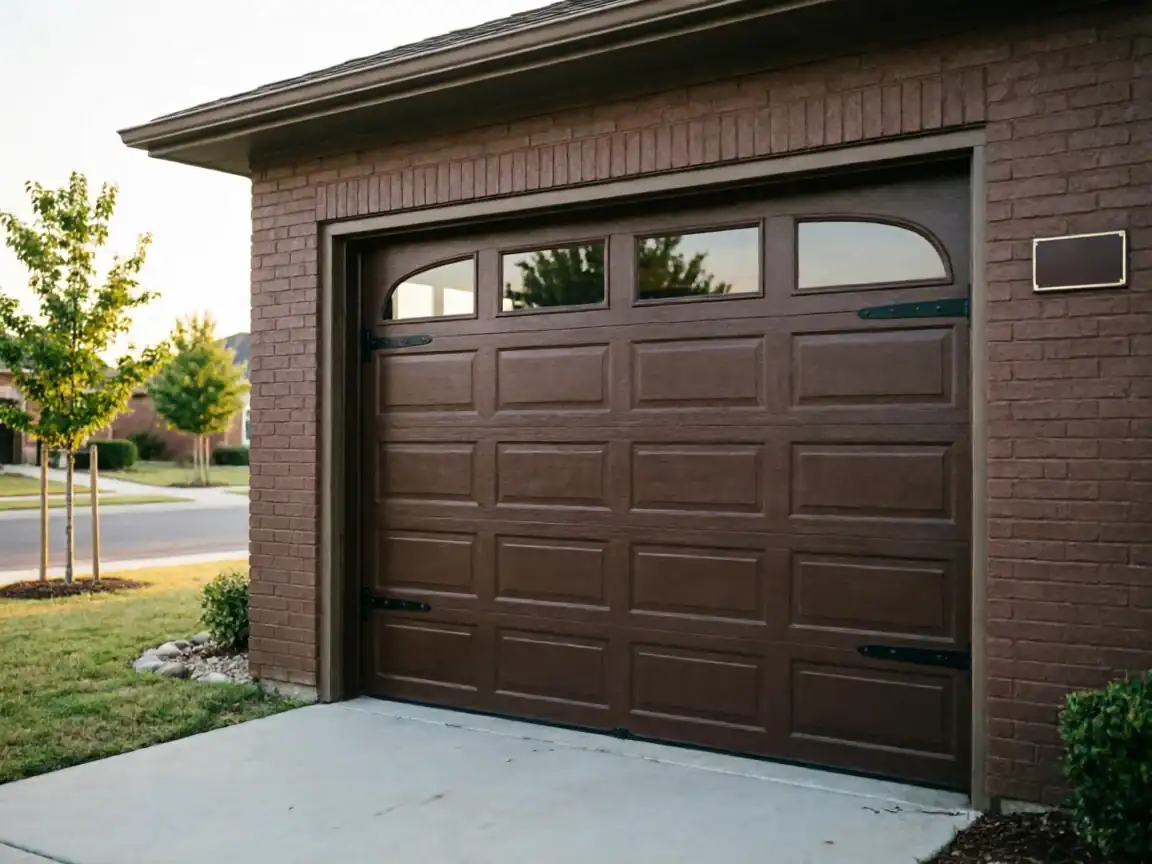
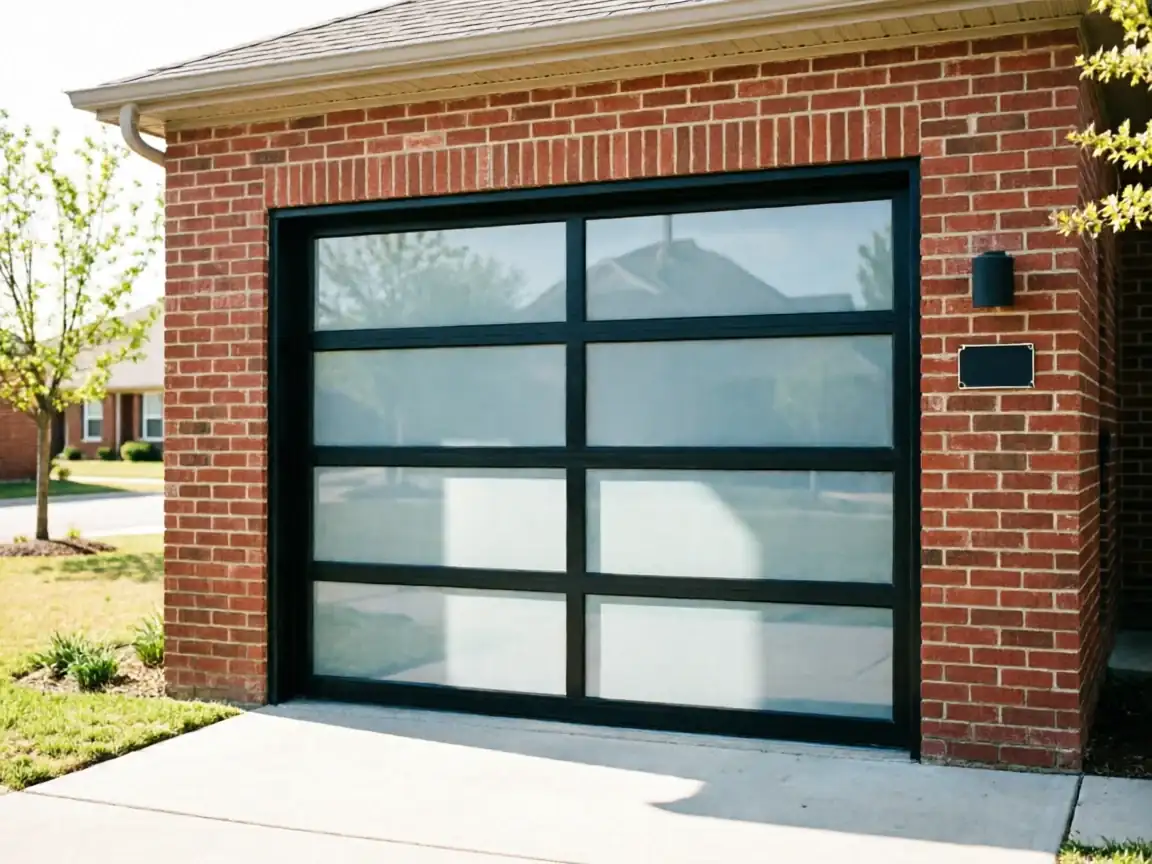
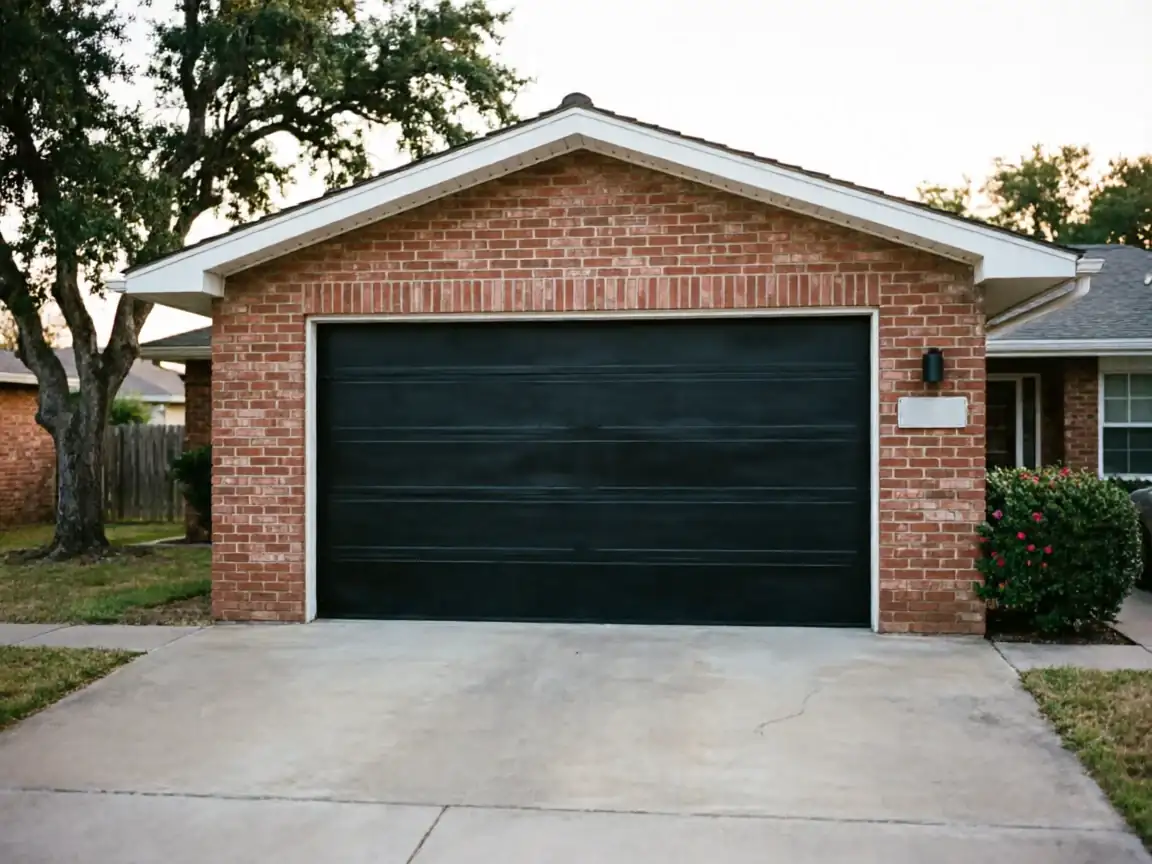
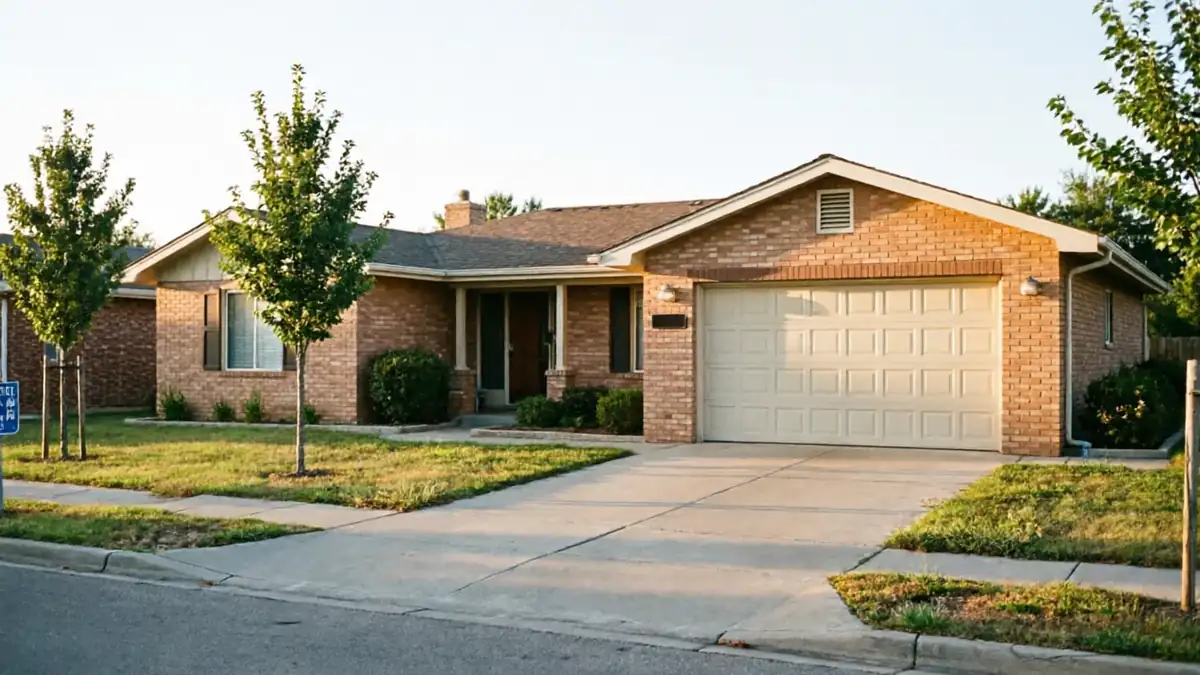
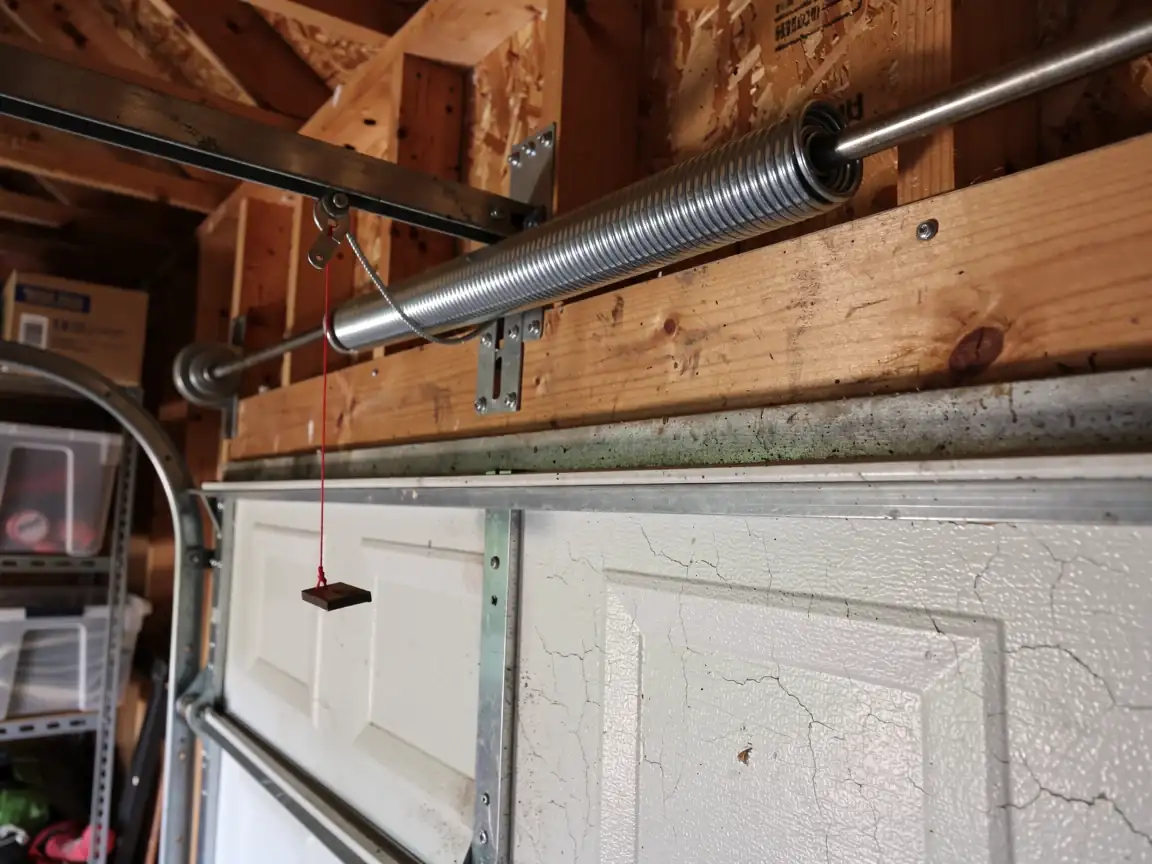
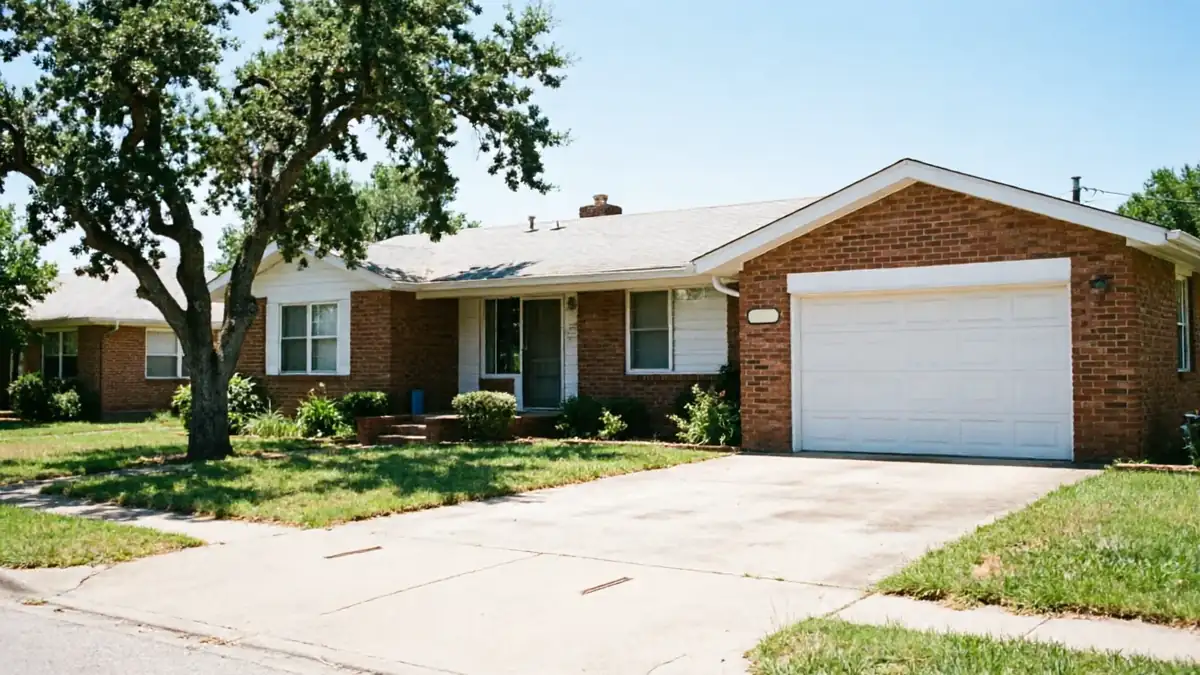
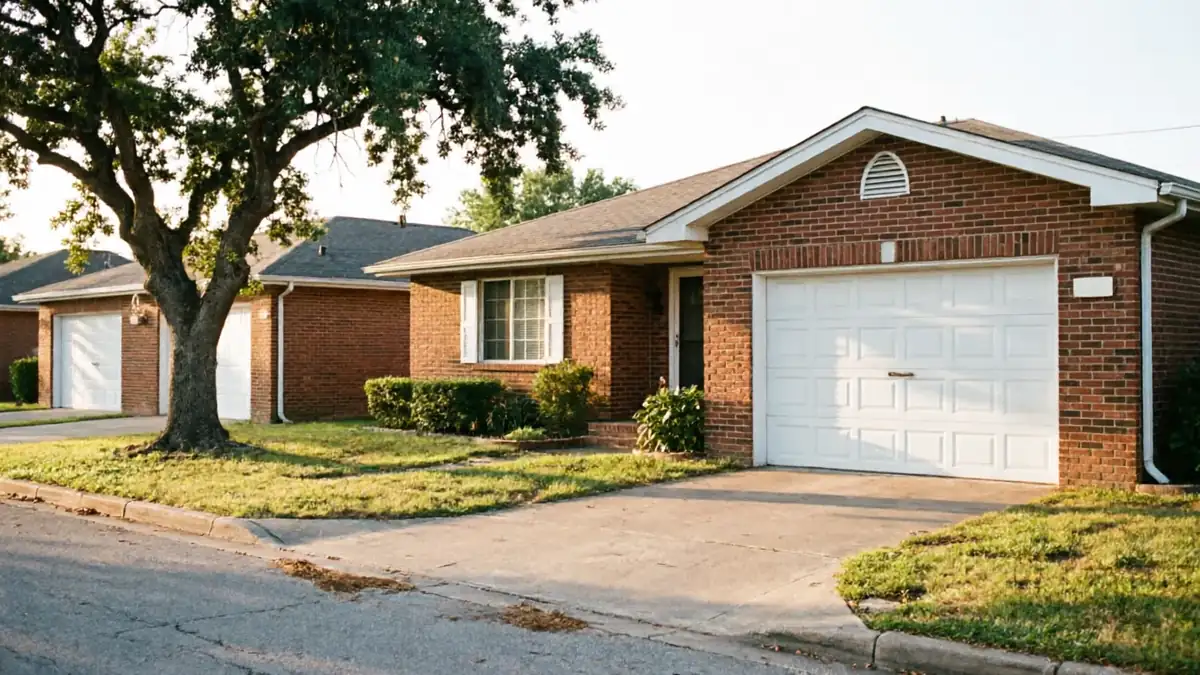
Trophy Club's housing stock centers on a median build year of 2000, which puts it noticeably newer than the 1993 median across our whole service area. That gap matters. A door installed in 2000 is likely on a factory steel torsion spring system with a belt or chain-drive opener from the early 2000s, not the older extension-spring setups with the separate pulley systems that show up on 1970s and 1980s houses closer to Watauga. With roughly 4,784 households in Trophy Club and a median income of $193,026 - well above the $99,494 median across the broader area - a larger share of these garages were likely finished with heavier insulated panels and steel-reinforced sections rather than the thin single-layer steel common on older budget builds. We don't have exact permit data broken out by subdivision, so we're speaking to the build-year pattern, not every house on every street.
What That Means for Doors
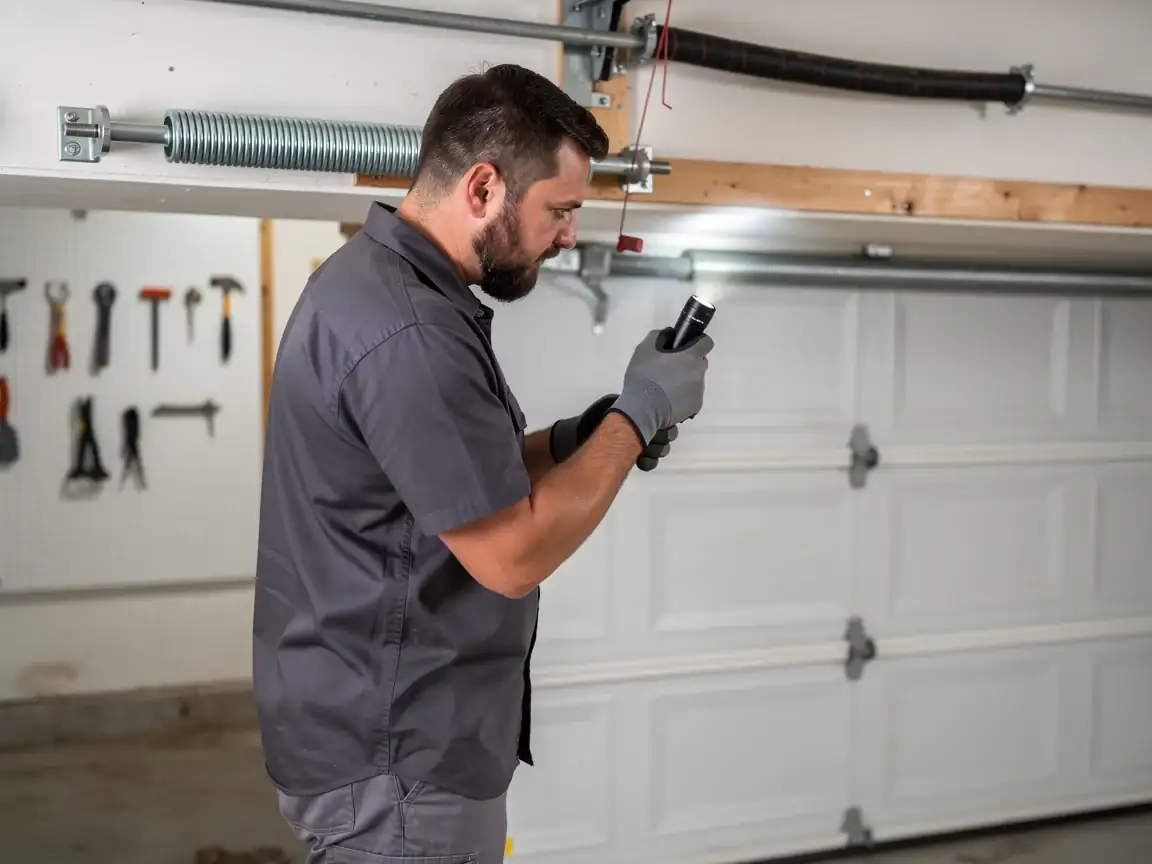
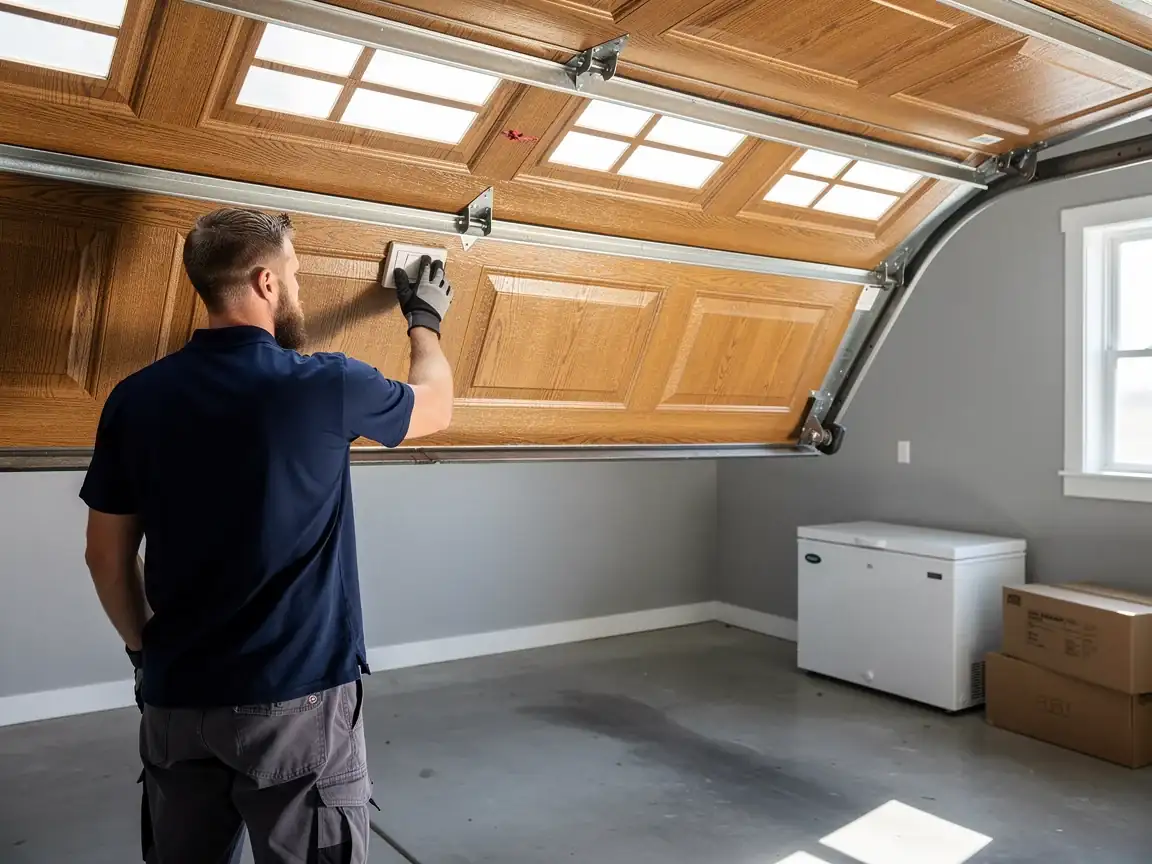
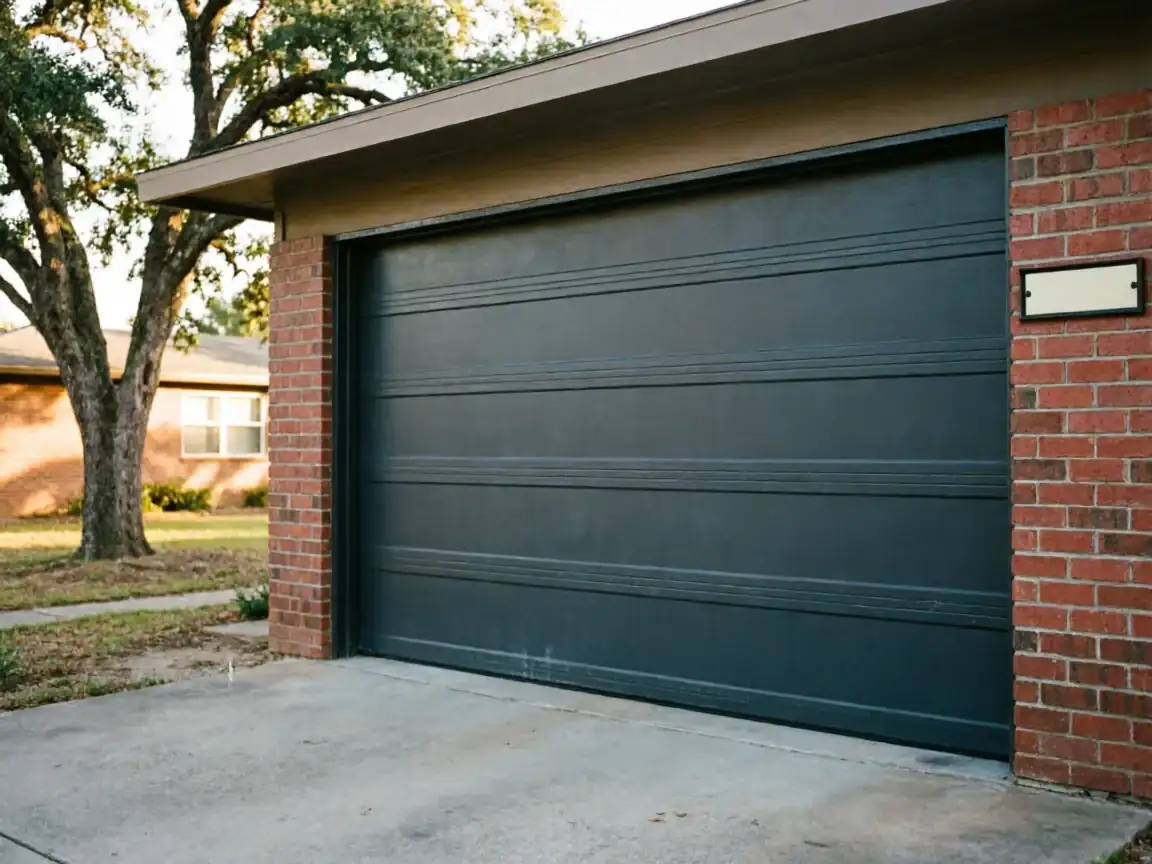
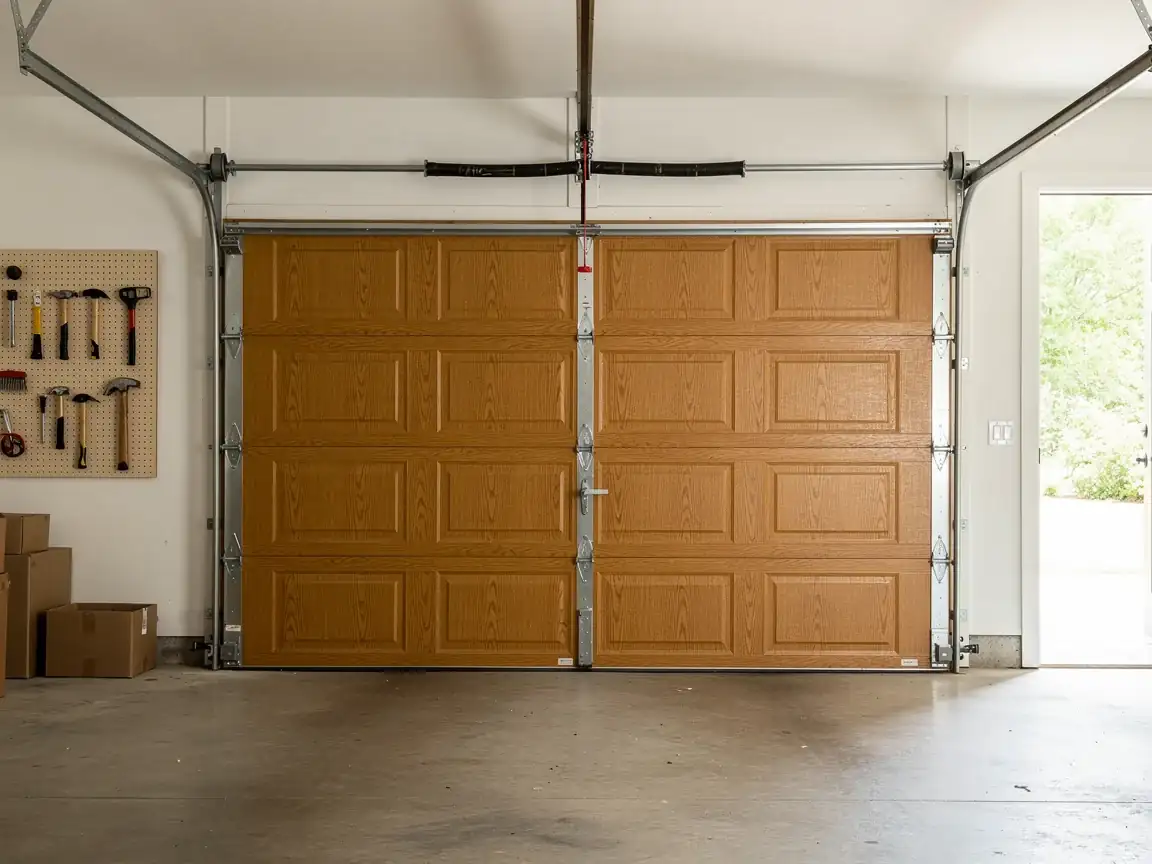
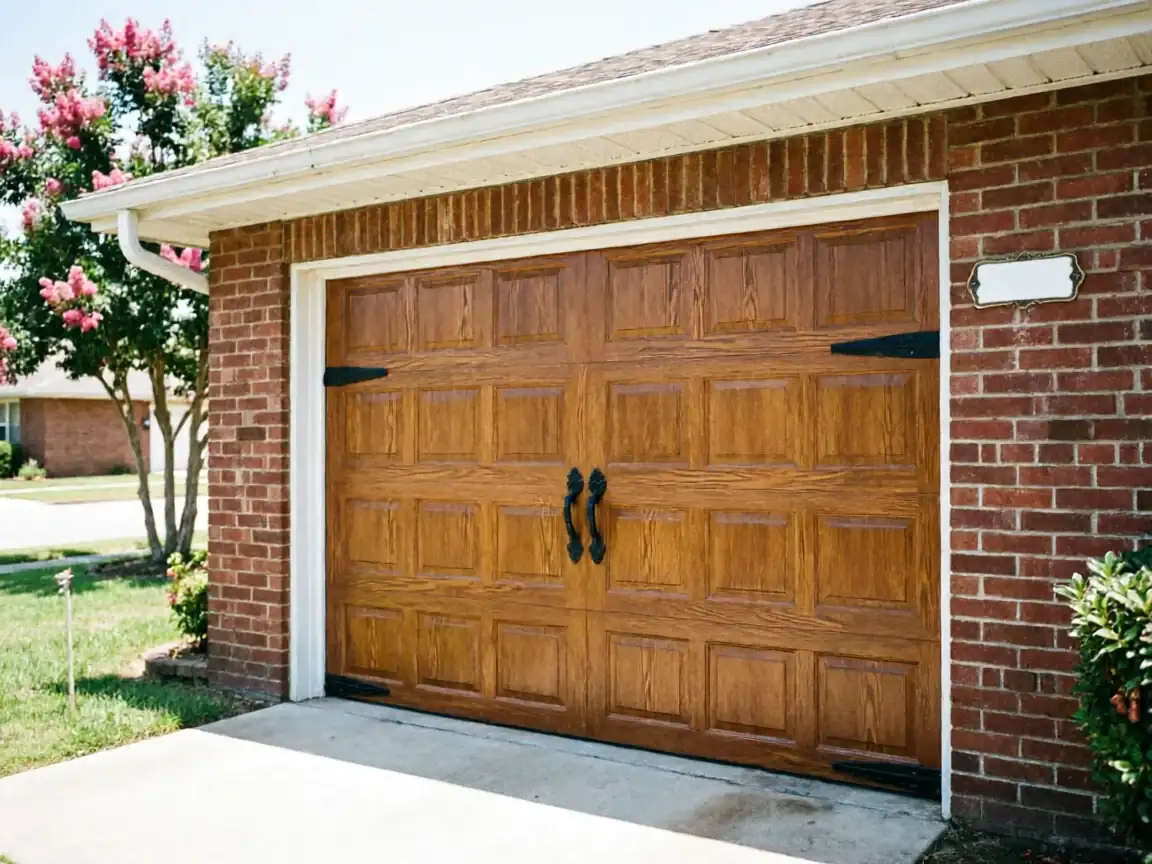
A door from around 2000 is old enough now that the original opener's circuit board, logic gear, or drive mechanism is a realistic failure point, even if the door itself still looks fine. Torsion springs rated for that era typically carry a 7-to-10 year working life under normal cycling, so a door installed when the house was built has likely already had one spring replacement, or is overdue for one. Rollers on these doors are usually still the original nylon, which by year twenty are often cracked or flat-sided, making the door loud and slow to open even when the opener and springs are sound. Because the higher median income here tends to track with larger two-and-three-car garage openings, we also see wider doors with longer torsion bars and higher spring counts - repairs that take more time and heavier-gauge springs than the smaller single-car doors on older, denser blocks elsewhere.
The Drive Over
Ten miles from Watauga is a short, predictable run, not a cross-town haul, and it's within the same general climate band as the rest of our coverage - moderate heat exposure, which is kinder to door hardware than extreme swings but still bakes nylon rollers and dries out lubricant on steel tracks over the years. We schedule the Trophy Club run the same way we schedule any stop at that distance: no inflated travel charge folded into the estimate, no guesswork about the drive. What we can't promise is a same-day slot every time, since we're routing from one town over and not sitting on standby inside Trophy Club itself.