What Most People Get Wrong
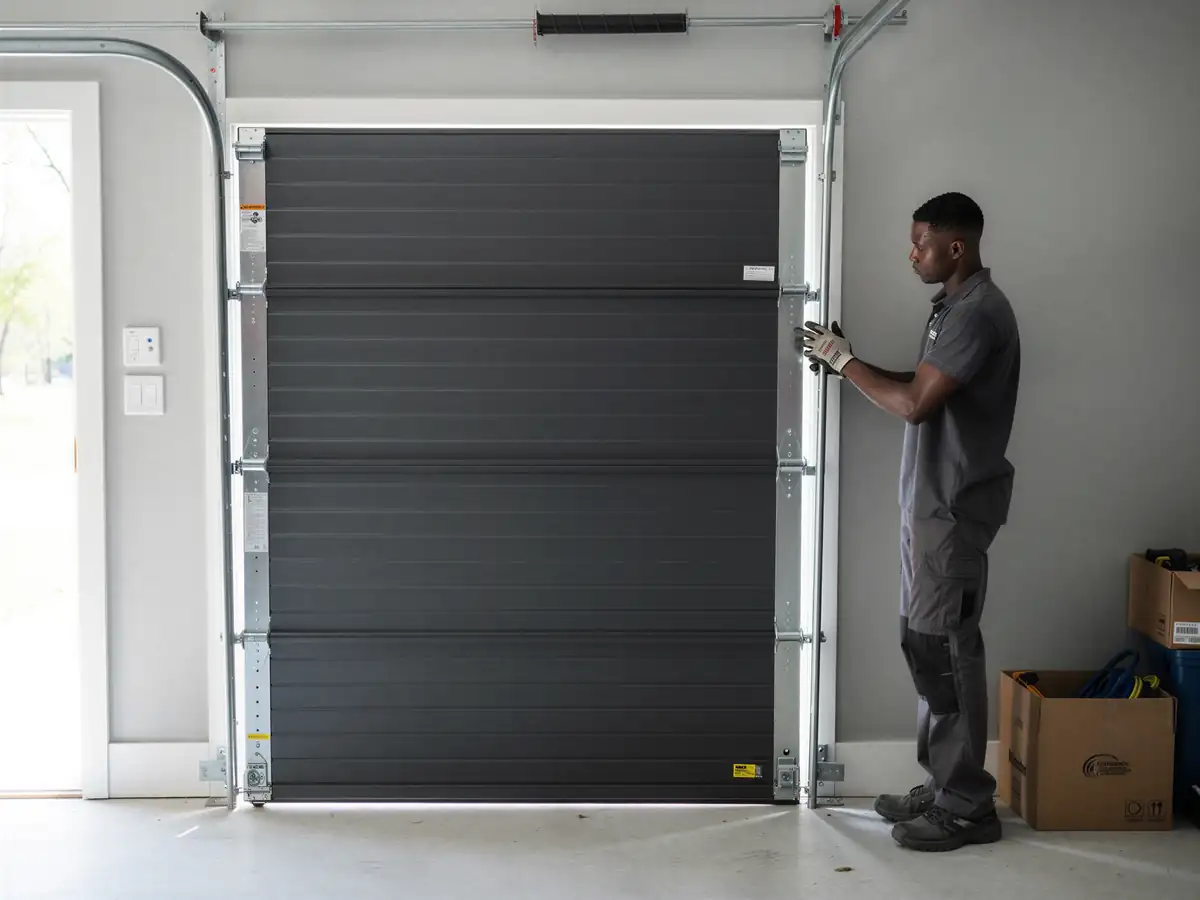
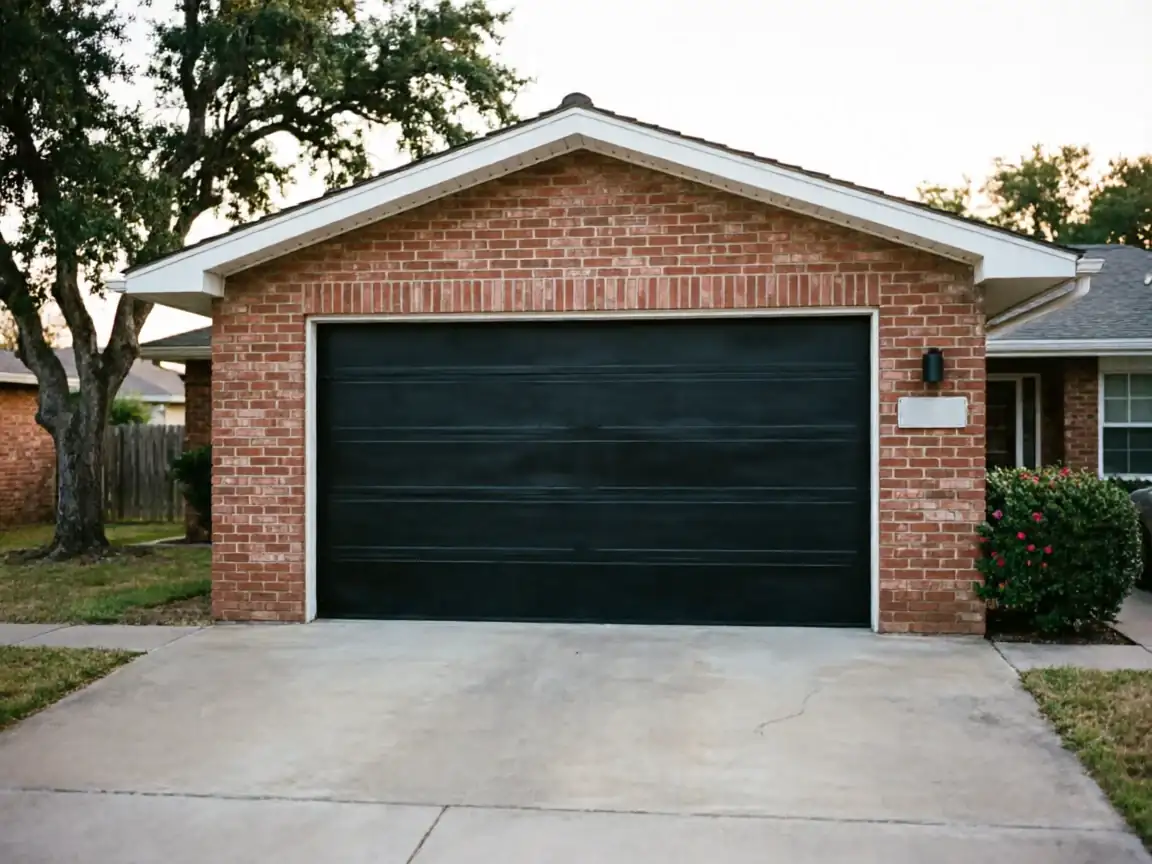
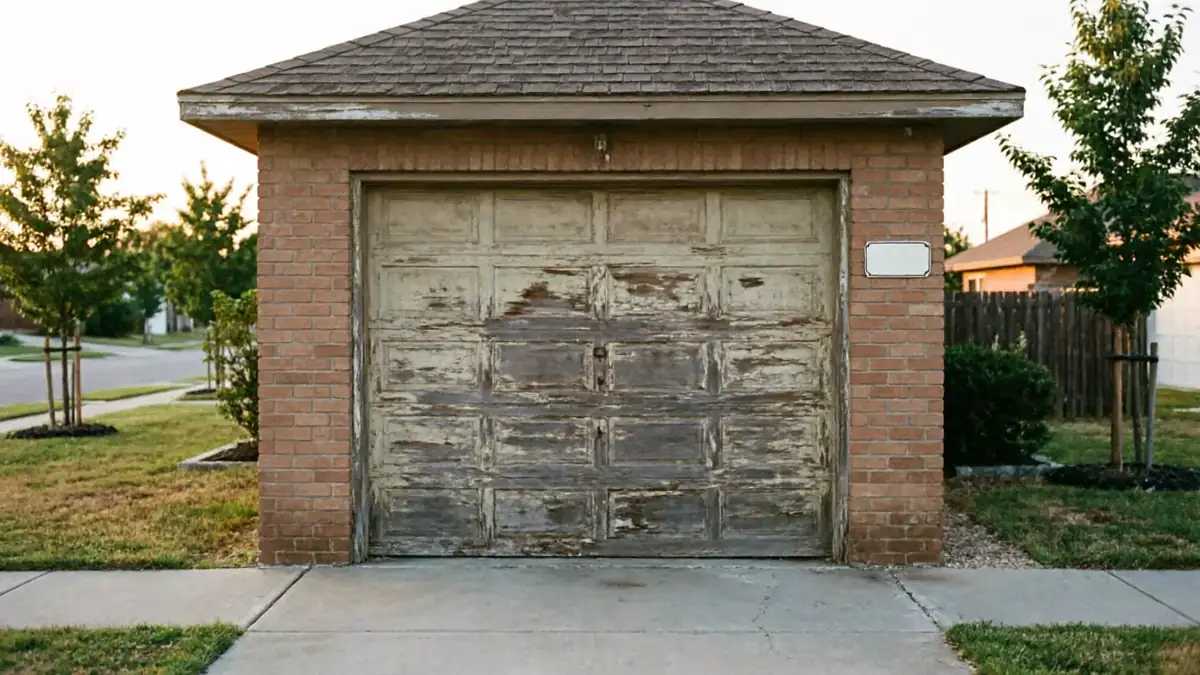
The most common mistake we see is an owner assuming a door is too old the moment it starts acting up. In the Watauga service area, houses went up between 1953 and 2014, with the typical build year landing around 1993, and most of the stock across the 30 communities we cover is 1980s and 90s construction. A door from that era isn't automatically junk. A lot of those doors still have the original torsion spring setup and a steel panel that's held up fine, because the hardware from that period was built to last decades, not years.
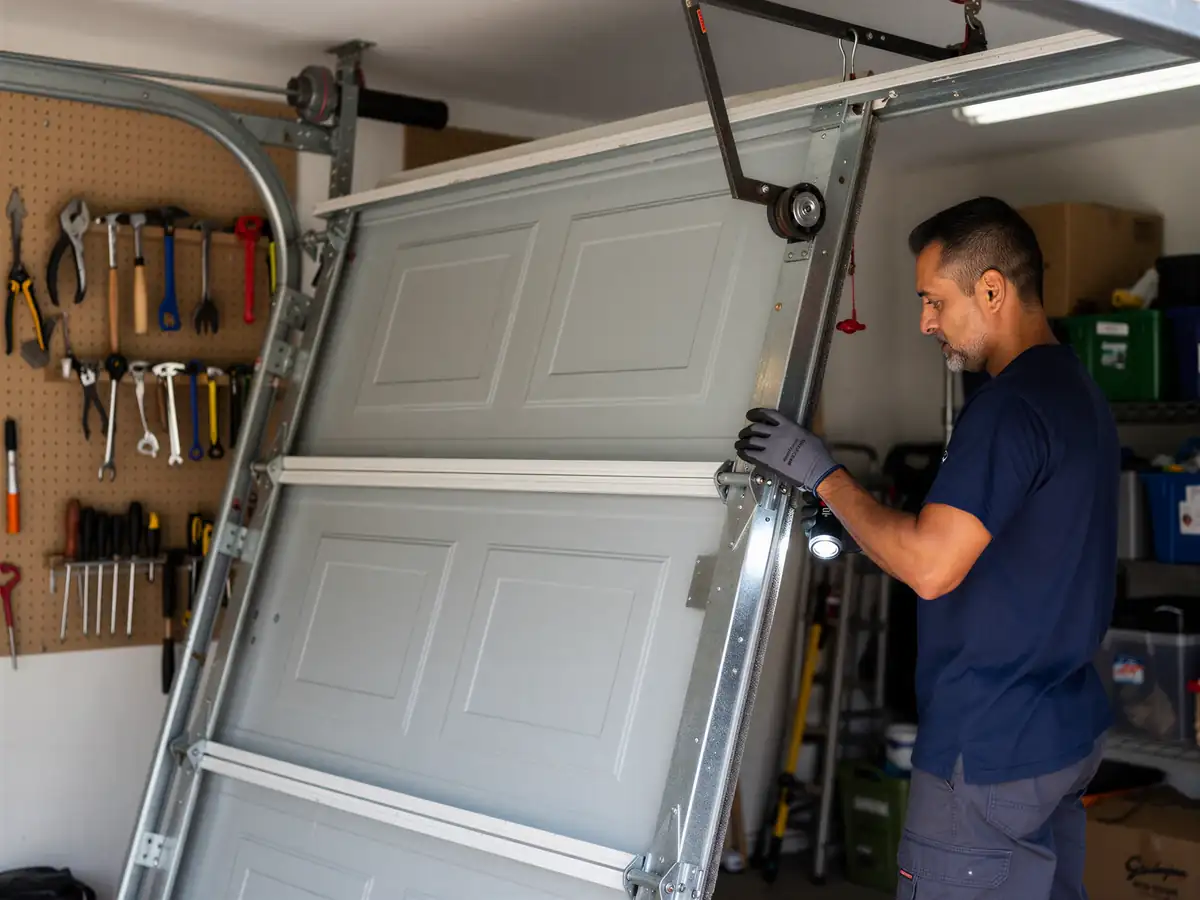
The flip side is also true: some owners sink money into a door that's fighting them at every turn - a track that's bent from years of adjustment, an opener that predates modern safety sensors - when the honest move is to stop patching and replace. Age by itself tells you less than the actual wear on the springs, rollers, and track. A 1993-built door in good shape can outlast a 2010-built door that got a cheap opener bolted onto it.
How Local Conditions Play In
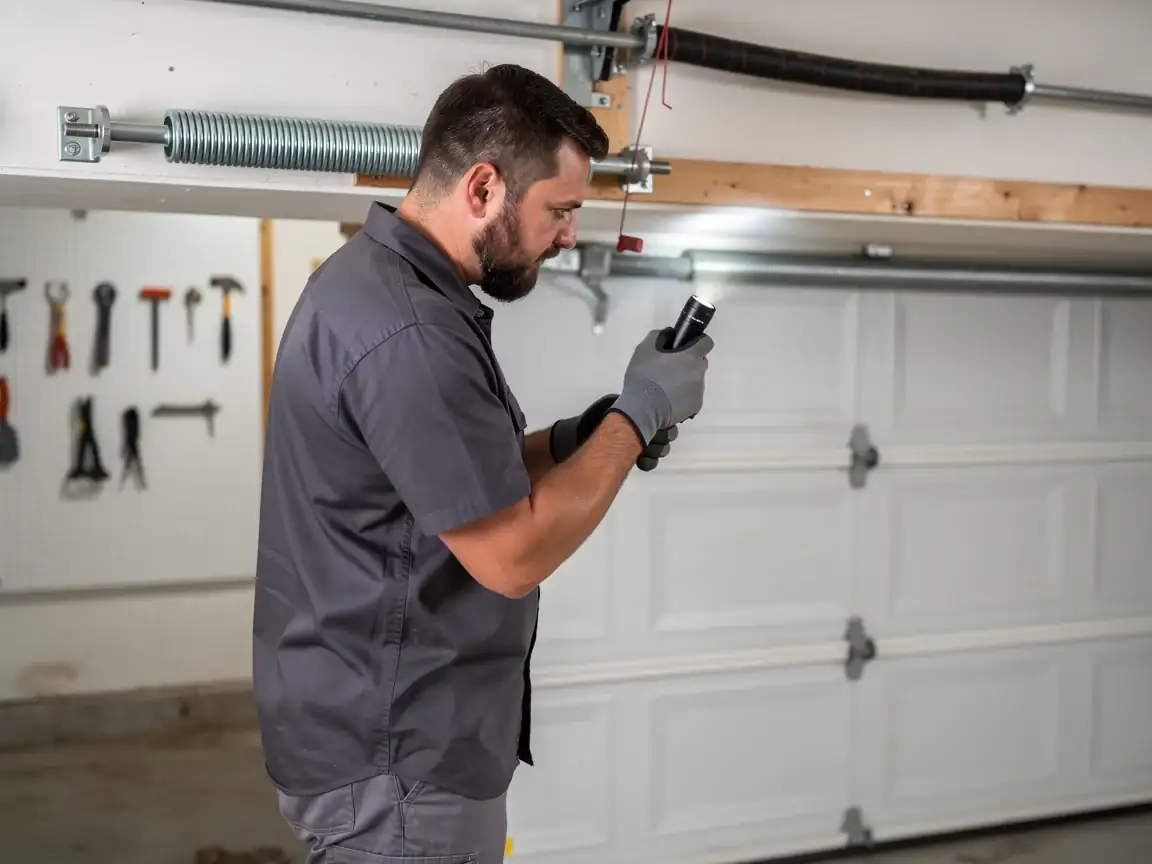
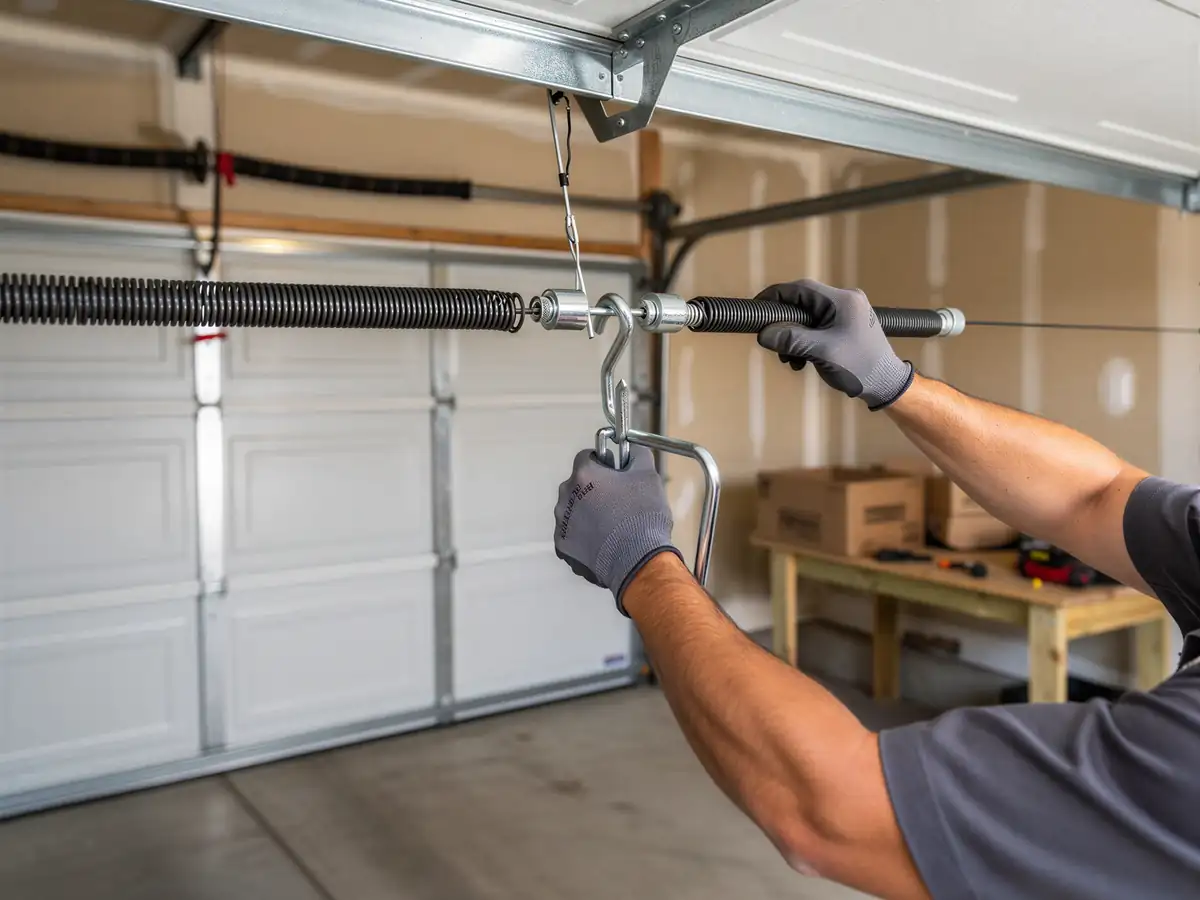
Watauga sits in a climate band we'd call moderate heat - not the extreme desert heat you get further west and south, but enough sustained warm months to matter for a garage door. Heat breaks down nylon rollers faster than people expect, and it dries out the lubricant on torsion springs so they wear unevenly instead of smoothly. That's less dramatic than a freeze-thaw problem, but it adds up over the kind of 20-plus year lifespans common in this area's 1980s and 90s housing stock.
What this means in practice: a door that's mechanically sound but sticky, noisy, or slow to close in the warmer months often just needs the rollers and springs serviced rather than replaced outright. We don't see the kind of ice-dam or frost-heave damage that shows up in colder regions, so the wear pattern here is steadier and more predictable - which actually makes the fix-versus-replace call easier to get right, if you look at the actual parts instead of guessing by the door's age.
What Is Going On
Because the Watauga area's housing spans roughly six decades
1953 through 2014 - we end up working on a wide spread of door generations, sometimes on the same street. Nearby pockets like sit close enough in build era that we see the same torsion hardware and panel gauges show up block after block. about four miles northwest, five miles north-northwest, run a bit newer on average but still fall inside that same general window.
What that means for repair decisions
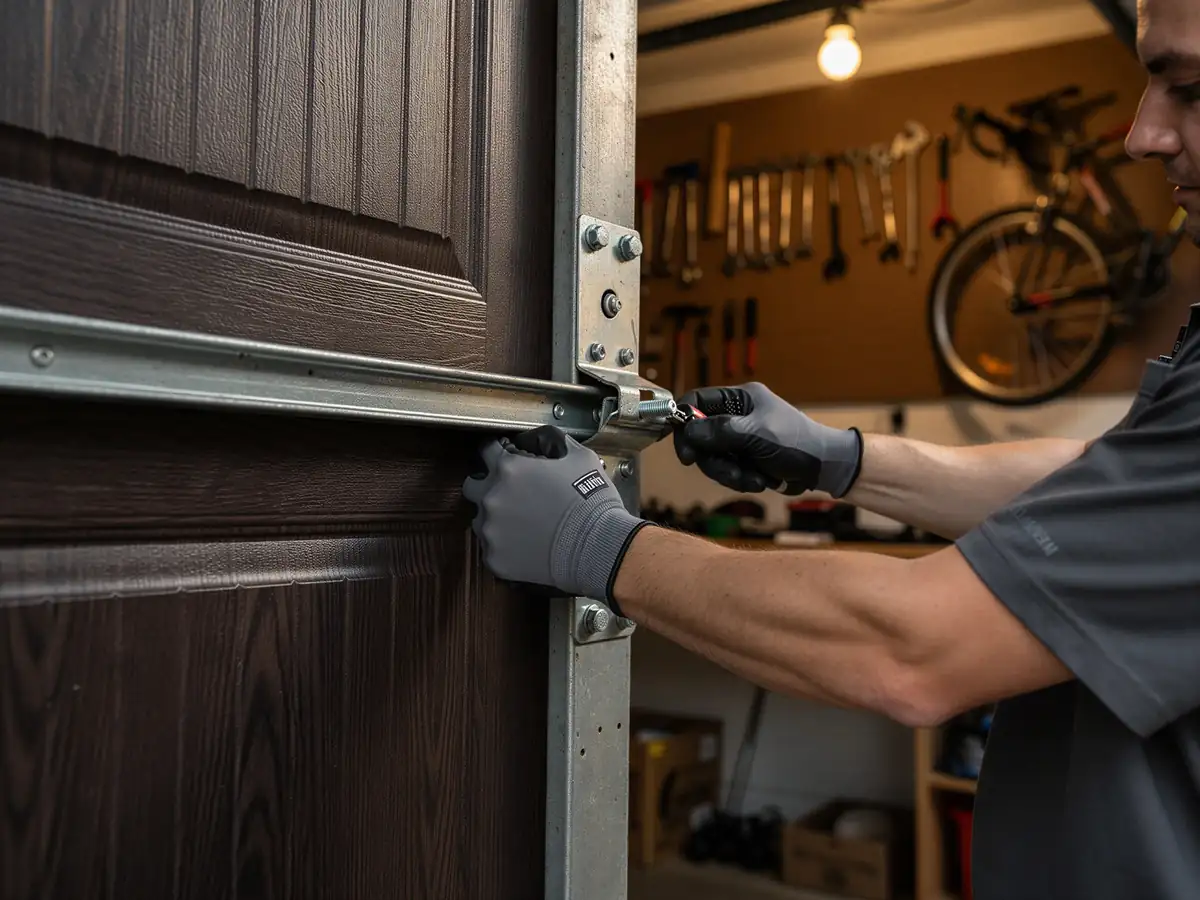
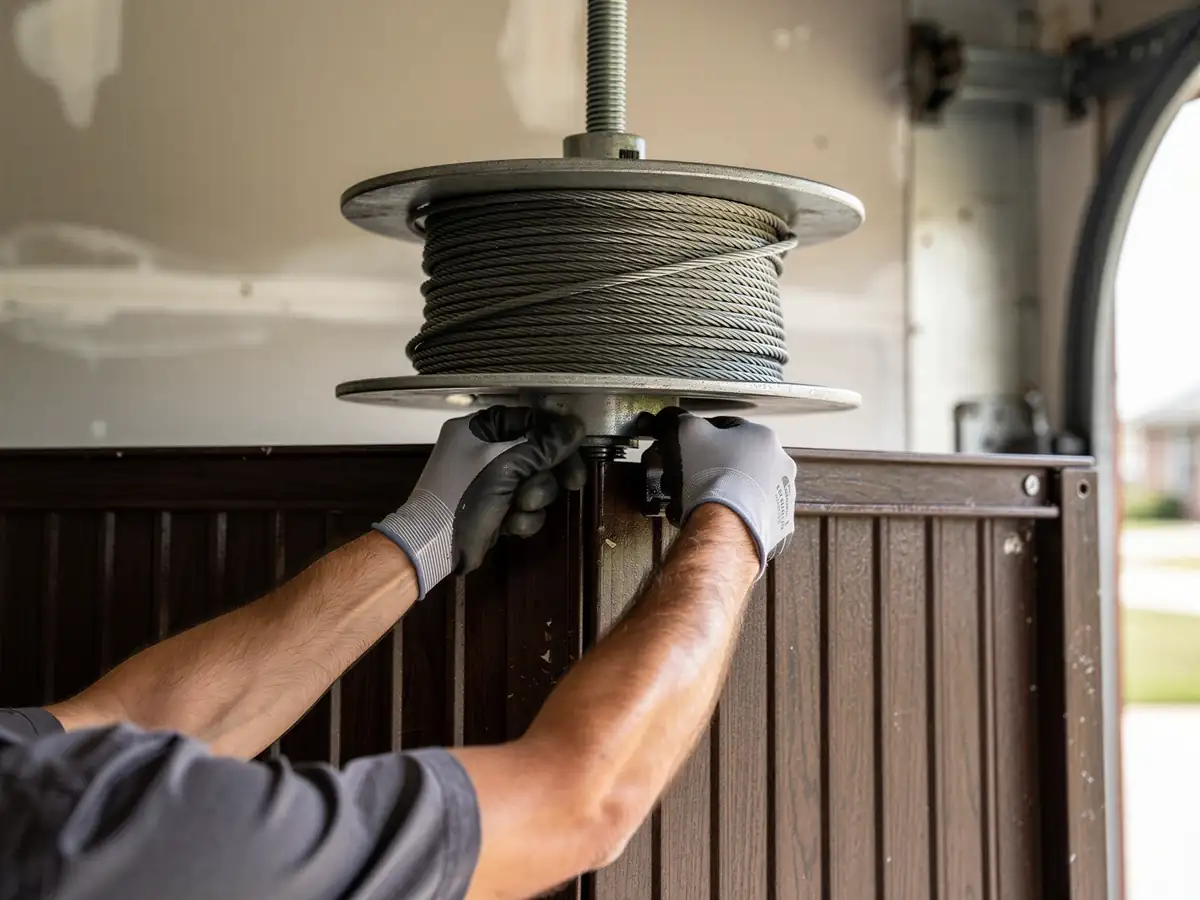
Parts commonality is actually decent here, because so much of the stock clusters in that 1980s-90s middle band rather than being evenly spread across fifty years. A torsion spring or roller assembly that fits a 1988 door usually fits a 1995 door too. Where we draw the line is doors with a galvanized track that's rusted through at the mounting brackets, or a panel that's delaminated from water intrusion - at that point you're not fixing a door, you're rebuilding one, and replacement is the straighter path.
What It Costs
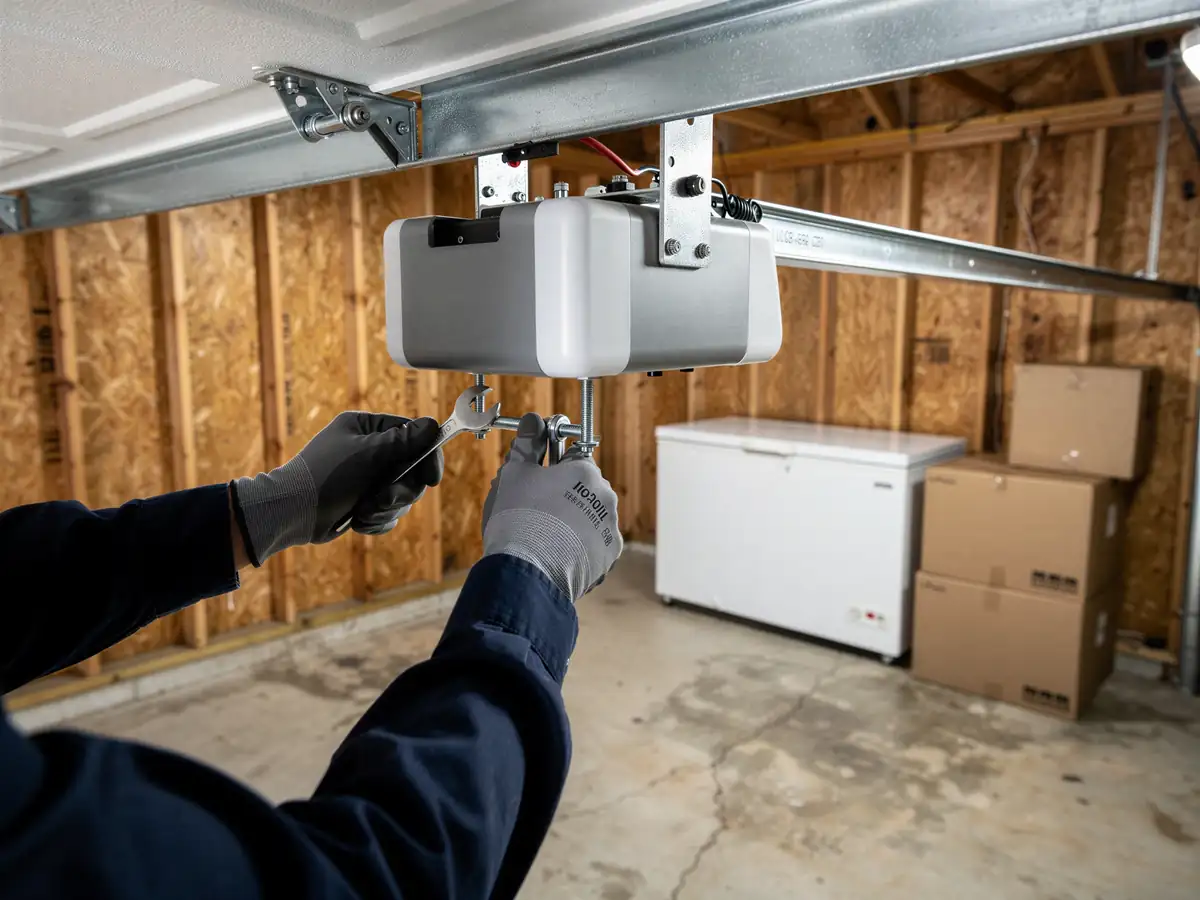
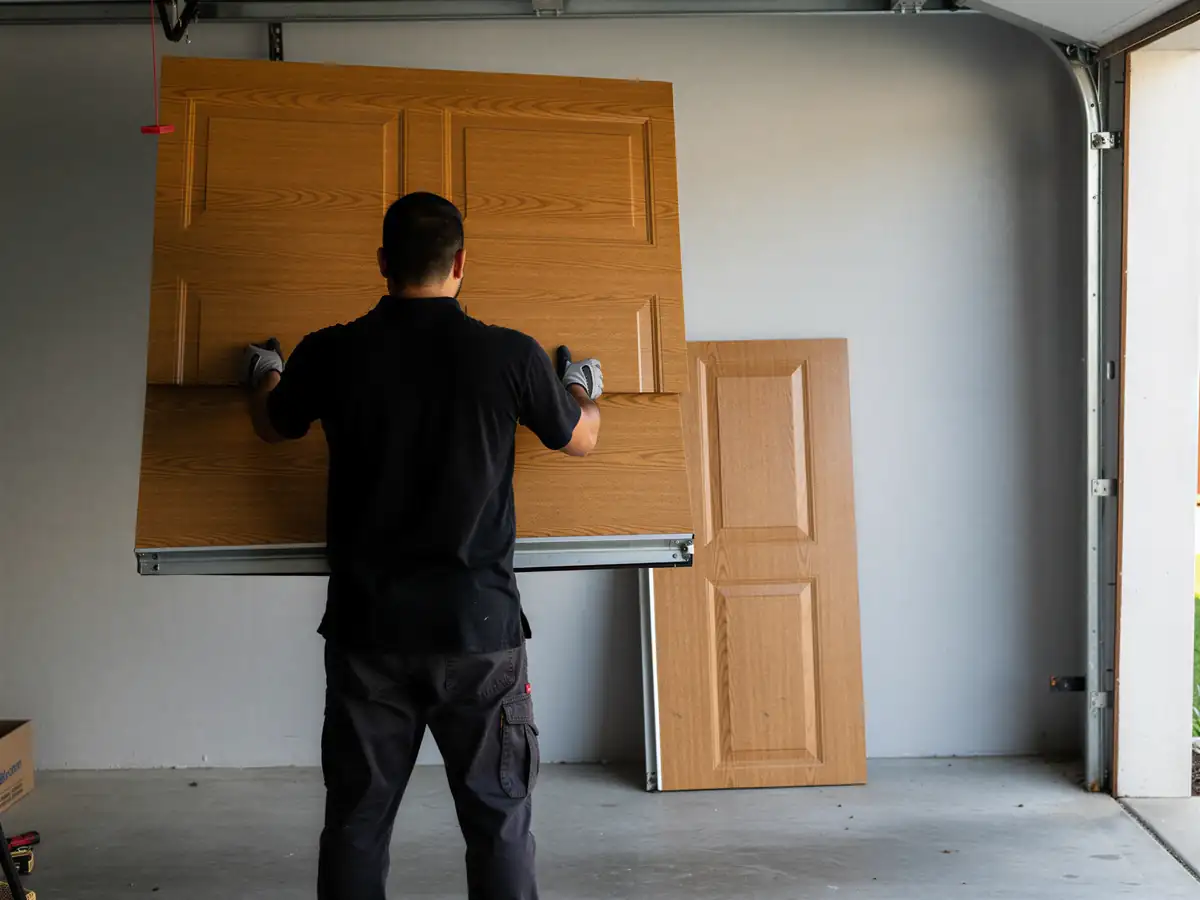
We're not going to put a number here we can't stand behind - every door is different and we'd rather quote it after we've looked at the spring, track, and opener in person than print a figure that doesn't match what shows up on your driveway. What we can tell you is how the decision usually breaks: if the springs and rollers are worn but the track and panels are straight, repair is almost always the cheaper and faster path. If the track is bent, the panel is rusted through, or the opener is original equipment from a decades-old build, you're often better off putting that money toward a full replacement instead of chasing one fix after another.
Household income across the service area runs a median around $99,494, which is enough that most owners here can weigh repair against replacement on the merits rather than being forced into the cheapest patch. One honest limitation: we don't stock every obsolete part for doors from the early end of that 1953-2014 build range, so a genuinely old torsion assembly can mean a short wait while we source it.