What Most People Get Wrong
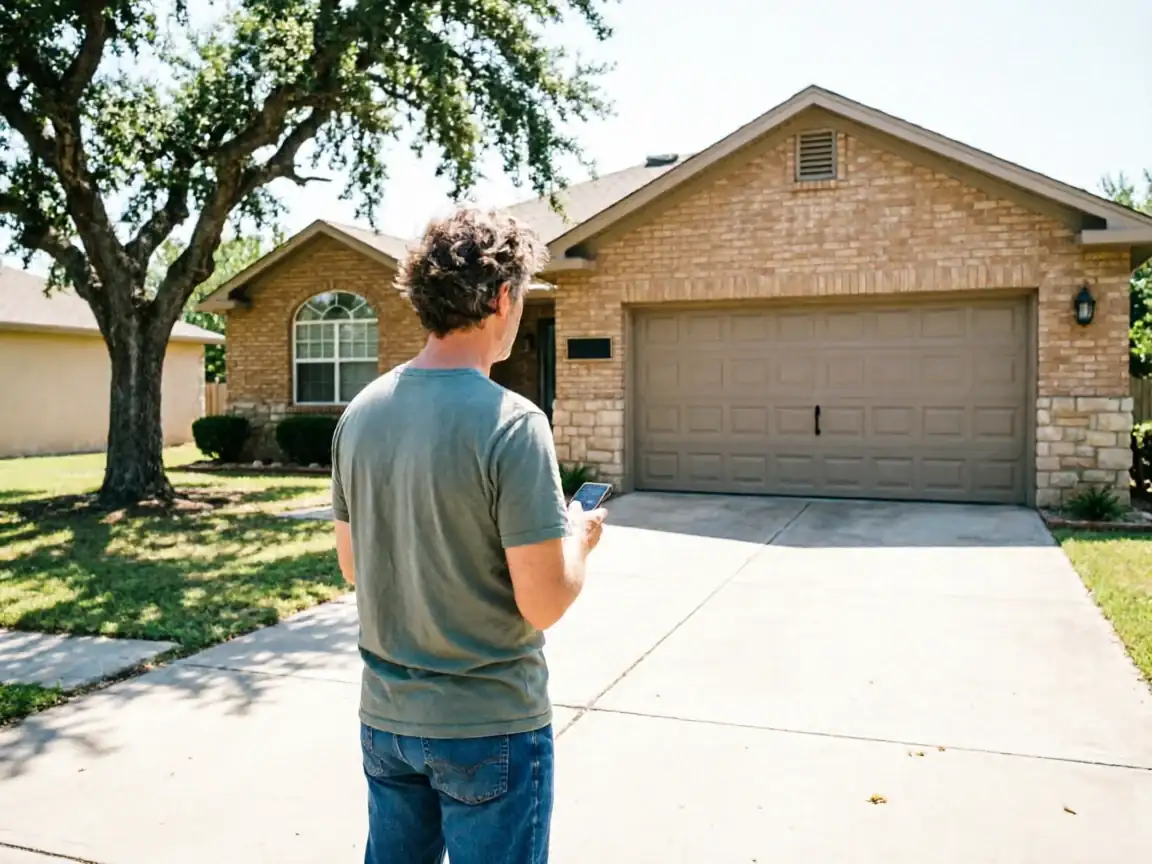
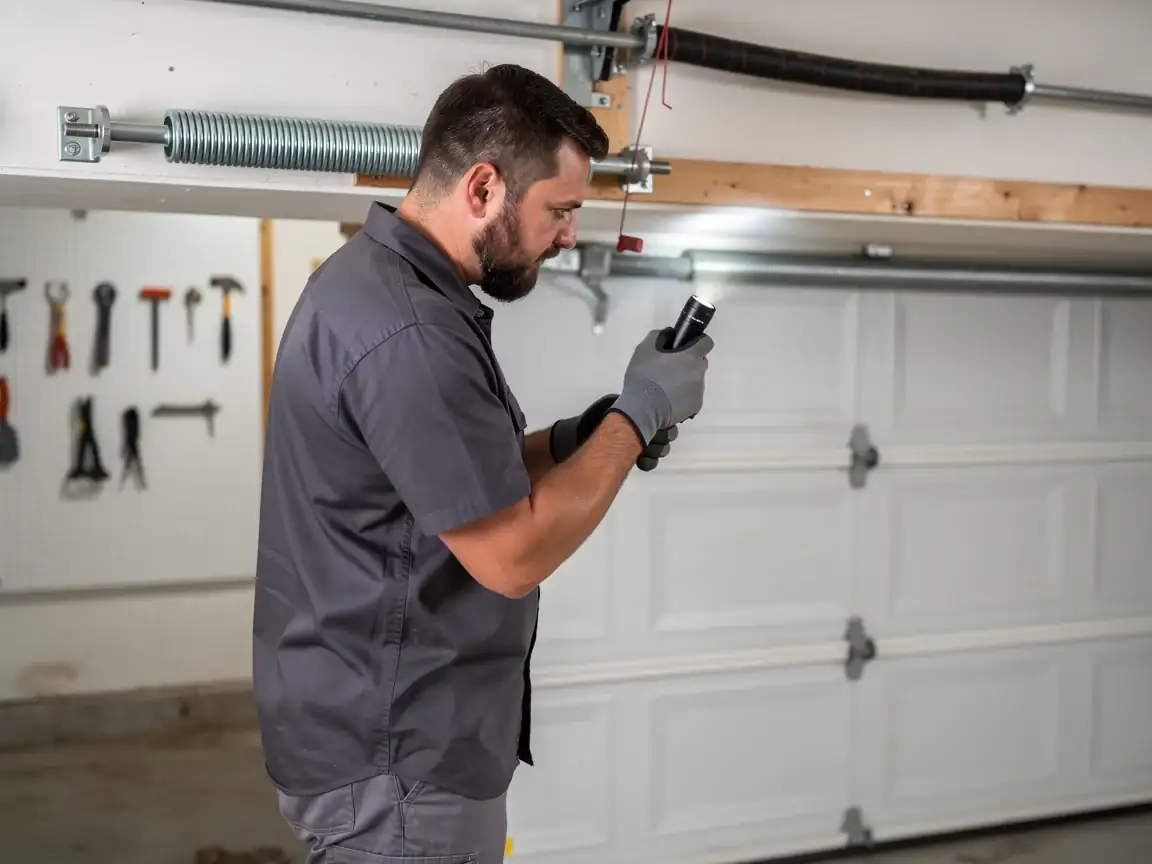
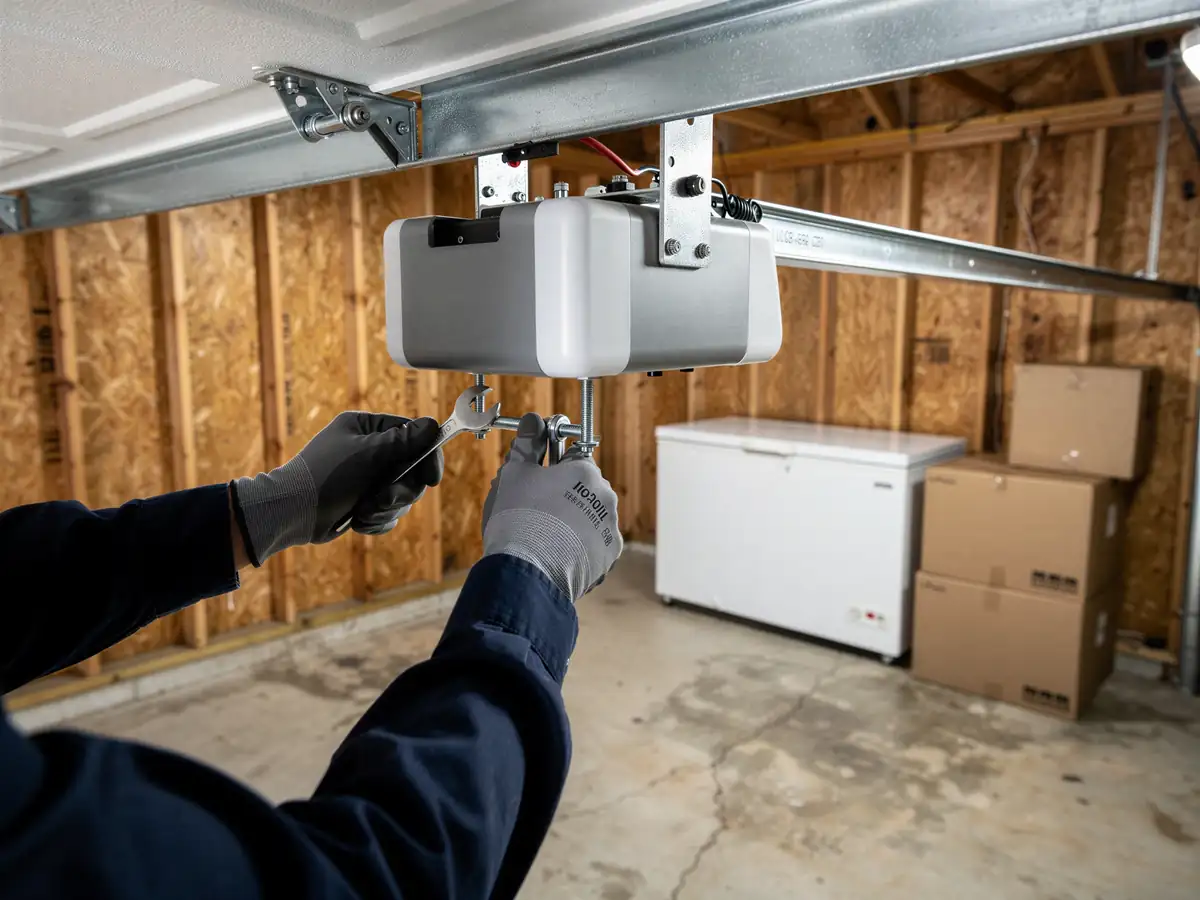
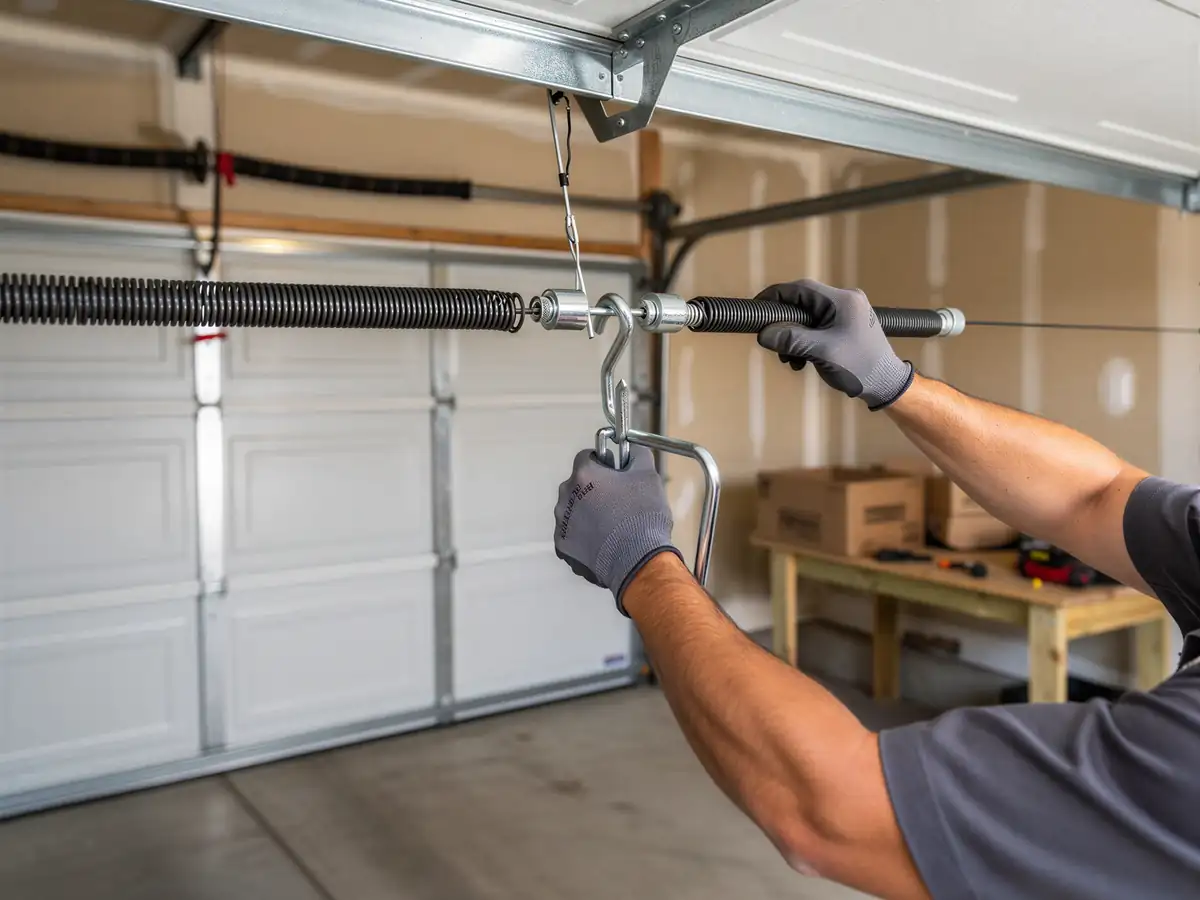
Most people hear a noise and assume the opener is dying. In Watauga, where houses mostly went up between 1953 and 2014 with the bulk of that stock built in the 1980s and 90s, the opener is rarely the first thing to go. What's aging out is the hardware behind it: rollers, hinges, and the torsion spring system that's been cycling twice a day for twenty or thirty years.
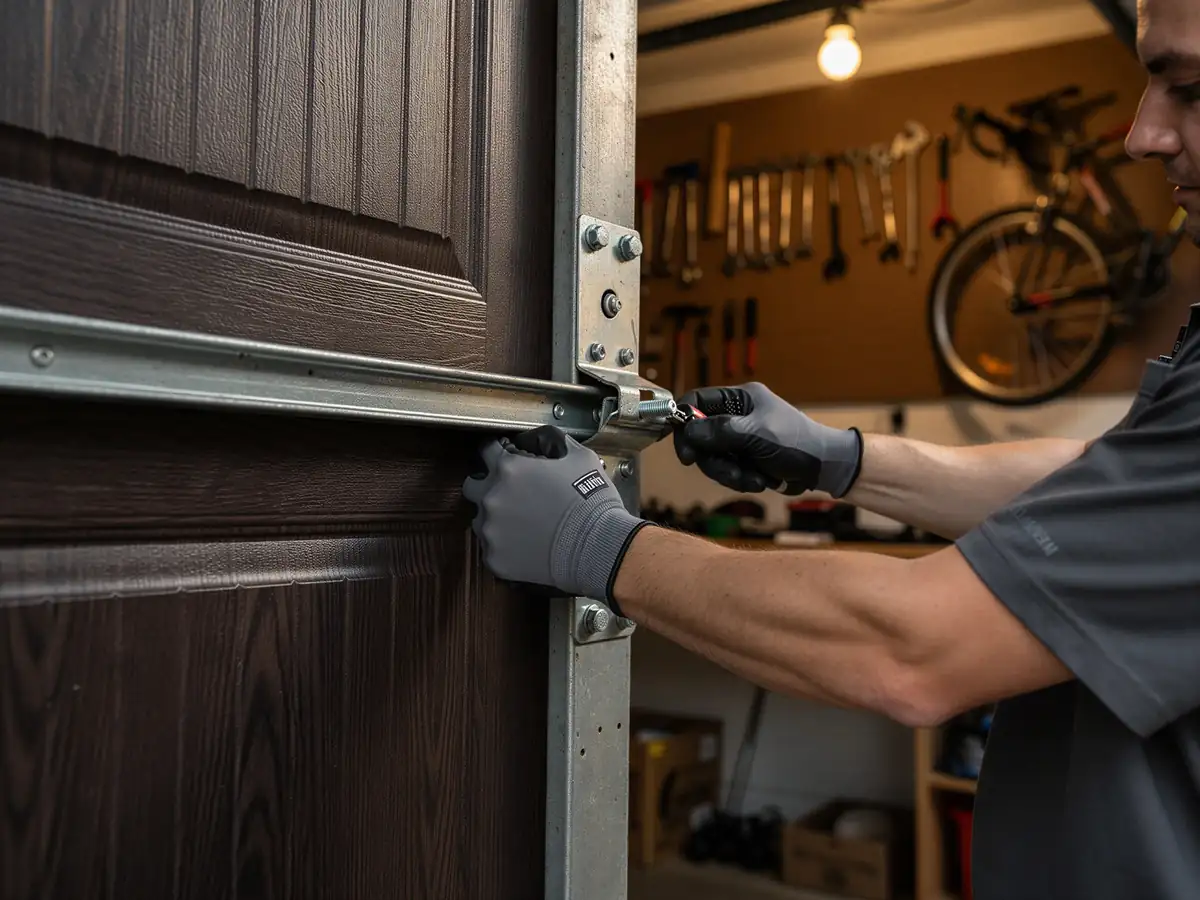
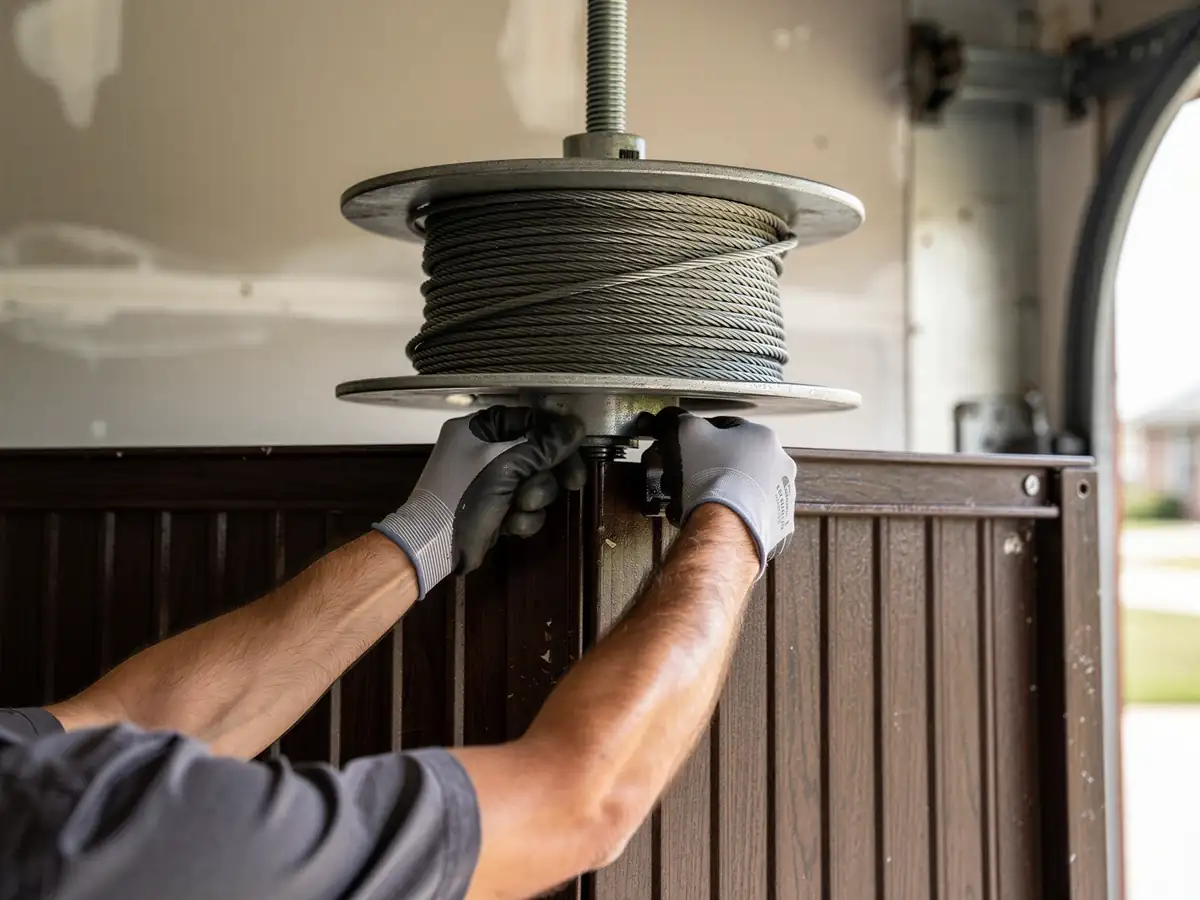
A grinding sound gets blamed on the motor when it's almost always a dry or worn roller riding in a track that's never been lubricated. A loud bang gets written off as "the house settling" when it's a cable jumping its drum. People replace the opener, spend money, and the noise comes right back because the actual wear is lower down in the system - on parts original to a house built in that 1980s-90s window.
The other mistake: ignoring a noise because the door still opens. A door that still works but sounds wrong is telling you something is loose, cracked, or about to let go, not that everything's fine. Catching it before a spring breaks under tension or a cable snaps is cheaper and safer than dealing with it after.
How Local Conditions Play In
Watauga sits in a moderate heat band, not the extreme swings you get further west or south. That matters for noise diagnosis because it means we're not chasing the kind of rapid metal expansion and contraction that cracks hardware in a single season. Here, wear is steadier and slower - lubricant dries out gradually, bearings wear down over years of normal cycling rather than getting shocked by sudden temperature swings.
What that means in practice: if a door in this area is making noise, it's usually accumulated wear rather than a weather event. A squeal that shows up gradually over months points to rollers or hinges losing their factory lubrication under steady use. A sudden new noise is more often a hardware failure - a spring losing tension, a cable fraying - than anything tied to a hot or cold snap, since our climate doesn't put that kind of stress on the system the way more extreme regions do.
That's actually good news for diagnosis. In a moderate climate, noise almost always means something mechanical and specific, not something environmental and vague. We can usually point to the exact part.
What Is Going On
With housing in this area running from 1953 up through 2014
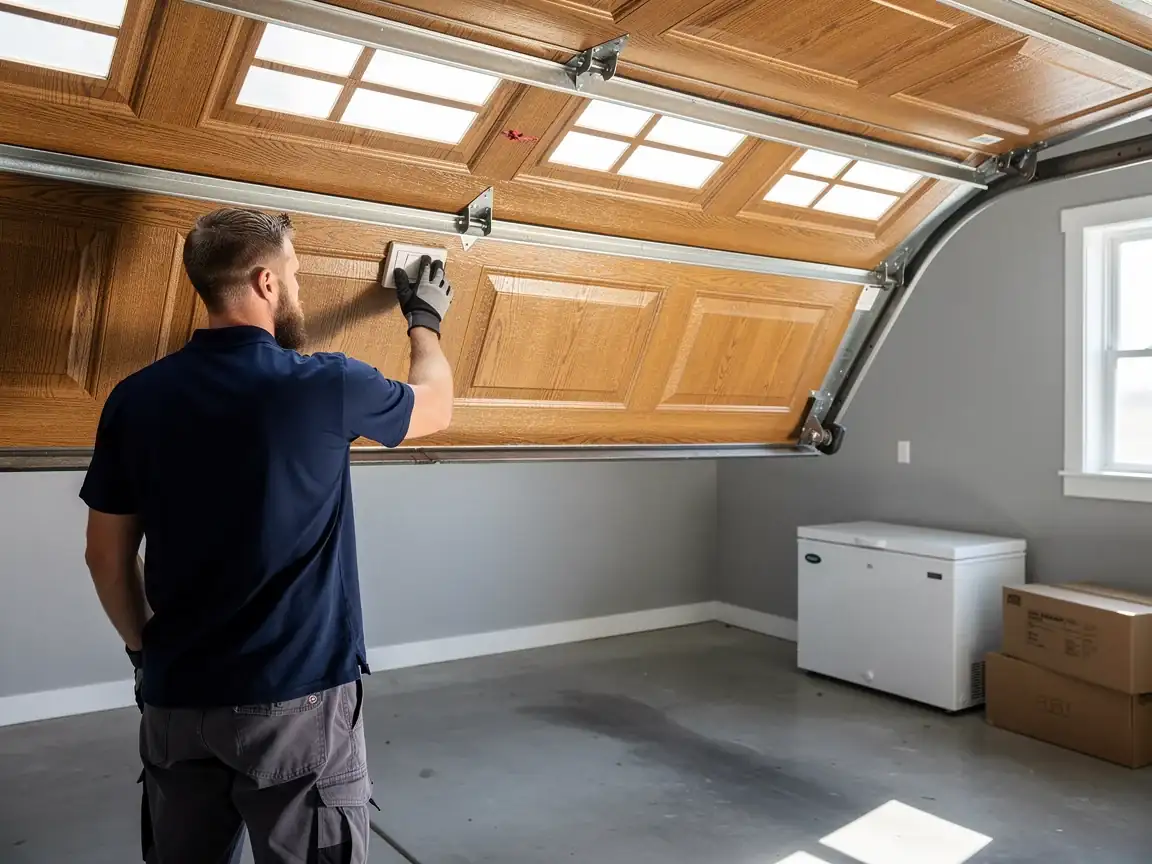
The diagnosis depends a lot on which part of that range a given house falls into. Homes from the older end of that span, and plenty of the 1980s and 90s builds that make up most of the local stock, often still run original torsion springs and steel rollers. Those make a specific sound profile: a rhythmic thump or clunk as the door moves, rollers that squeal on turns, and a spring that makes a sharp metallic pop when it finally lets go.
Newer builds in the area are more likely to have nylon rollers and factory-installed safety cables
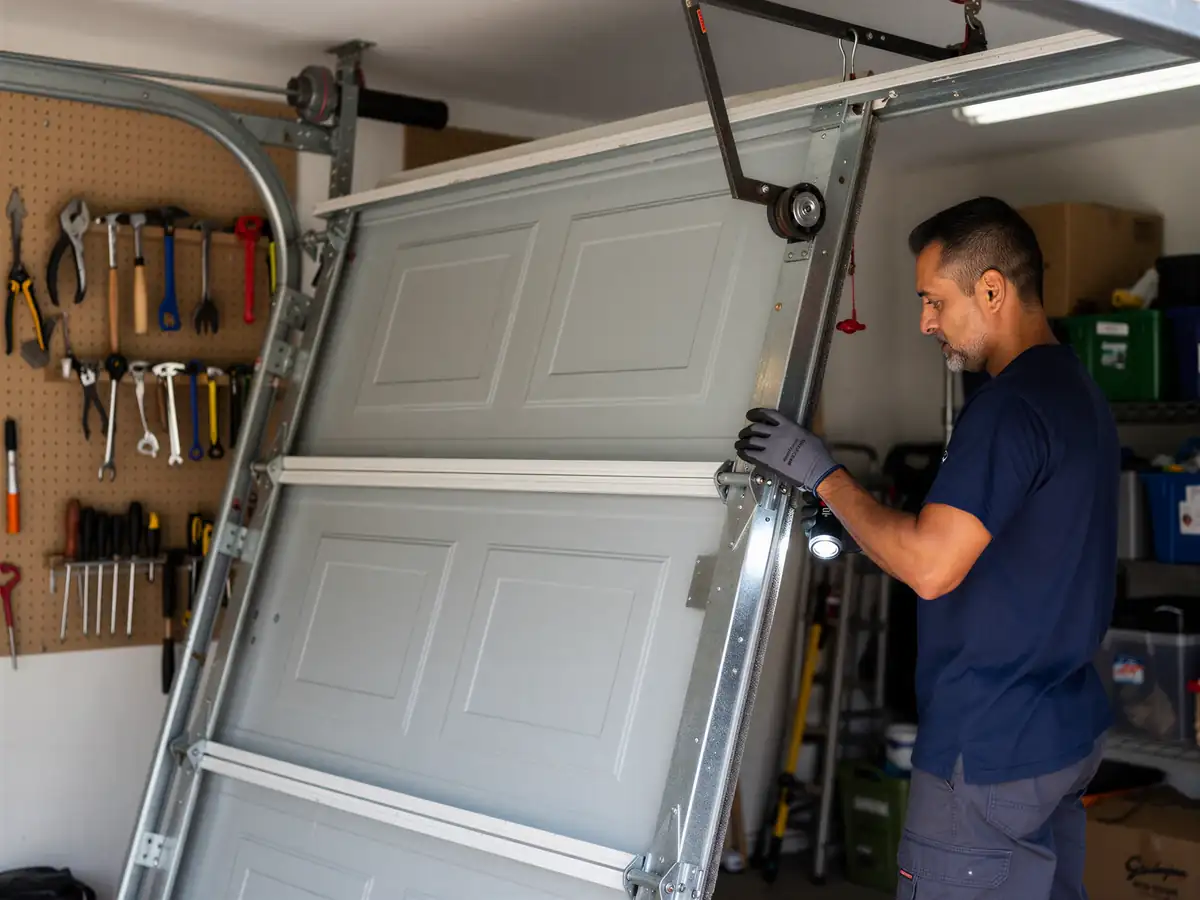
Which are quieter when healthy but can rattle if a bracket has worked loose. A scraping sound usually means a track is out of alignment, which happens gradually as a house settles over decades rather than from any single event.
The sound itself is diagnostic
A single loud bang means a spring or cable. A rhythmic squeak tracks rollers or hinges. Grinding points to the opener's gears or a track problem. We listen before we touch anything, because guessing wrong on a torsion spring system means guessing wrong on something under enough tension to hurt someone.
What It Costs
We don't have a universal number to hand you here, and giving one without seeing the door would be a guess, not an estimate. What we can tell you is what drives the cost: whether it's a $20 part like a roller or hinge, or a full spring and cable job on an older torsion system, which runs more because of the labor and the parts involved.
With median household income in this service area at $99,494, most of the repairs we see are the kind people choose to fix properly rather than patch, since a patched repair on a worn 1980s or 90s door usually just means a second call sooner than it should be. Across the roughly 45,309 owner-occupied houses in this area, the repair that actually solves a noise complaint is almost always smaller than people expect - it's rarely a full door replacement.
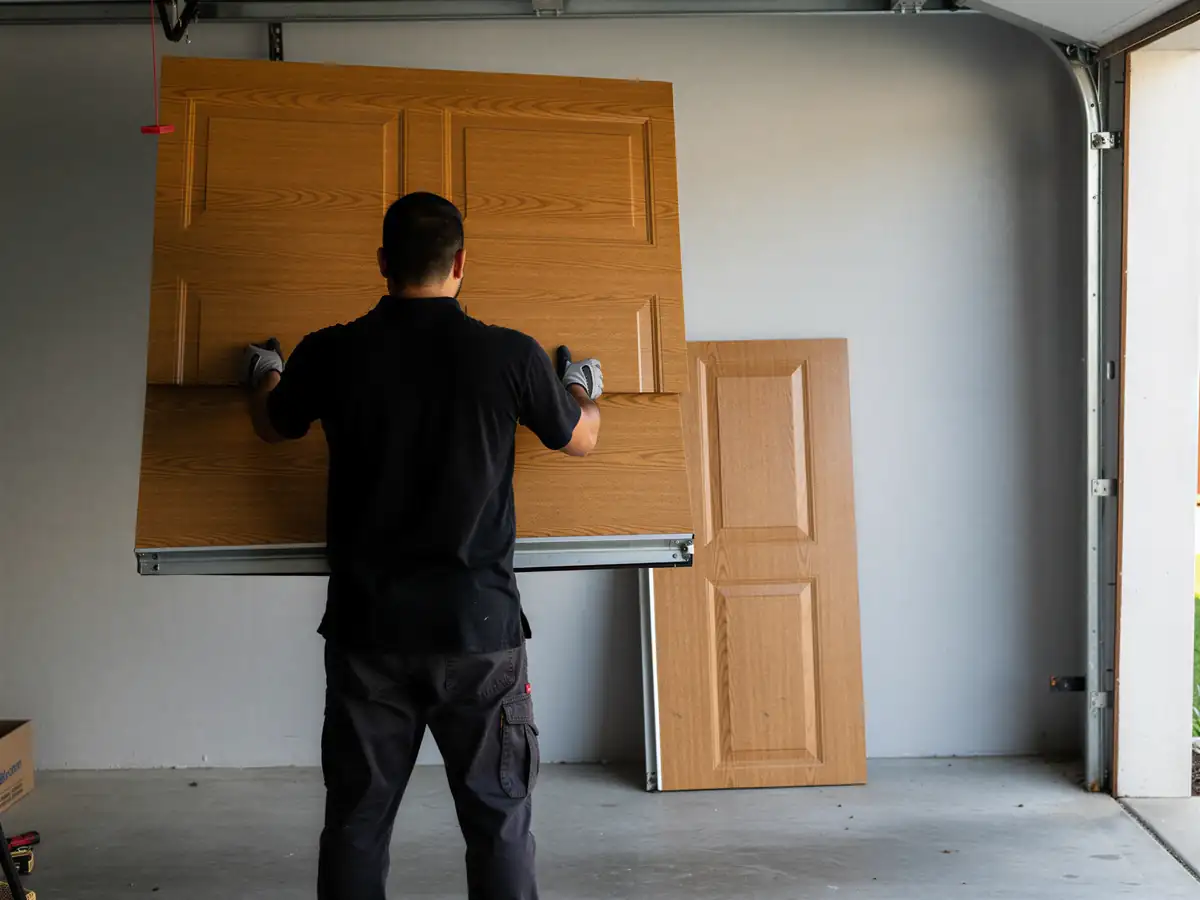
One honest limitation: if a door is old enough that the track is bent, the panels are rusted through, or the opener is obsolete and parts aren't made anymore, repair stops making sense. At that point we'll tell you replacement is the better money, not try to keep patching something past its useful life.