Booking a Visit
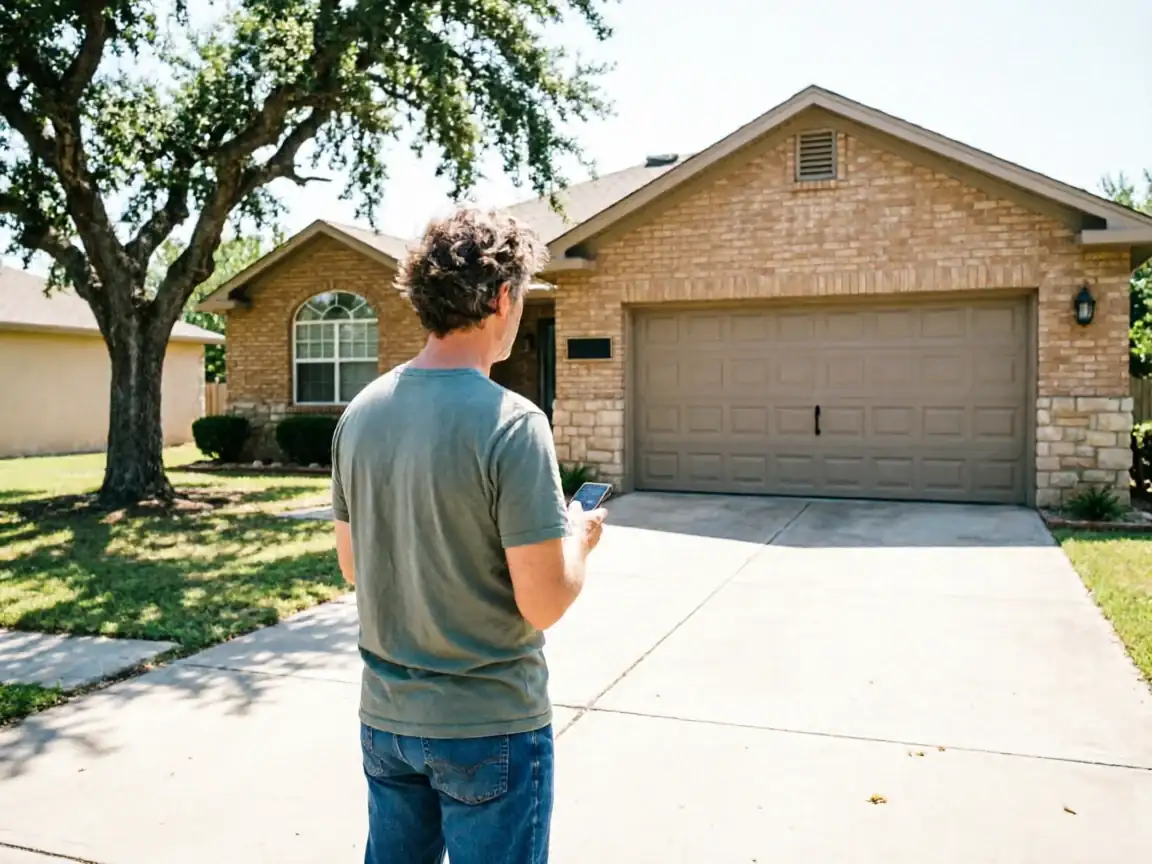
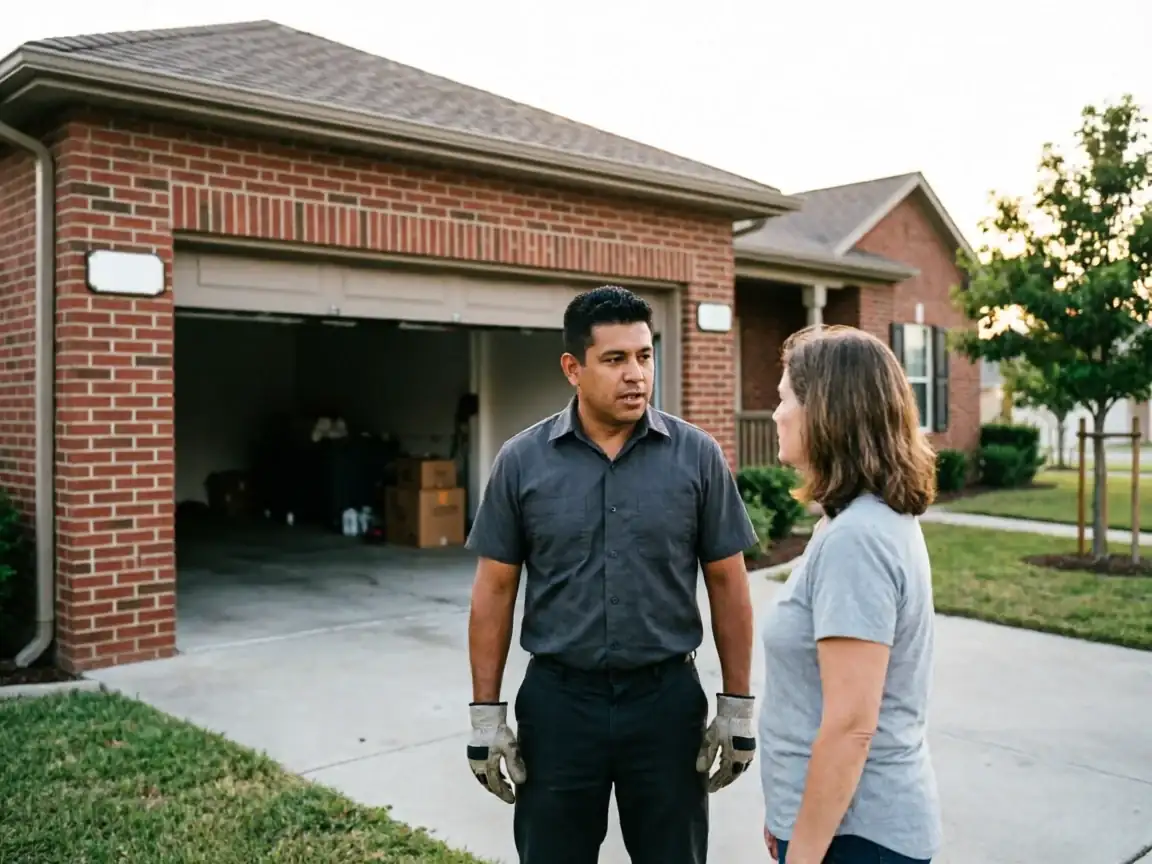
Call or request a visit and we'll give you a window, not a guess. Most of the homes we work on sit within a few miles of Watauga itself, out toward so we're rarely far when a door quits on you. We work the service area inside the loop that runs from Richland Hills and Saginaw out past Haslet and Westlake, which covers the bulk of the housing stock built between the 1950s and the 2010s that we see failing in predictable ways. Tell us the model of opener if you can find it on the unit, or just describe what the door is doing - grinding, slow reverse, won't budge. That's usually enough for us to bring the right parts the first time instead of a second truck roll. We don't do same-day everywhere, so if you need an exact time, ask when you call rather than assume. Visit our homepage for the rest of what we handle.
The Symptom
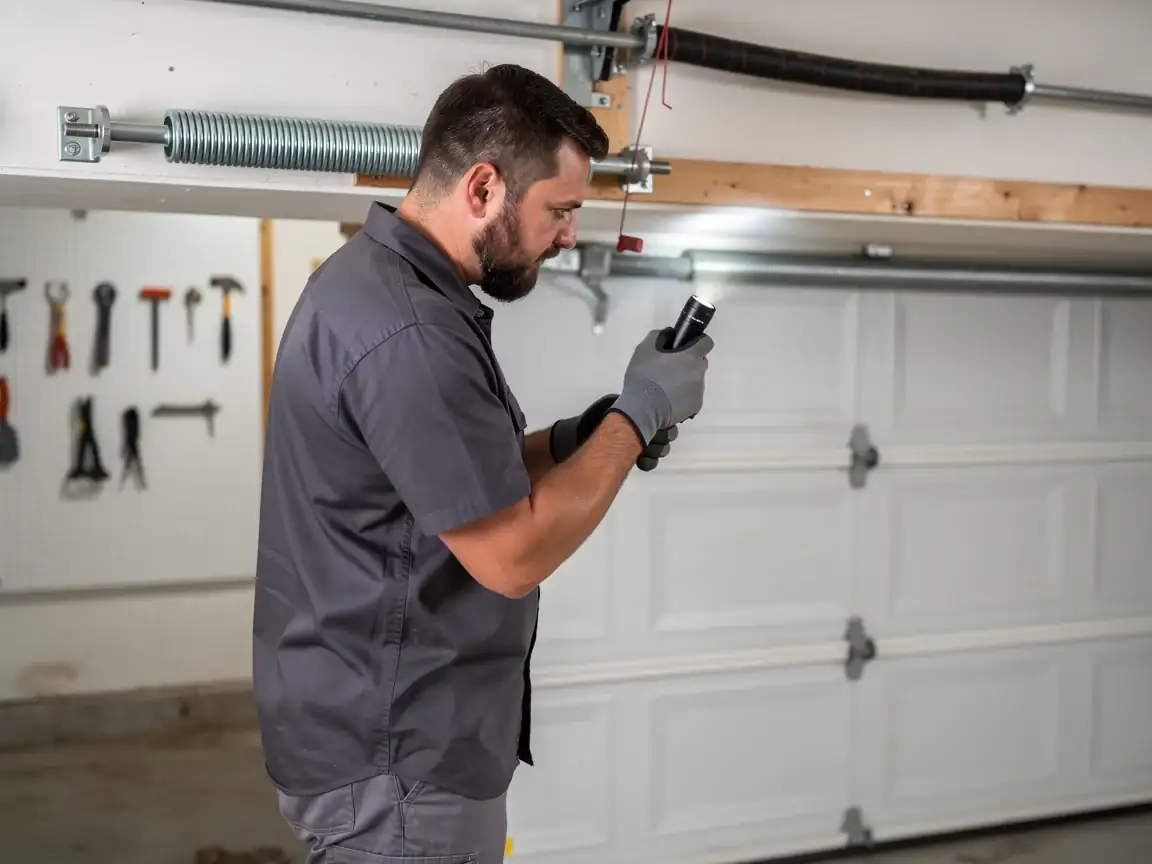
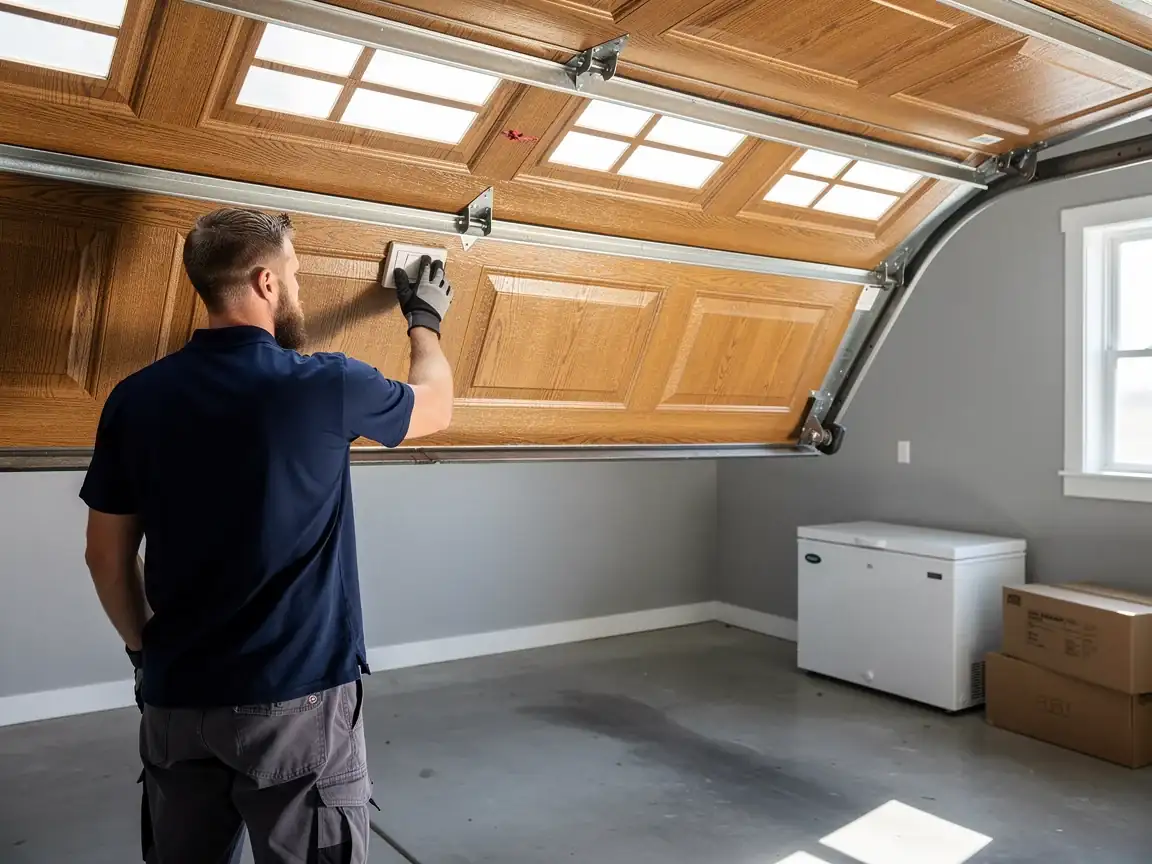
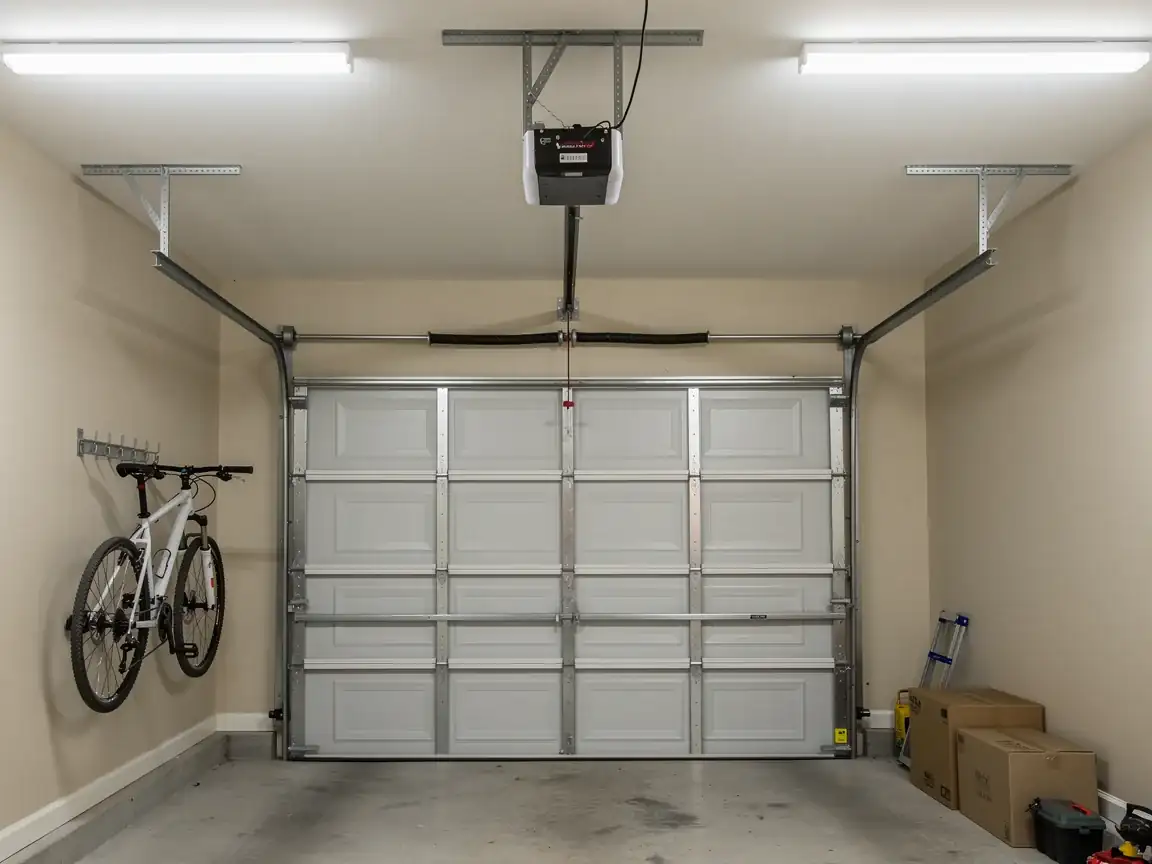
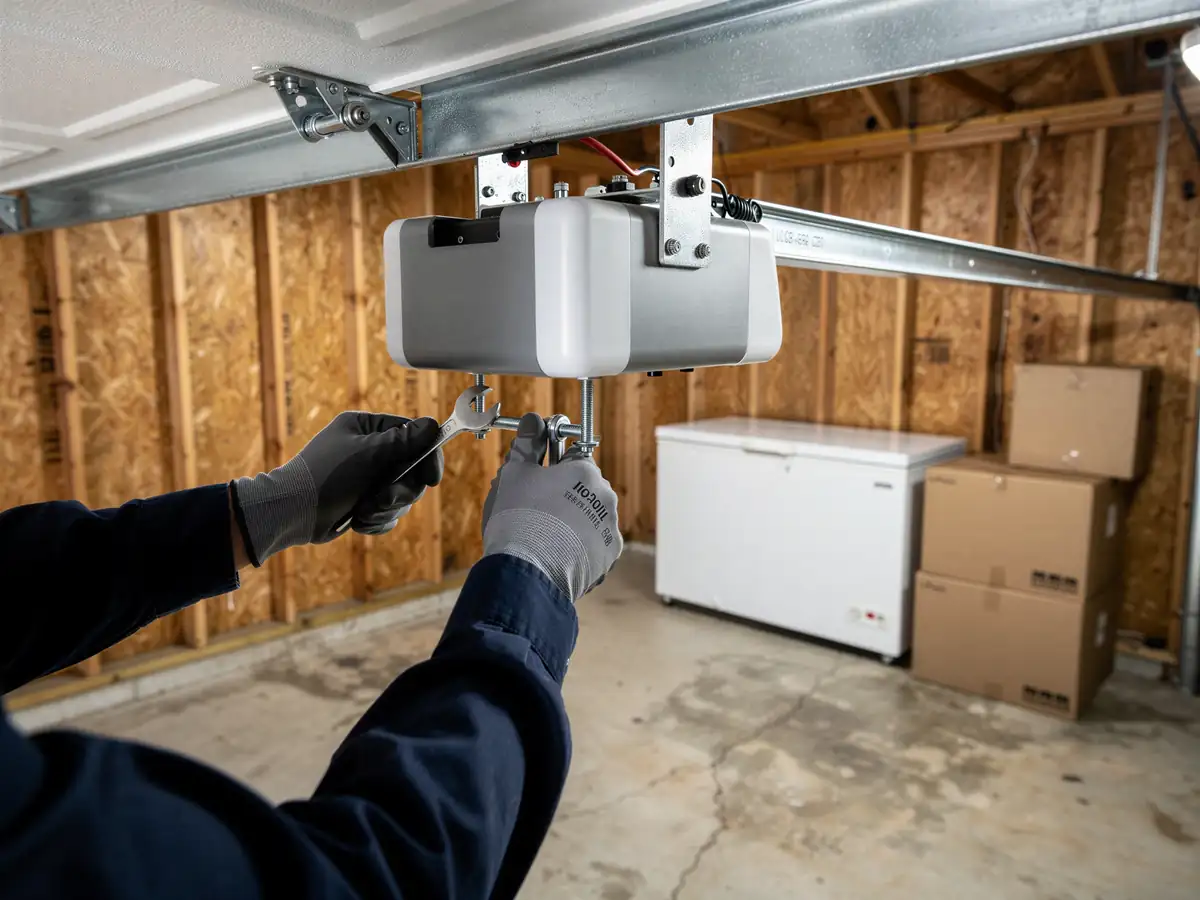
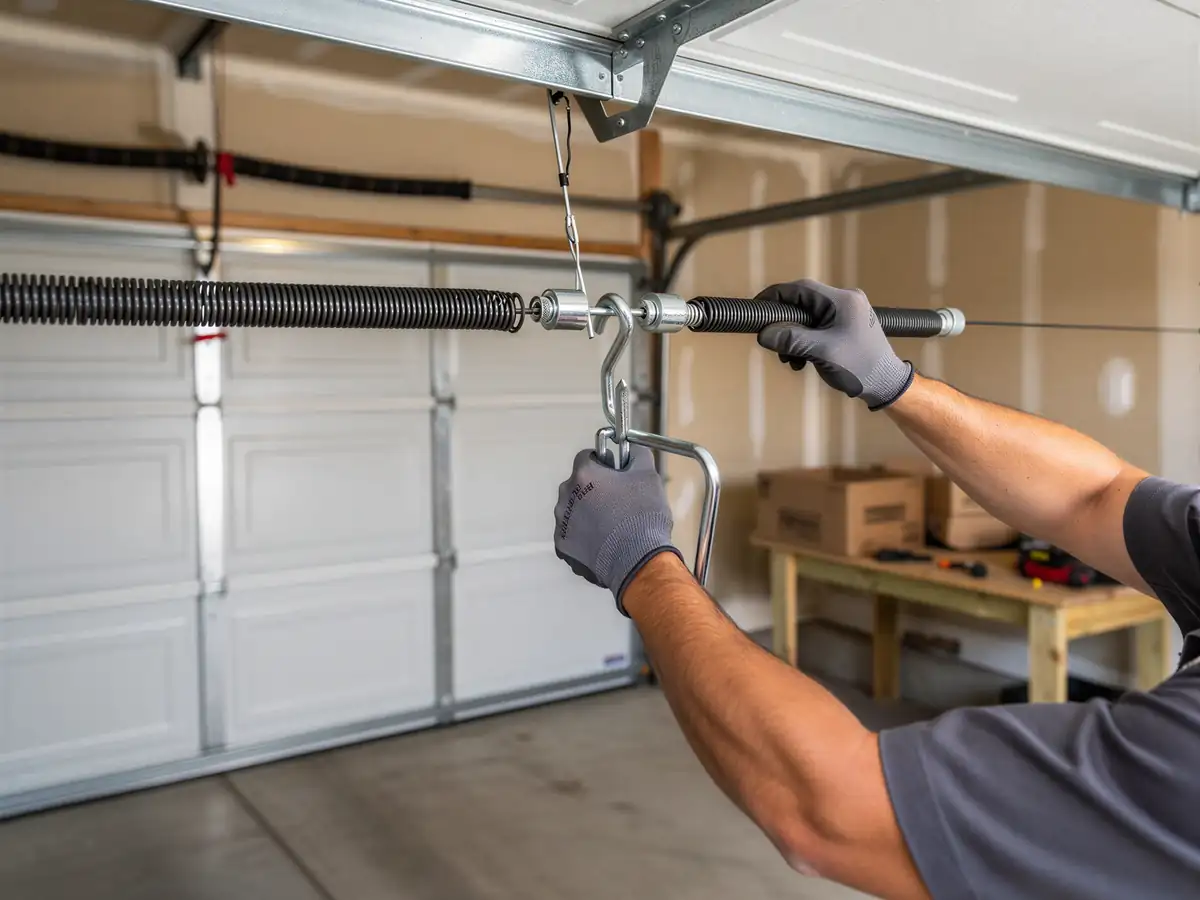
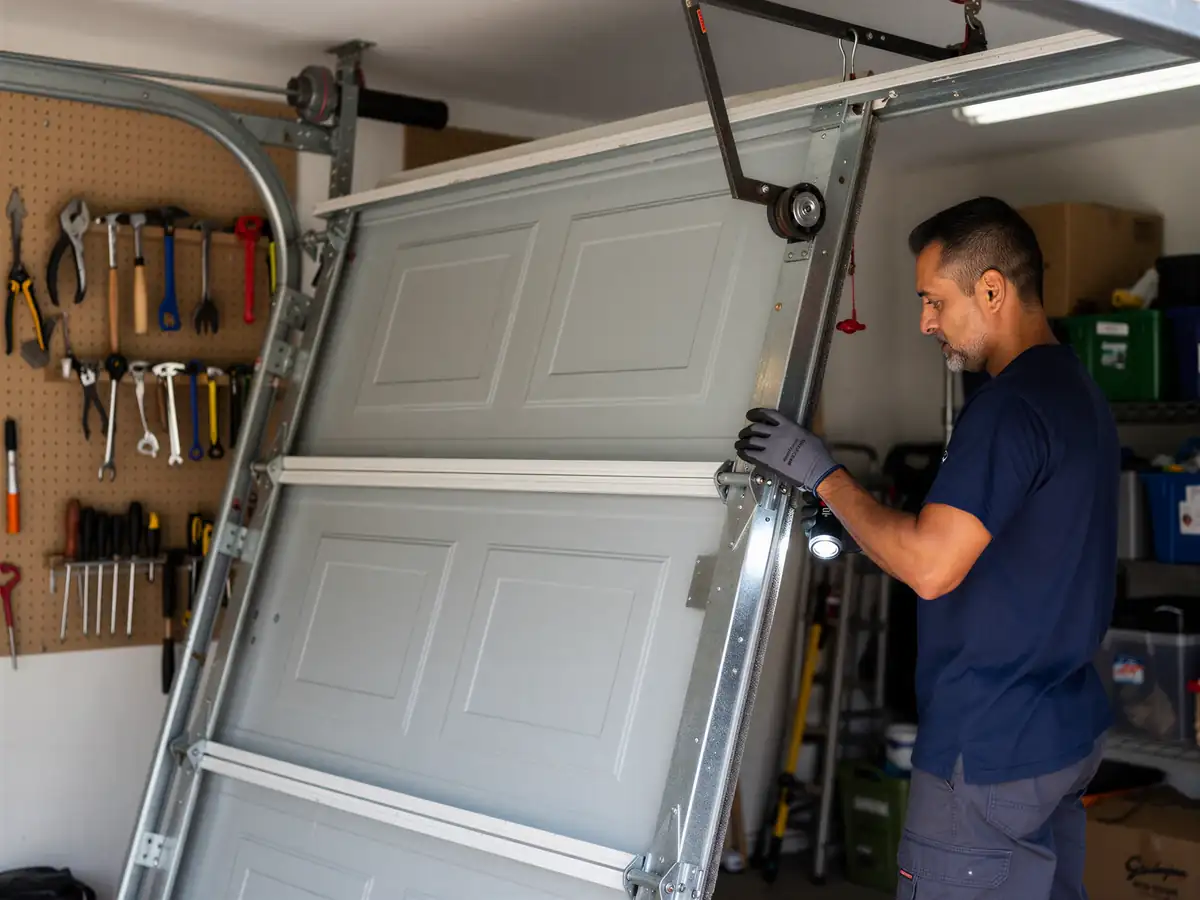
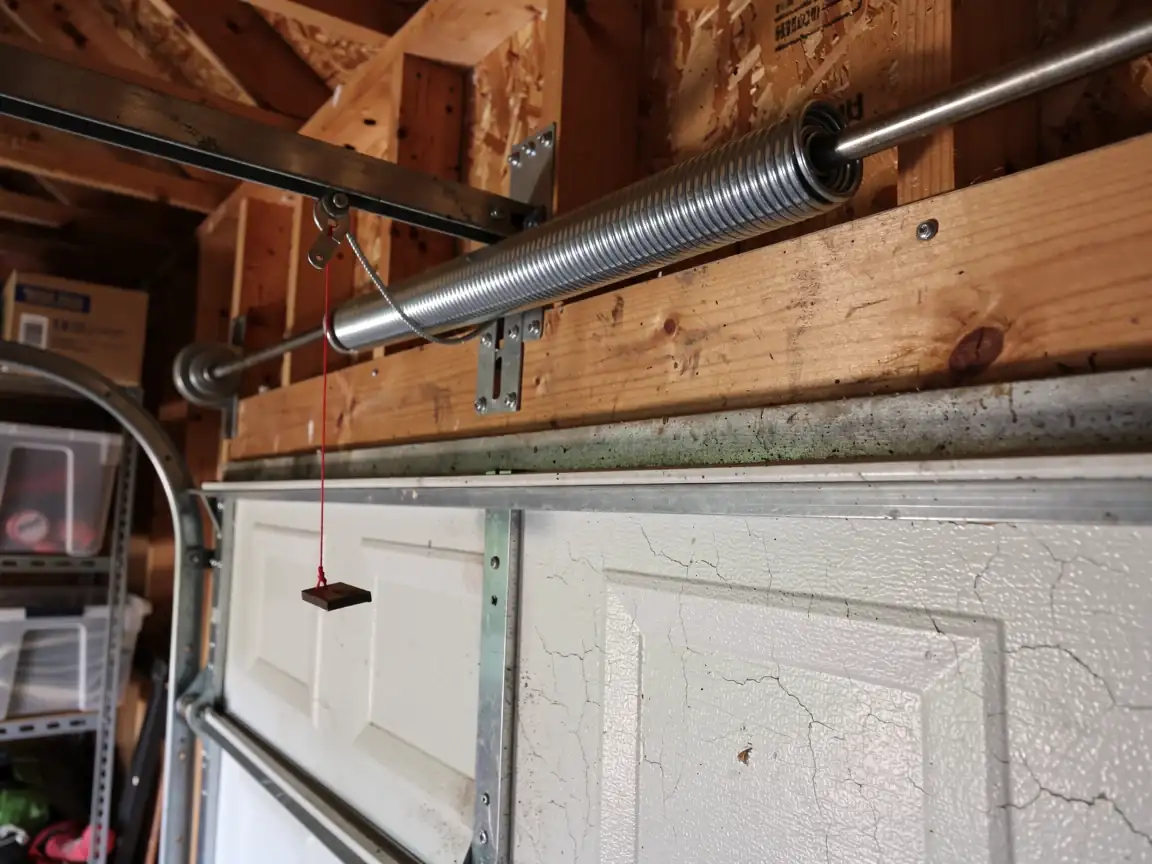
The call we get most from this part of Watauga is a door that groans before it moves, or an opener that strains and then reverses halfway up. Sometimes it's a loud bang followed by a door that won't lift at all - that's usually the torsion spring letting go. With median housing here built around 1993, and most of the stock dating from the 1980s and 90s, a lot of these doors are now carrying springs and opener gear sets that have simply used up their rated cycle life. A spring doesn't fail because it's old in years; it fails because it's been wound and unwound tens of thousands of times, and a 30-to-40-year-old door has had the time to get there. If your opener motor sounds like it's working harder than it used to, that's often the spring quietly giving up its share of the lift, and the motor compensating until it can't.
Why It Happens Here
Watauga sits in a moderate heat band, which doesn't sound dramatic, but it means the grease in an opener's gear housing and the lubricant on spring coils go through real seasonal swings every year, thickening and thinning rather than staying stable. That cycle speeds up wear in older mechanisms. Combine that with a housing stock where a large share of doors were installed during the 1980s and 90s building boom, and you get a lot of hardware crossing its expected service life around the same stretch of years. It's not that Watauga doors fail more dramatically than anywhere else - it's that so many of them were put in during the same couple of decades, so they're aging out in a cluster rather than one at a time.