What Was Built Here
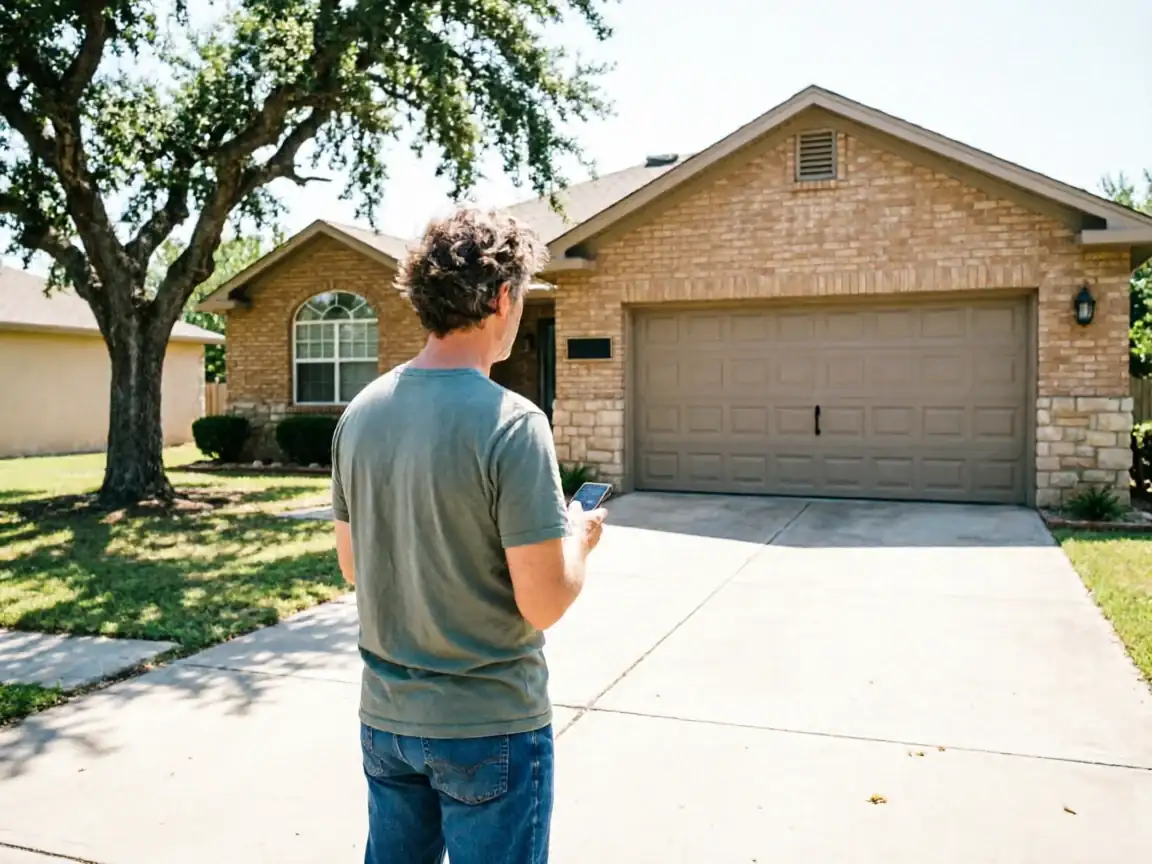
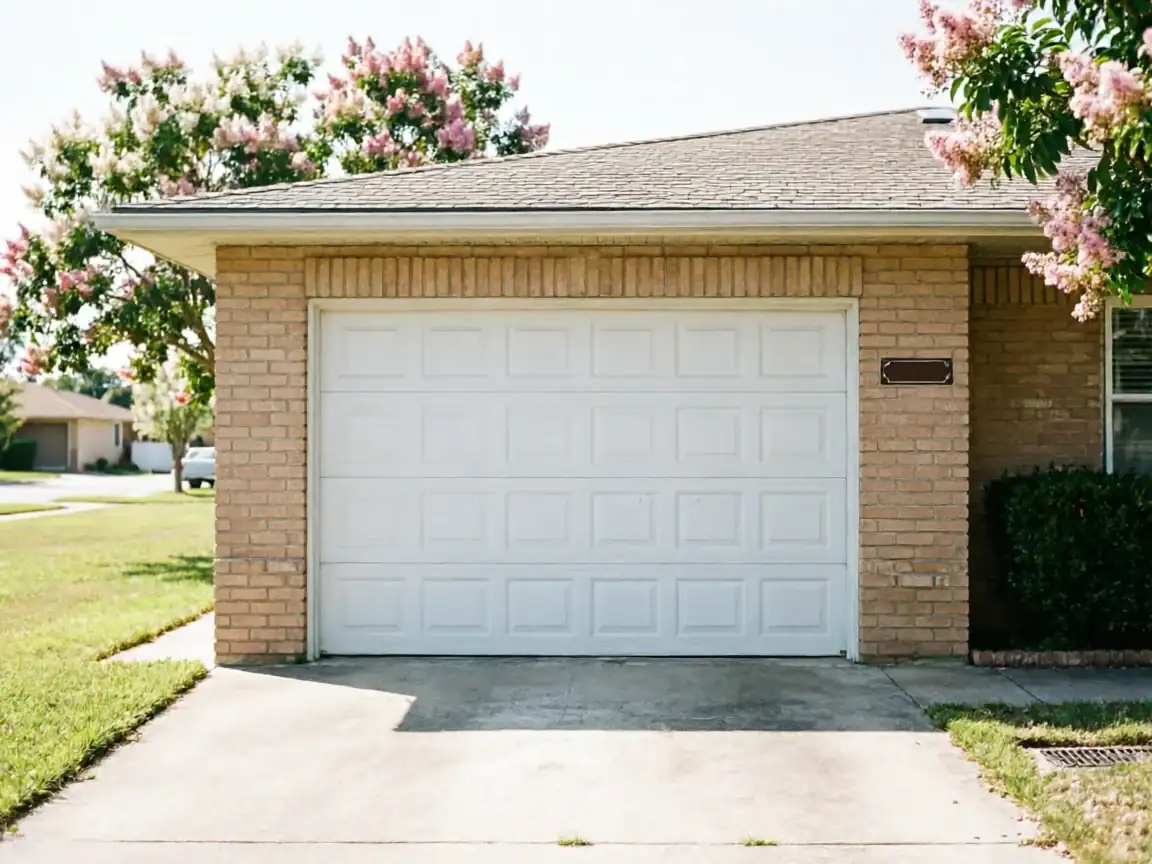
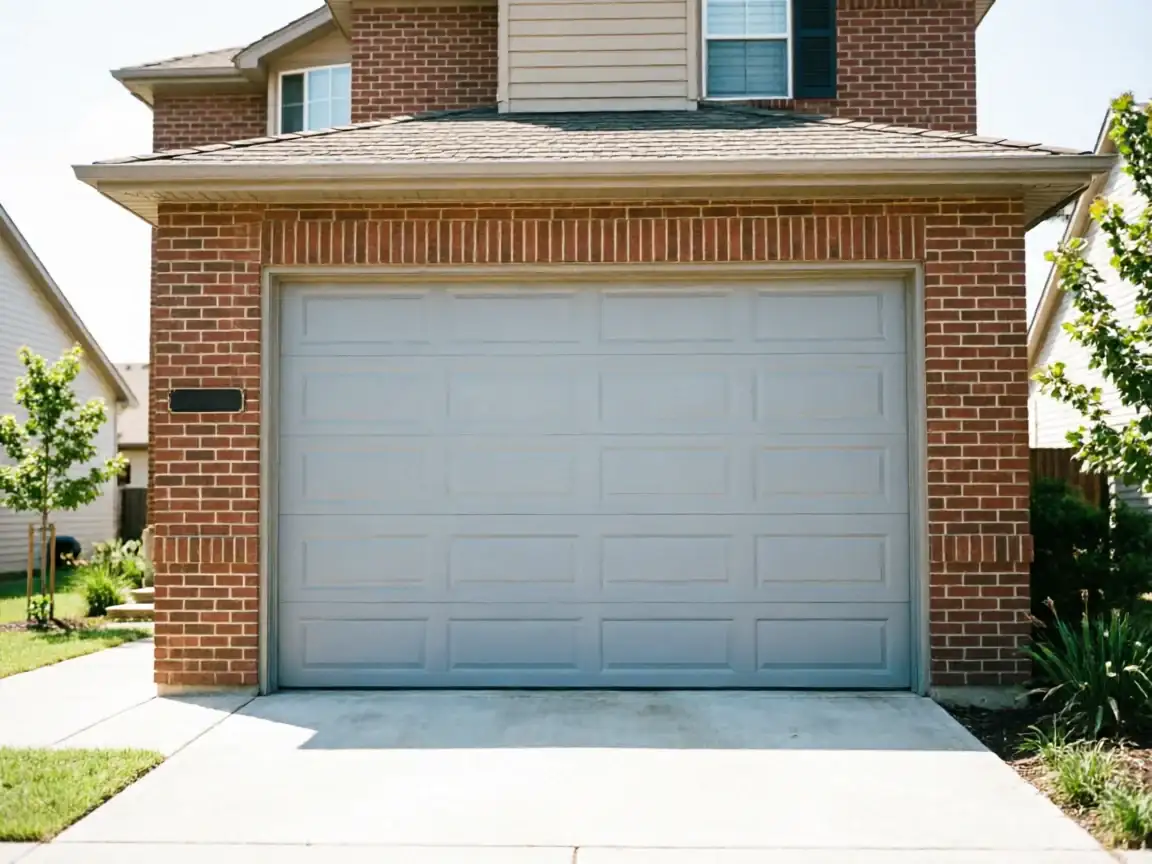
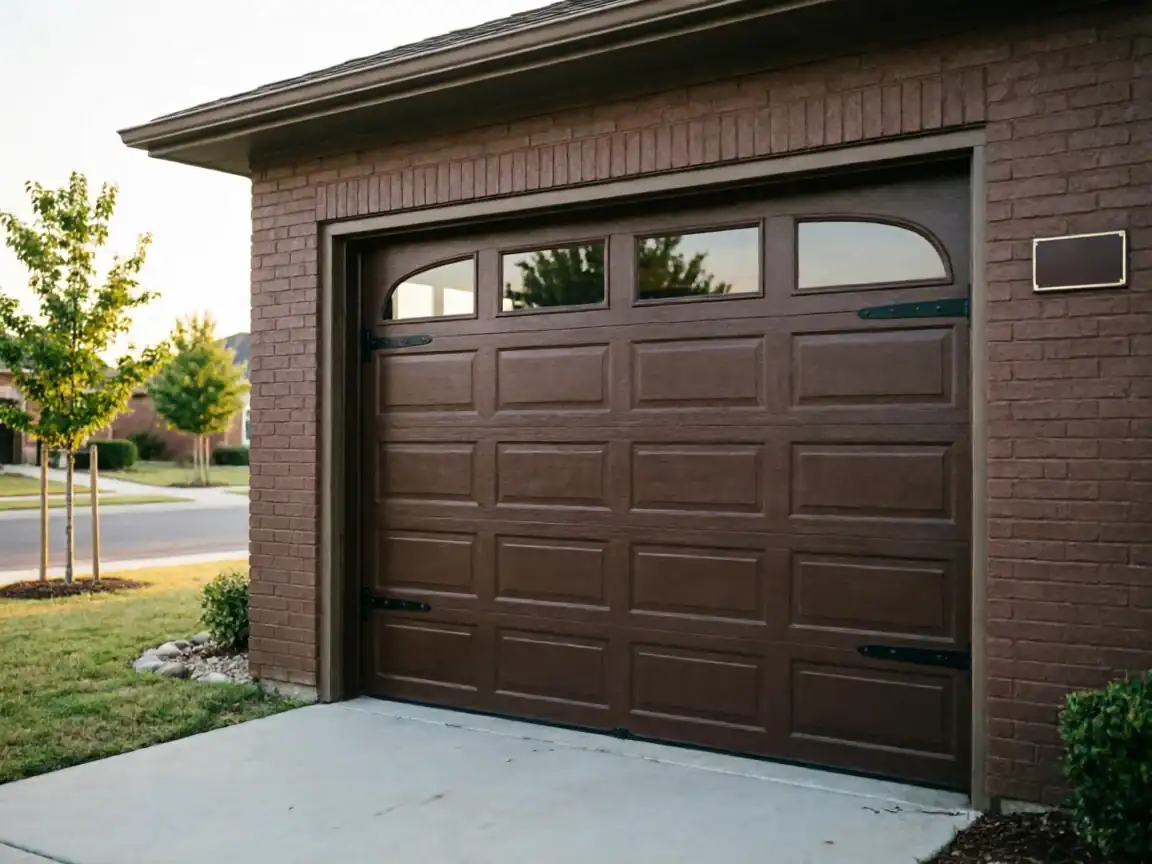
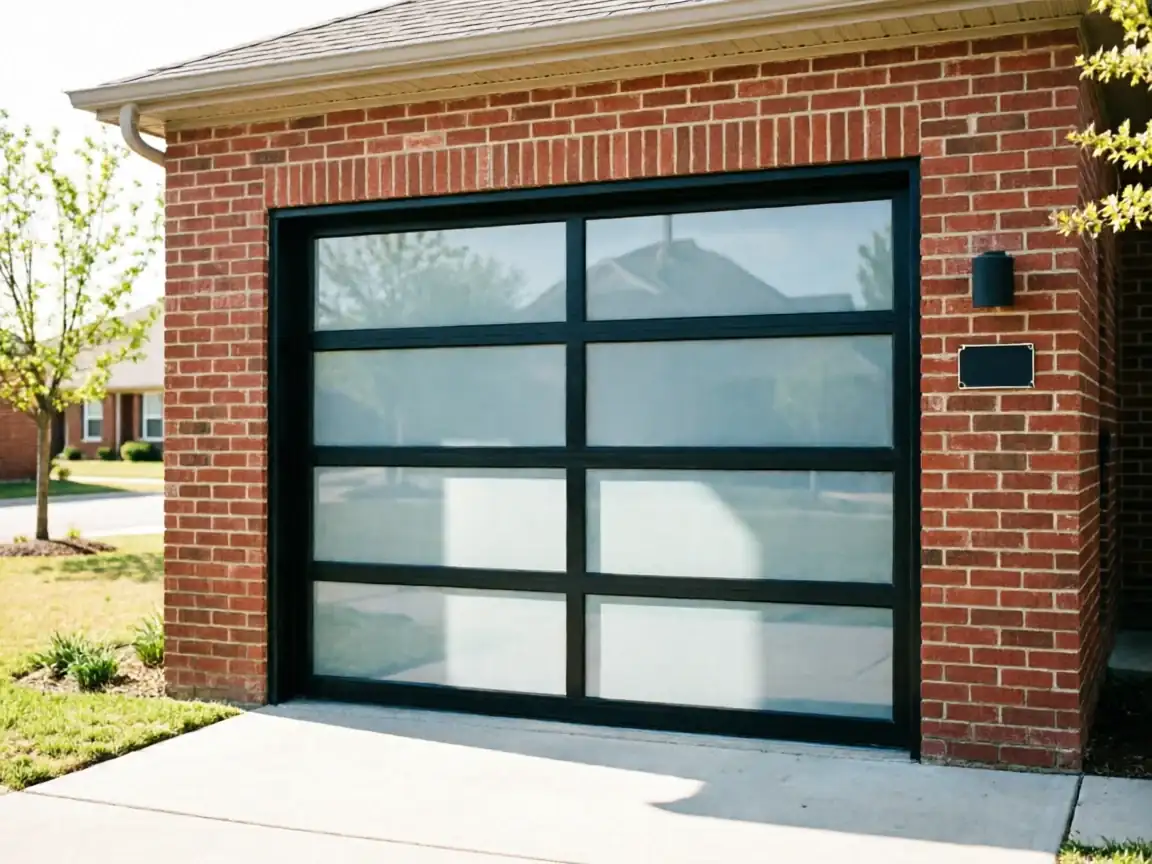
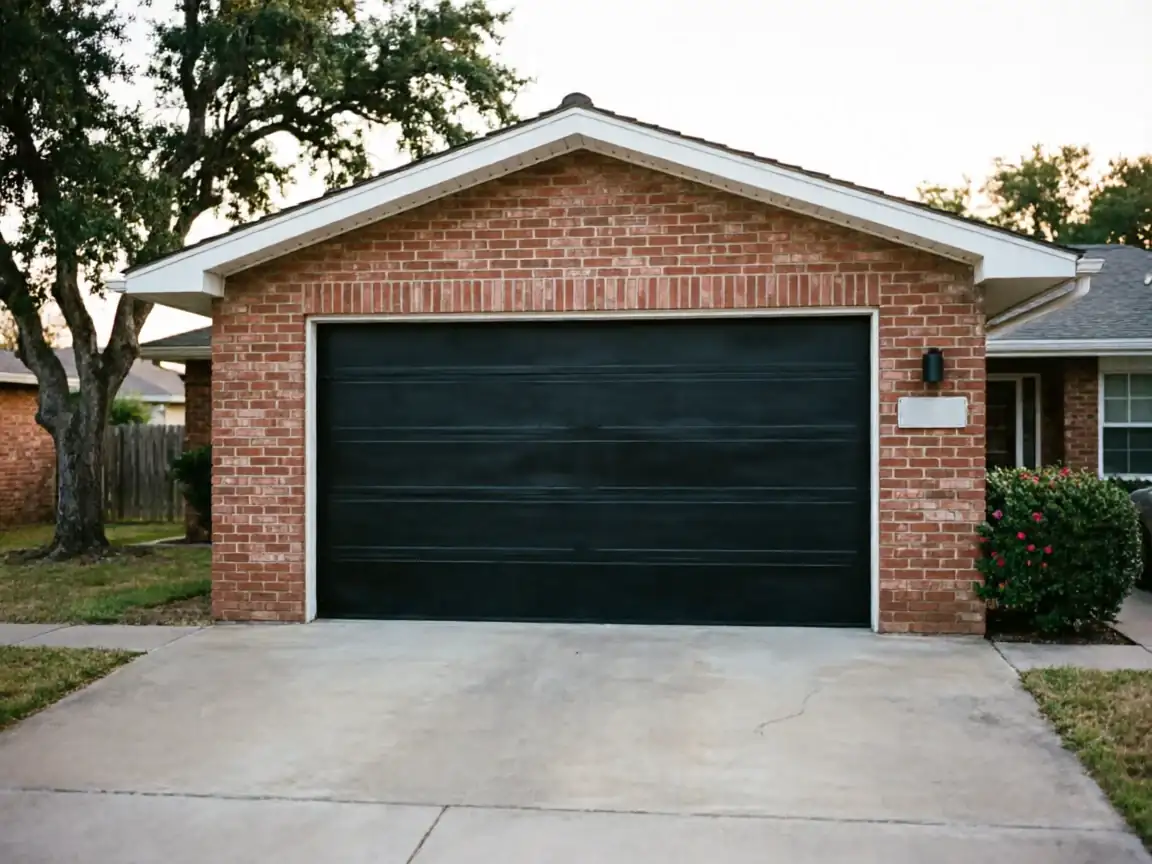
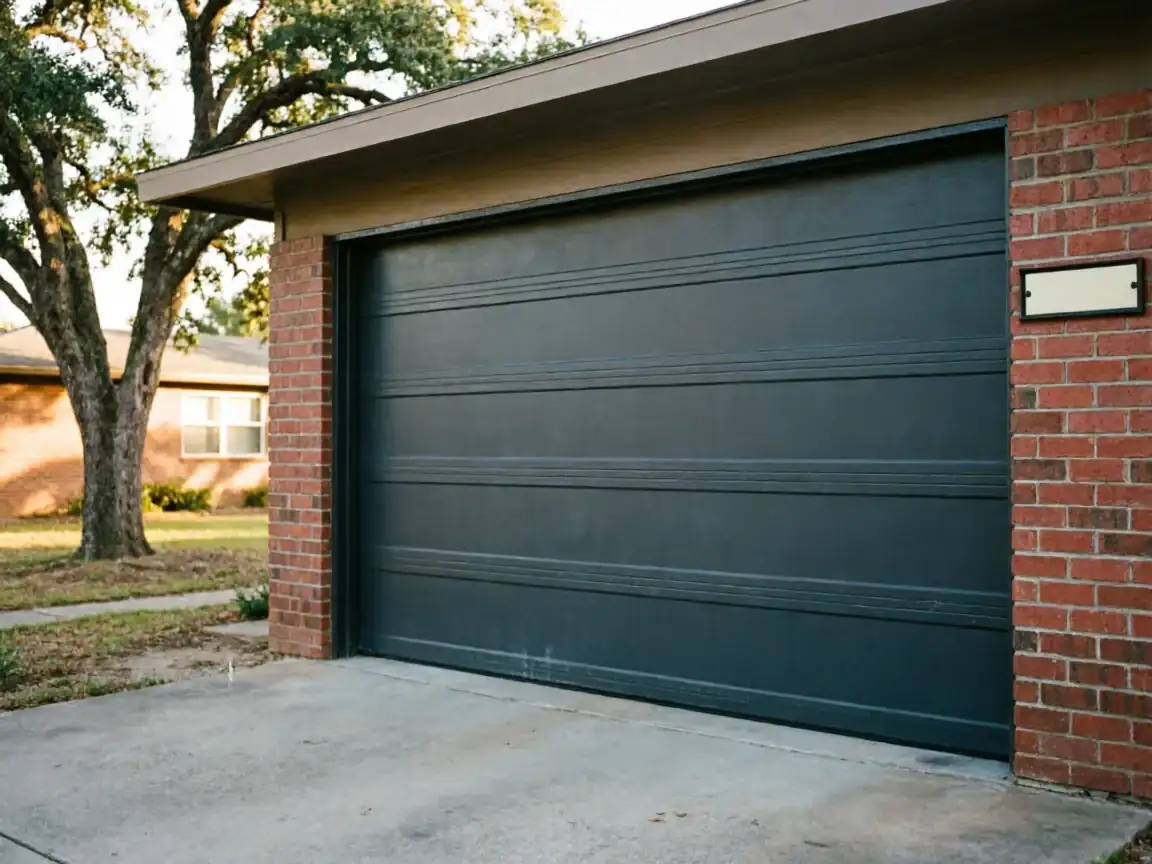
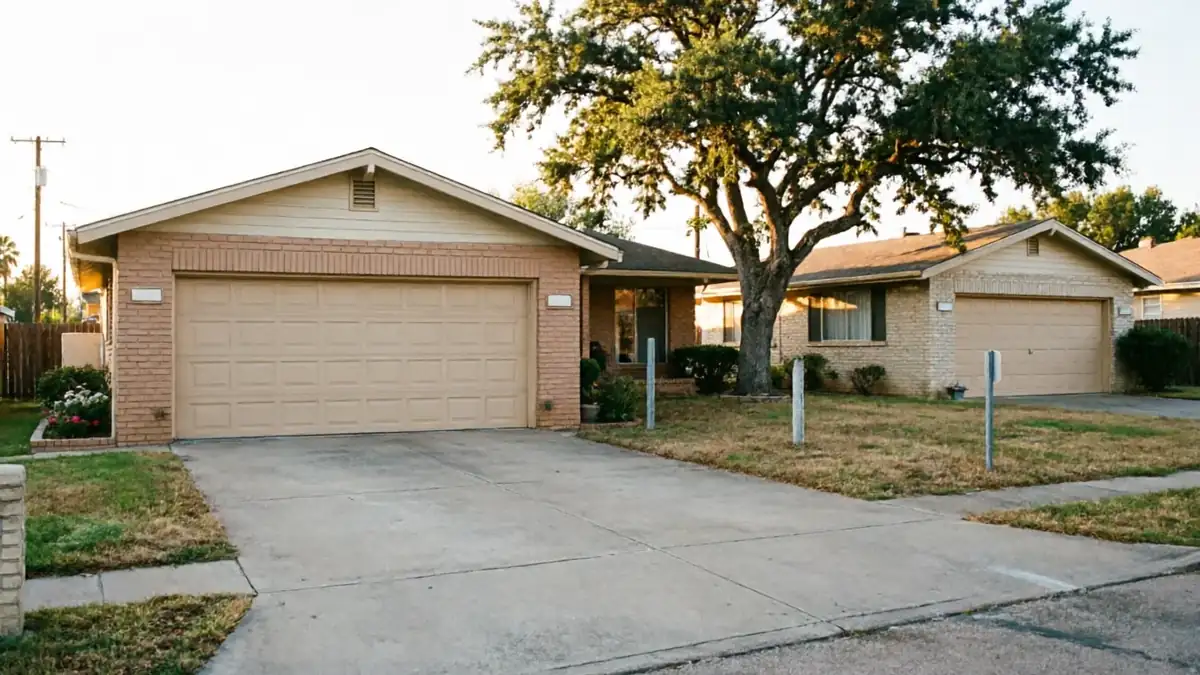
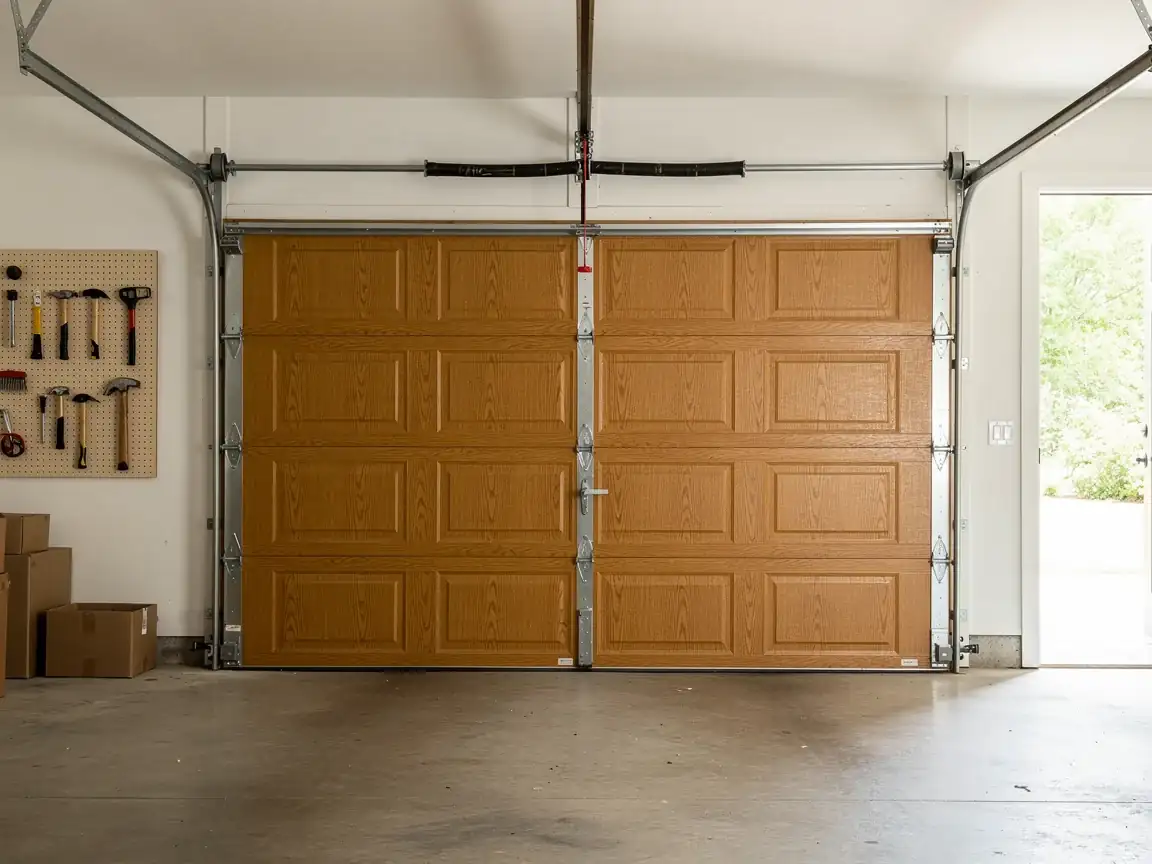
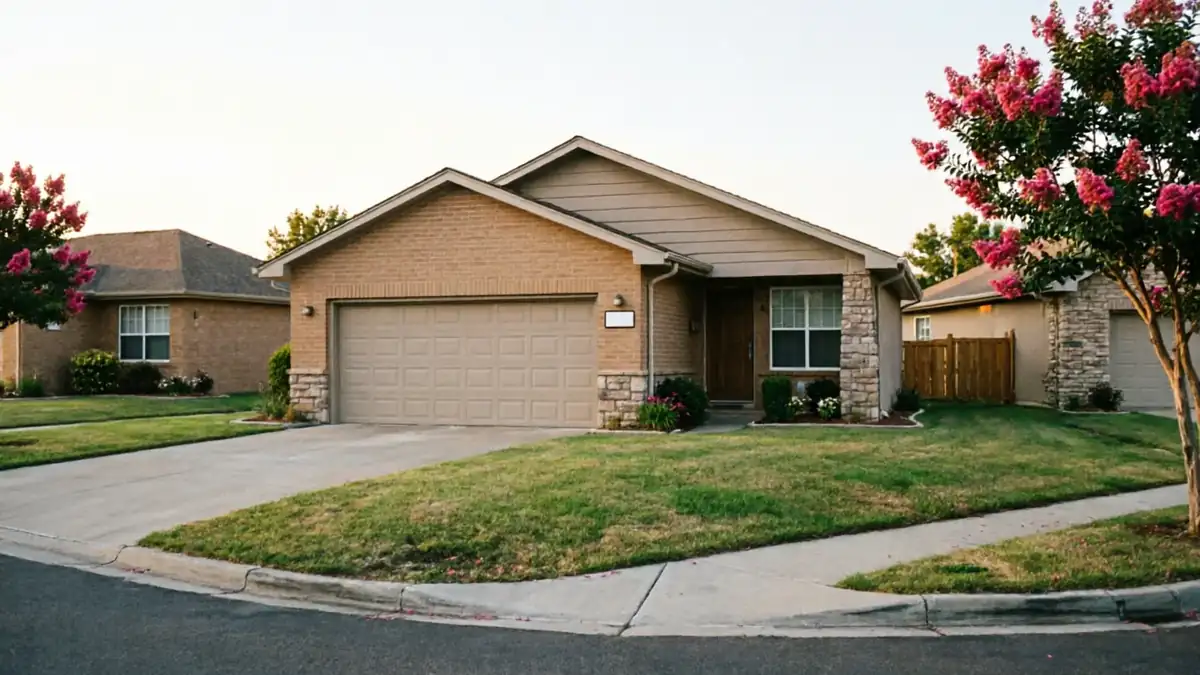
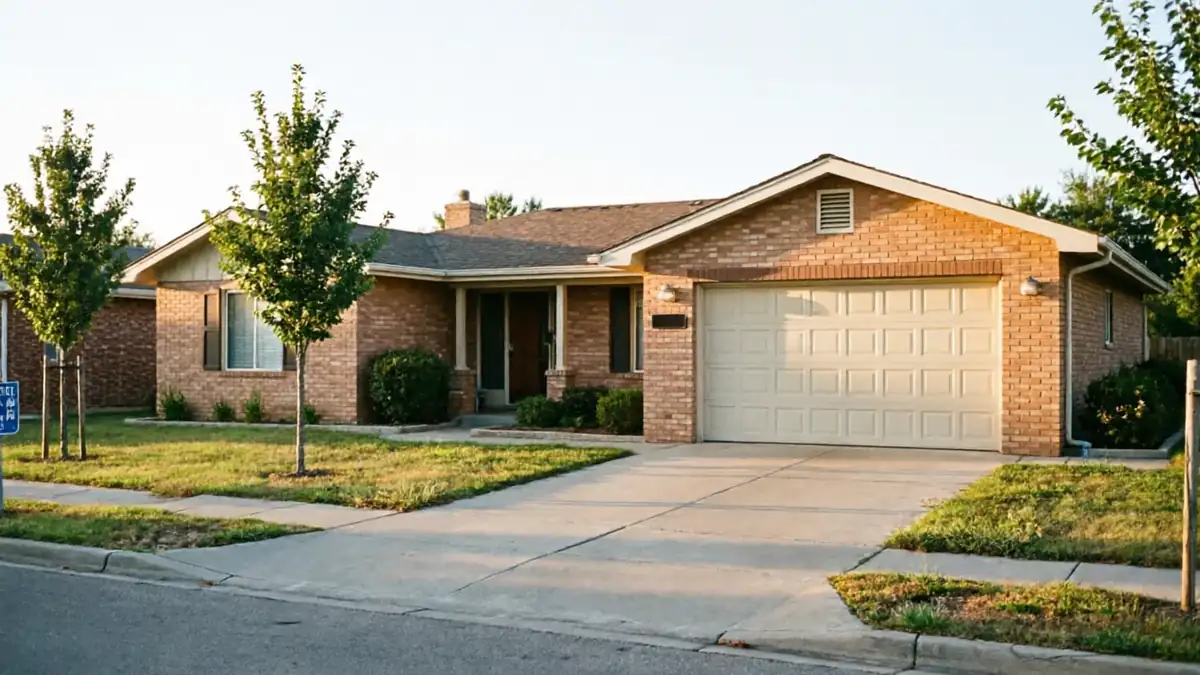
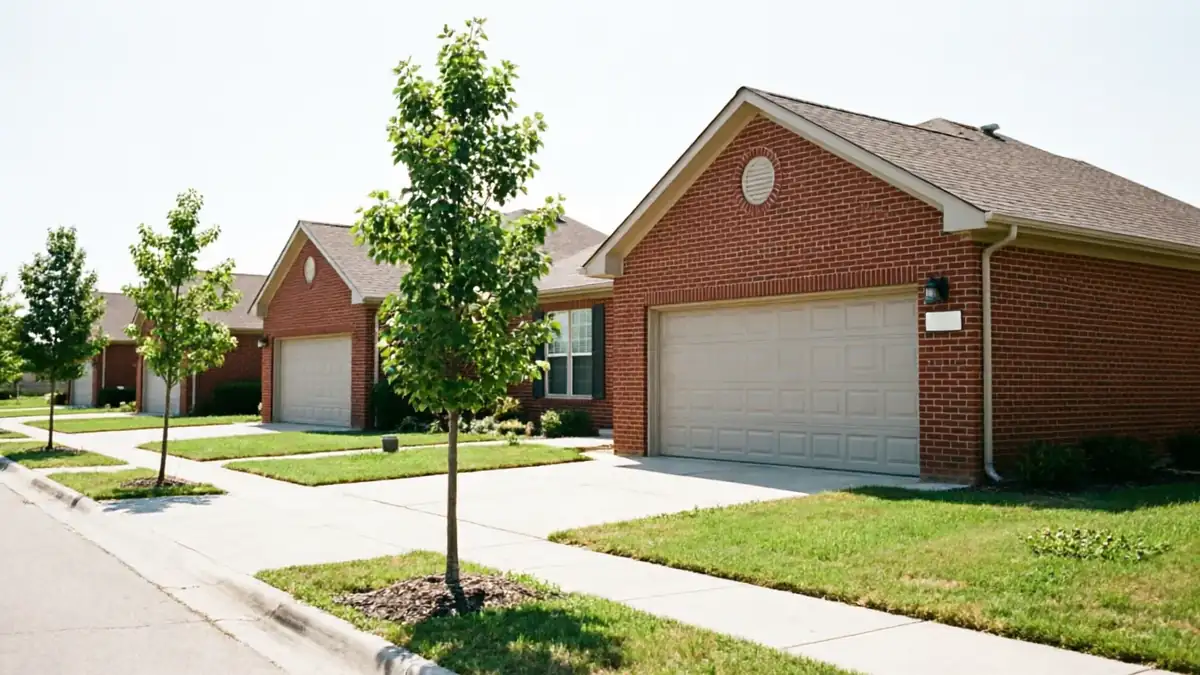
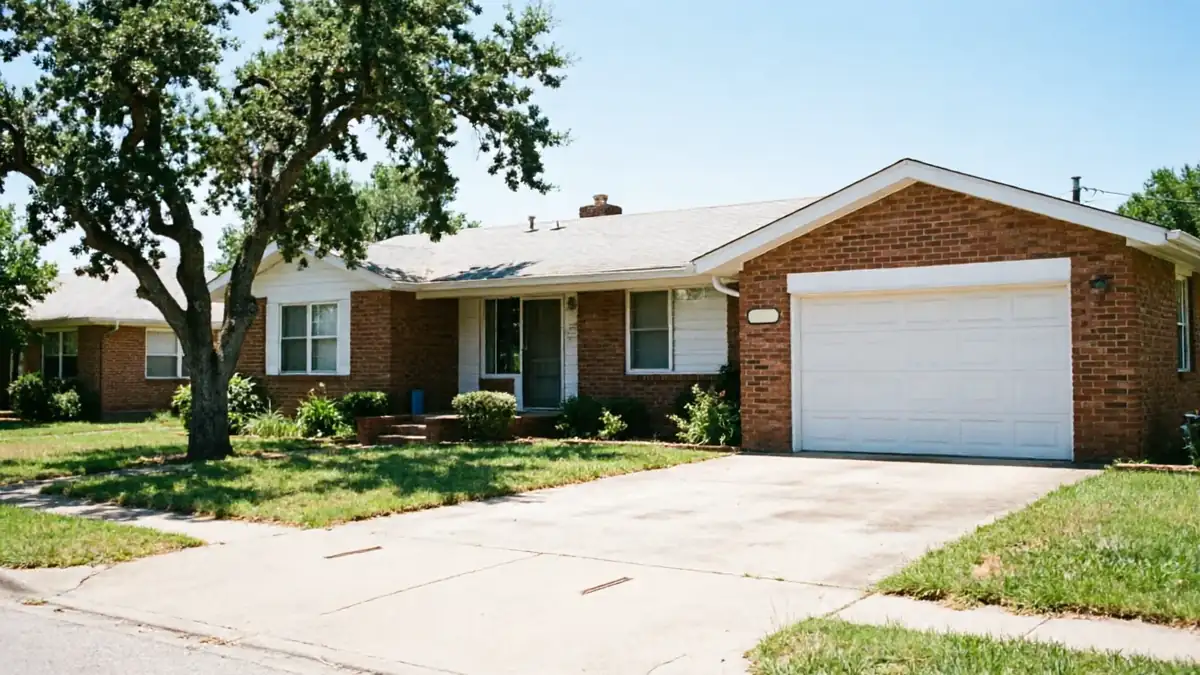
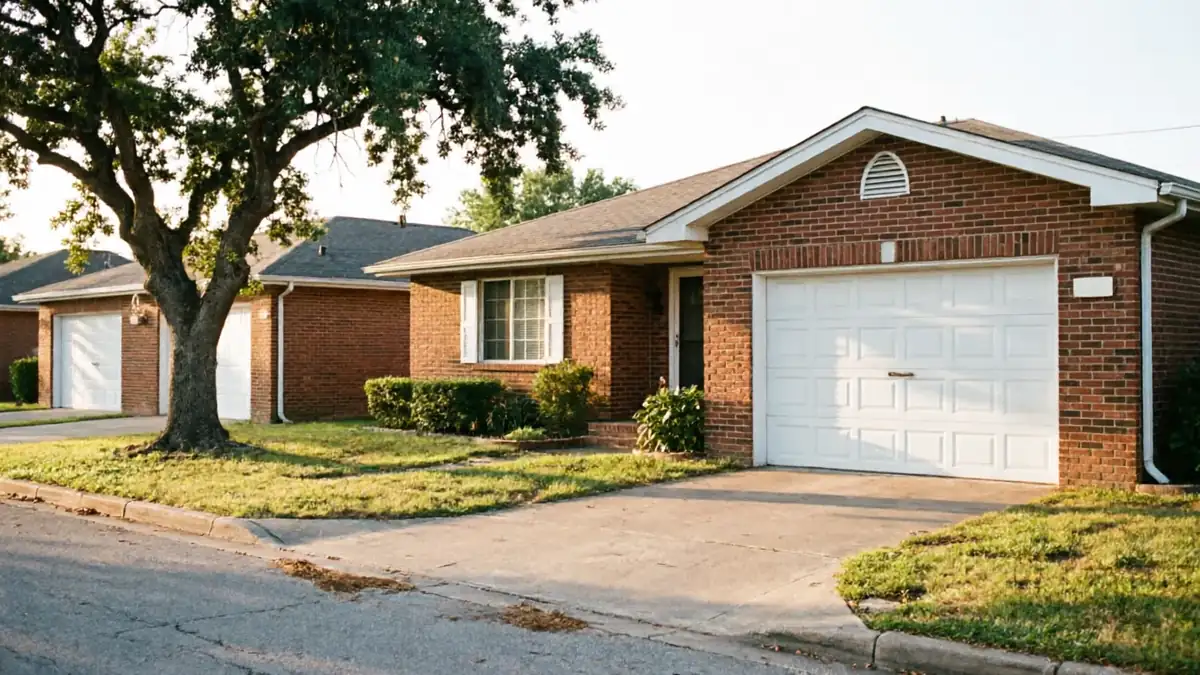
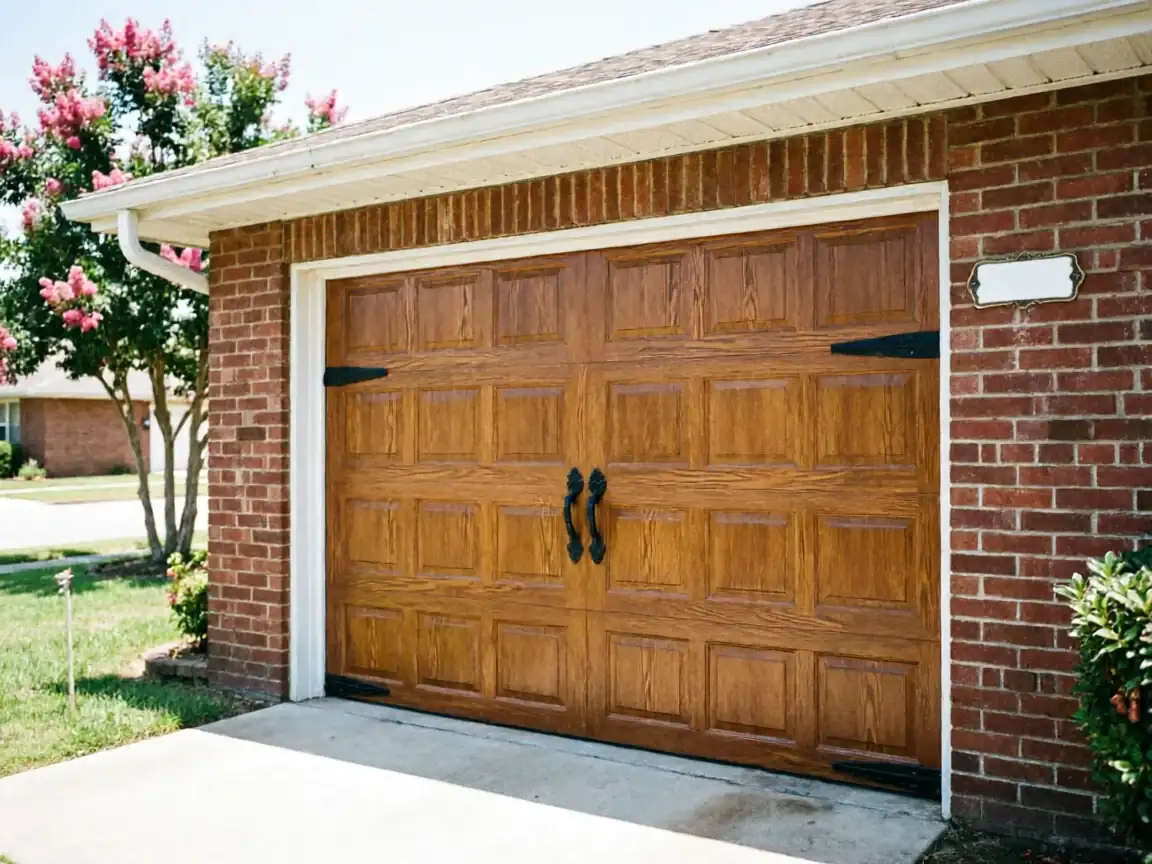
Lantana skews a lot newer than most of the areas we cover out of Watauga. The median build year here is 2007, which puts the bulk of the housing stock almost fifteen years past the 1993 median for the wider service area. That matters because a 2007-era house wasn't built with the same garage hardware as something from the 80s or 90s. You're looking at wider double doors as standard, insulated steel or composite panels instead of thin single-layer steel, and openers with rolling-code remotes and safety sensors built in from the start rather than bolted on later. With 3,920 households in the area and a median income of $200,147, a fair number of these garages also carry heavier doors - two-car, full insulated, sometimes with windows - which changes the spring weight you need and the kind of bracket failures we see.
This isn't a neighborhood of original 1960s one-piece doors on side-mount torsion bars. Whatever hardware is on your garage was almost certainly installed by a production builder in the 2000s or later, which means parts are still in normal production - a real advantage when something breaks.
What That Means for Doors
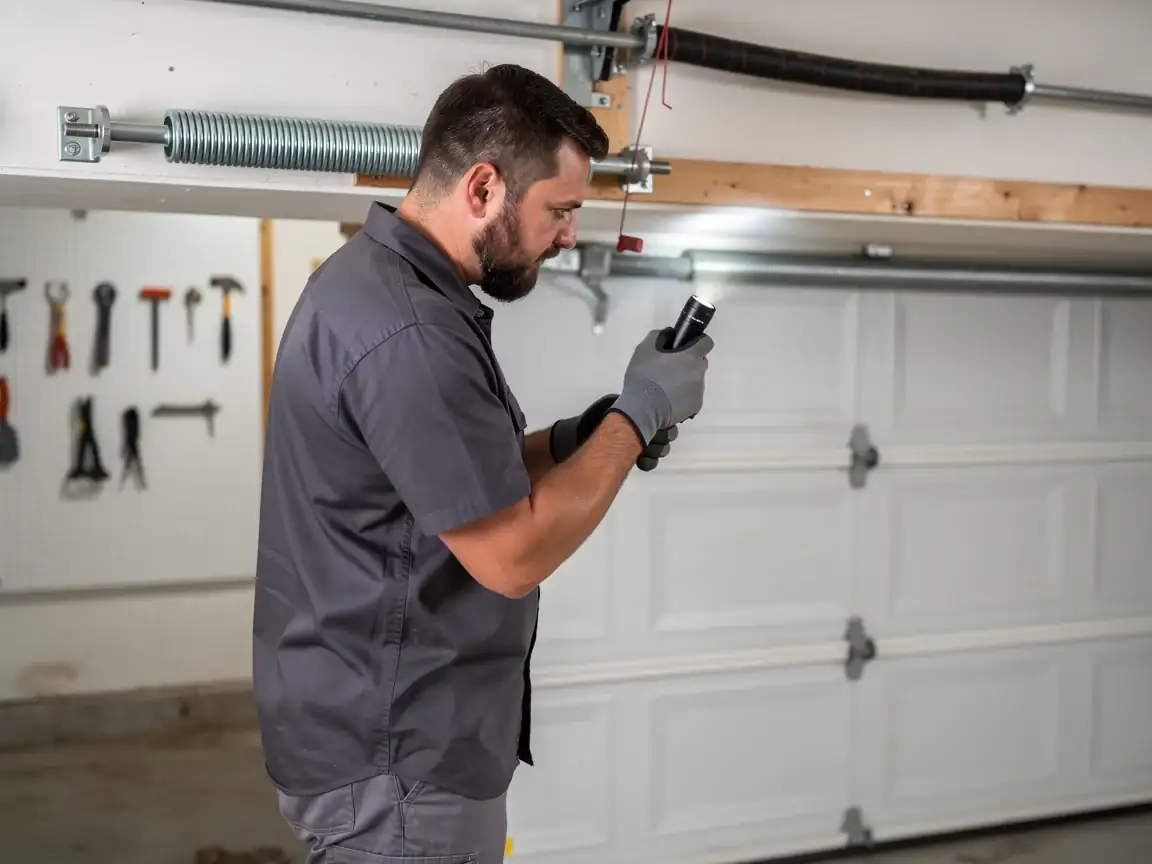
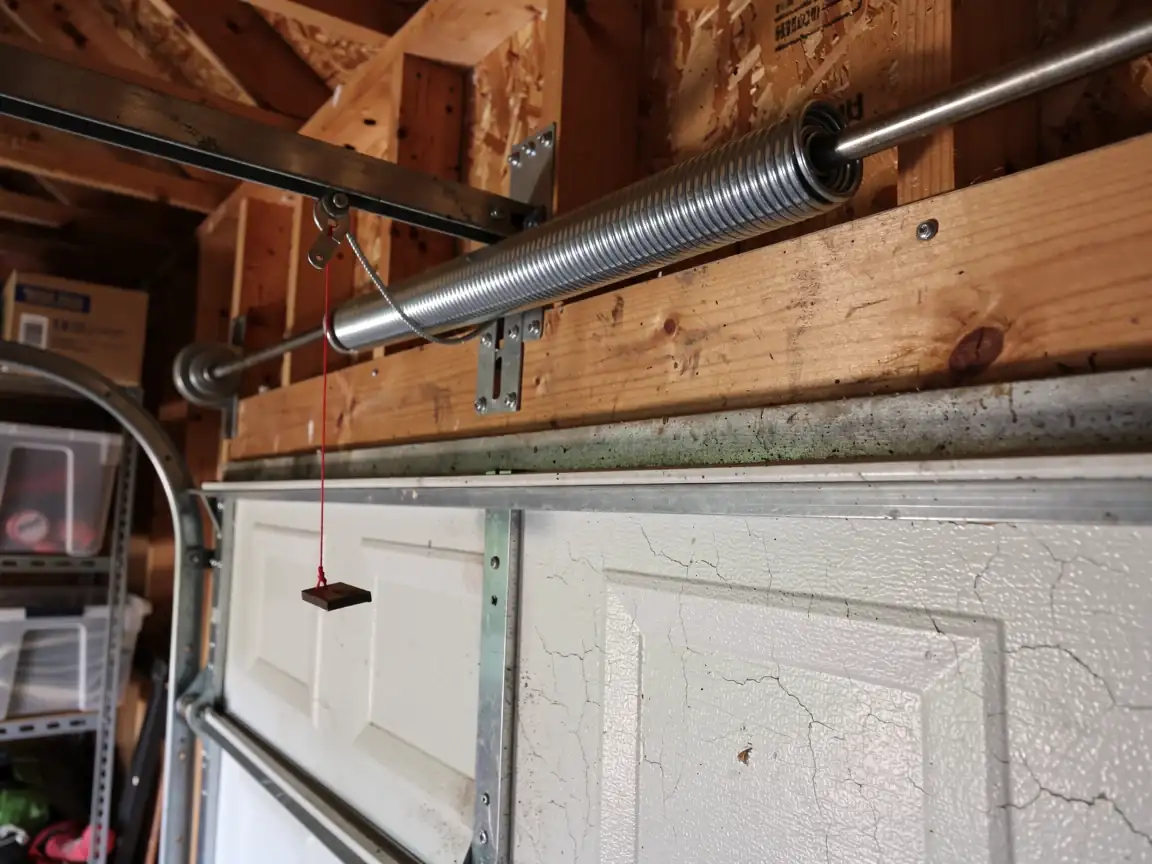
Newer doors fail differently than old ones. On a 2007-era double door, the torsion springs are sized for a heavier insulated panel, so when one goes it tends to go loud and sudden rather than slowly losing tension the way older single-layer doors do. We also see more opener-side issues here - circuit boards, sensor alignment, and remote programming - because these homes came with integrated opener systems from day one instead of an aftermarket unit added ten or twenty years later.
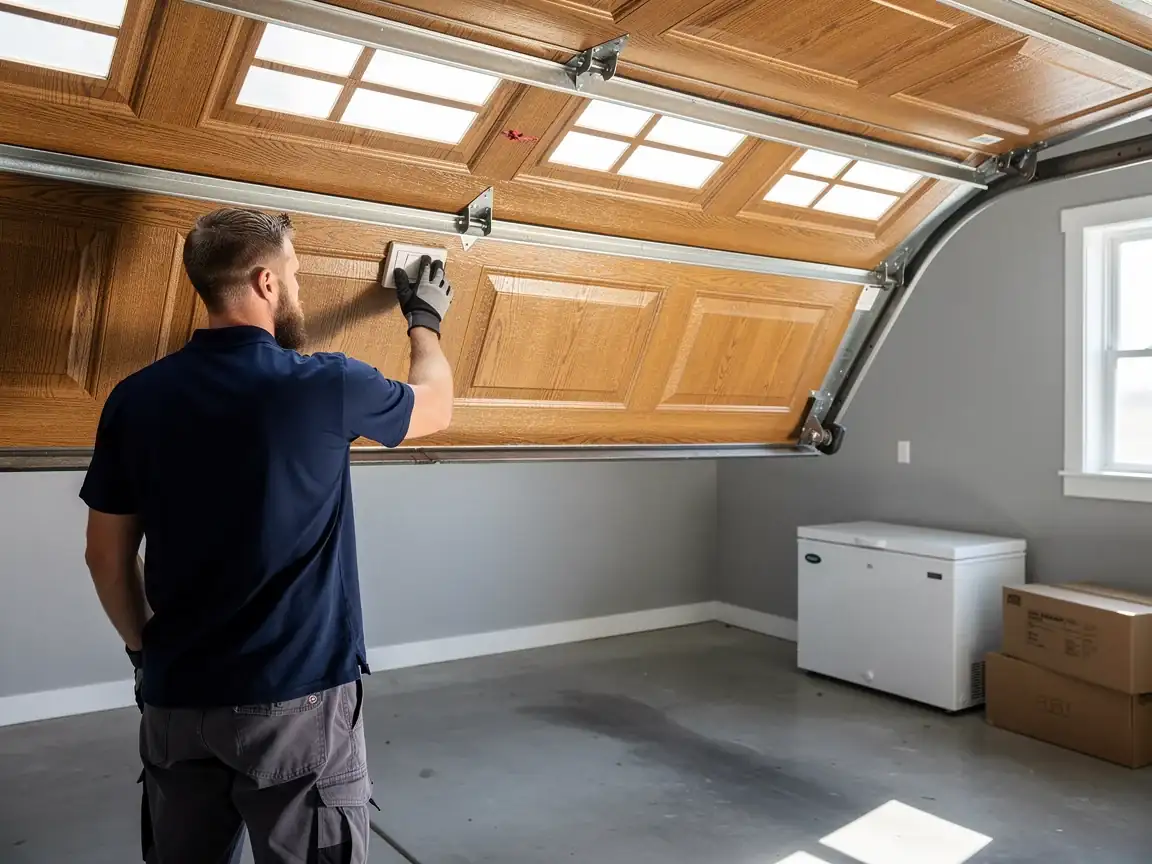
Where the stock is newer, cables and rollers have usually seen less total cycle count for their age, so you're less likely to be replacing a track from pure wear and more likely dealing with something that was installed slightly wrong the first time - a misaligned sensor bracket, an opener force setting that's been off since the builder walk-through, a spring that was undersized for the panel. One honest limitation: if a panel on a newer insulated door gets dented or cracked, matching it exactly can take time, since these are often specific builder-spec panels rather than a universal stock size - sometimes replacing the full door section is faster than waiting on a single matching panel.
Timing on This Area
Because most doors in Lantana are 2007 or newer, you're not yet in the zone where springs fail just from age
A torsion spring rated for 10,000 cycles on a well-balanced door can run a long time before it's due. What we see instead tends to be isolated: a single bad capacitor on the opener board, a sensor knocked out of alignment by a bike or a trailer hitch, a cable that frayed because the drum was never seated right at install. These are one-off calls, not the kind of area-wide wave of spring replacements you'd get on 1990s housing stock.
That said, insulated doors from this era are now entering their second decade
And weatherstripping and bottom seals are a normal wear item regardless of how new the door is. If your door feels heavier to lift by hand than it used to, or the opener strains and reverses partway up, that's usually a spring losing tension - worth a call before it snaps under load.
The Drive Over
We run out of Watauga, and Lantana sits about 17 miles out - one of the longer drives in our coverage area. We don't keep a depot or crew stationed in Lantana itself; every job here means a truck making that trip from Watauga, so we schedule the visit rather than promising a walk-up response. It's worth saying plainly: for an emergency like a door stuck open overnight, factor in that 17-mile drive when you're thinking about timing.
What that distance doesn't change is the stock on the truck. Springs sized for insulated double doors, opener boards and sensors that match 2000s-and-newer production hardware, and the sealant and weatherstripping that newer builder-grade doors use - all standard parts, not specialty items, so the drive is the only real variable here.