Booking a Visit
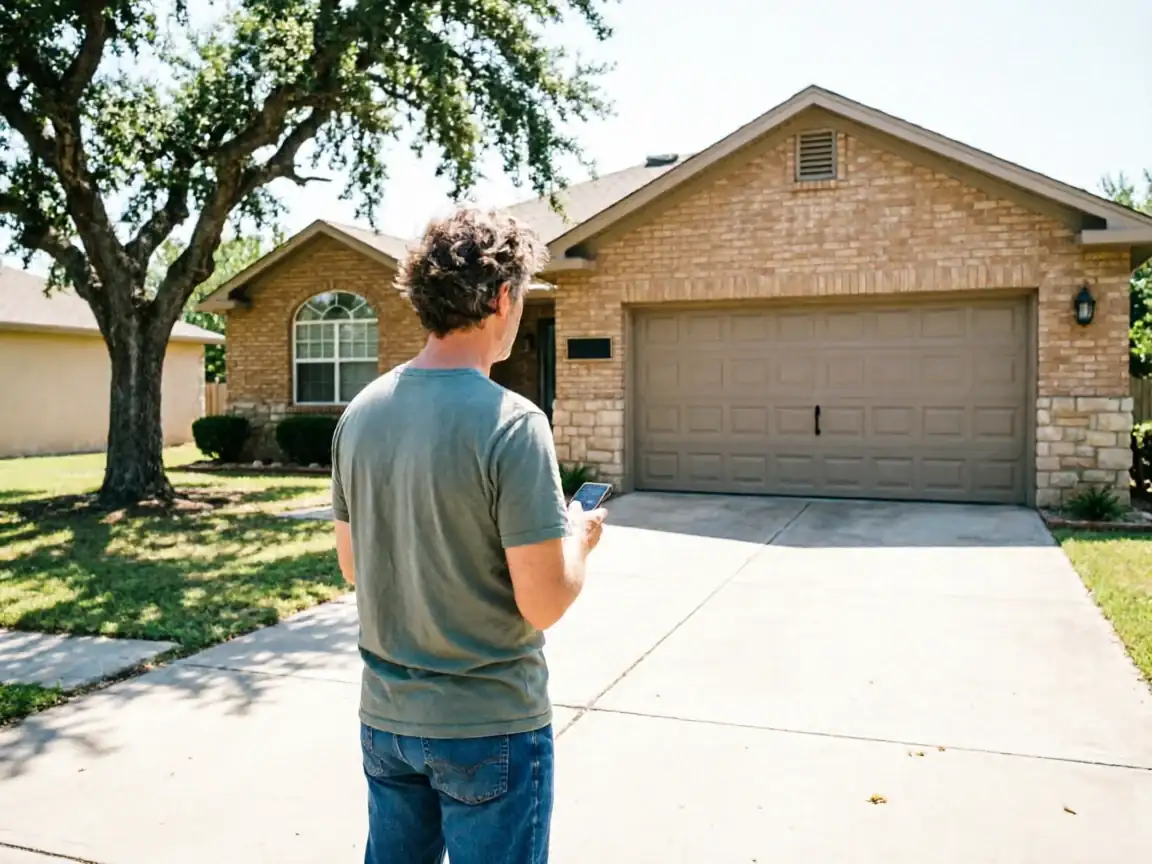
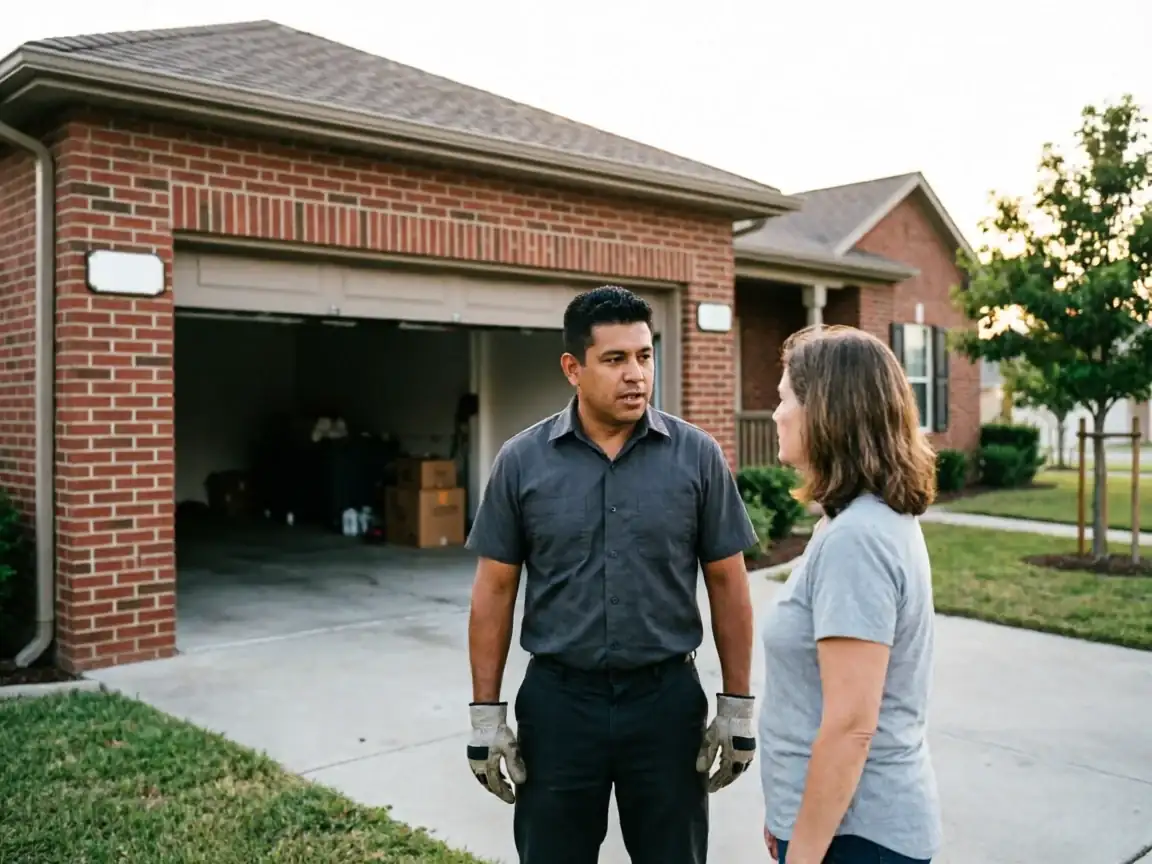
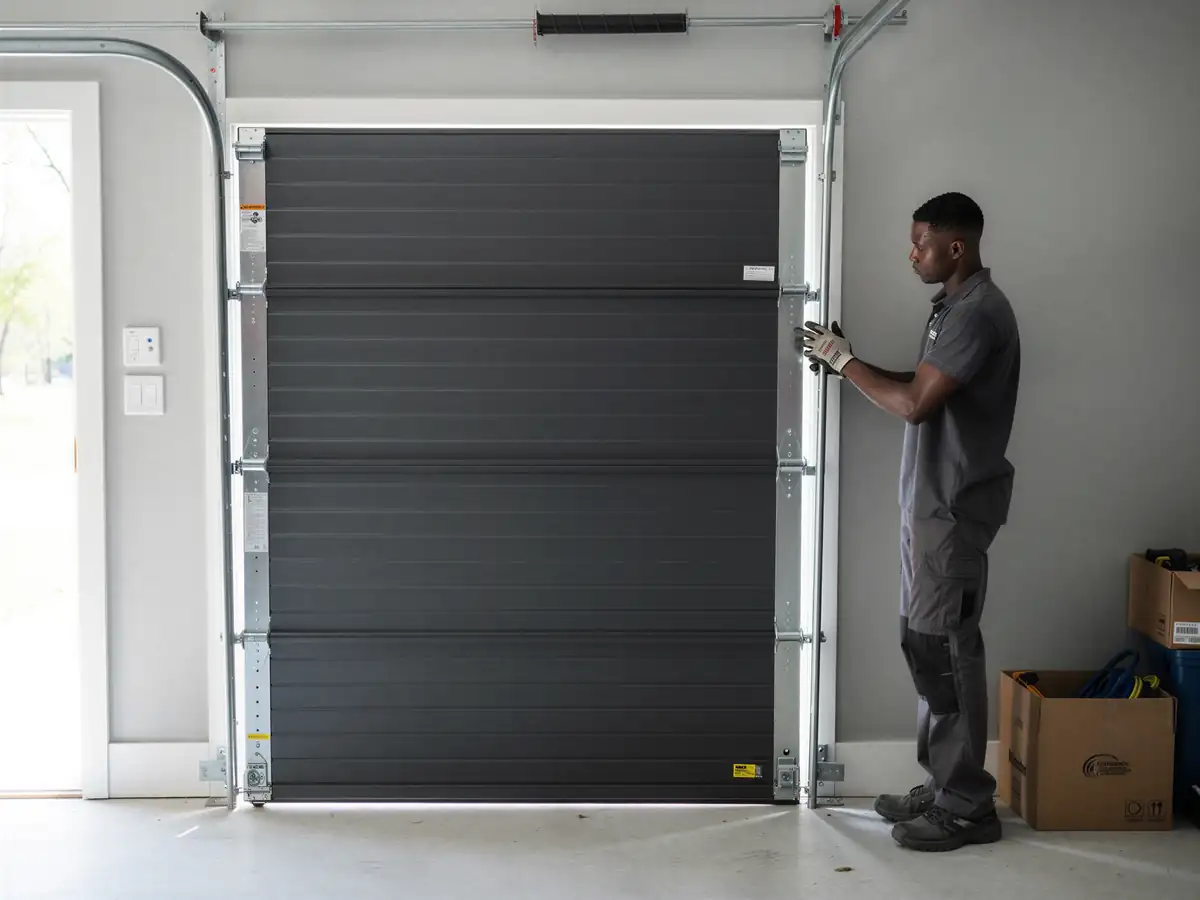
Call us or use the contact page and tell us what you're seeing: a cable hanging loose, a door that sits crooked in the opening, or a door that won't budge at all. Those details help us bring the right cable drum, stop, and clamp instead of guessing at the truck. We work across the Watauga service area, which runs from a mile west to Haslet eight miles northeast and out past Roanoke, so let us know your cross streets when you call so we can route the day efficiently. A snapped cable on a double door with no backup is not a wait-and-see repair - the door can come down unevenly and take a track or panel with it, so we treat those as same-day where the schedule allows. If your door still opens and closes but one side looks lower than the other, that's worth a call too, even if nothing has broken yet.
We'll ask a few questions up front: age of the door, whether it's ever been serviced, and whether you've noticed fraying at the drum. That lets us quote the job honestly before a truck rolls, rather than padding the visit with guesswork.
The Symptom
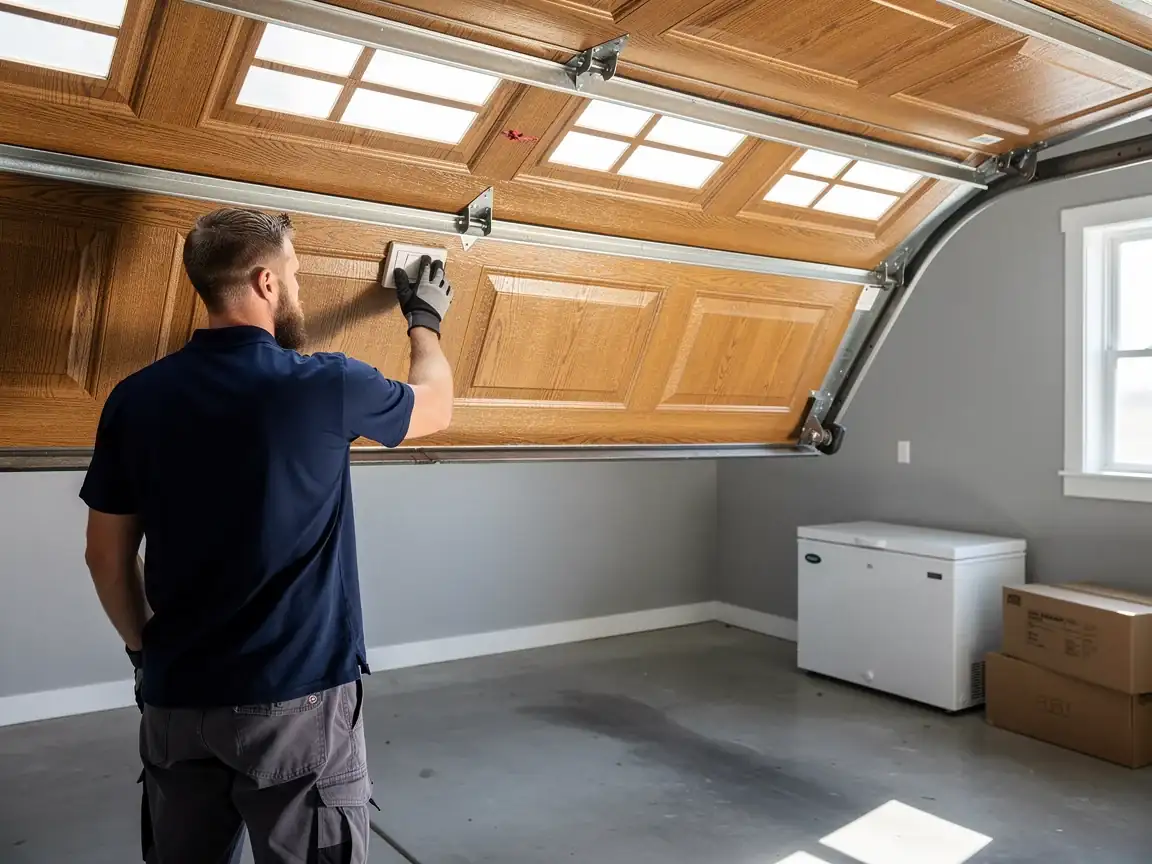
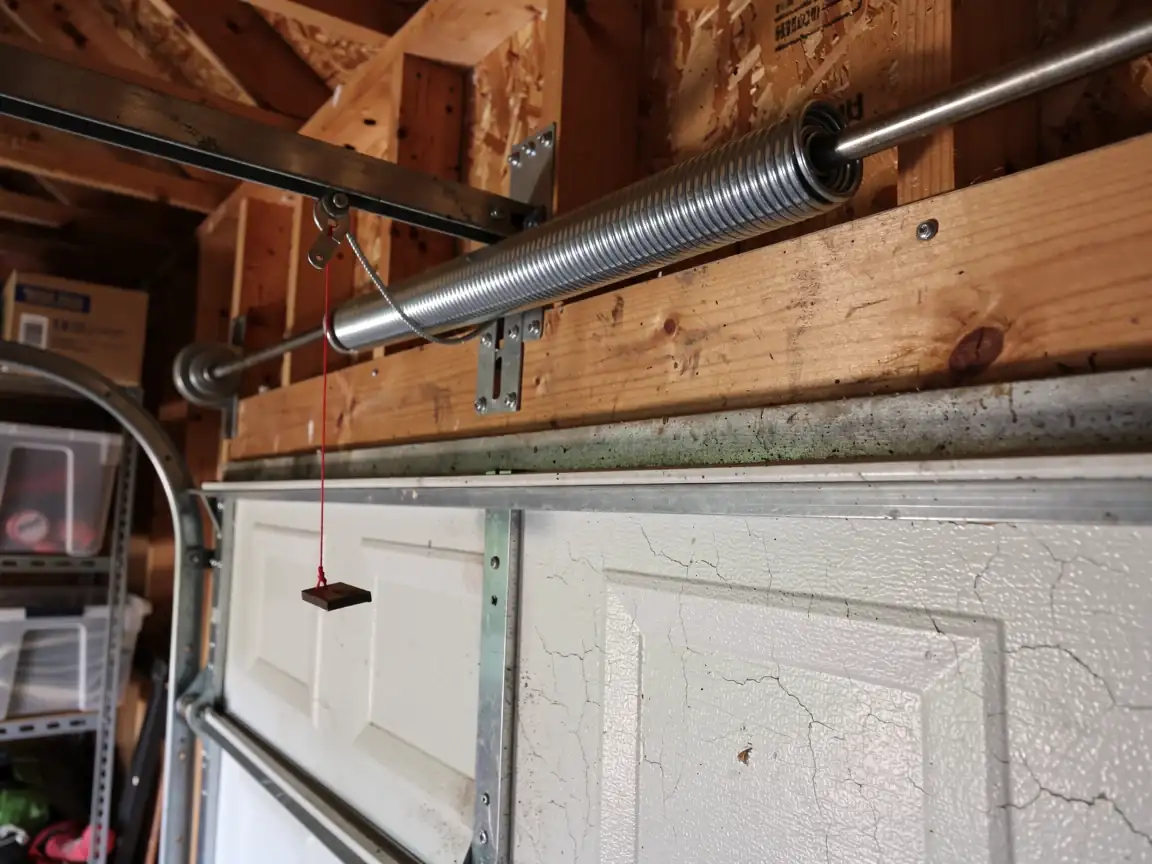
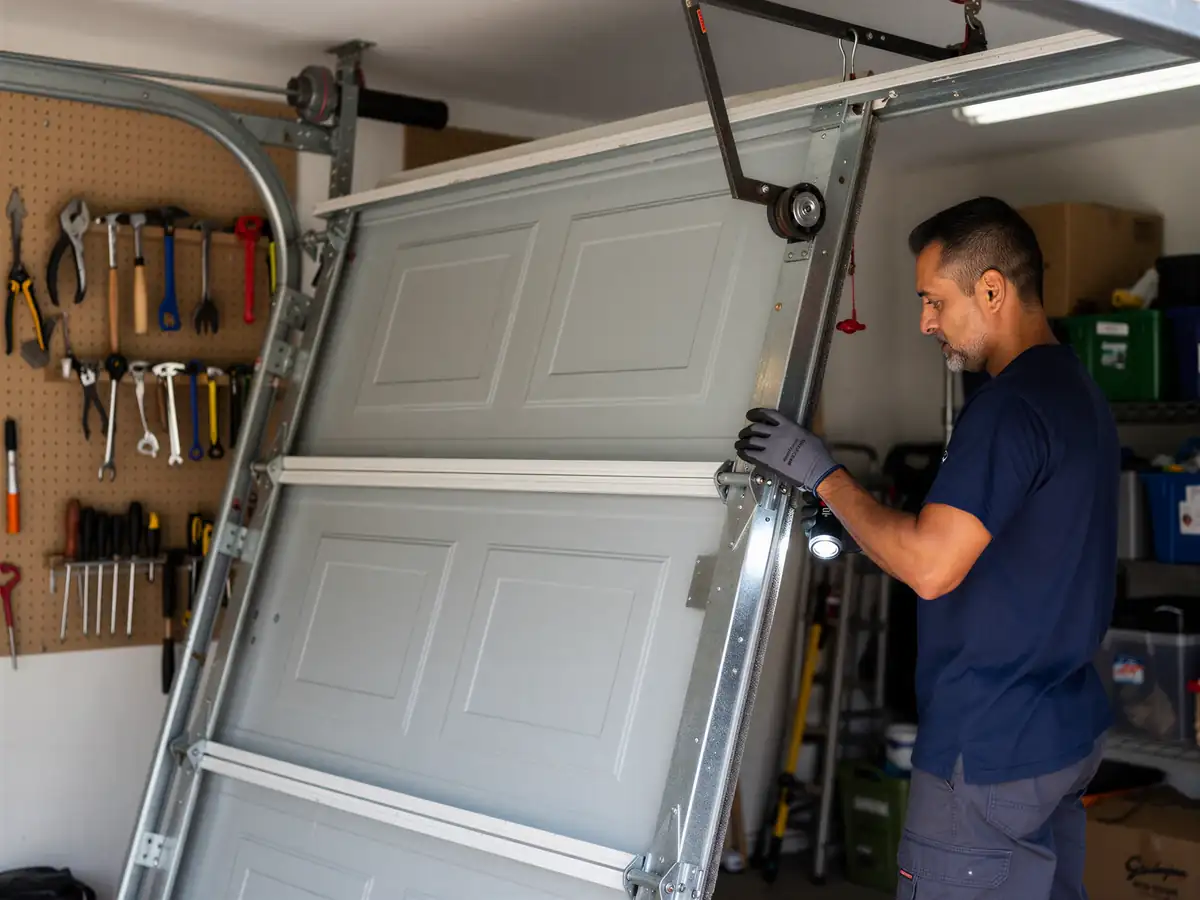
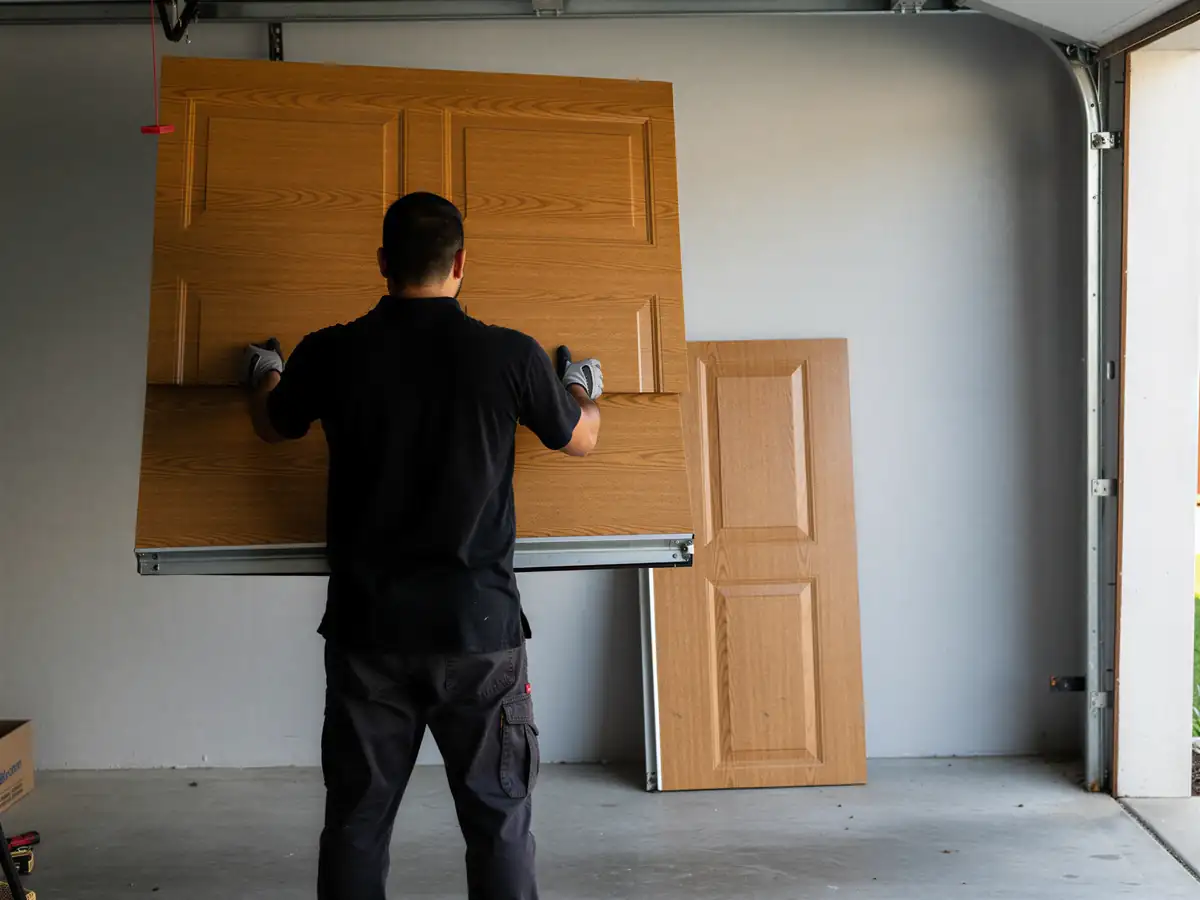
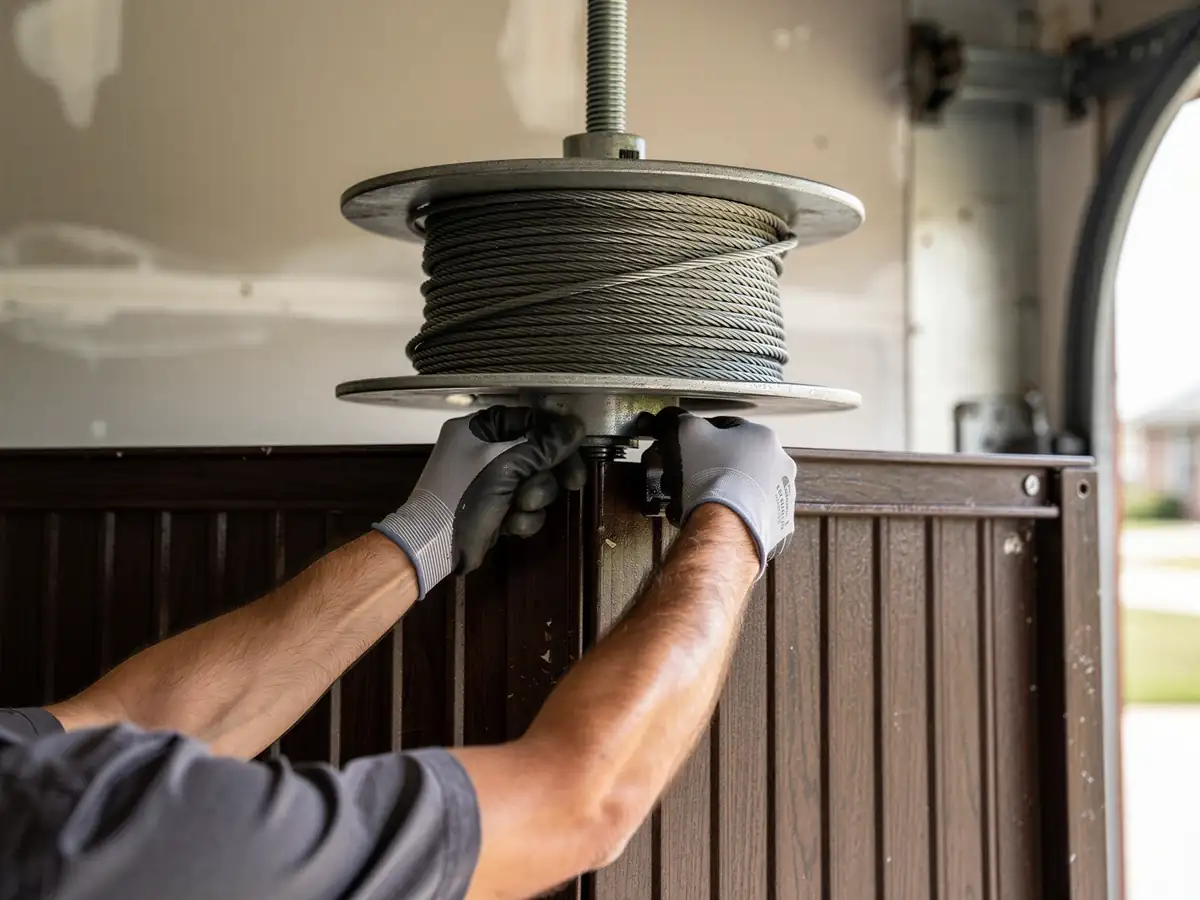
A failing garage door cable rarely announces itself cleanly. The most common signs are a door that hangs crooked - one bottom corner lower than the other - a loud bang or pop as the cable lets go under spring tension, or visible fraying where the cable wraps the drum near the top of the track. Sometimes the door simply won't lift, because the cable has unwound off the drum and jammed against the shaft. On a double-wide door this is more dangerous than on a single, since the extra width means more weight riding on each cable, and an uneven failure racks the door sideways against the tracks.
What we don't do is recommend a cable swap on a door where the real problem is somewhere else - a bent track or a worn roller can mimic a cable symptom, and replacing cable alone won't fix that. Part of the visit is confirming the cable is actually the failure before we quote the fix.
What the Repair Takes
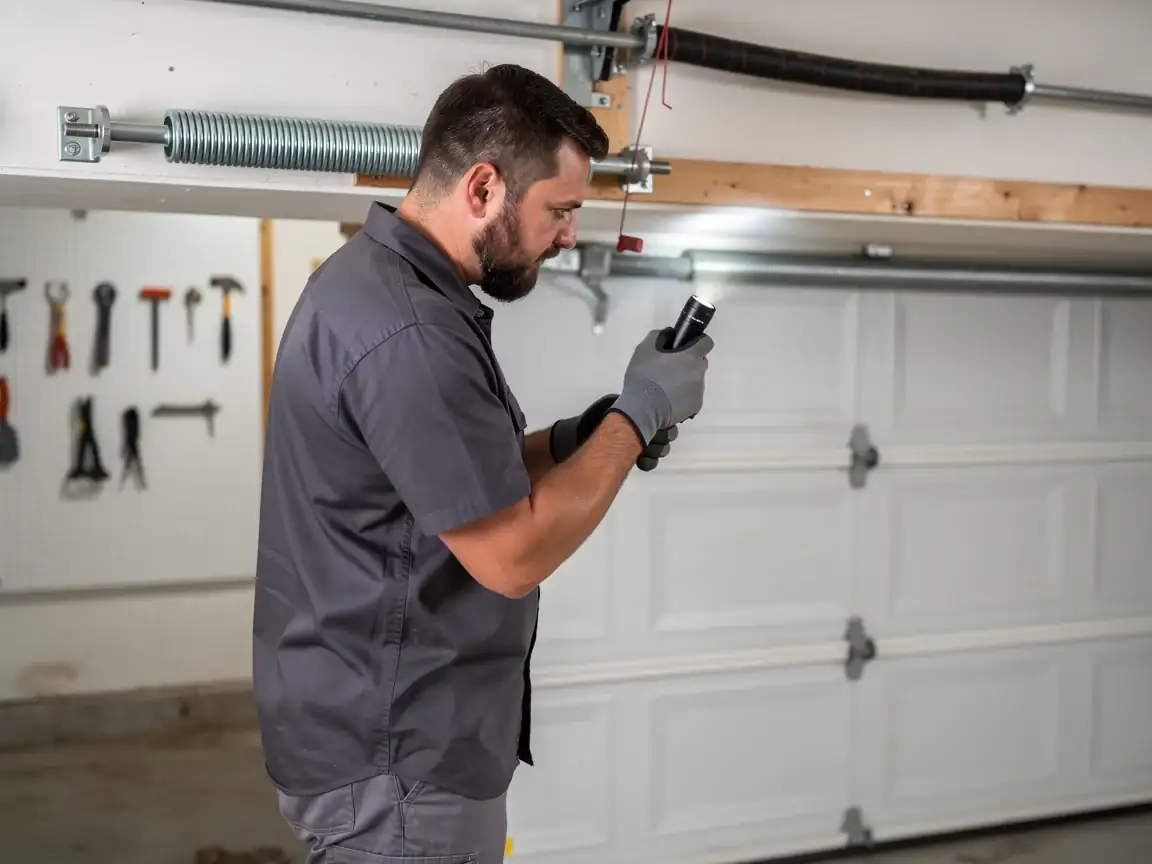
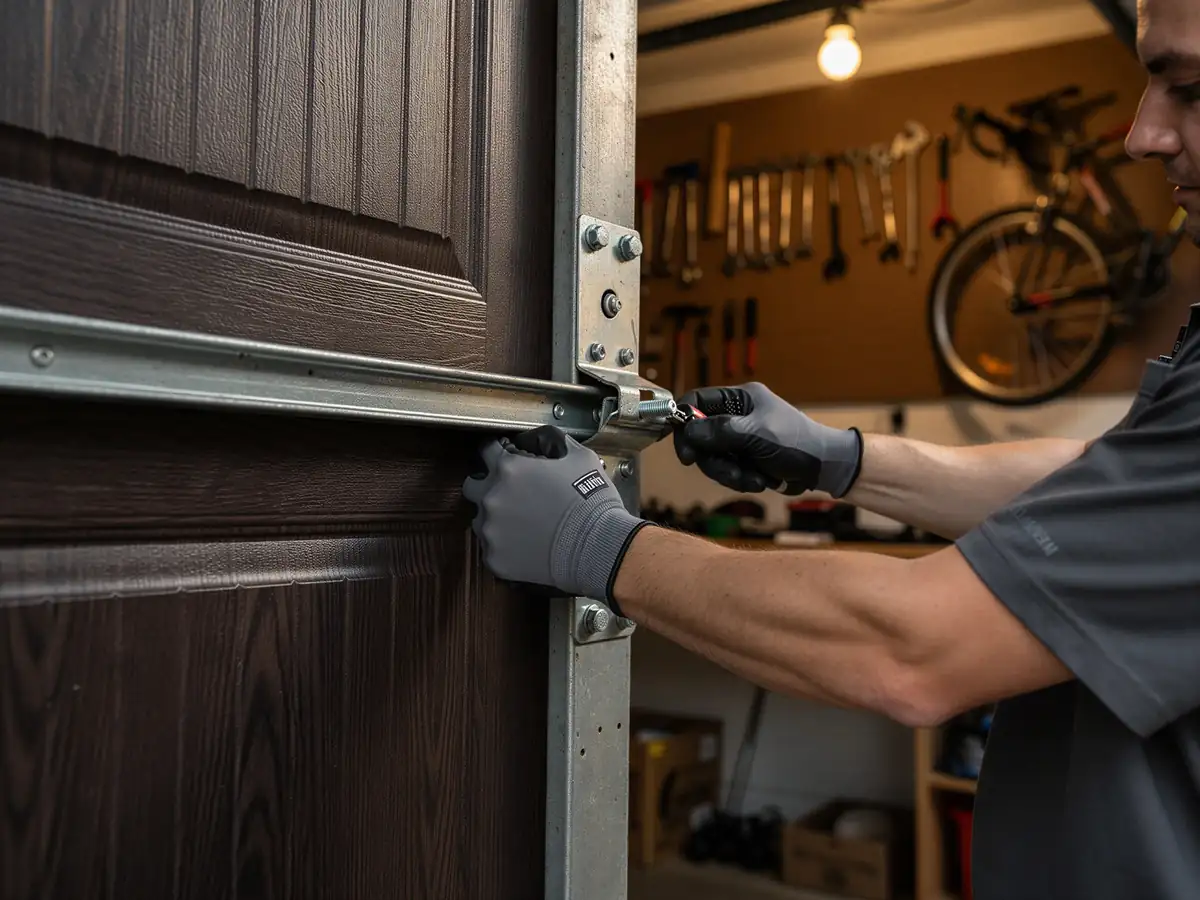
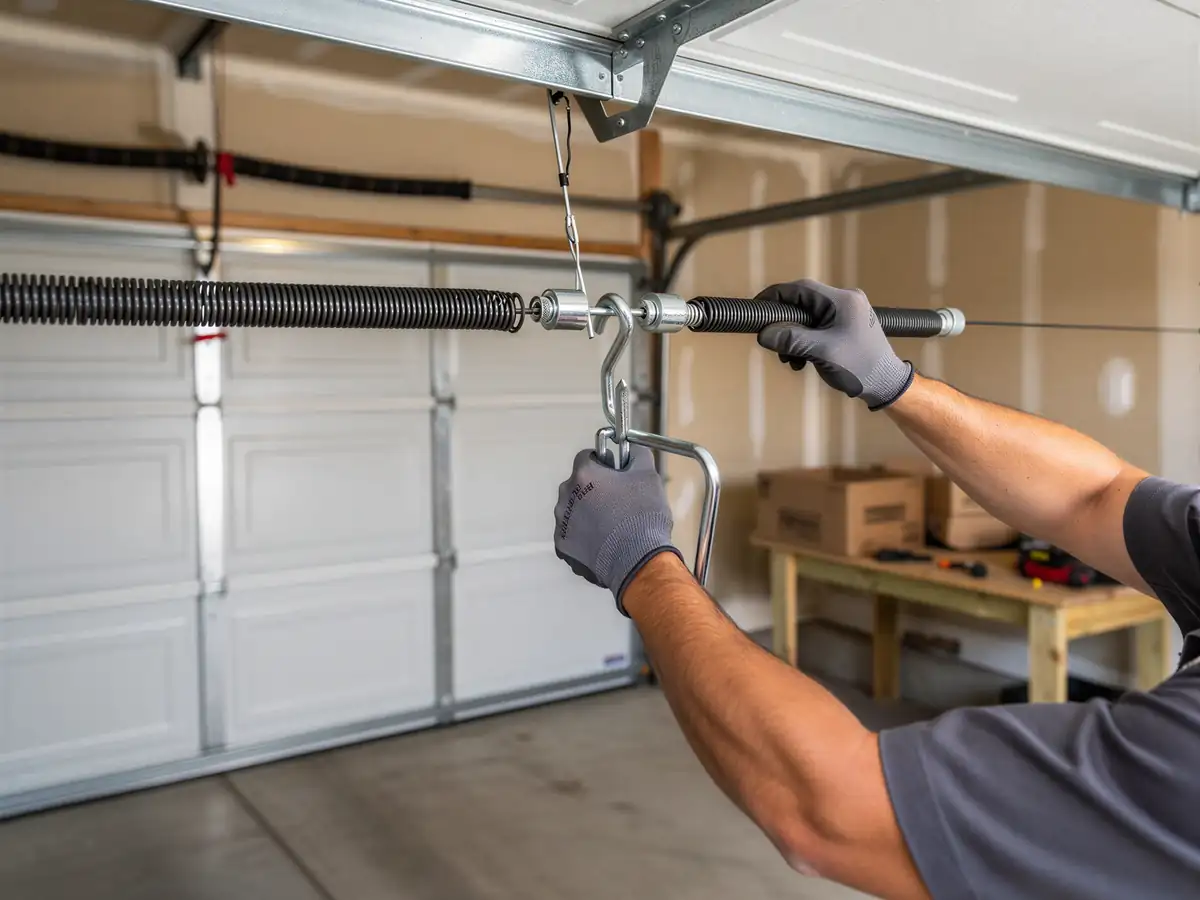
Cable repair means releasing spring tension safely, pulling the old cable off the drum
And running new cable sized to match the door's weight and the drum's groove. On most of the doors we see in this area - stock installed any time from the early 1990s through the 2000s - that's a standard galvanized aircraft cable rated to the door's cycle count, not a specialty part. We replace both cables as a pair even when only one has failed, because the surviving cable is carrying the same age and wear and tends to go next, often within months.
What the repair doesn't take, honestly, is much time once the tension is off
Most cable jobs run well under an hour of hands-on work. Where the time goes is diagnosis: checking the drums for wear grooves, the shaft for play, and the track alignment, since a cable replaced onto a bent track will fail again. If the drums themselves are chewed up or the torsion spring is the real culprit, we'll say so rather than sell a cable-only fix that won't hold.
Why It Happens Here
Housing across this service area was mostly built between 1953 and 2014, with the bulk of it going up in the 1980s and 90s - roughly thirty named subdivisions from through the share that same construction window. Doors and cable hardware installed in that stretch are now thirty-plus years old on the early end, which is well past the service life of the original galvanized cable even on a door that's never had an obvious problem.
The other factor is heat. This area sits in a moderate-heat climate band, and summer temperatures swinging a garage from cool mornings to well over 100 degrees by afternoon put real stress on cable and hardware through repeated expansion and contraction. That cycling doesn't snap a cable in one afternoon, but it accelerates the fraying that eventually does. Combine 1990s-era hardware with three decades of heat cycling and cable failure becomes one of the more predictable calls we get, rather than a random one.