What Most People Get Wrong
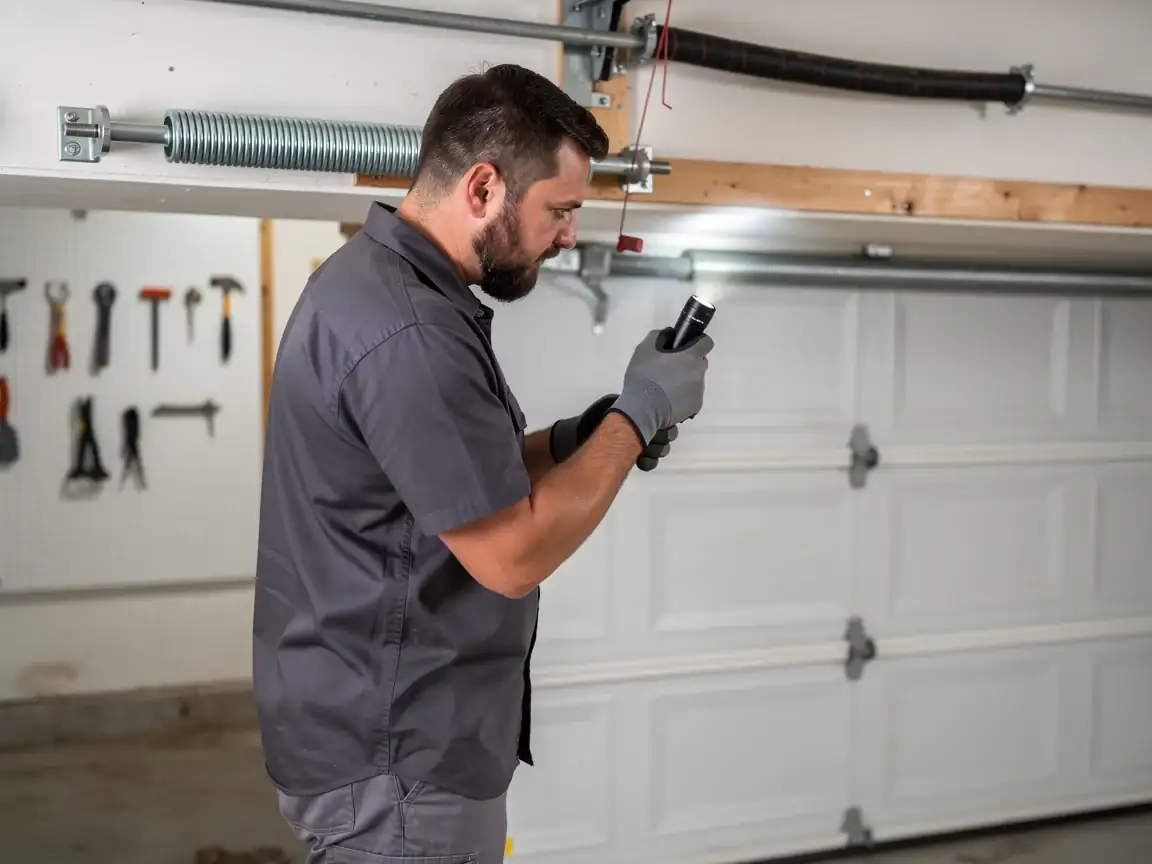
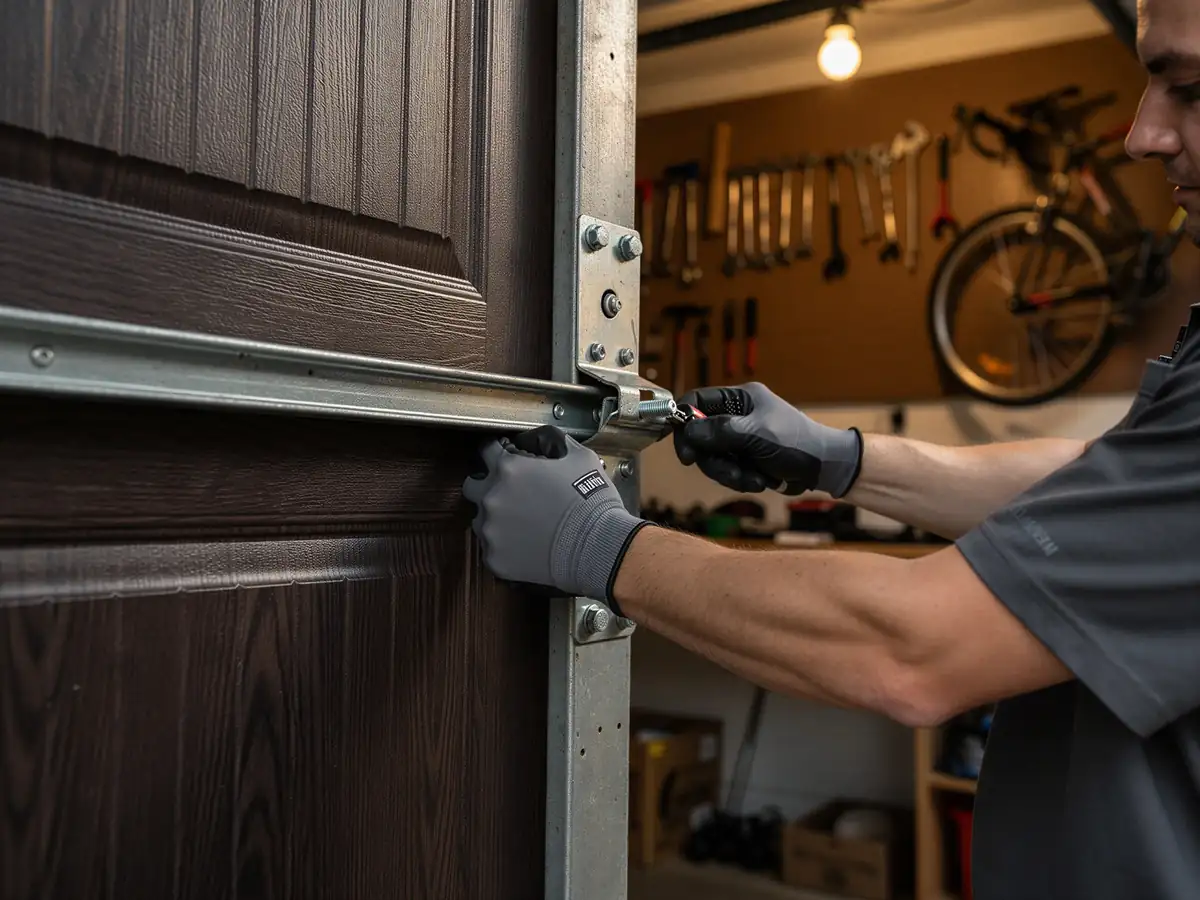
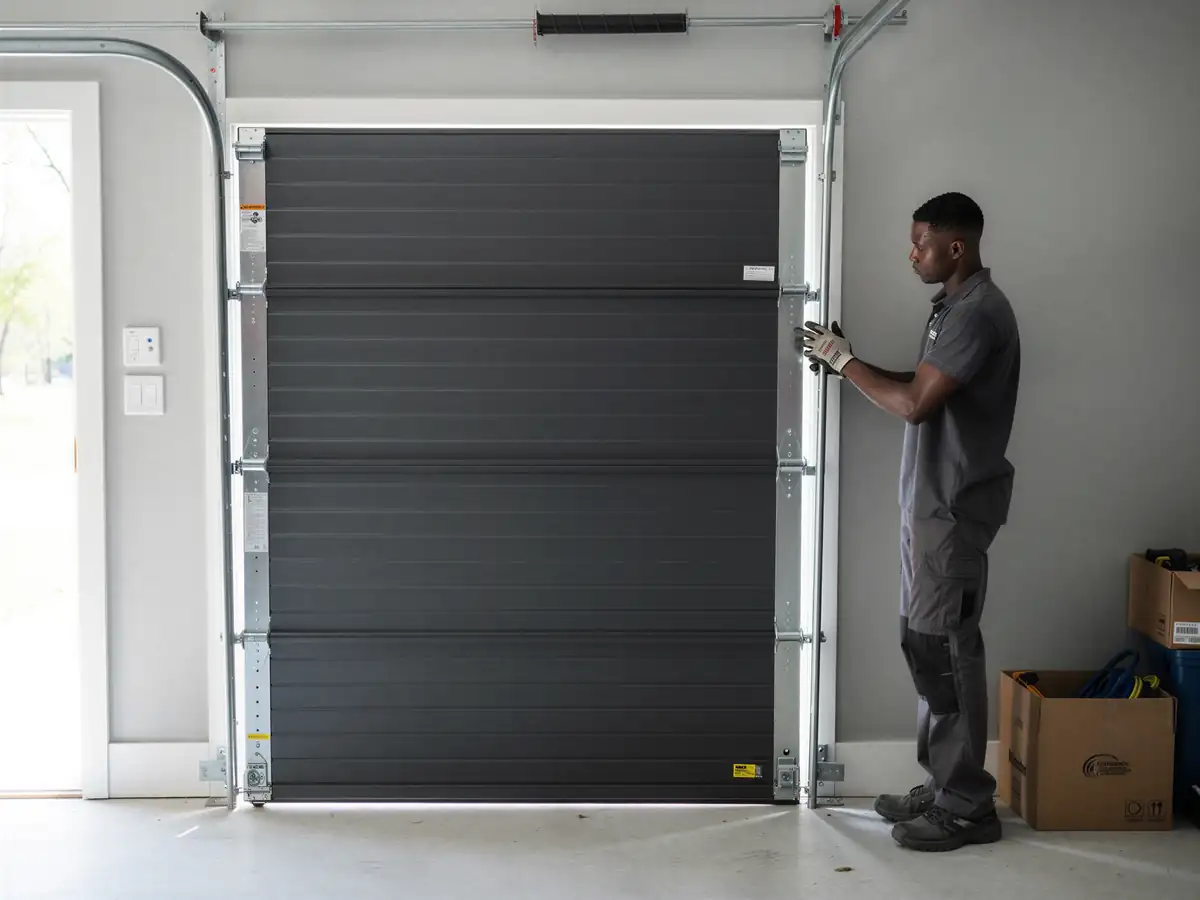
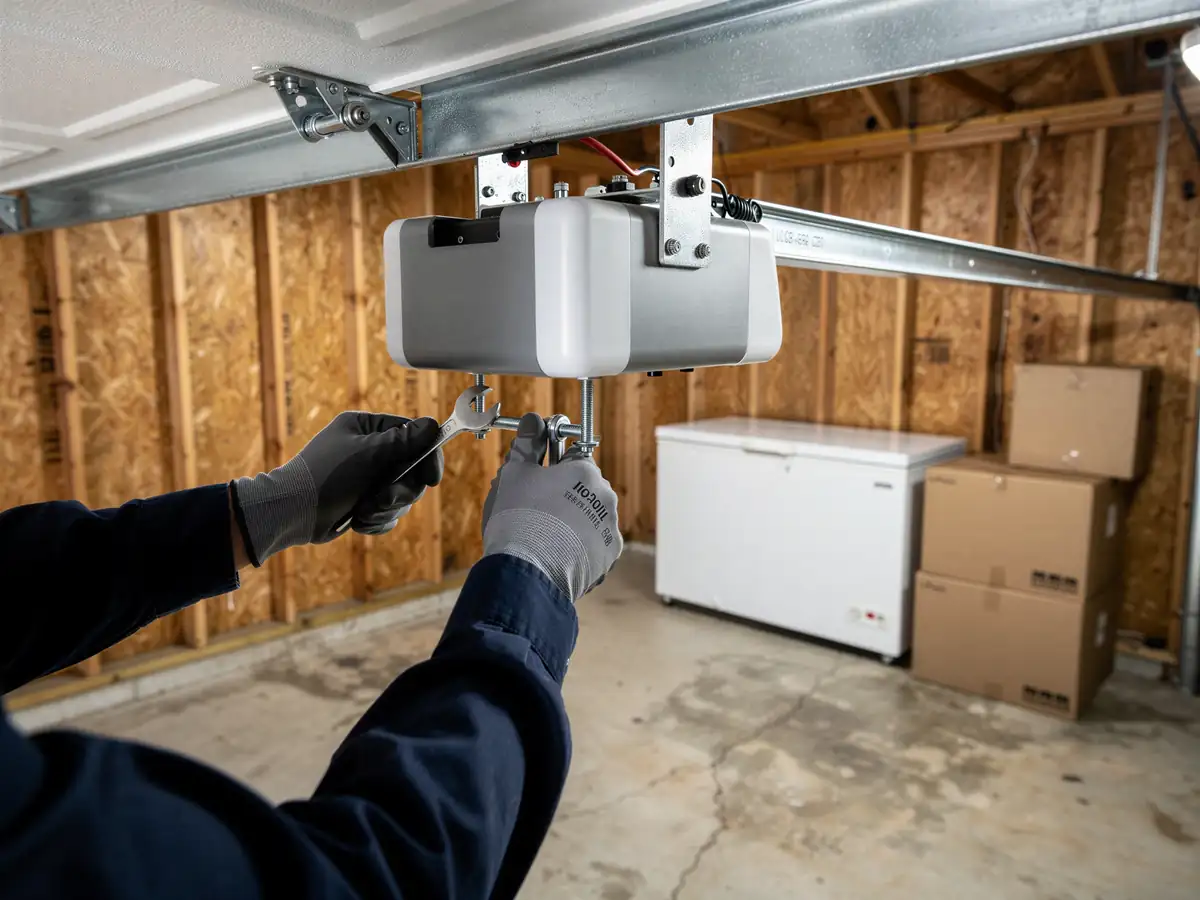
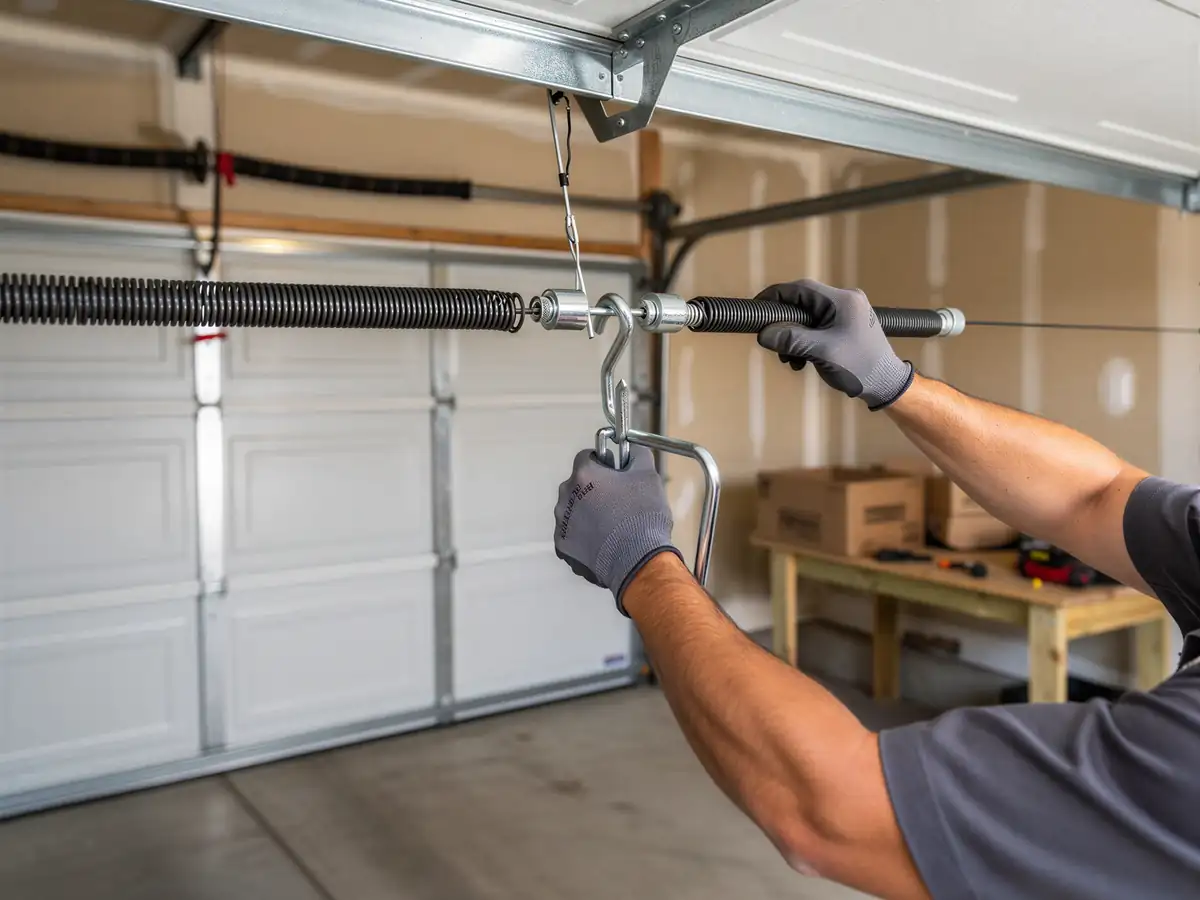
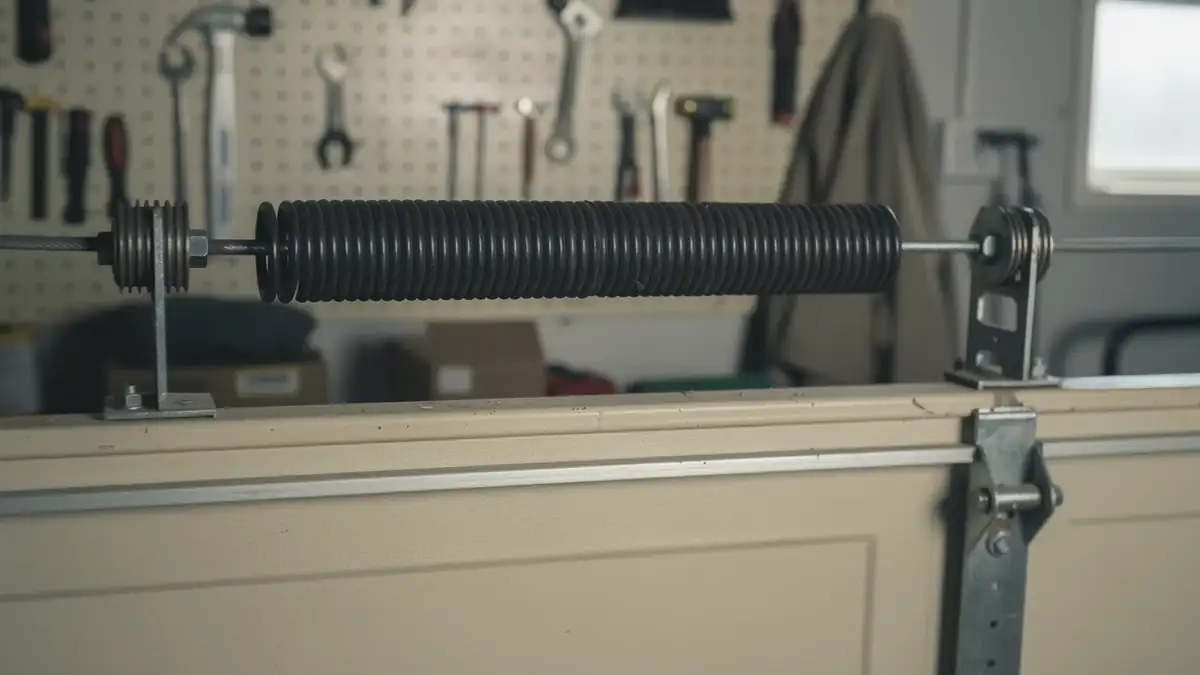
Most homeowners assume a broken spring means something was done wrong, or that the door is poorly made. Usually it's just age catching up with steel on a cold day. Housing stock in this service area runs from 1953 up through 2014, with the typical house built around 1993 - and across the 30 named communities nearby, the bulk of that stock dates to the 1980s and 90s. A torsion spring has a rated number of cycles, somewhere around 10,000 depending on the coil, and a spring installed when a house went up in the late 80s has had three decades to wind down toward that number. Cold doesn't cause the failure by itself. It's the last straw on a spring that was already near the end of its life, because steel contracts slightly as it cools and loses a bit of flex right when the coil is under the most stress of the day - the first open of the morning. People also assume the opener did something wrong. It didn't. The opener just stops pulling once the spring can't lift its share of the door's weight, and from the driveway that looks like a dead motor instead of a dead spring.
How Local Conditions Play In
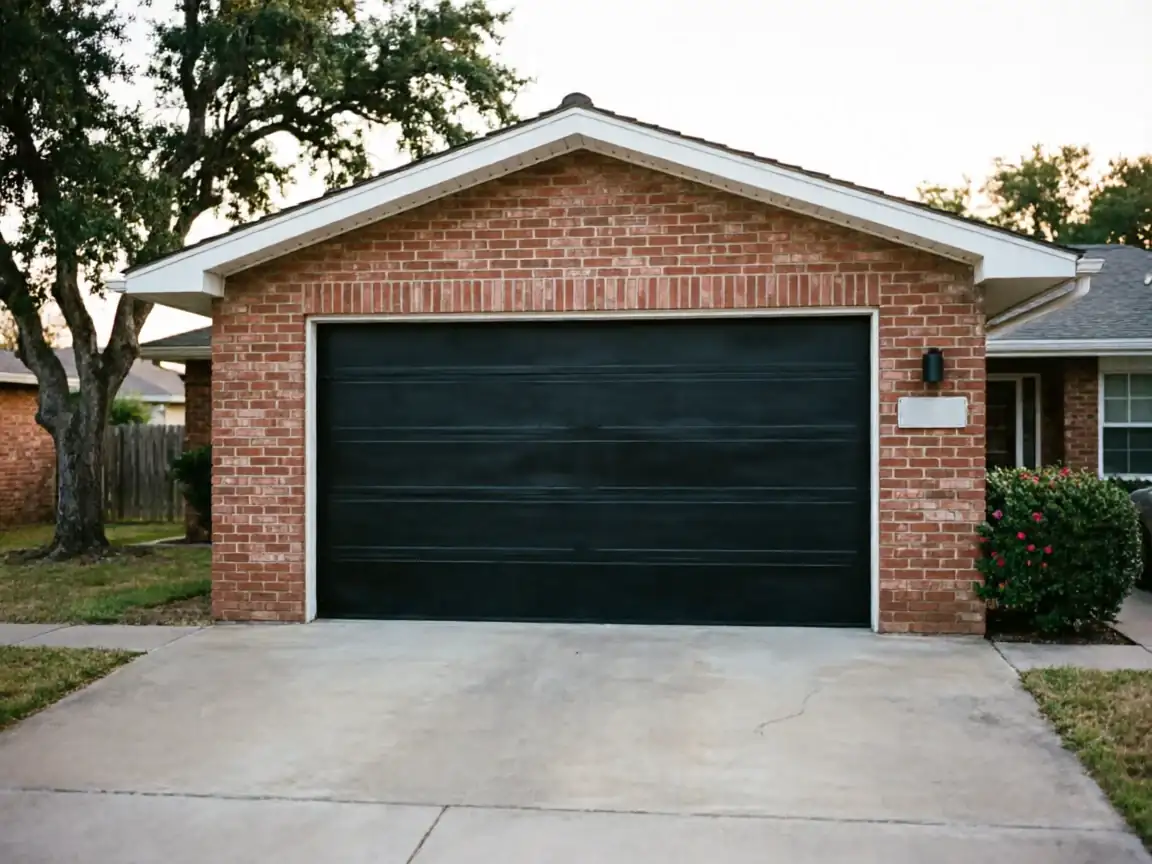
This area's climate band rates as moderate heat, not deep-freeze country, so a hard cold snap here is the exception, not the rule - which is exactly why it catches people off guard. A house a few towns over in genuinely cold climates gets springs rated and serviced with winter failure built into the maintenance schedule. Here, a spring can run for years without anyone thinking about it, right up until one overnight drop stresses a coil that was already fatigued from normal cycling. Across the 45,309 owner-occupied houses in this service area, a meaningful share are still running original or first-replacement springs from whenever the house was built, going back as far as 1953. The ones from that older end of the range, and the big run of 1980s-90s construction across the named areas nearby, are the doors most likely to give out the first cold morning of the season rather than any morning in July.
What It Costs
We don't publish a flat number here because spring size, door weight, and whether one or both springs need replacing all move the price, and guessing at a figure that doesn't match your door does nobody any good. What we can say: this is a bigger job on a heavier double door than on a single, and torsion springs cost more than the older extension-spring setups still found on some of the pre-1990s houses in this service area. With median household income here at $99,494, most owners we talk to want the job done right the first time rather than patched - meaning a matched spring, not a mismatched replacement that throws the balance off again in a year. Ask for a number on your specific door and spring type before you decide anything.