Booking a Visit
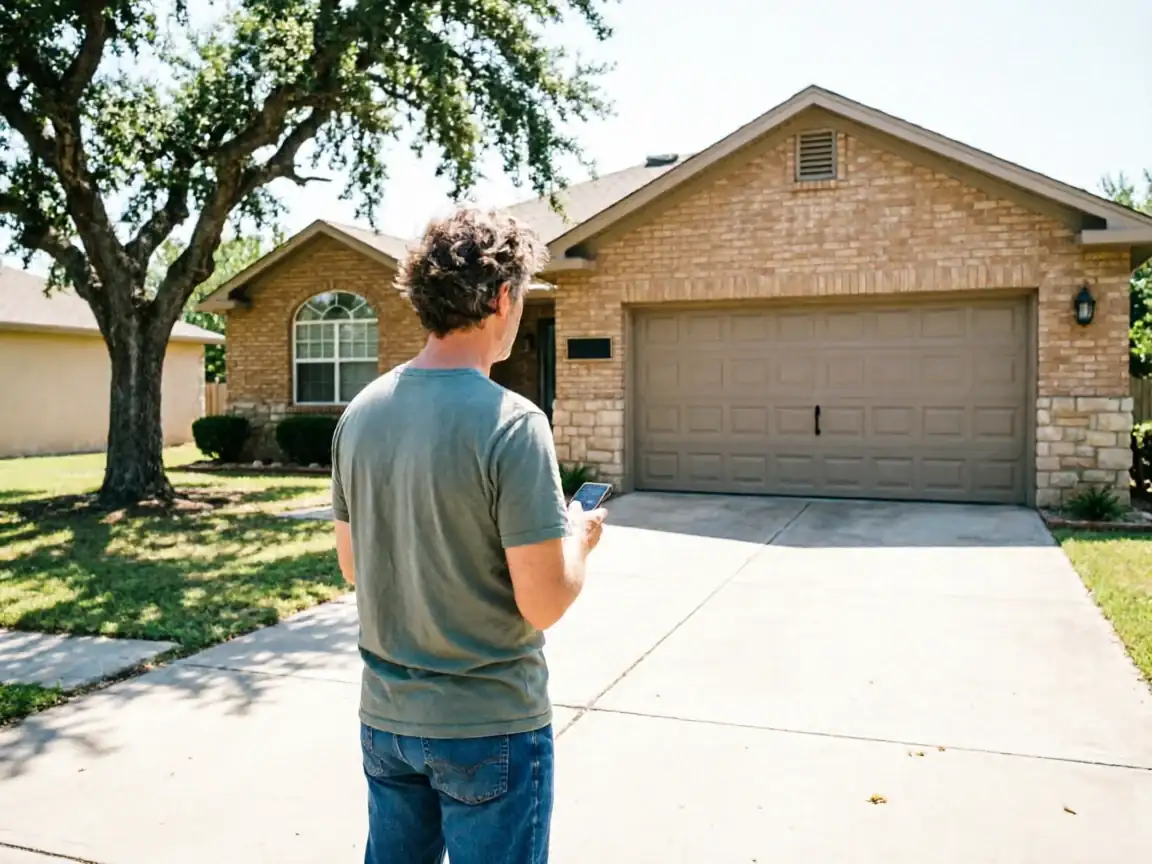
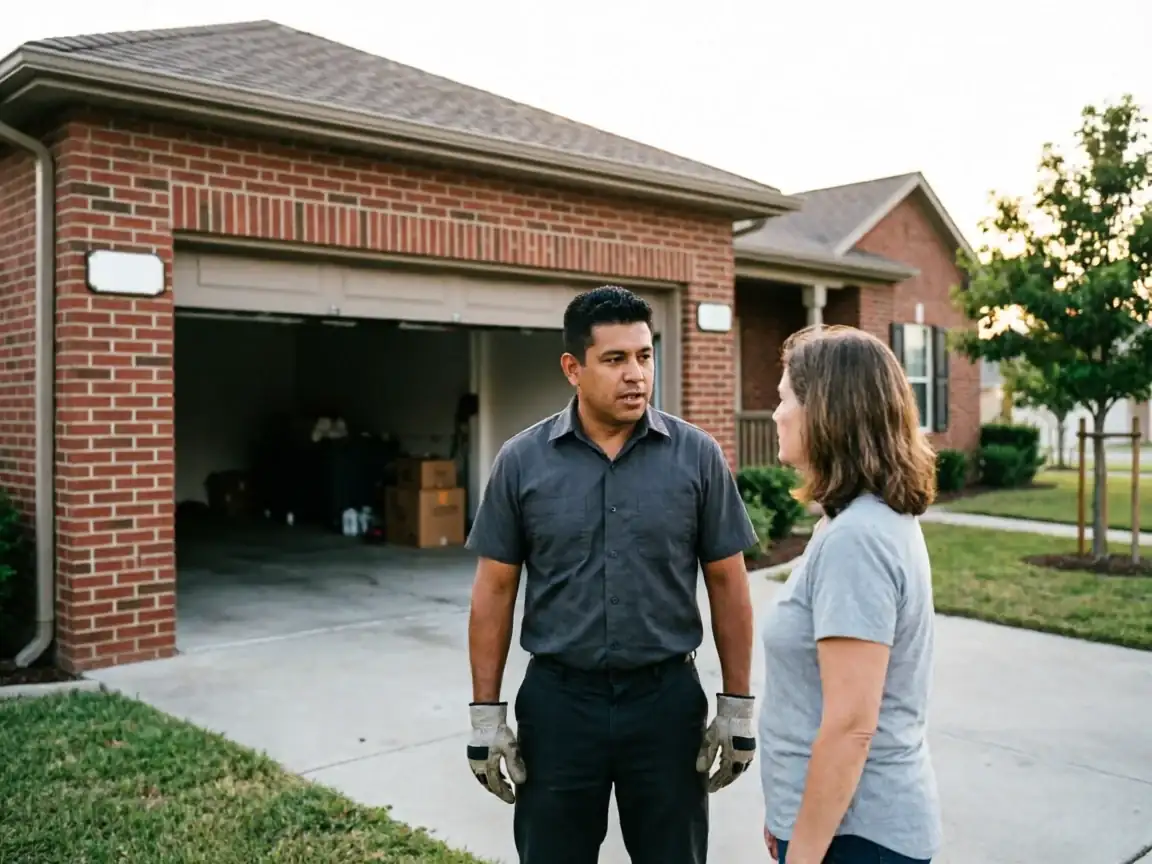
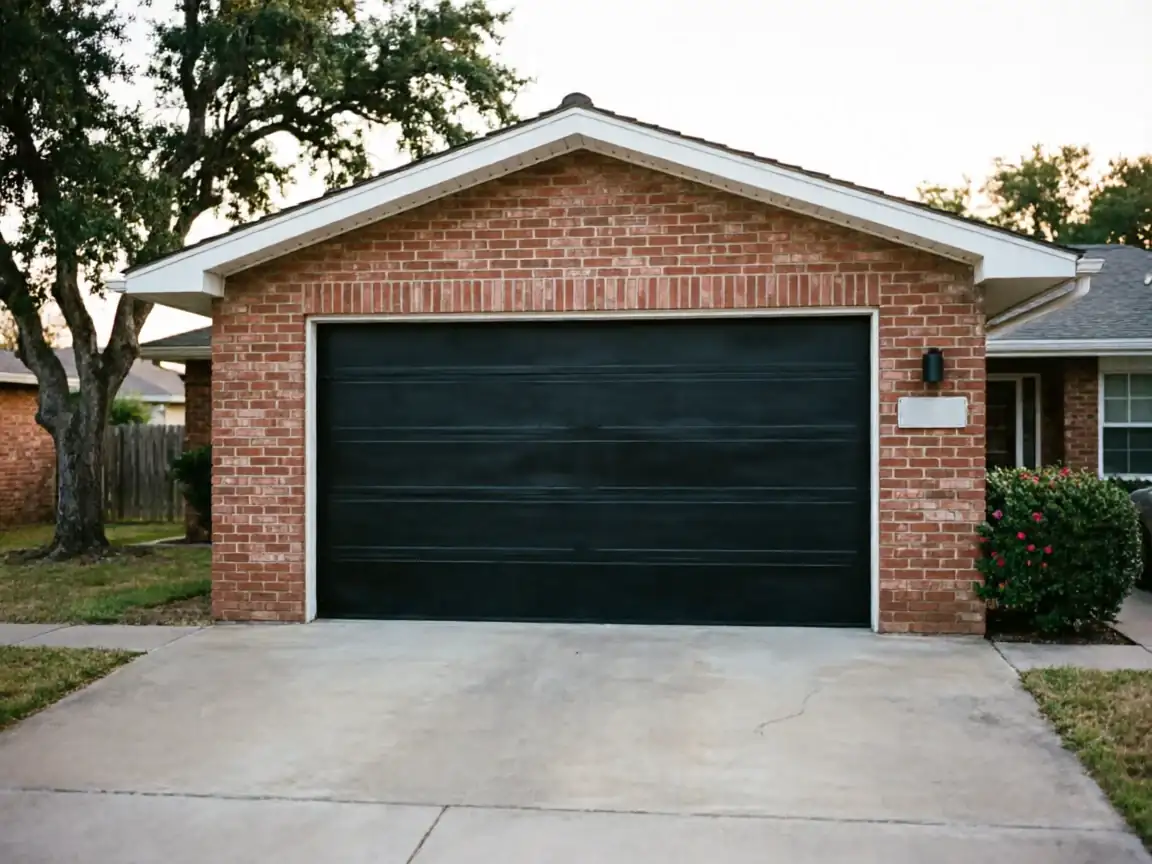
Most of the calls we get come from the neighborhoods closest to the shop - a couple miles west up in the northwest corner a bit further out. If you're in one of those pockets, or anywhere else inside Watauga, tell us the symptom when you call and we'll tell you roughly what it is before the truck even leaves. A door that won't budge and a door that's grinding on one side are two different jobs, and knowing which one you've got lets us bring the right spring or roller set instead of guessing. We book same-day when the schedule allows it, but we don't promise a window we can't hit. If you want to see what else we handle beyond repair, that's on the main page.
The Symptom
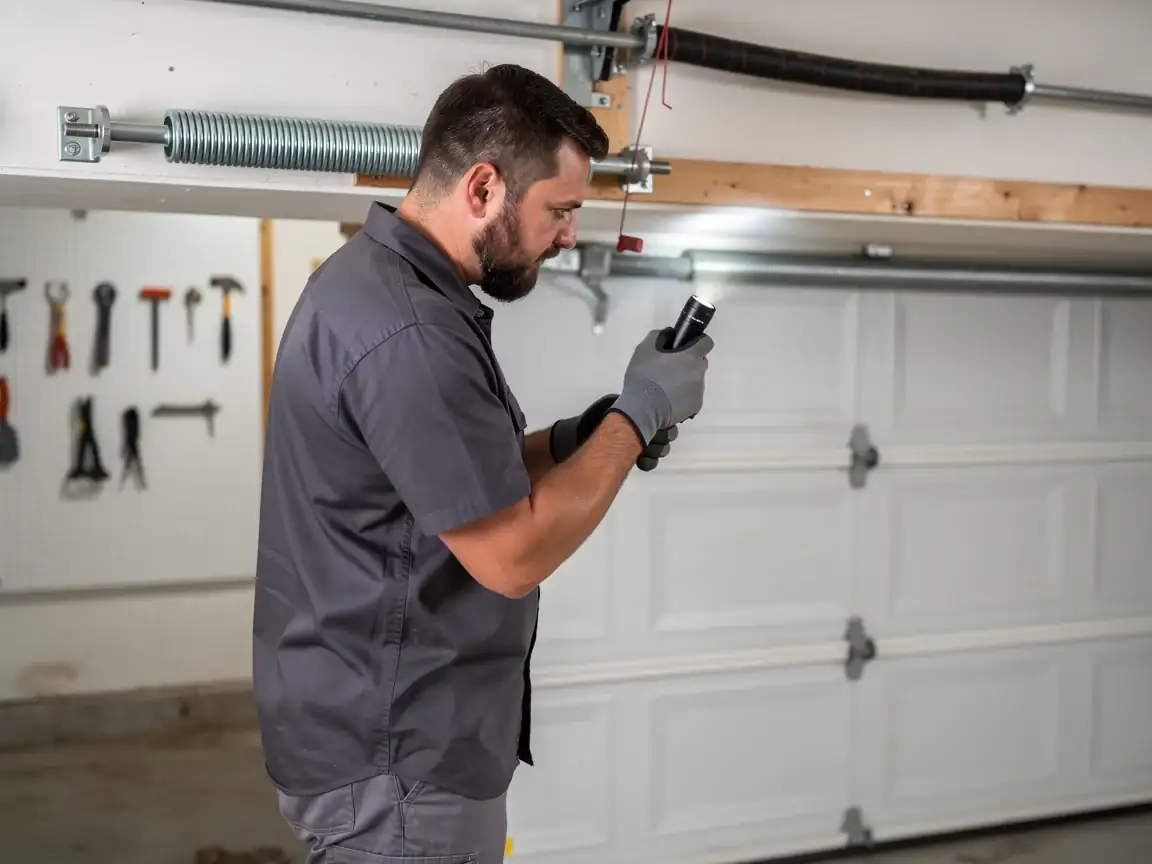
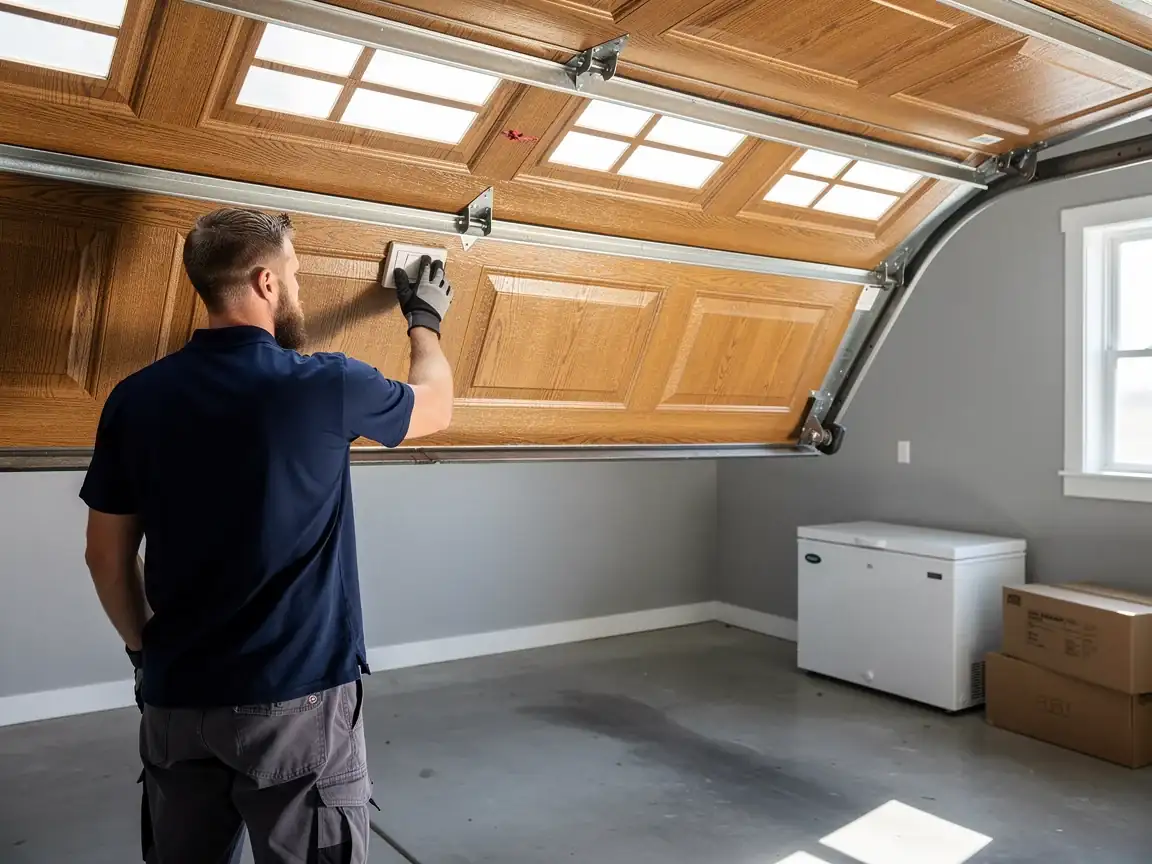
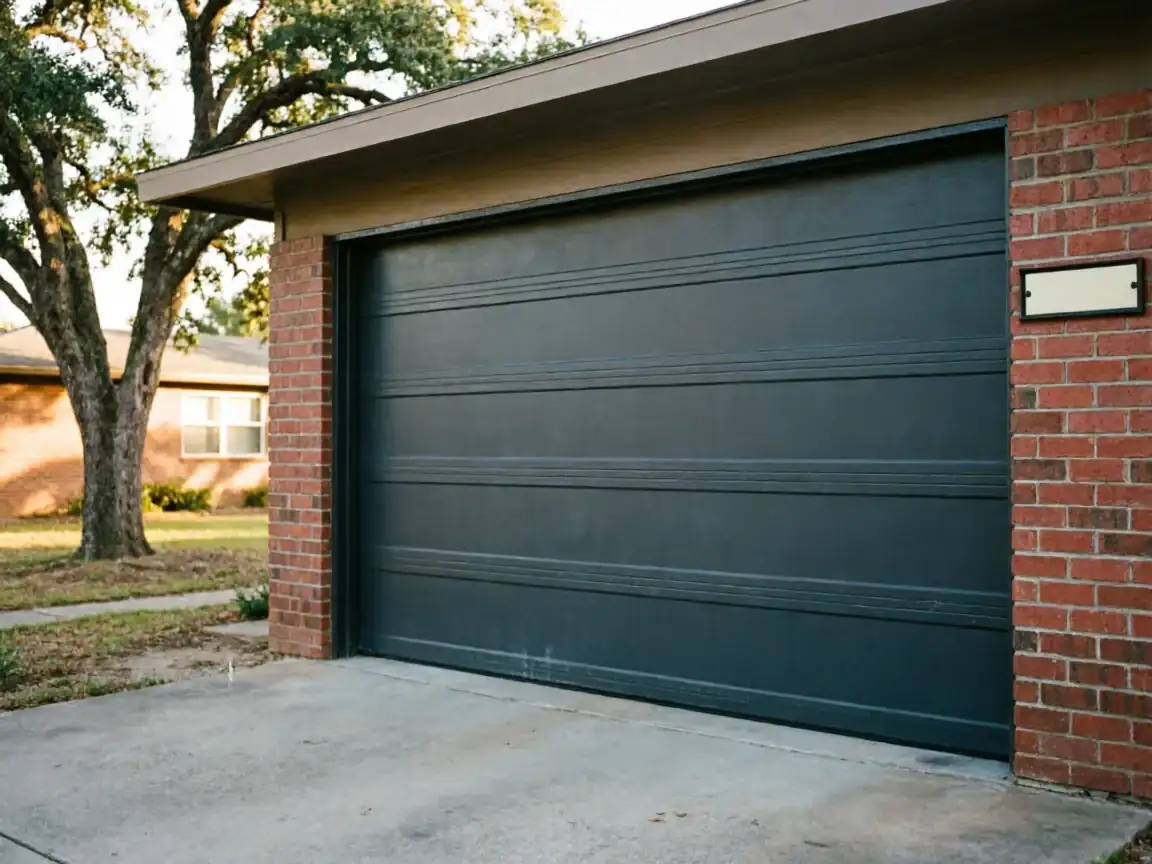
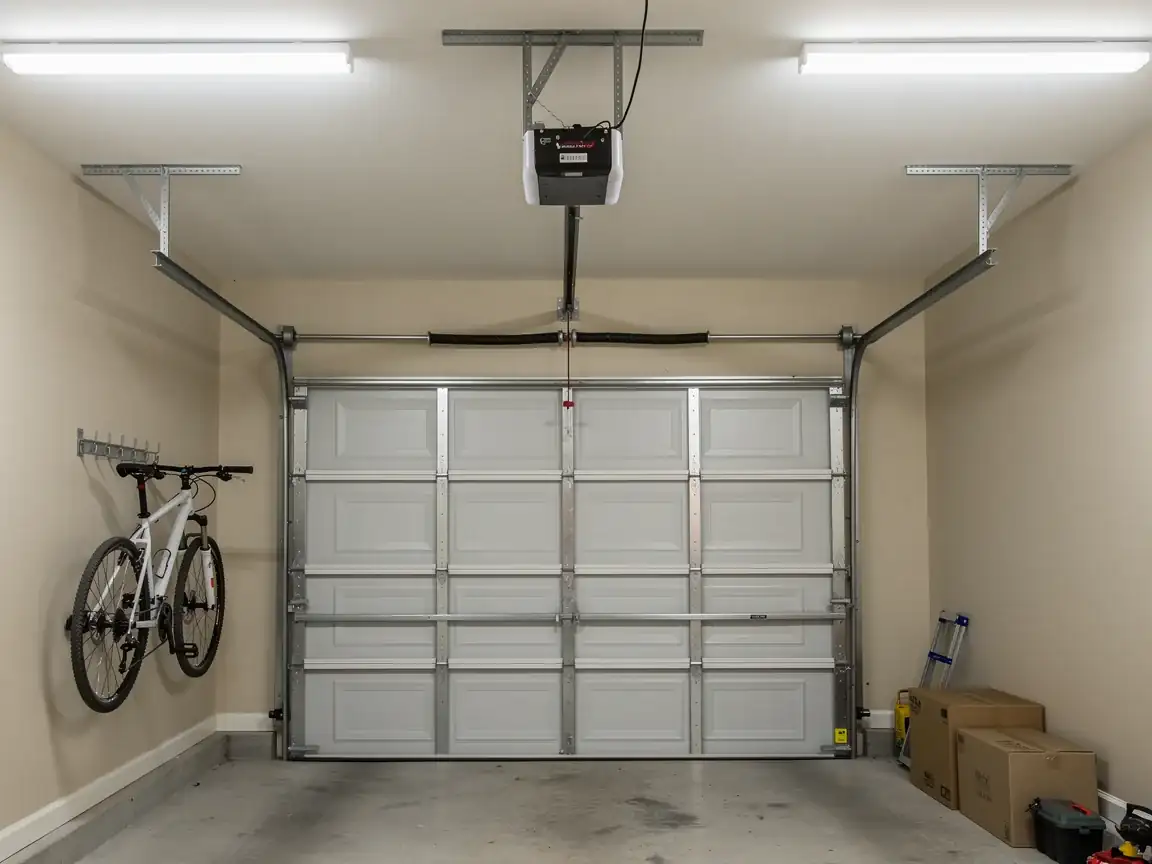
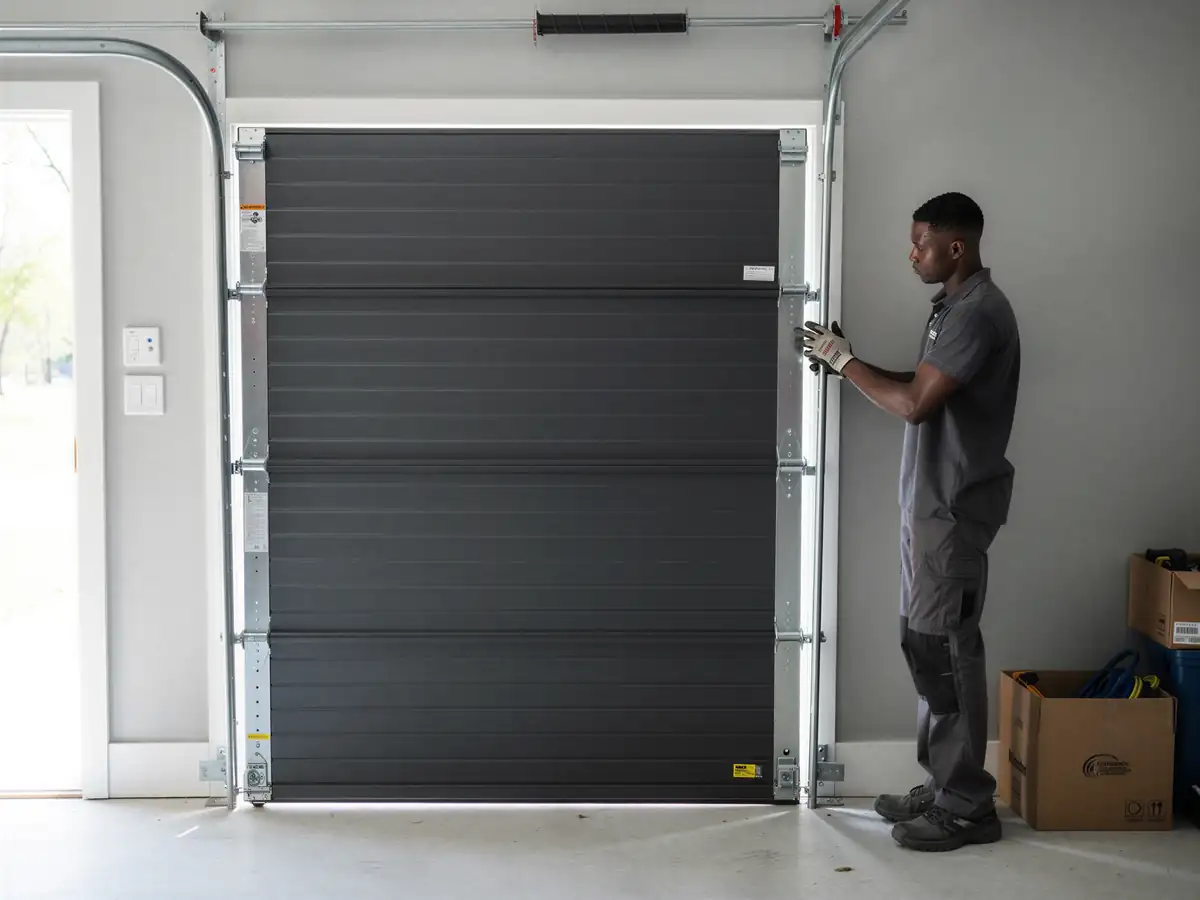
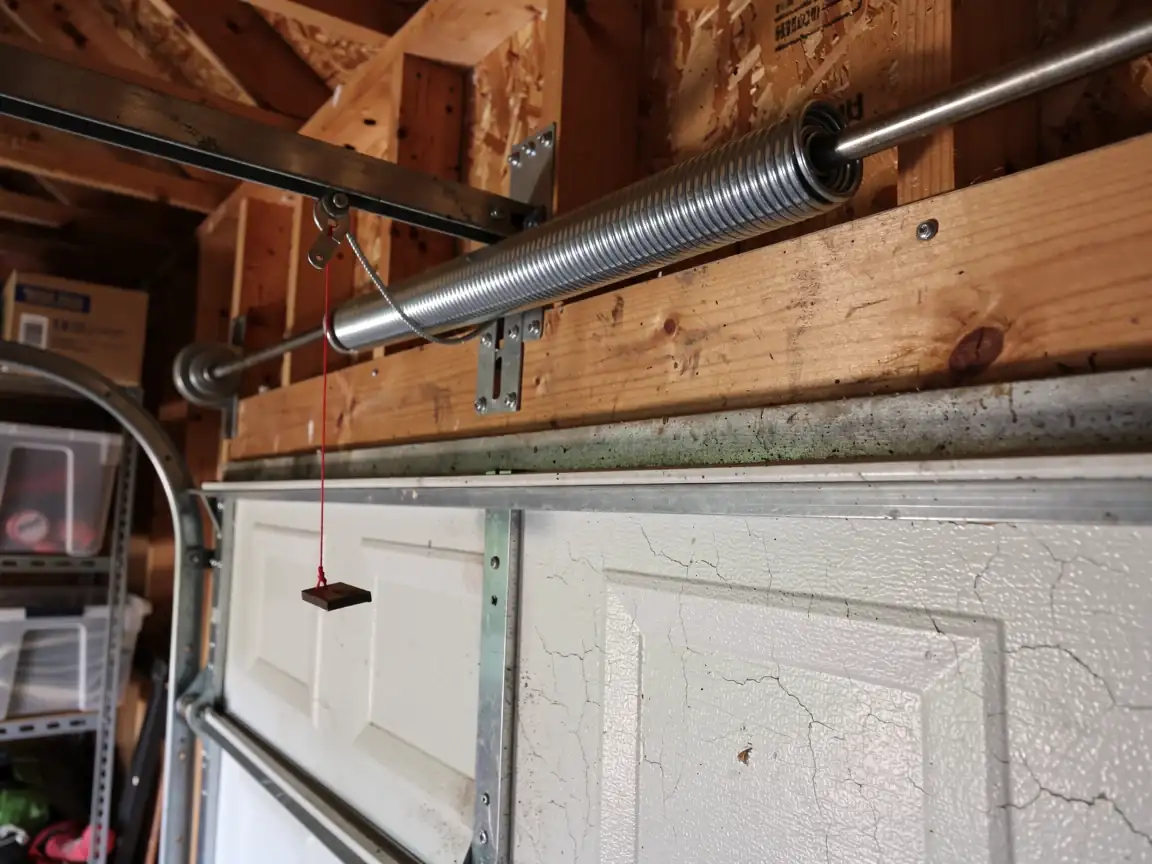
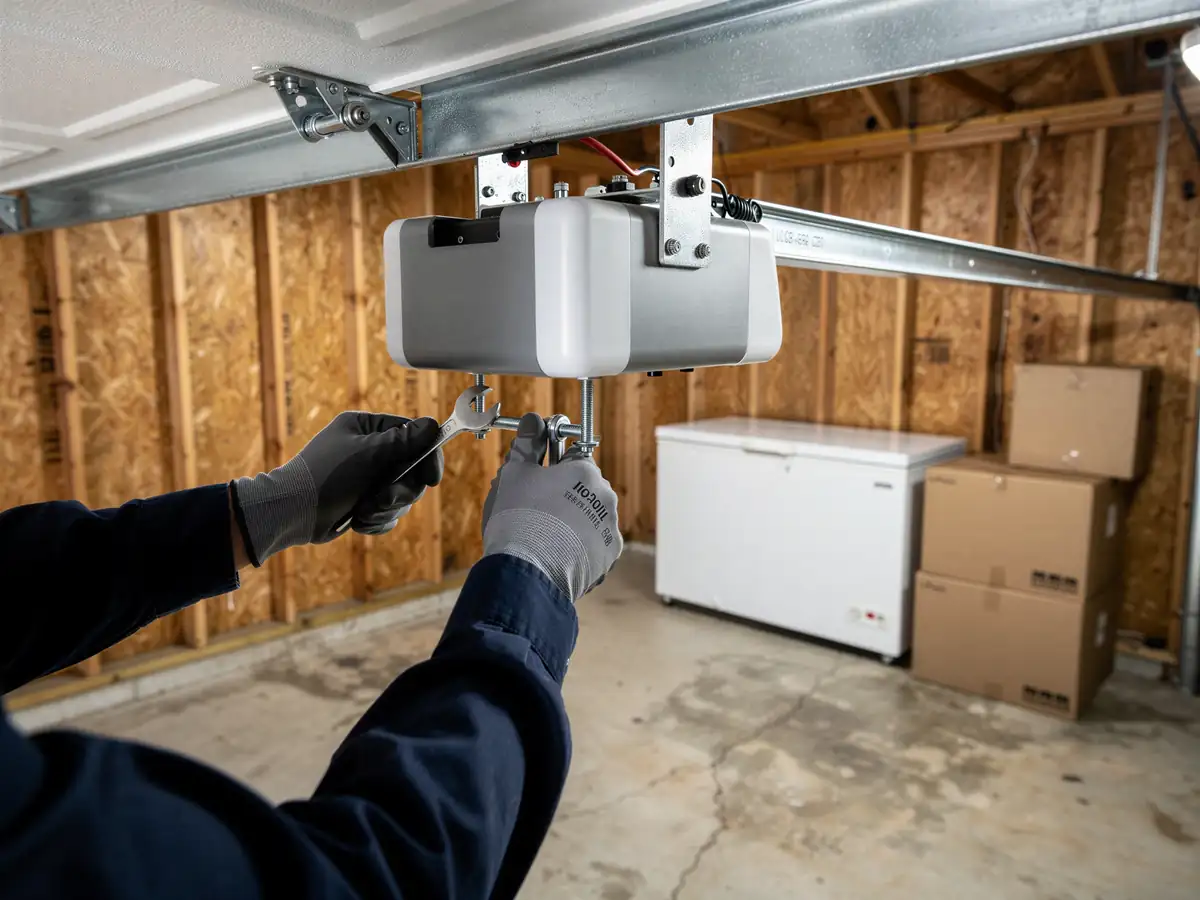
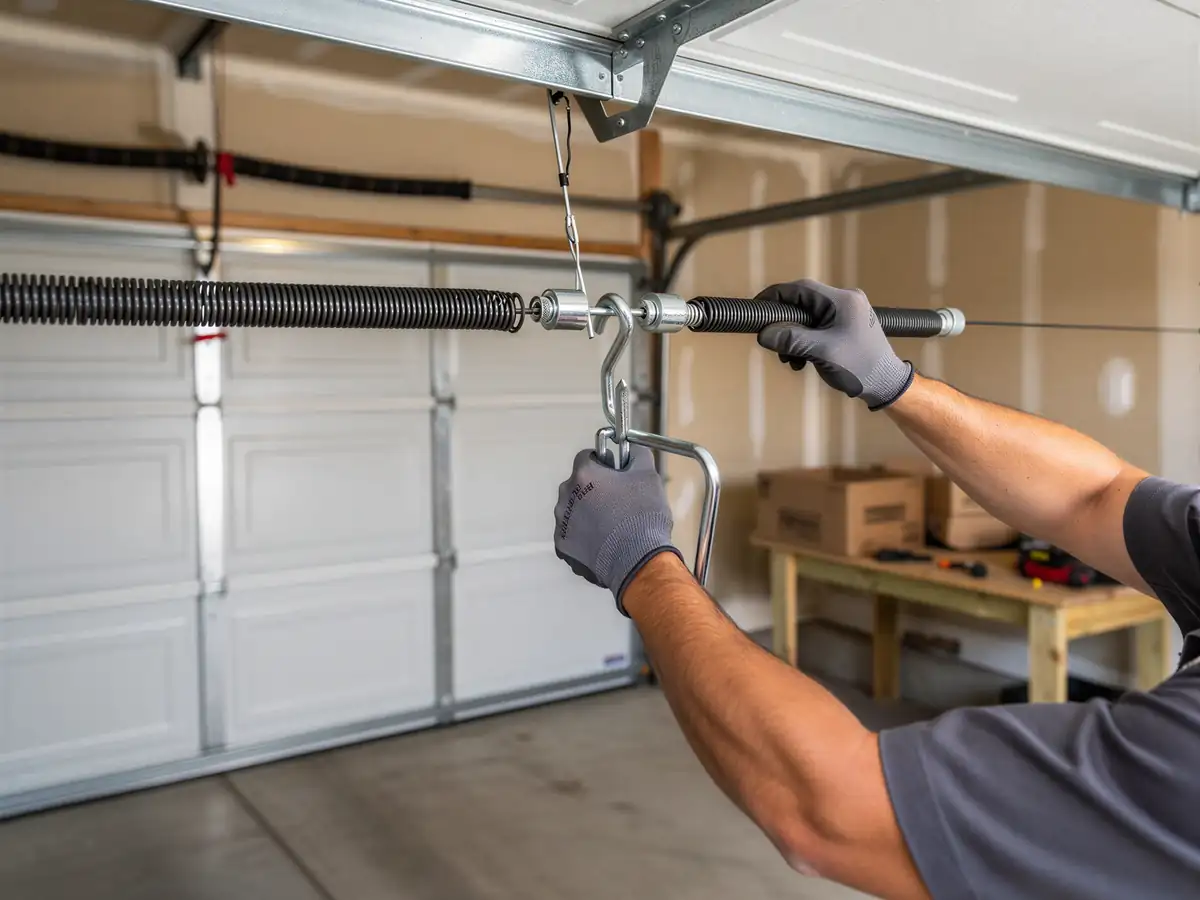
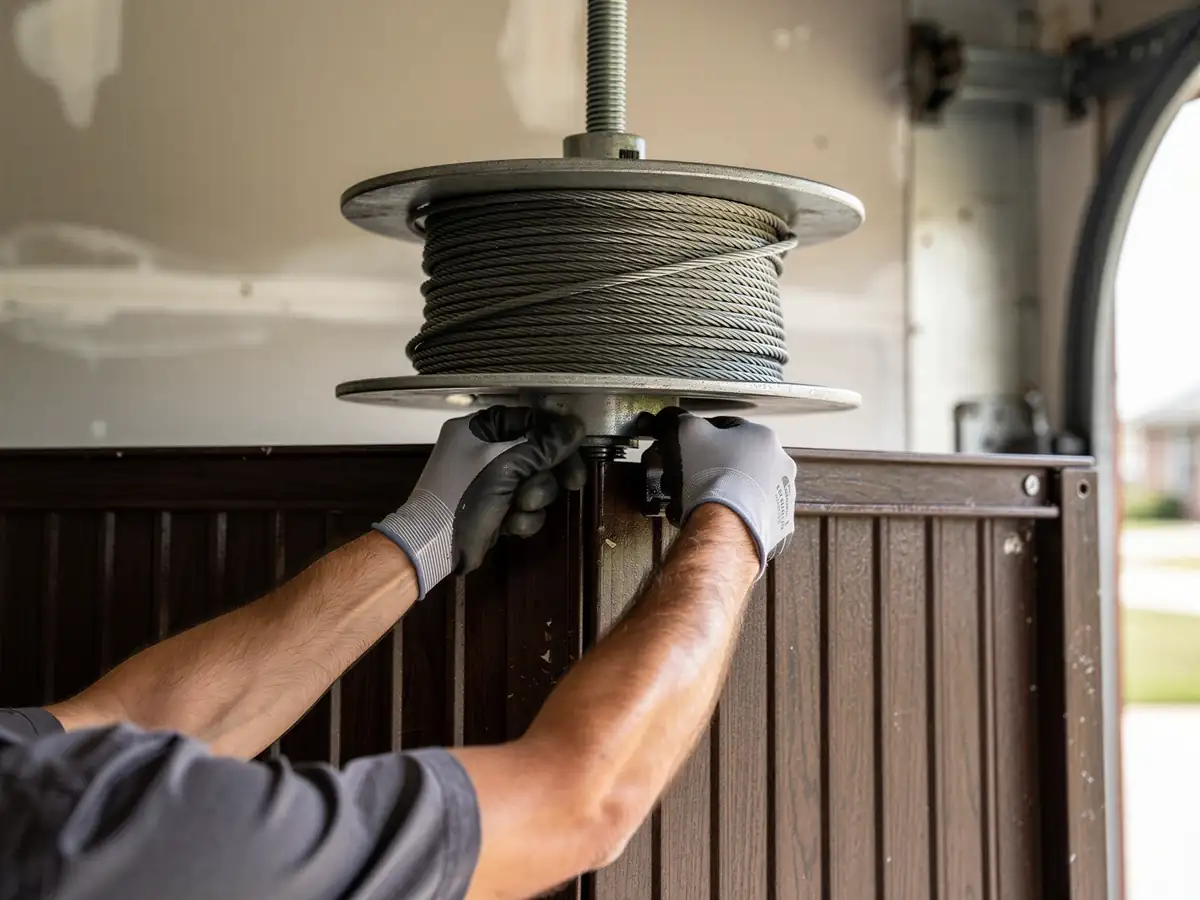
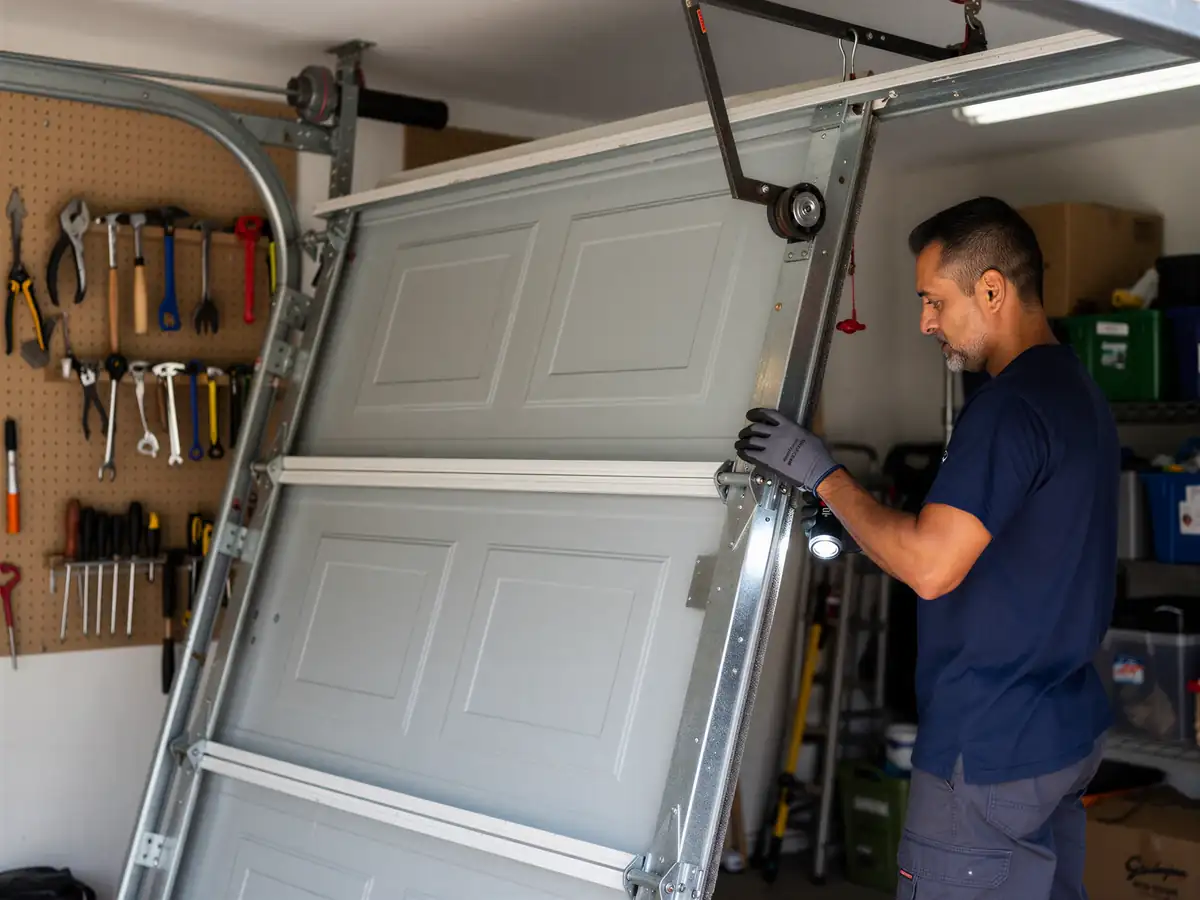
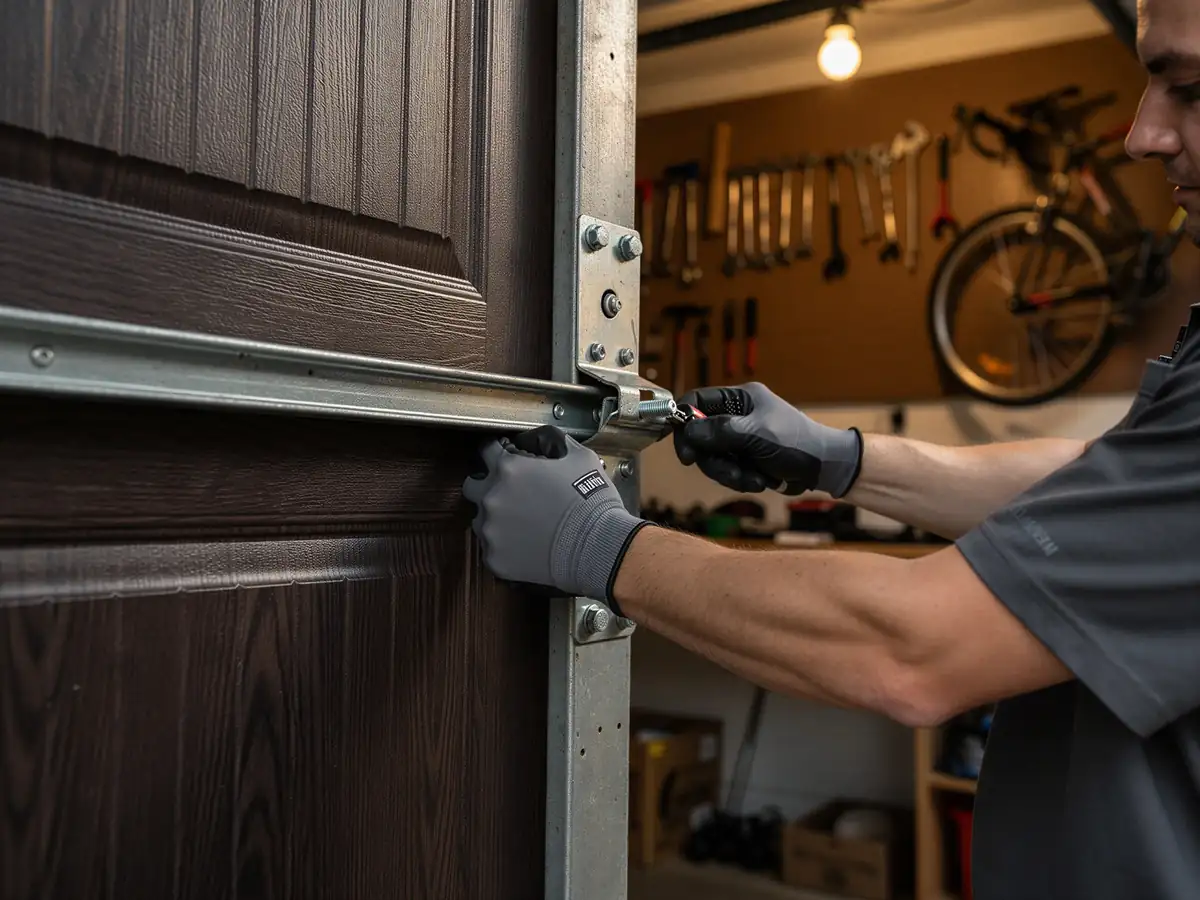
The call we hear most is some version of: the door went up fine yesterday, and today it won't move, or it moves about six inches and stops. That's almost always a torsion spring that's given out, and on a double door it usually snaps loud enough that people think something fell. The other common one is a door that runs but sounds rough - a popping or grinding noise as it travels, which points to a roller or a bent track rather than the spring. Less often we get an opener that runs but the door doesn't follow it; that's usually a stripped gear inside the unit, not the motor itself. None of these are mysterious once you're standing in front of the door, but they feel alarming from inside the house when you're just trying to leave for work.
Why It Happens Here
Watauga's housing mostly went up in the 1980s and 90s, with the broader service area spanning 1953 to 2014 and a median build year of 1993. A torsion spring is rated for a set number of open-close cycles, generally somewhere in the 7-to-15-year range depending on use, which means a house built in the 80s or 90s is sitting right in the window where the original spring - or even the first replacement - is due or overdue. We see this pattern across the 1980s-90s stock that makes up most of the 30 named areas in this service territory, not just in Watauga proper. The HEAT climate band adds a second layer: high summer temperatures dry out lubricant on rollers and hinges faster than in milder climates, and metal expansion from heat cycling puts extra strain on tracks that are already slightly out of alignment. Put those two together - aging original hardware and heat-accelerated wear - and spring failure plus rough-running tracks are the two things we fix most, in that order.