Can You Do This Yourself
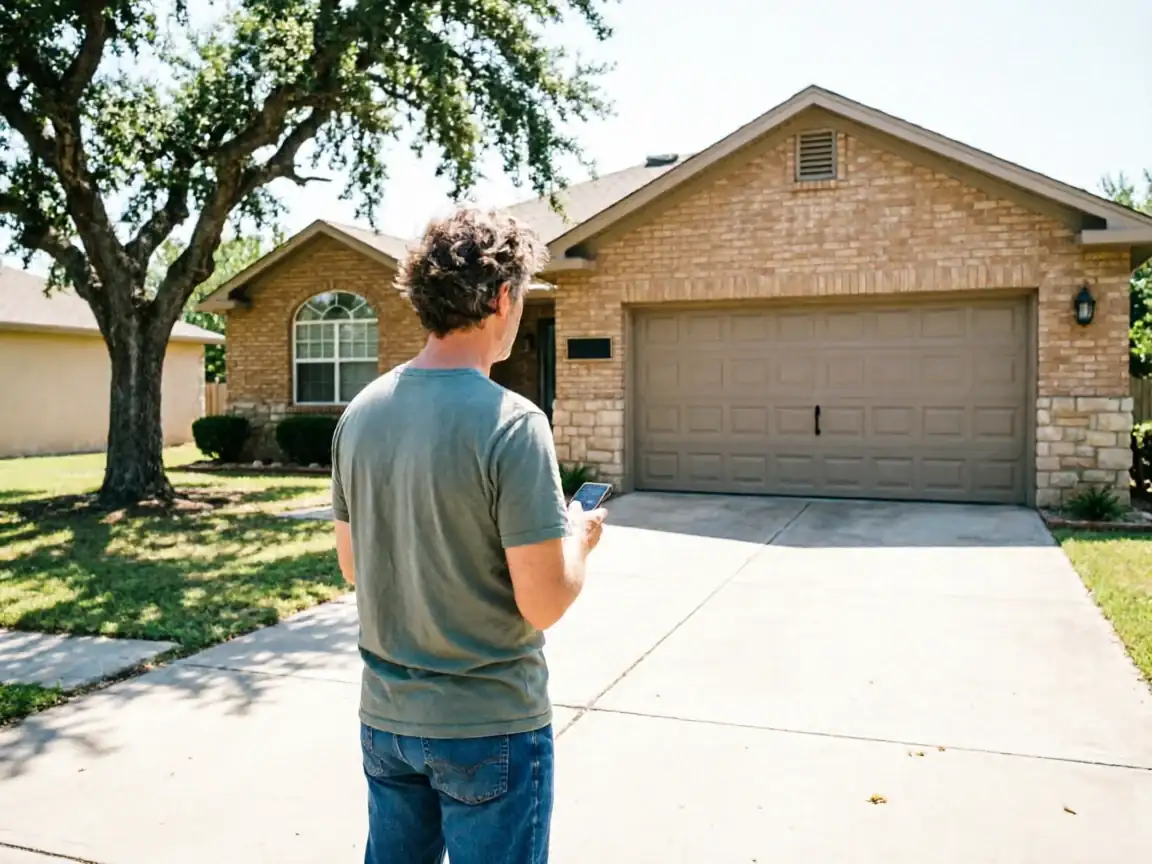
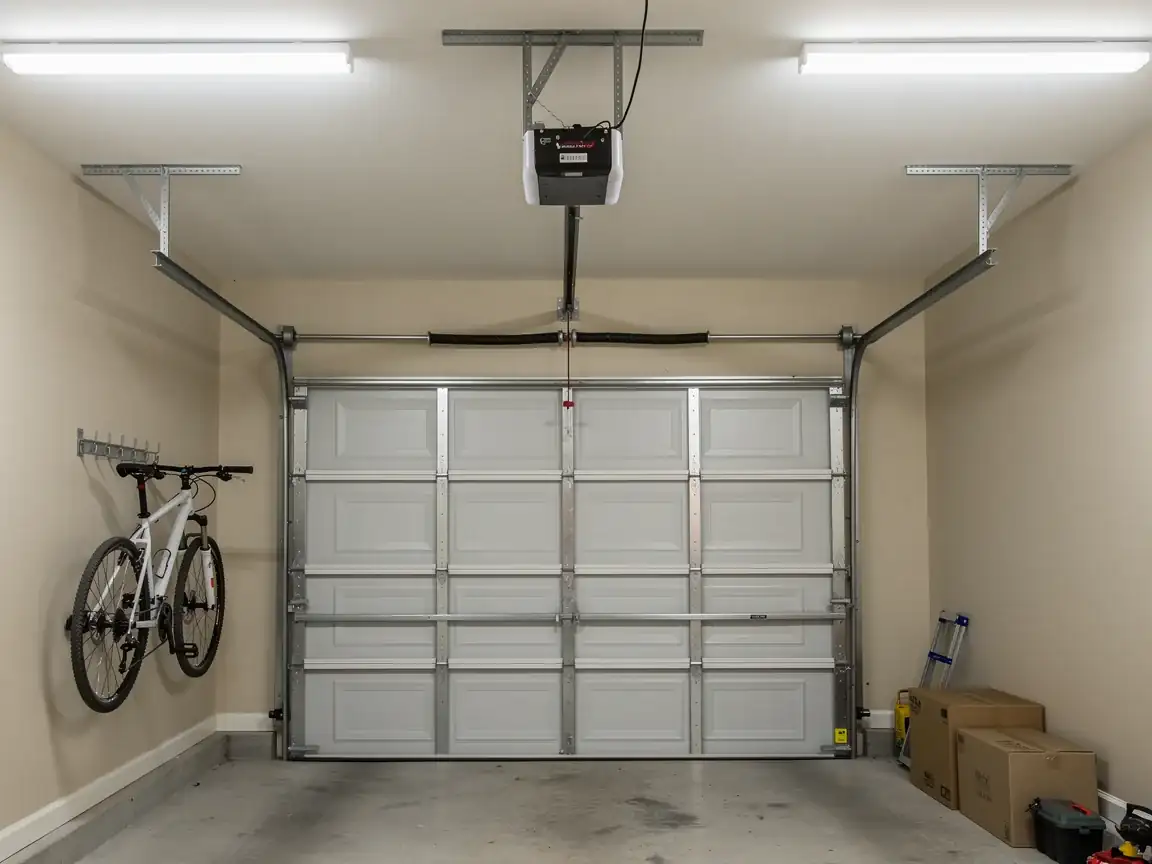
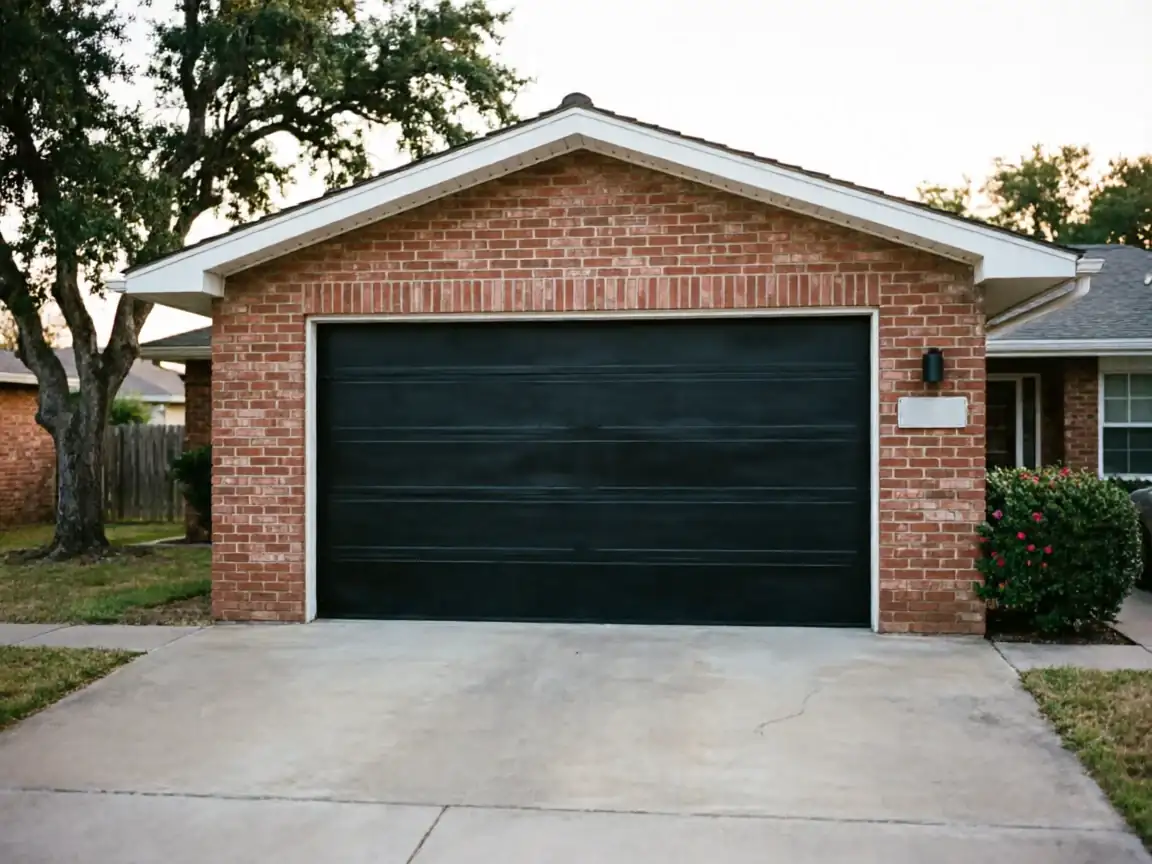
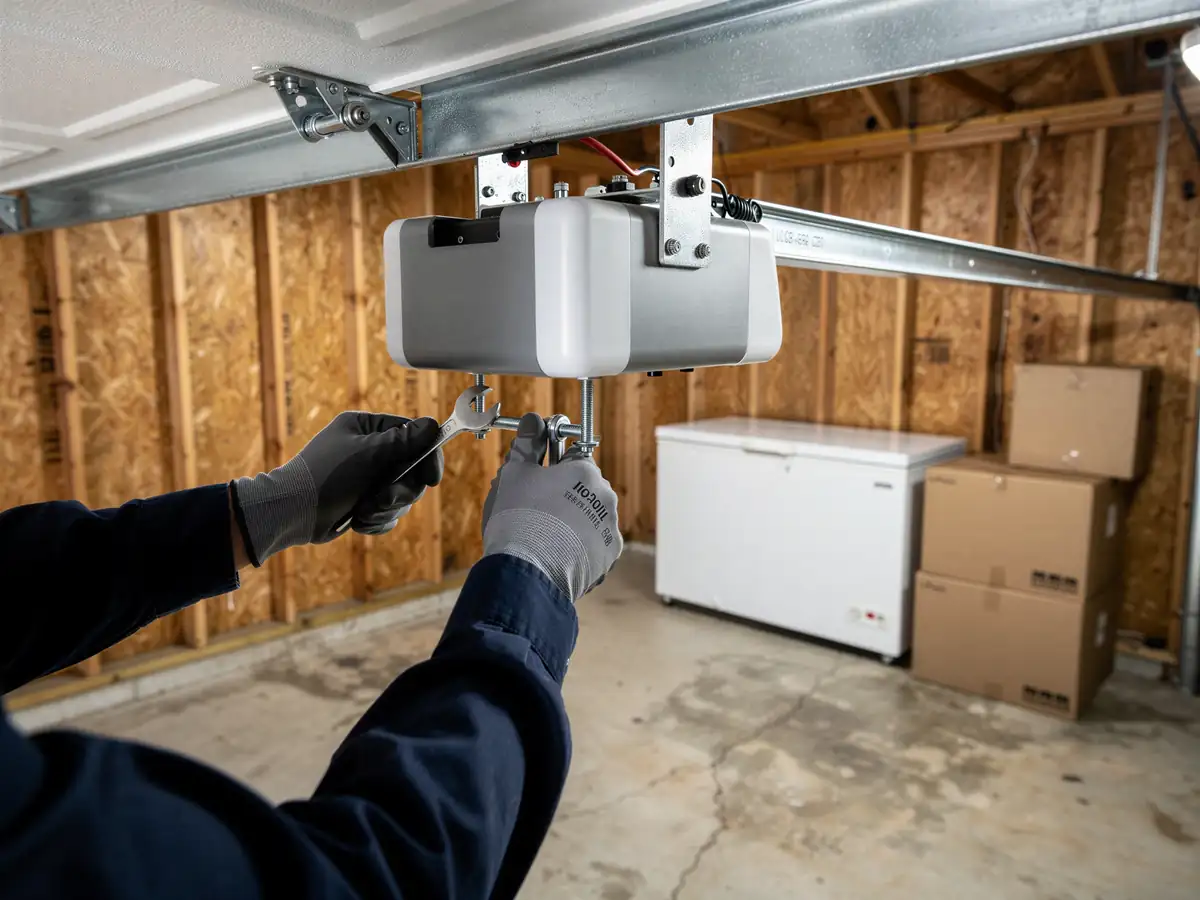
A lot of Trophy Club garages already have an opener from the original build, since most houses here date to around 2000 rather than the older stock you'll find closer to Watauga. That means you're usually swapping a working bracket and rail setup, not fighting 1960s framing. If your opener is a standard 1/2 HP chain or belt unit on a steel rail, a handy homeowner can get through the mechanical mount in an afternoon. Where it gets harder is the electrical tie-in, the force and travel adjustment, and getting the safety sensors aimed so they actually trip. We've seen openers hung and running that never pass a real safety check - the door closes on something instead of reversing. That's not a hardware problem, it's a setup problem, and it's the part most DIY installs skip. If your garage has a newer opener already wired for a smart hub or battery backup, matching that wiring correctly matters more than the mounting. We're honest that this isn't always a call-the-pro job - a straightforward swap on a newer rail system, done carefully, is within reach for most owners. Where we come in is when the bracket geometry's off, the door's out of balance, or you want it done once and correct.
How Long It Takes
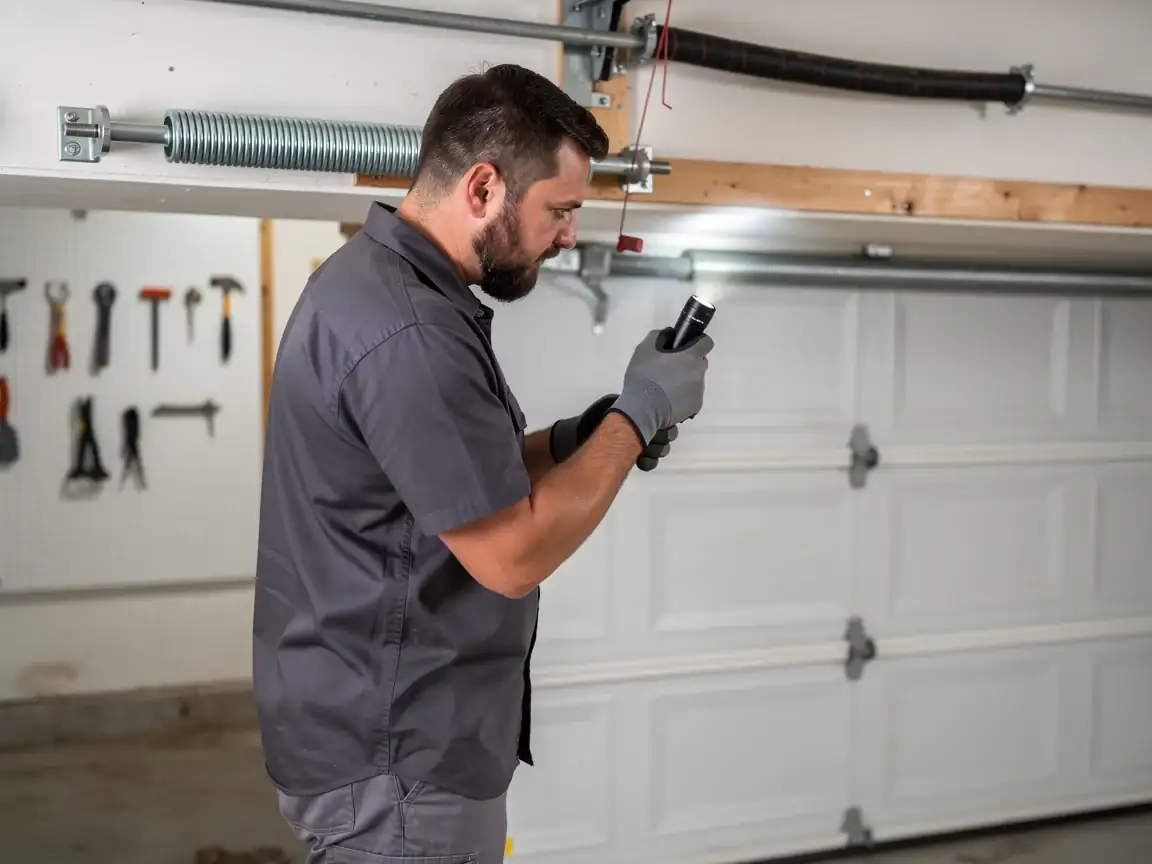
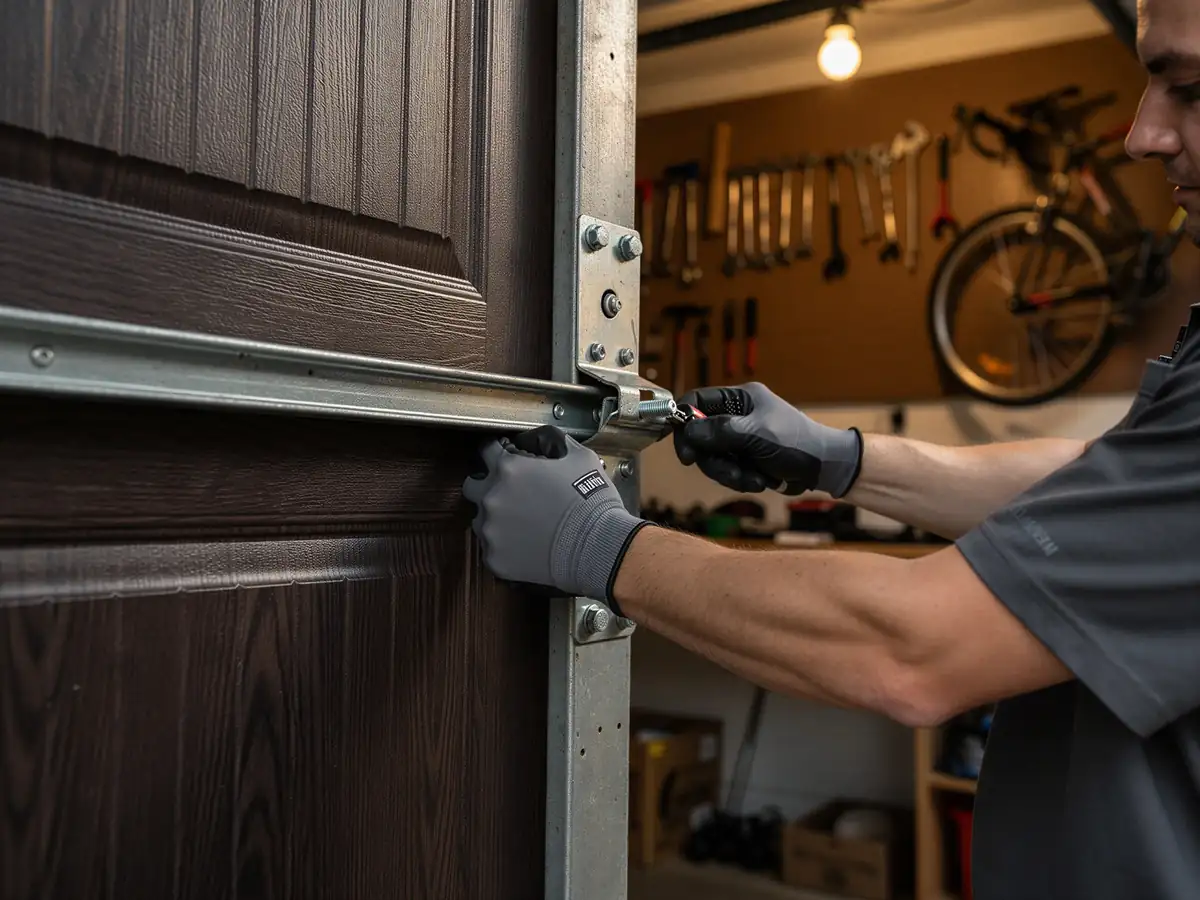
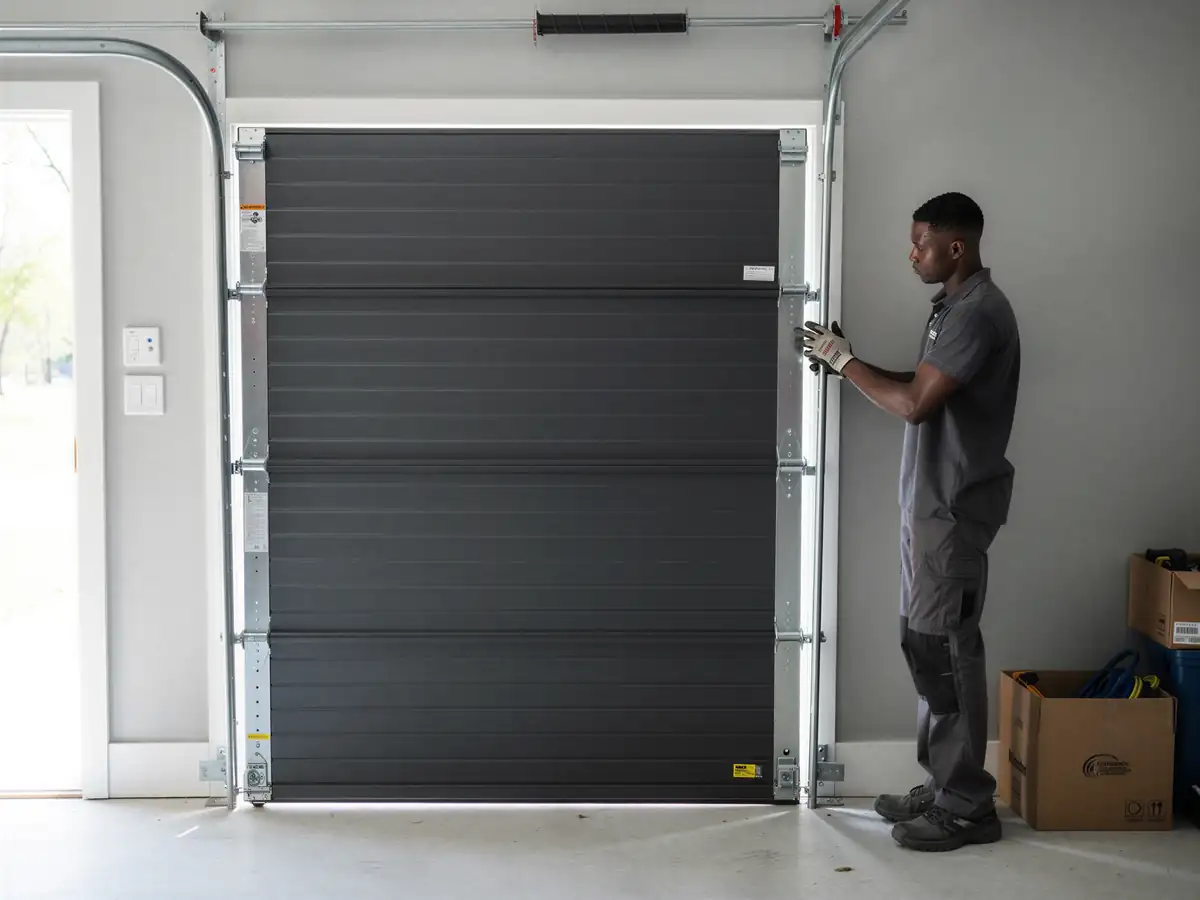
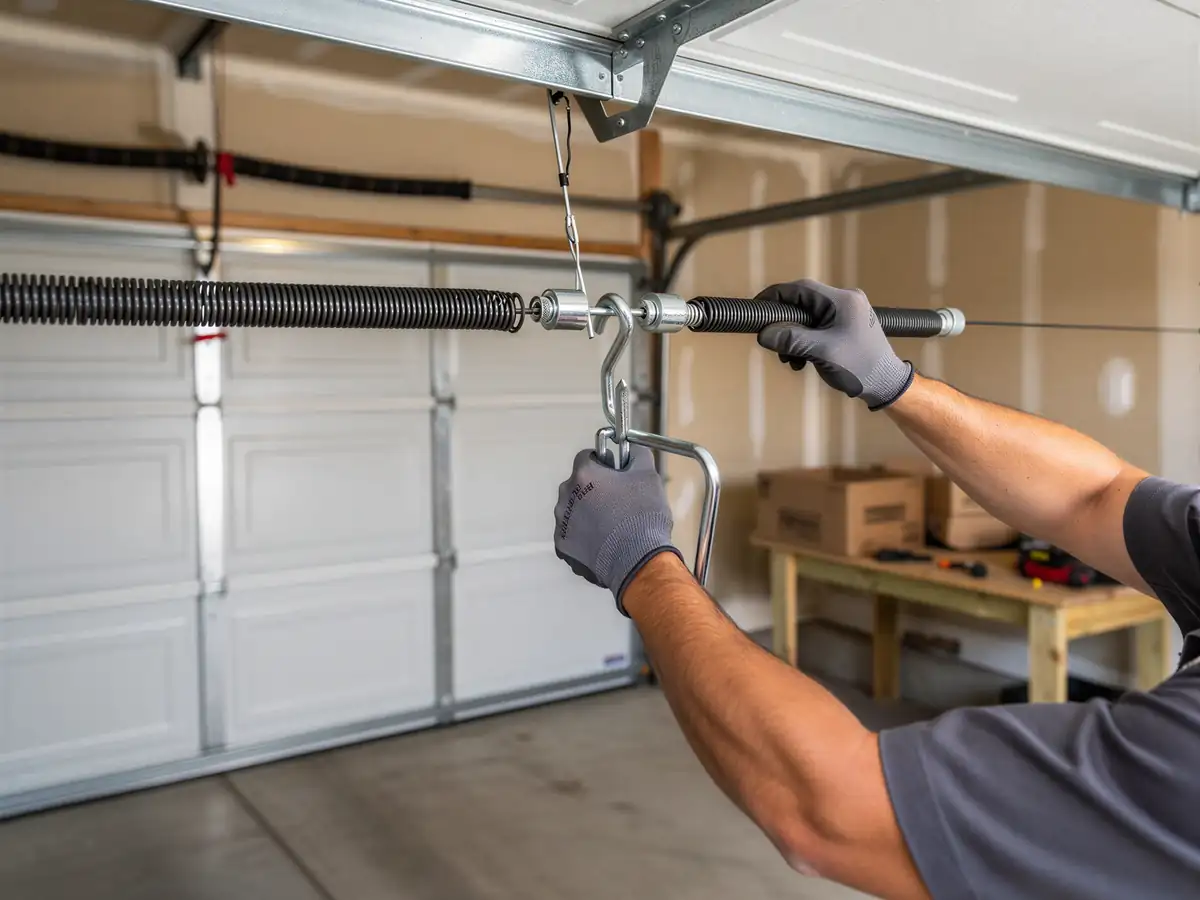
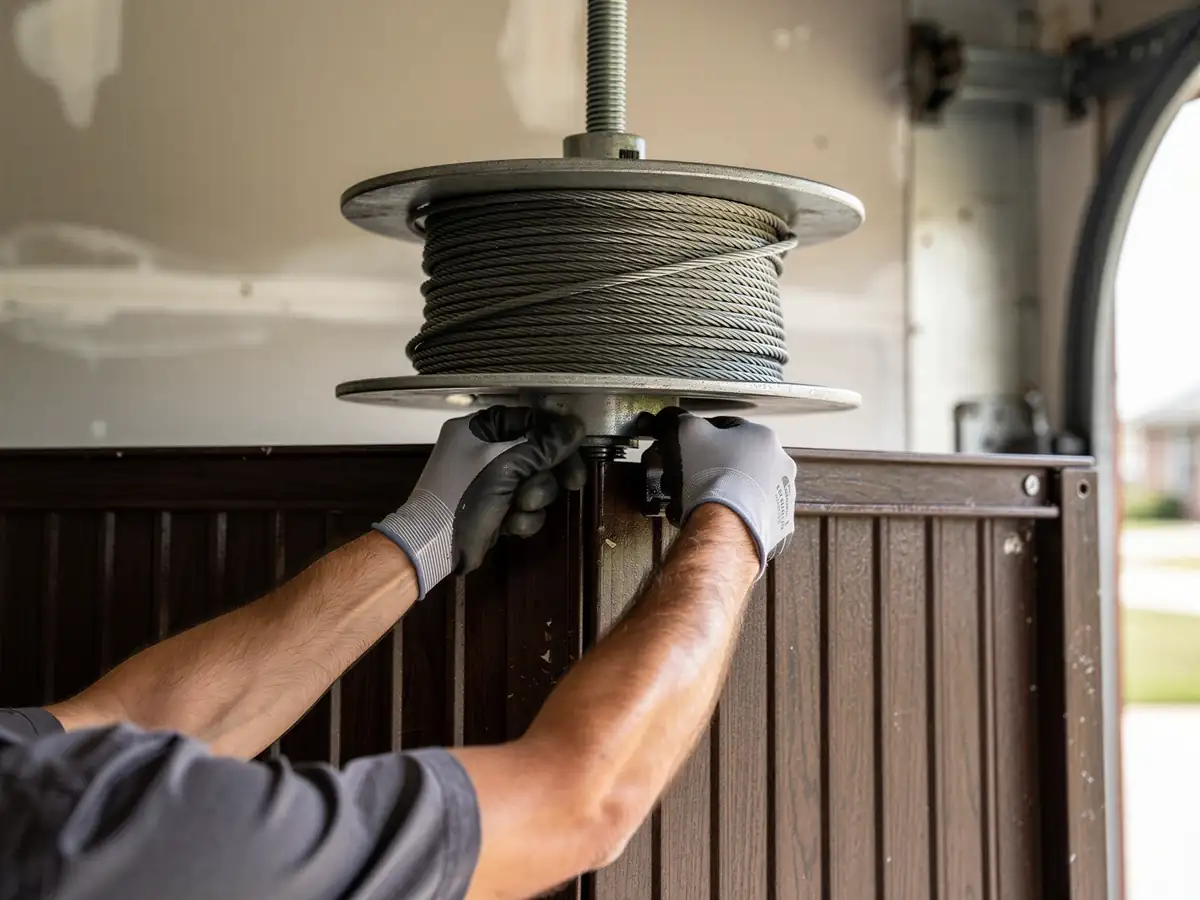
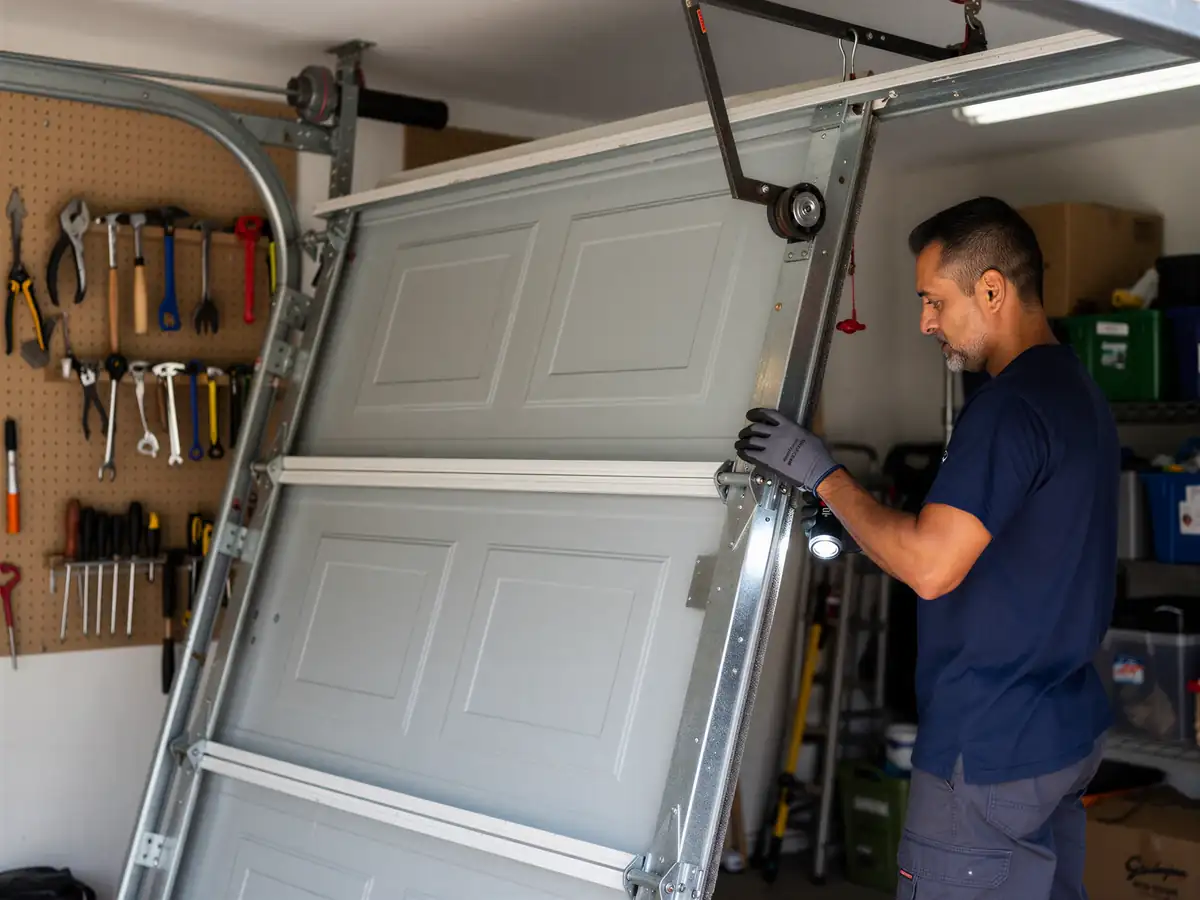
Because Trophy Club building stock runs newer than a lot of what we cover from Watauga, most jobs here are a clean swap - old opener off the same rail and bracket points, new one on - rather than a full rework of mounting hardware from scratch. That keeps the visit shorter than it would be on an older door with a non-standard header or a rail that needs new brackets entirely. We're driving about 10 miles out from Watauga to get to you, so figure that into when you'd want us there rather than how long the actual install takes once the truck's in the driveway. The work itself is mechanical - un-mounting the old unit, mounting the new one, running wiring to the wall control and sensors, setting travel limits and force settings, and testing the auto-reverse with a real object in the door's path. A straight swap on a working, balanced door moves faster than one where we find a spring that's tired or a track that's bent, which is common enough on any house regardless of build year.
The Symptom
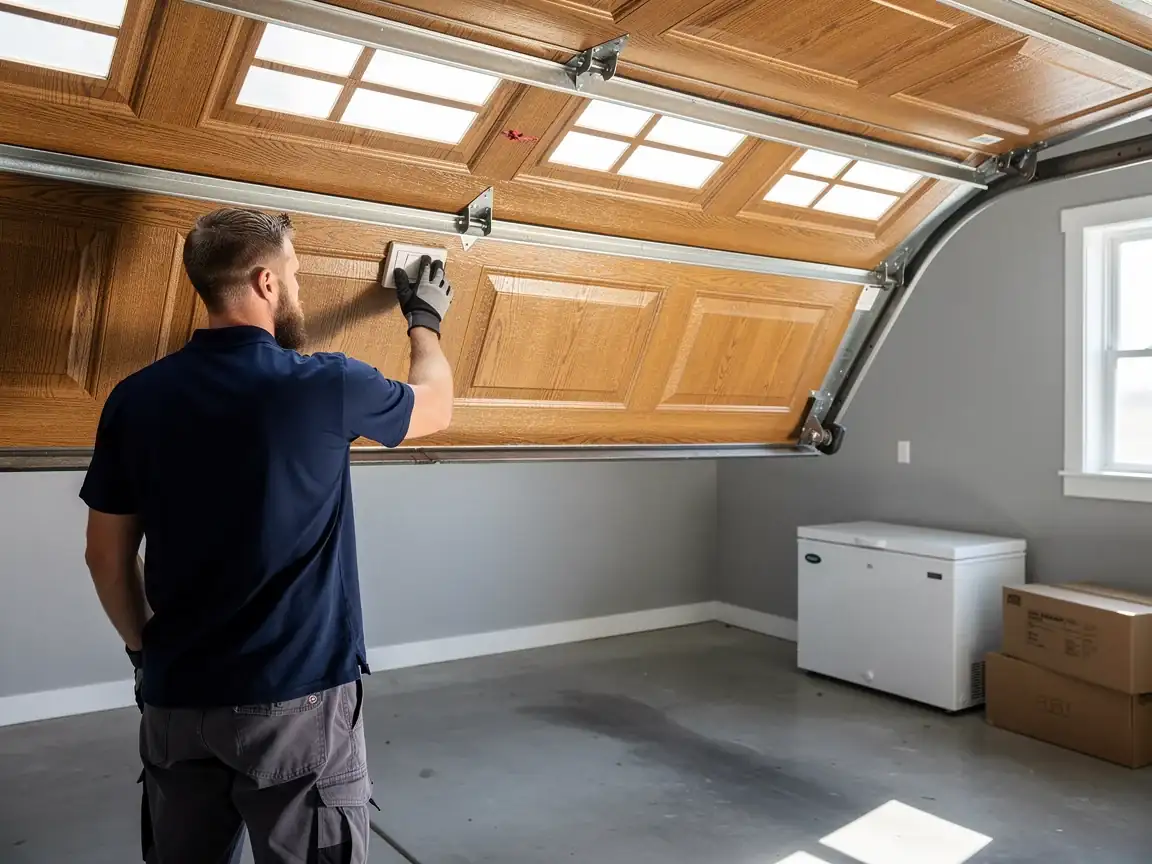
The call we get most from newer-built areas like Trophy Club isn't a dead opener - it's one that runs but won't reverse, or one that closes partway and reverses for no visible reason. On a house built around 2000, that's usually a sensor that's drifted out of alignment, a logic board nearing the end of its run, or force settings that were never tuned right after the original install. It's a different failure pattern than what we see on older housing stock closer to Watauga, where the opener itself has simply outlived its gears. If your opener still runs fine mechanically but the remote range has gotten short or the wall button is unreliable, that's often wiring or a weak receiver rather than a sign the whole unit needs replacing - worth a look before you spend on a new install.
Booking a Visit
We come out to Trophy Club from our base in Watauga, about 10 miles away, so we schedule the trip rather than treating it as a drop-by. Tell us what you've got now - chain, belt, or screw drive, and roughly how old it is - and we'll bring the right opener and hardware rather than guessing on-site. If you're not sure what's installed, a photo of the motor unit label helps more than a description. See our Trophy Club area page for what else we cover out here, or check the Watauga opener installation page if you're closer to that side of the service area.