What Was Built Here
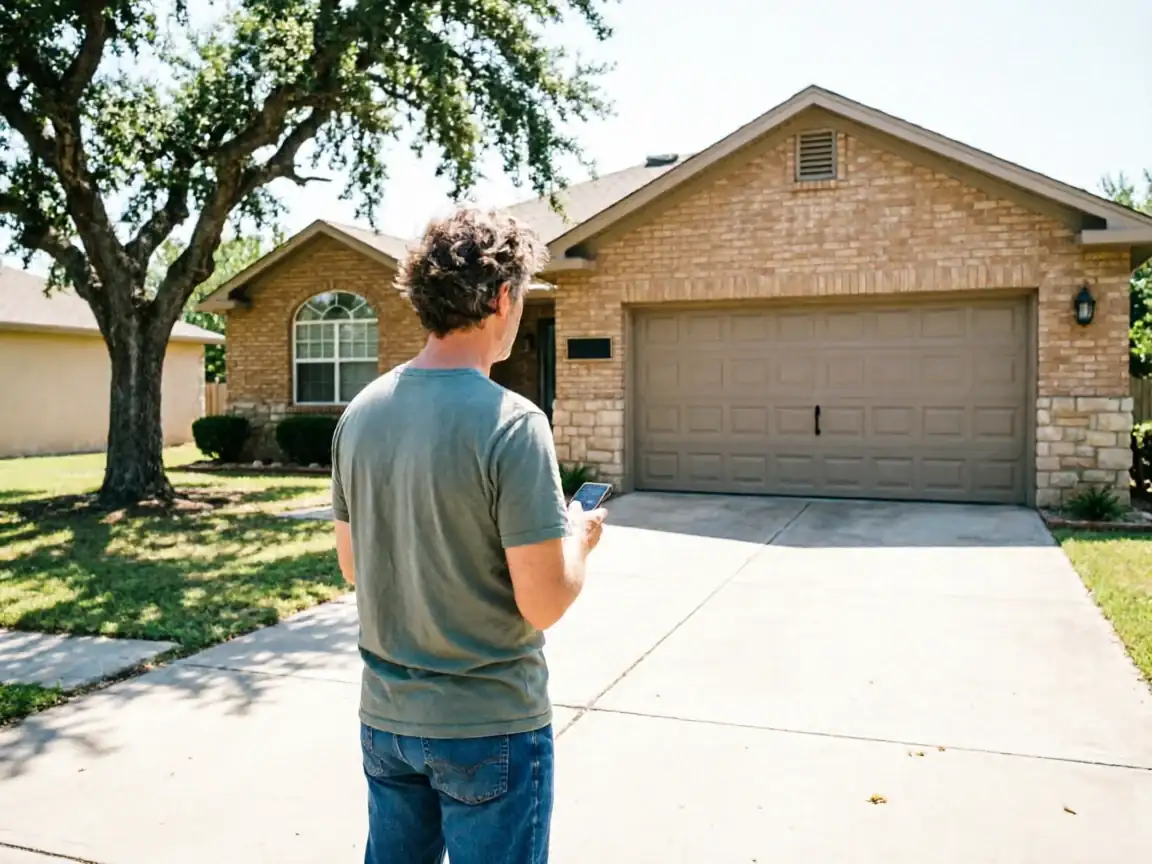
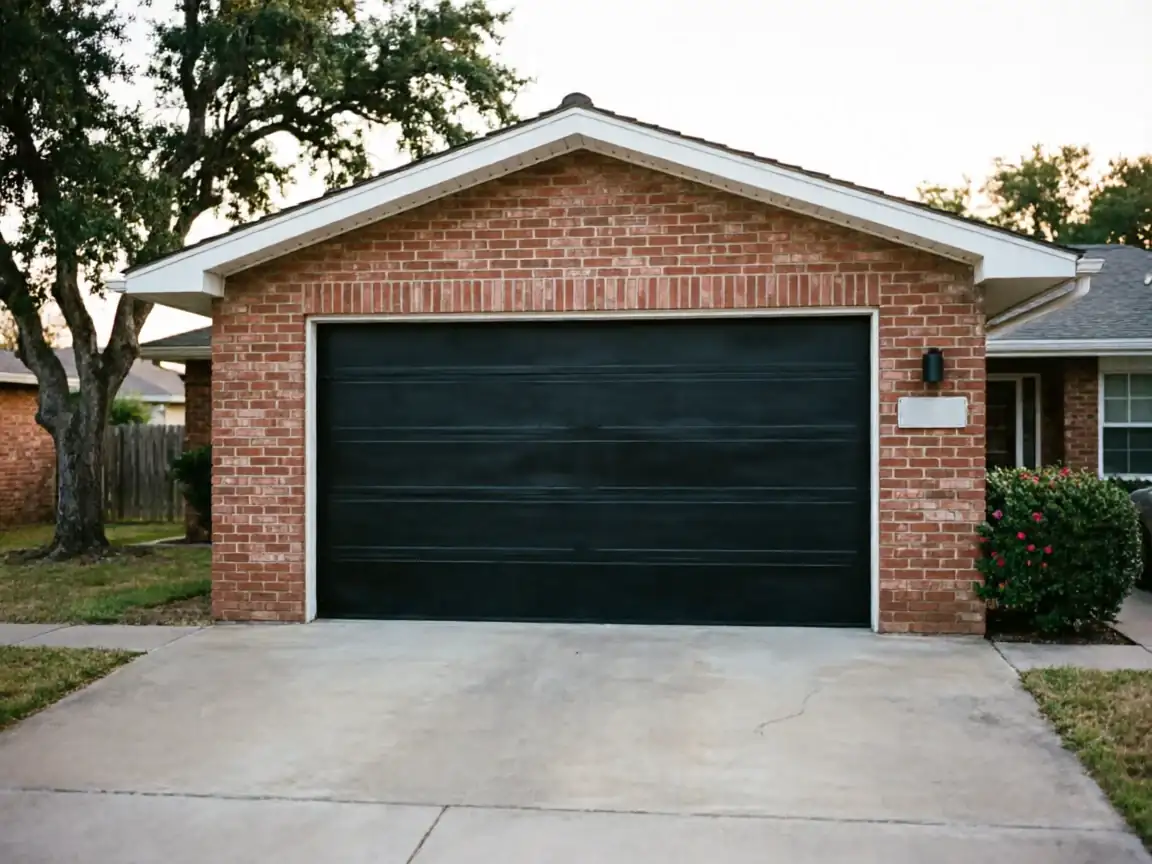
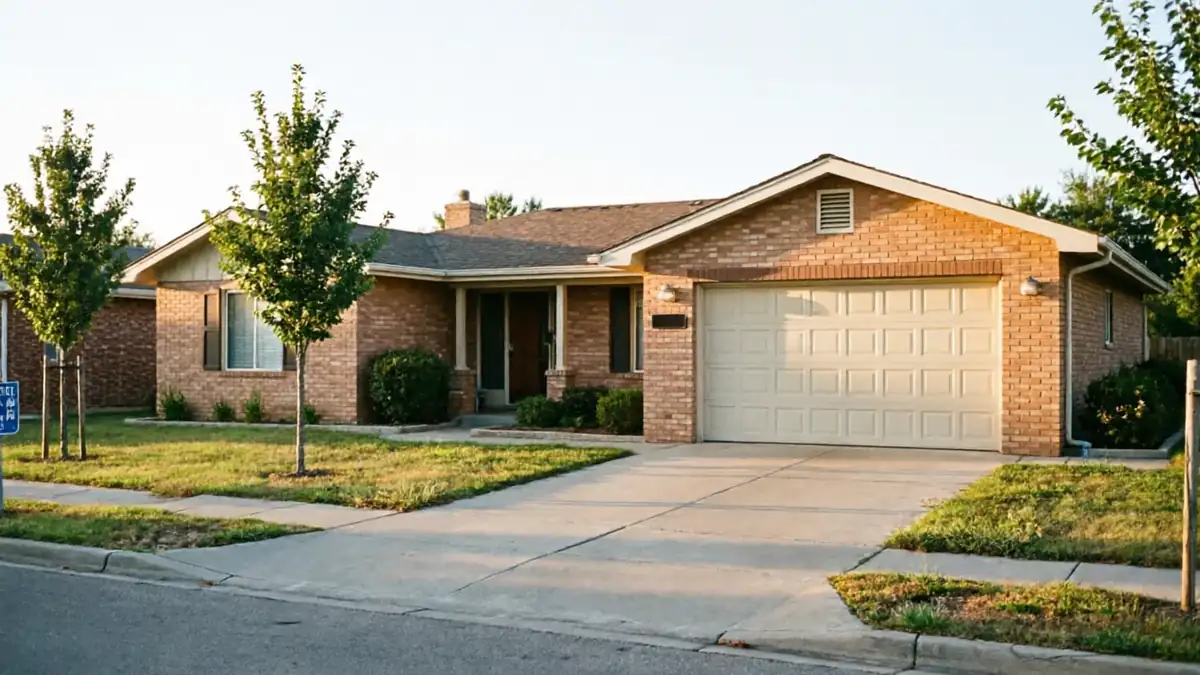
Across the whole service area the median house dates to 1993, but Saginaw runs newer than that. The median build year here is 1999, which puts most of the neighborhood into the tail end of the 1990s building boom rather than the 1980s wave that shaped a lot of the surrounding map. That six-year gap matters more than it sounds like. By 1999 builders here had mostly standardized on steel sectional doors with factory torsion springs instead of the older extension-spring setups, and openers were starting to carry early circuit boards instead of pure mechanical limit switches. With 8,684 households in Saginaw and a median income of $98,003, this is also a market where people tend to replace rather than nurse along a door that's acting up - the budget is there, and most of the housing stock is young enough that a full tear-out isn't usually the only option. You still find pockets that predate the main build-out, but they're the exception, not the rule, which changes how we approach a service call out here versus somewhere still dominated by 1980s construction.
What That Means for Doors
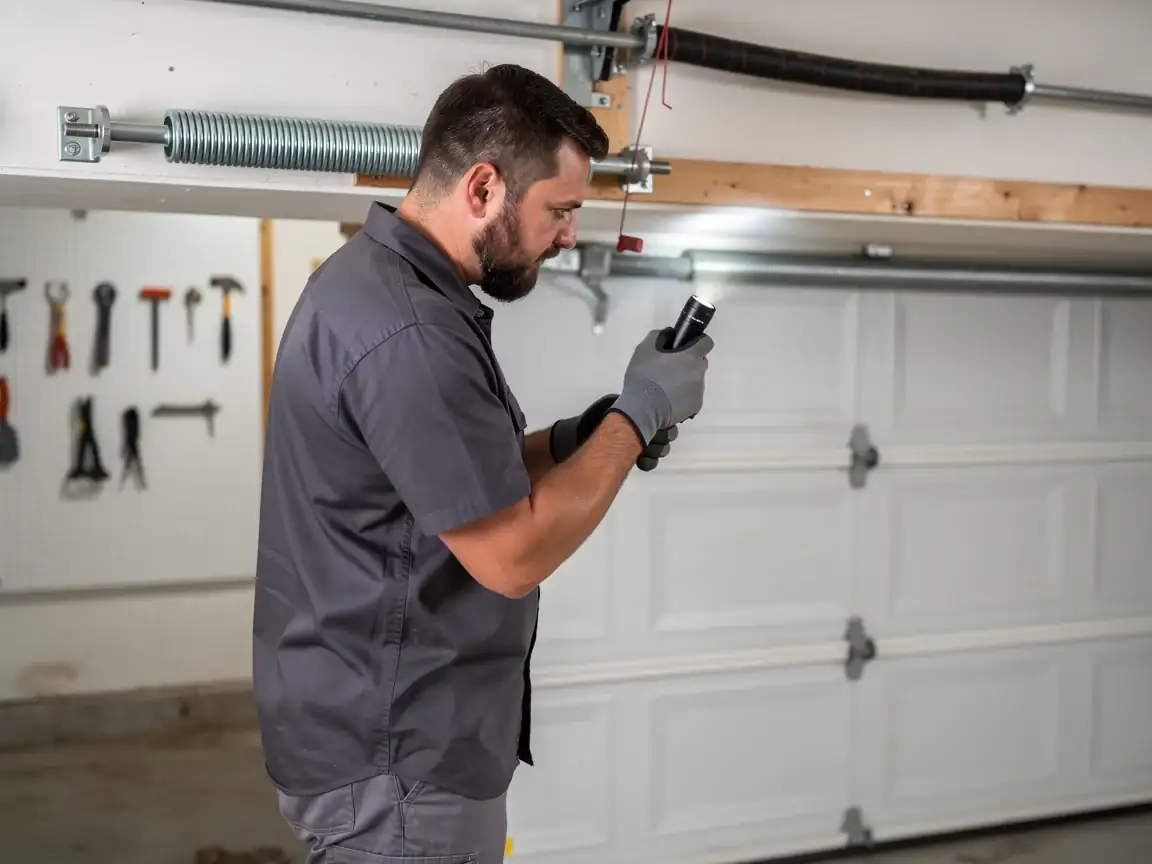
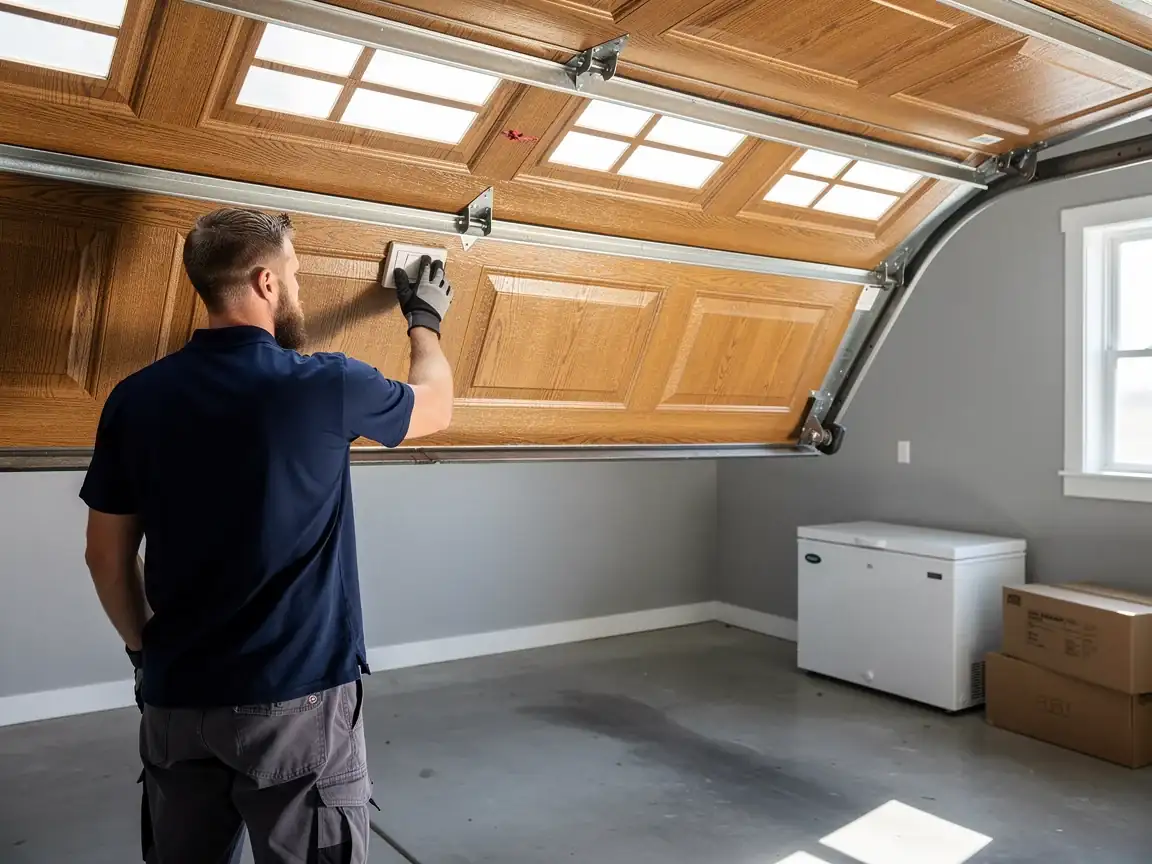
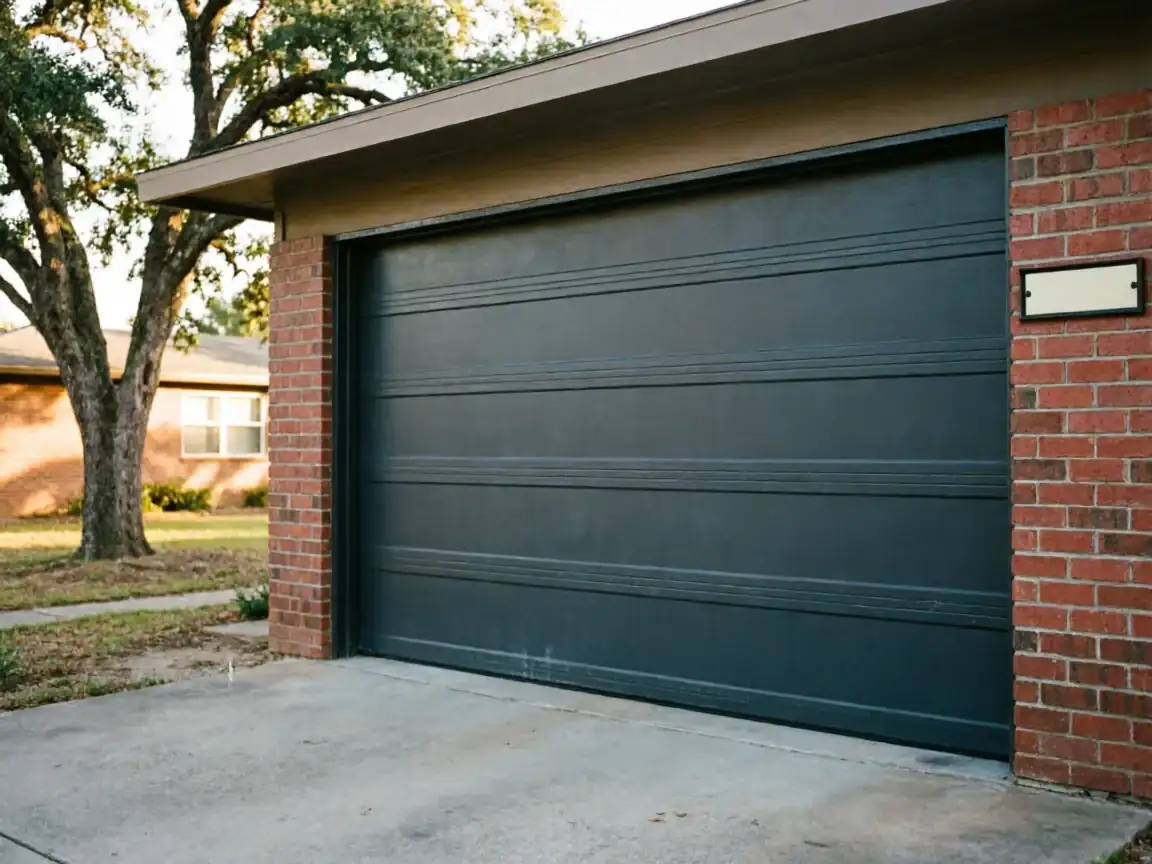
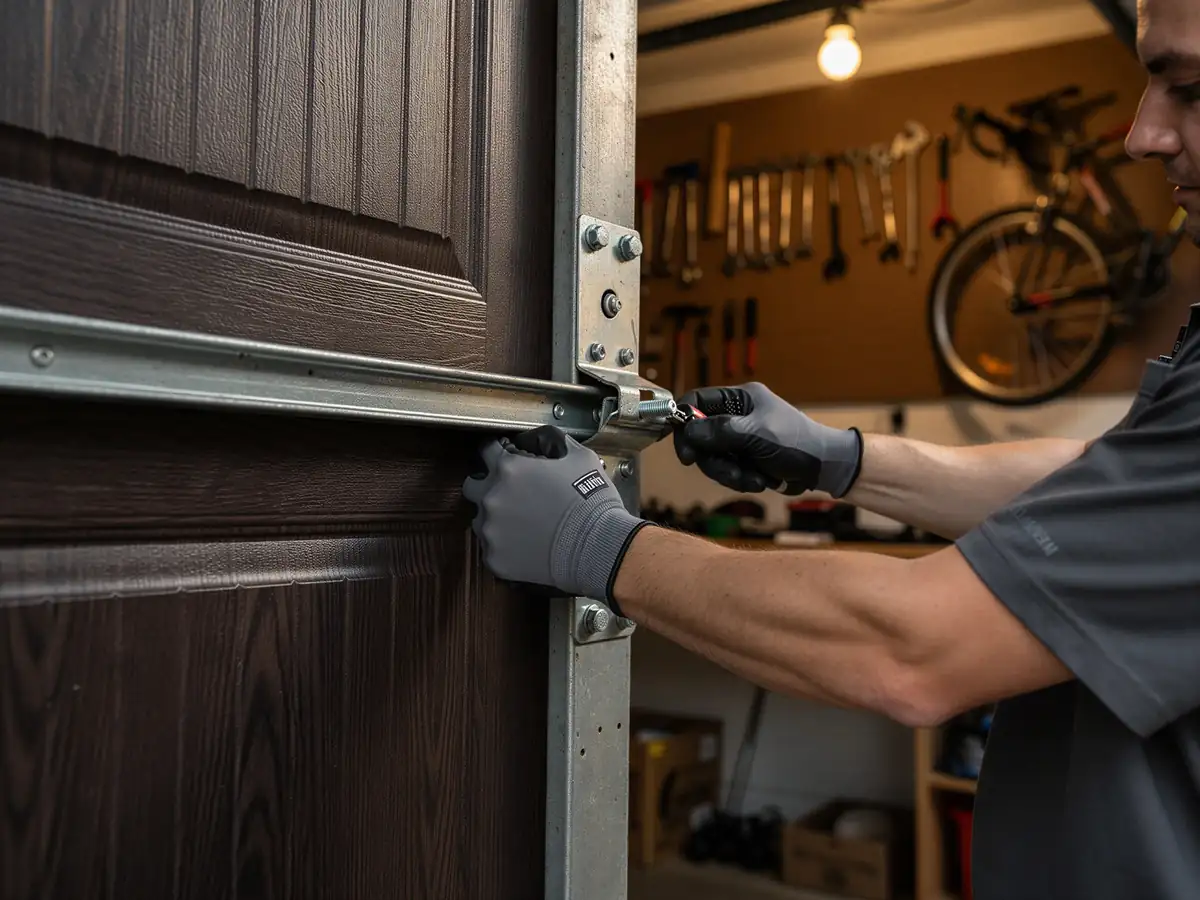
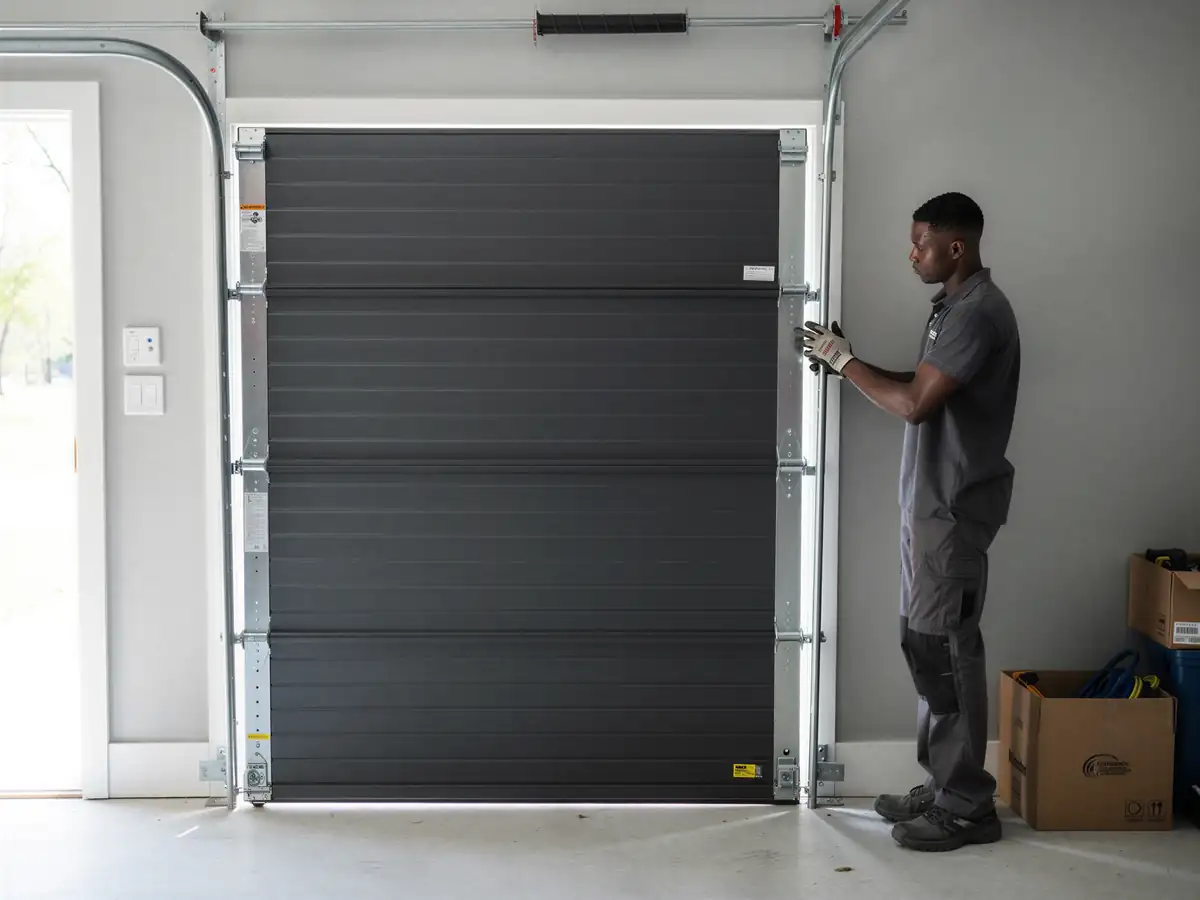
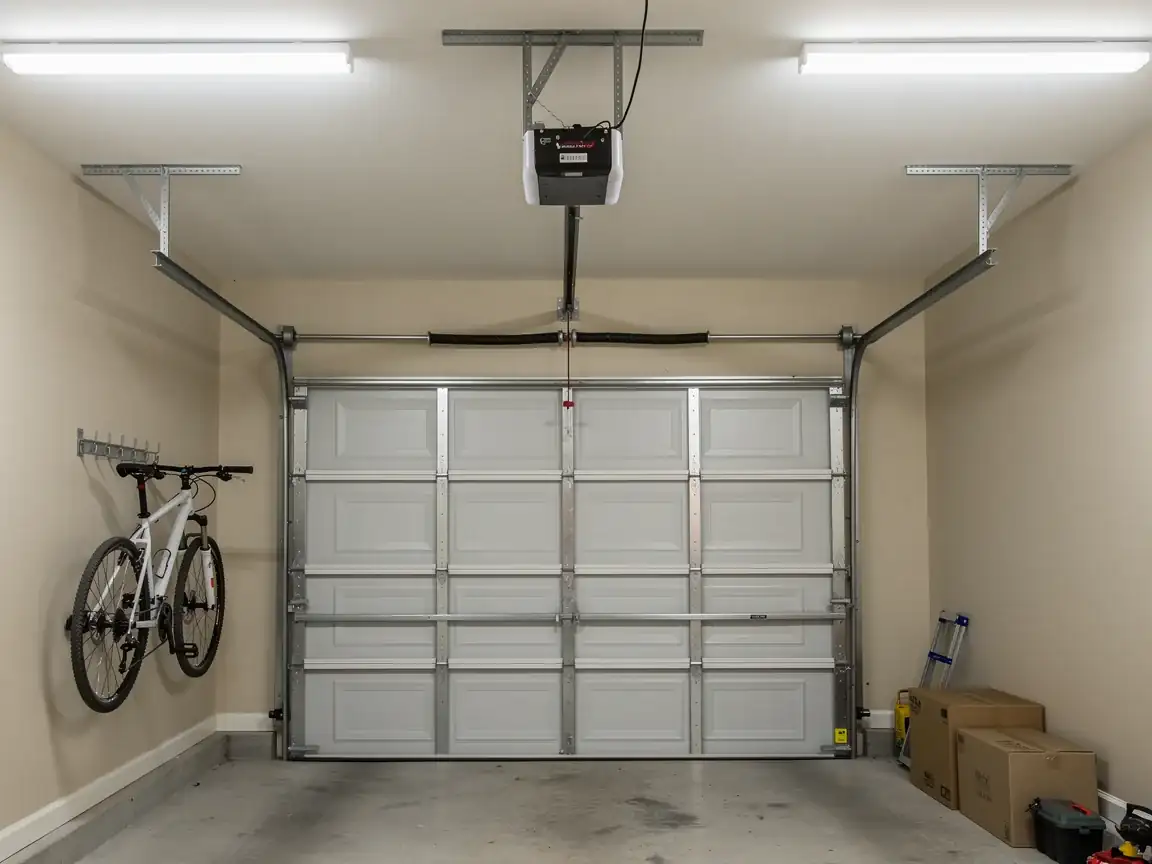
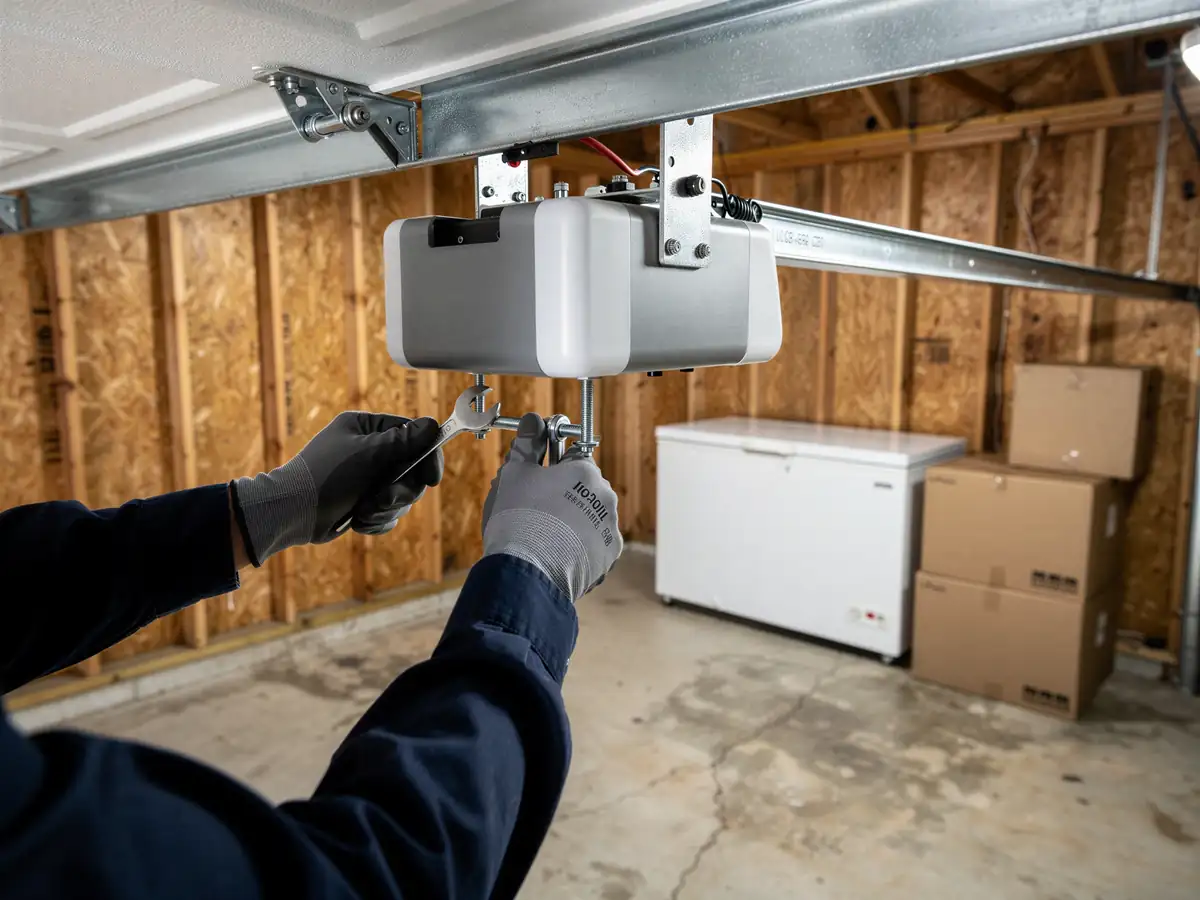
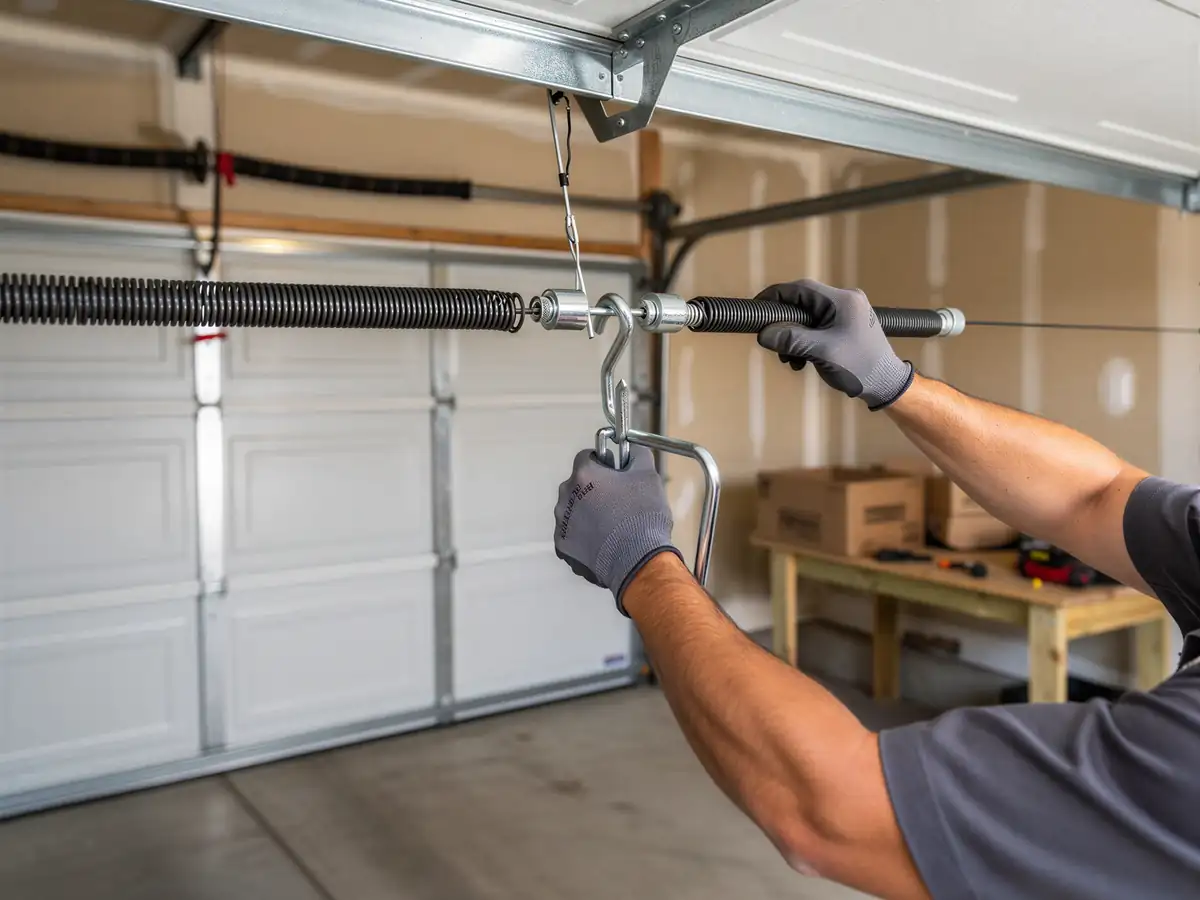
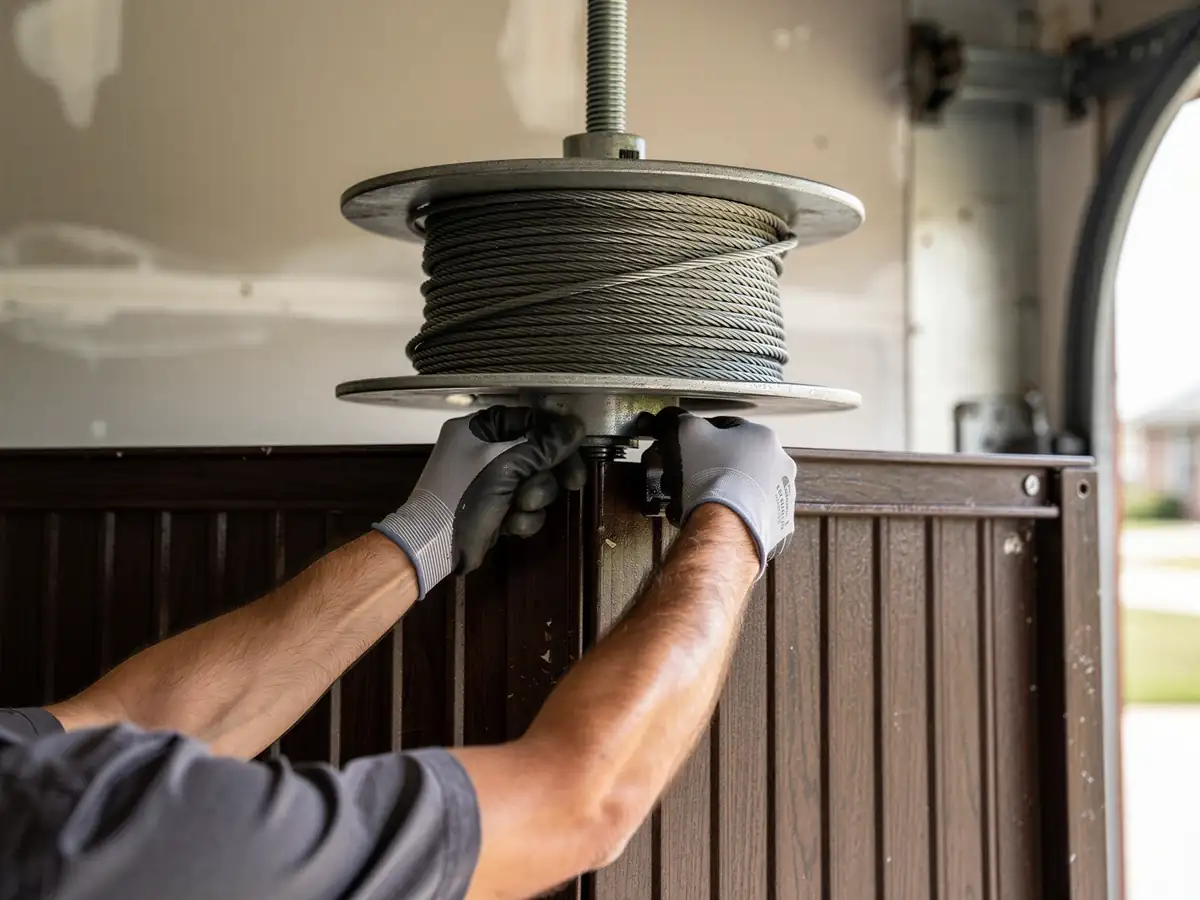
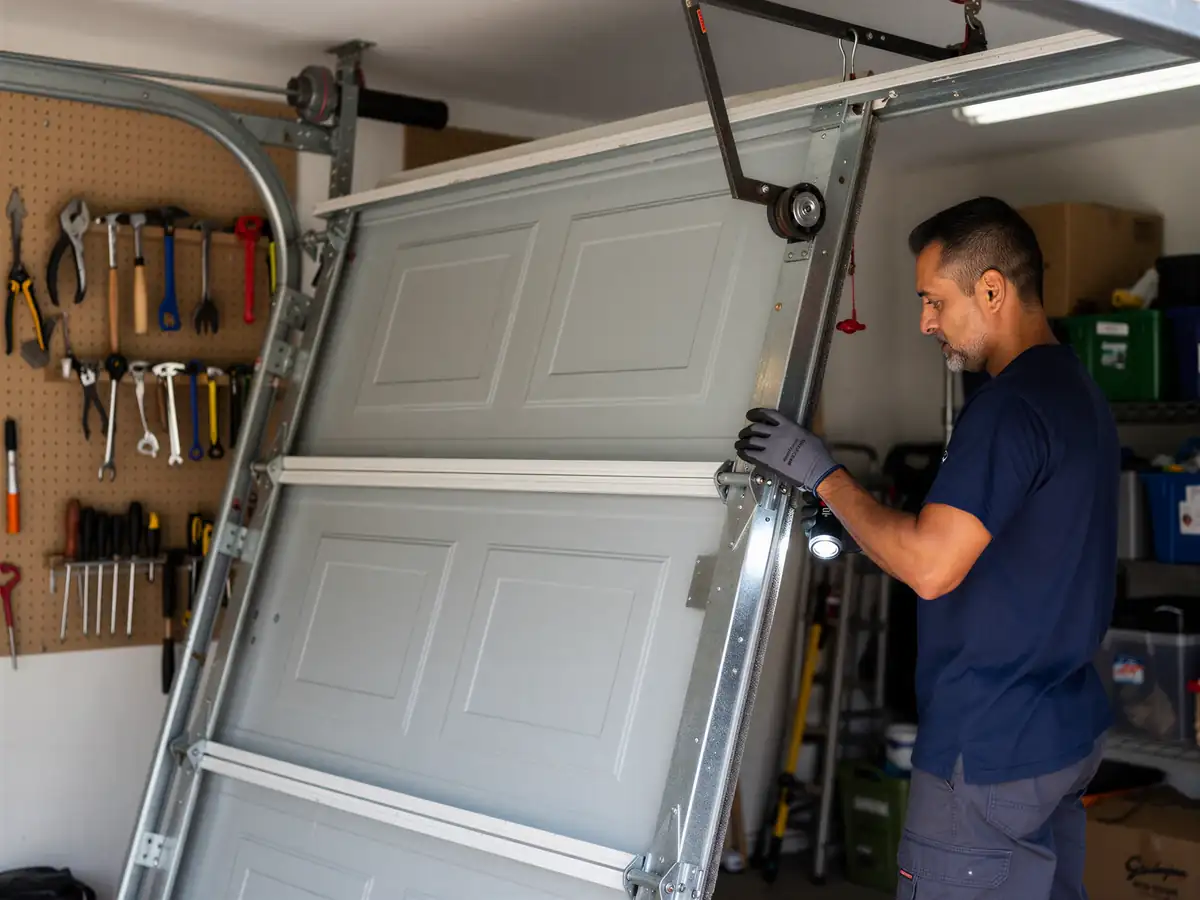
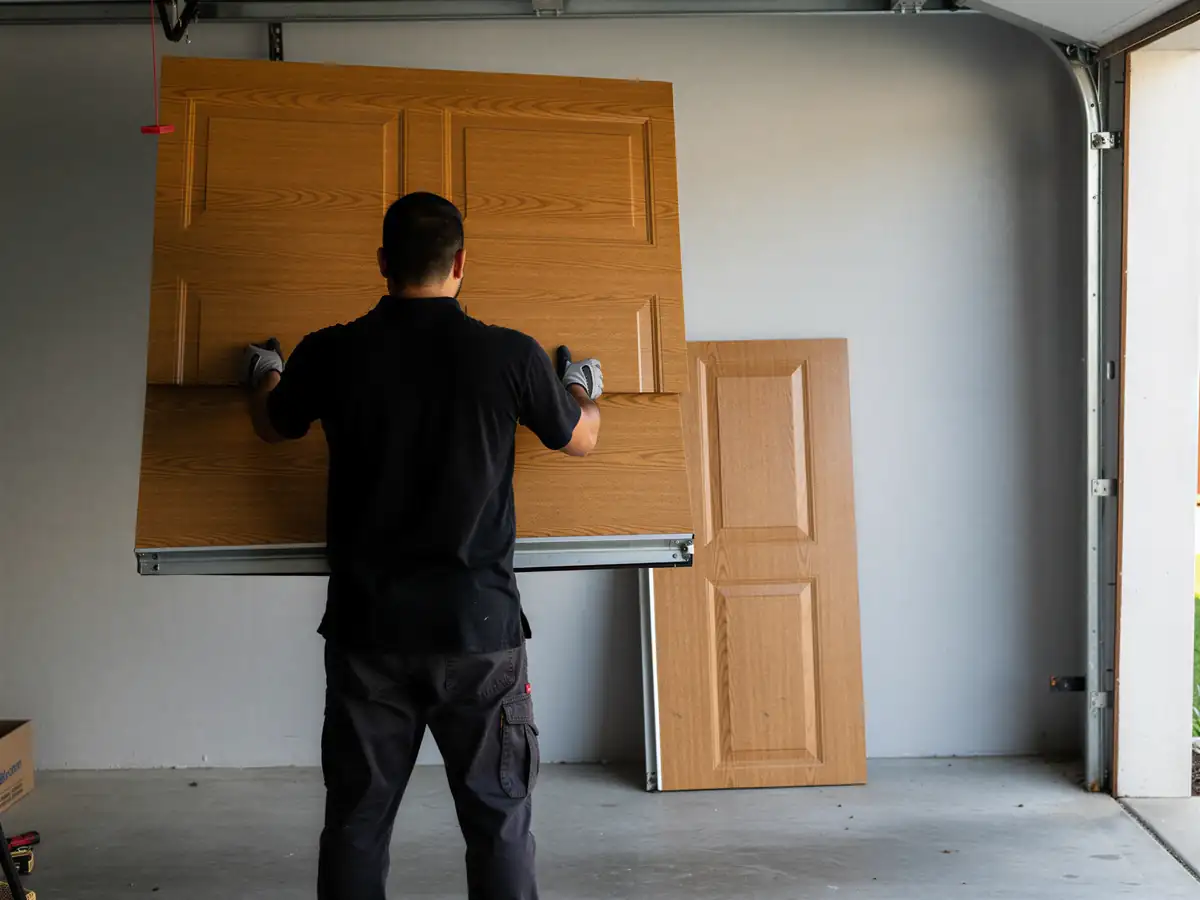
A door installed around 1999 is old enough to need spring, cable, and roller work now, but new enough that the hardware is still in a format most suppliers carry. That's the practical upside of Saginaw's build year. Torsion springs from this era are a known size range, steel panels are standard rather than the odd aluminum or wood-composite styles from earlier decades, and openers from the late '90s usually take a straightforward board or motor swap rather than a full unit replacement. The failures we see from this vintage are predictable: torsion spring fatigue after two decades of cycles, worn nylon rollers that were standard-grade rather than sealed-bearing, and openers whose logic boards are aging out even though the motor and rail are fine. Compare that to a 1980s-built street nearby, where you might still find extension springs mounted overhead with no safety cable, or an opener with no auto-reverse sensors at all - a different repair conversation entirely. Saginaw's housing age means we're usually working with modern-format parts, not chasing down obsolete hardware.
The Drive Over
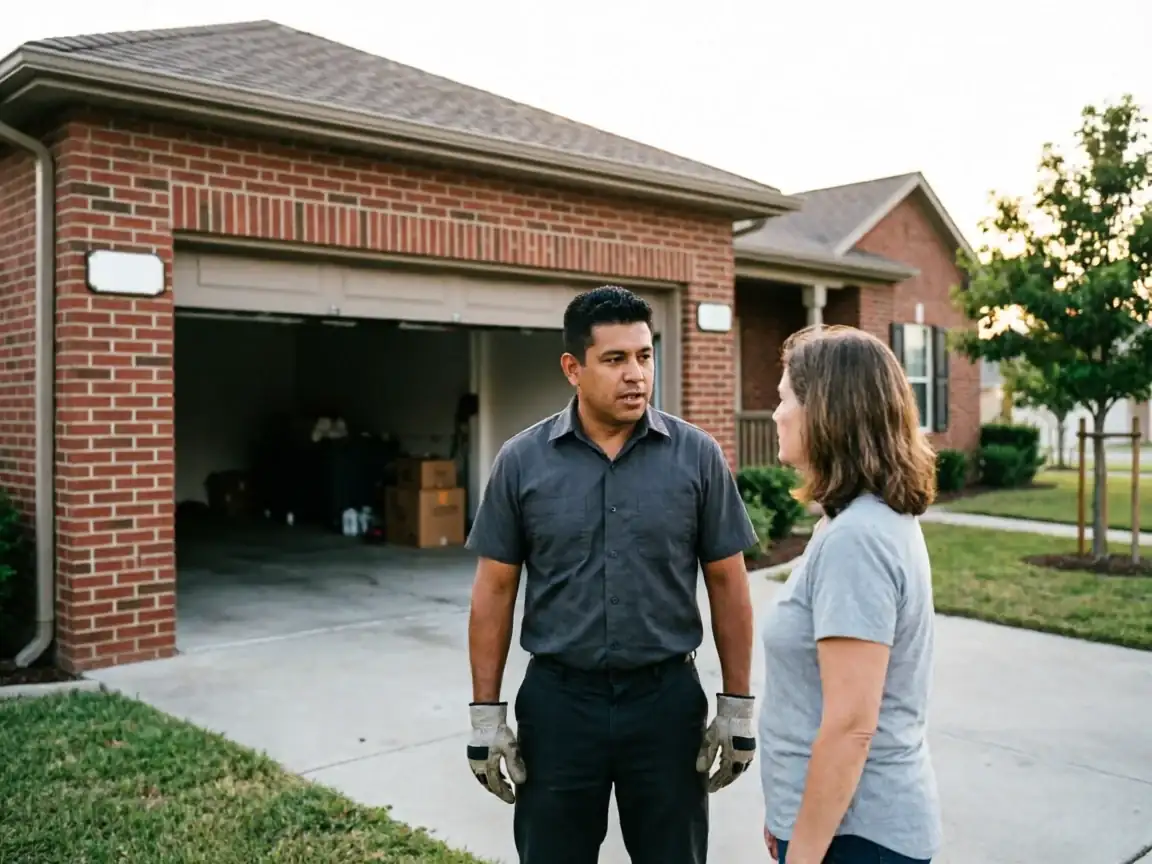
We run out of Watauga, about 7 miles from Saginaw, so there's no local depot or standing crew parked in the neighborhood - we're a truck roll from the shop, same as for any stop in the service area. That distance isn't a factor for scheduling a repair, but it's worth being upfront about: we don't claim a faster response here than anywhere else we cover, and we're not going to pretend otherwise. One honest limitation worth stating plainly - if your door needs a part that isn't a standard torsion spring, roller, or common opener board, lead time on the part can add a day or two, since we're not stocking every obscure panel or track profile on the truck. For the bulk of what fails on a late-'90s Saginaw door, though, that's rarely the case.