Can You Do This Yourself
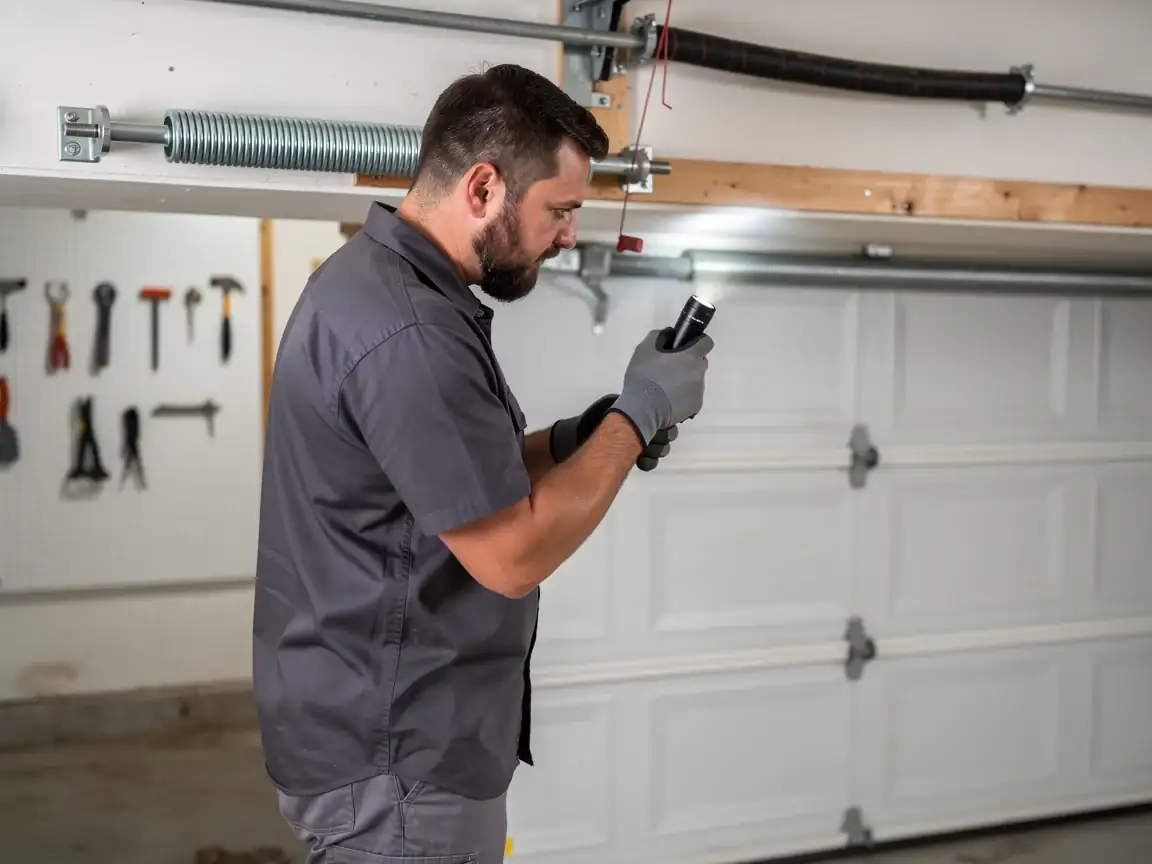
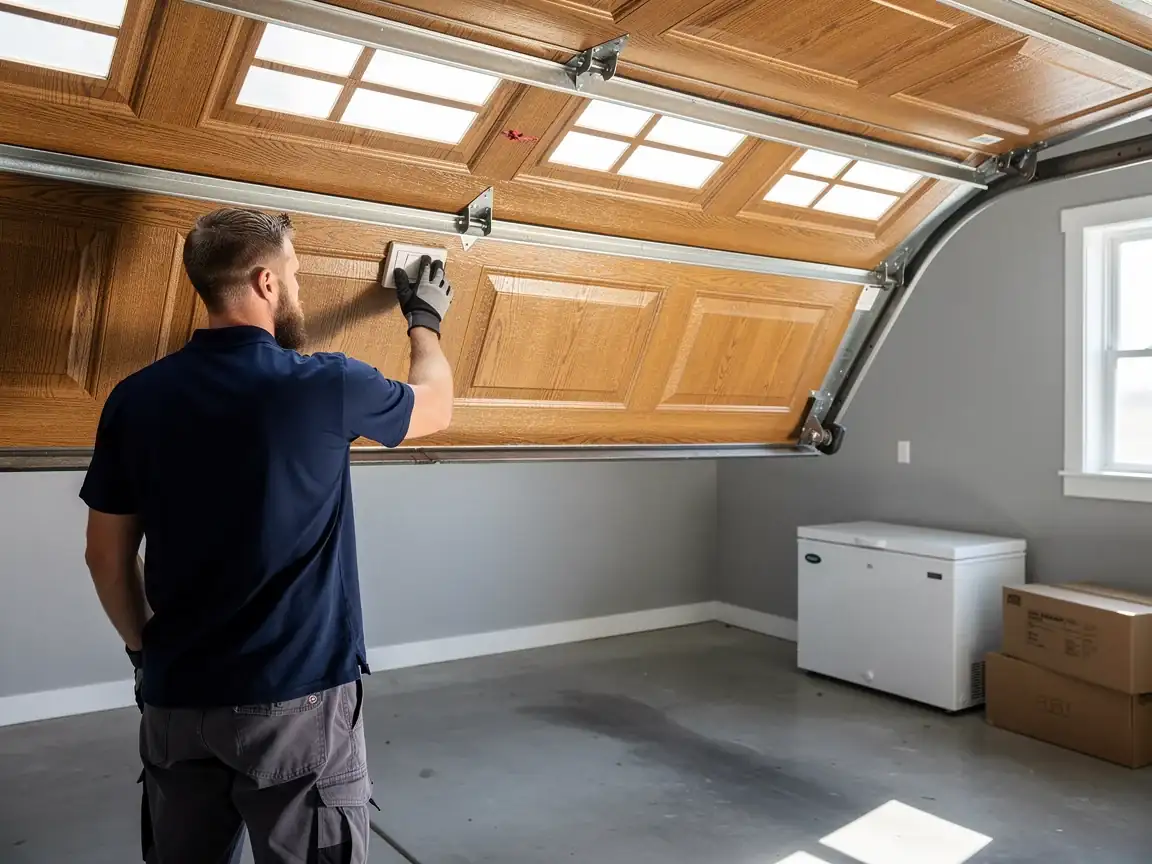
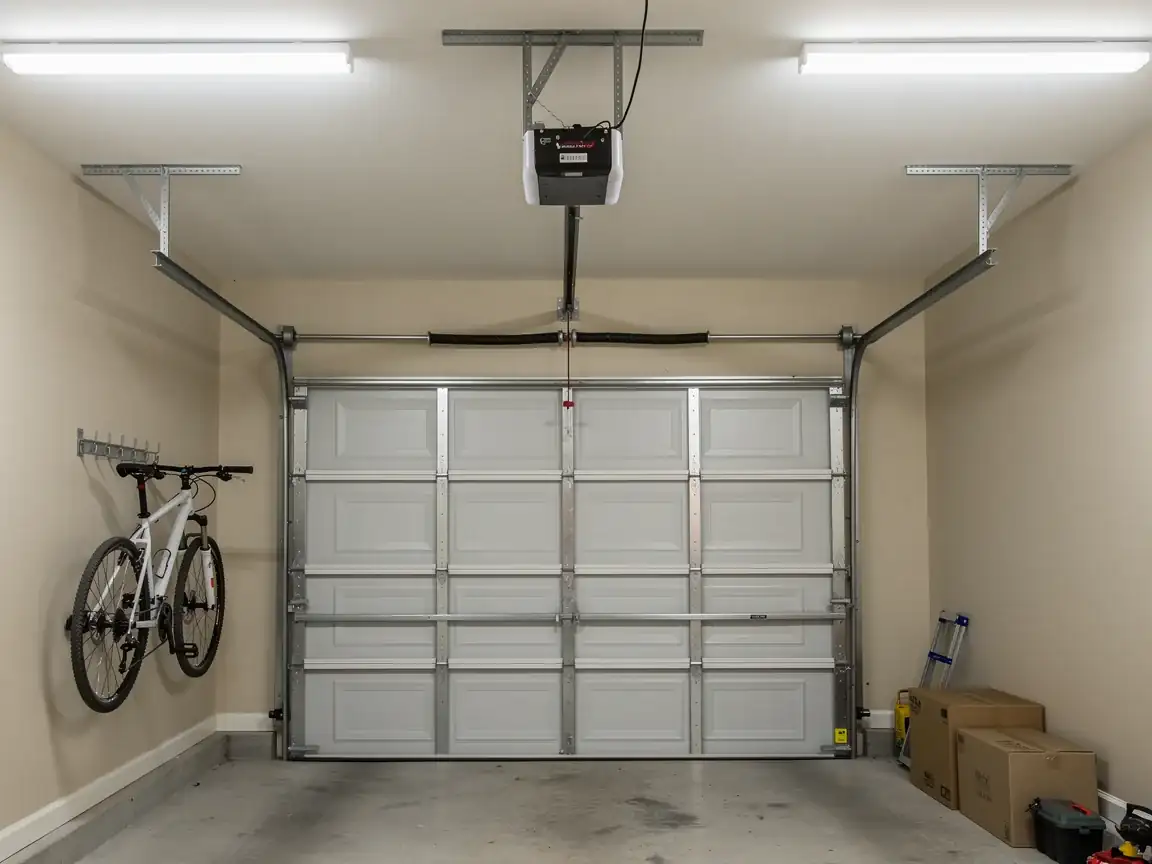
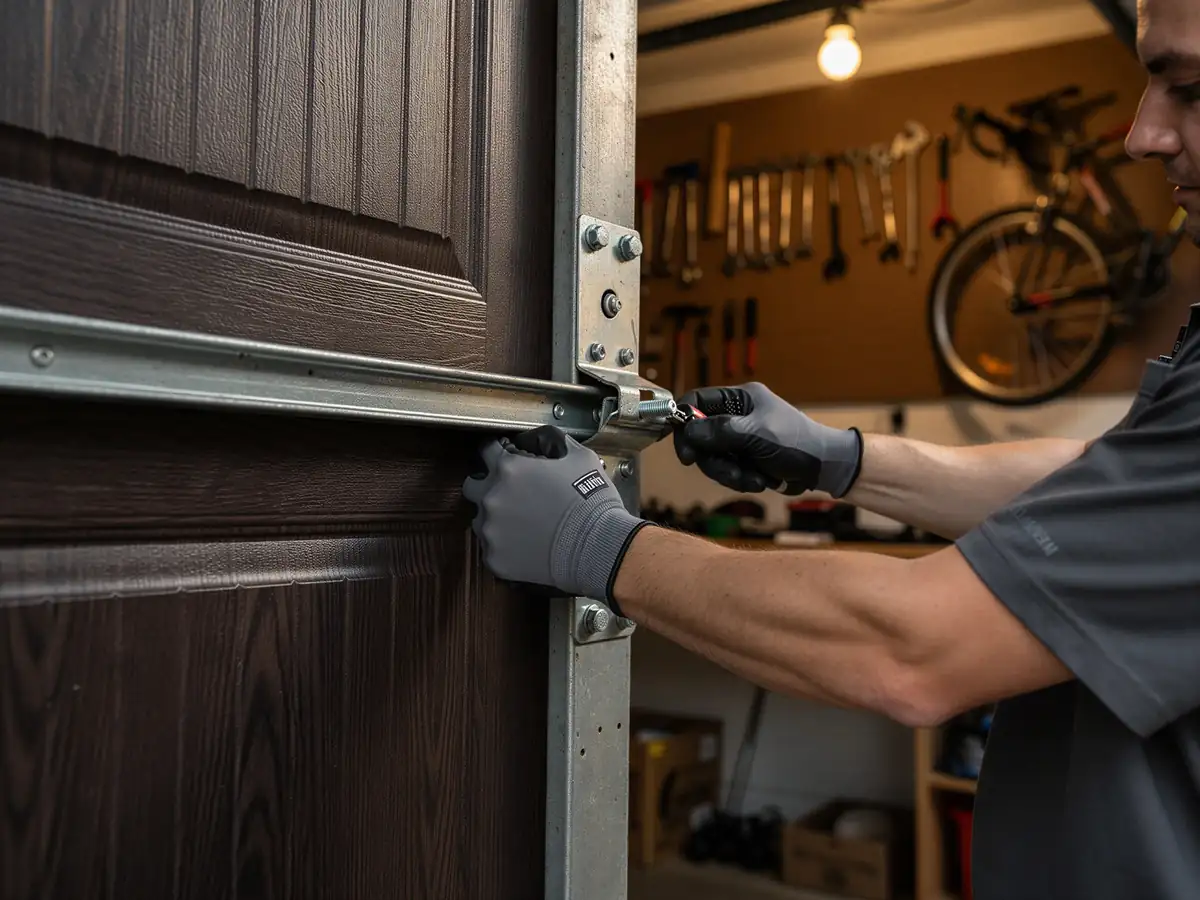
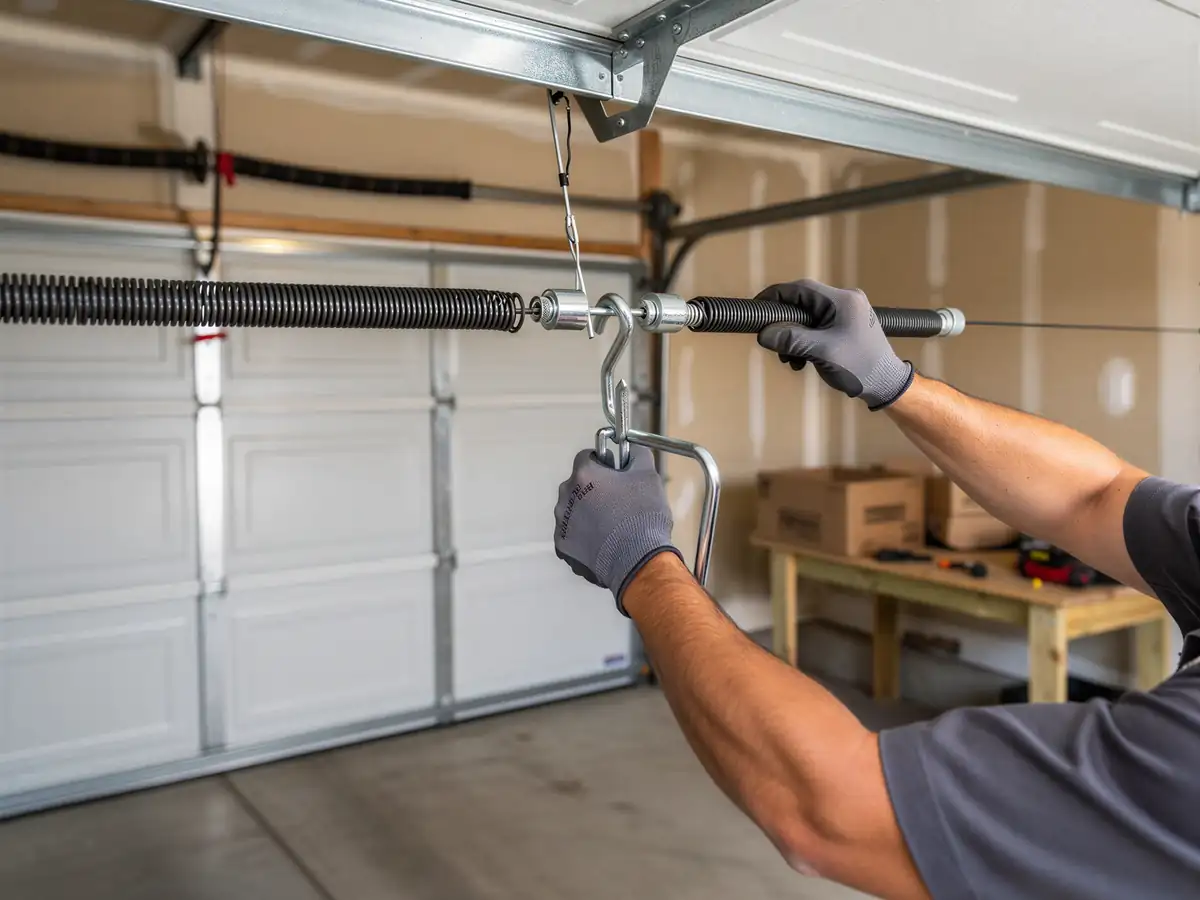
A garage door spring is under enough stored tension to break a bone or worse if it lets go while you're working on it, and torsion springs especially are not a weekend project with hand tools from a home center bin. We're not going to walk you through a DIY wind-down here. If your door has one spring across the top center, it's probably an extension or torsion setup original to a Trophy Club build from around 2000, and after two-plus decades the winding cones and set screws on that hardware are often rusted or stripped in ways that aren't obvious until something's already moving.
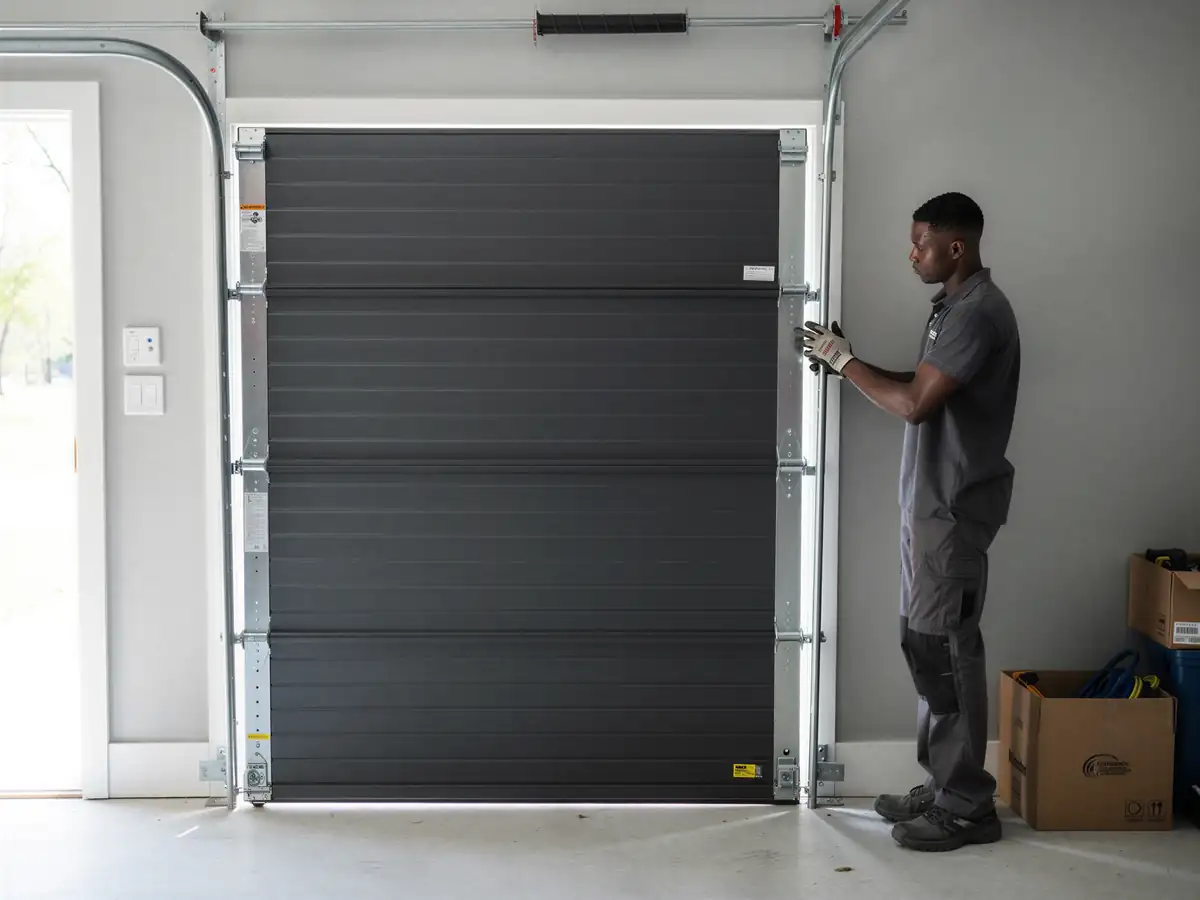
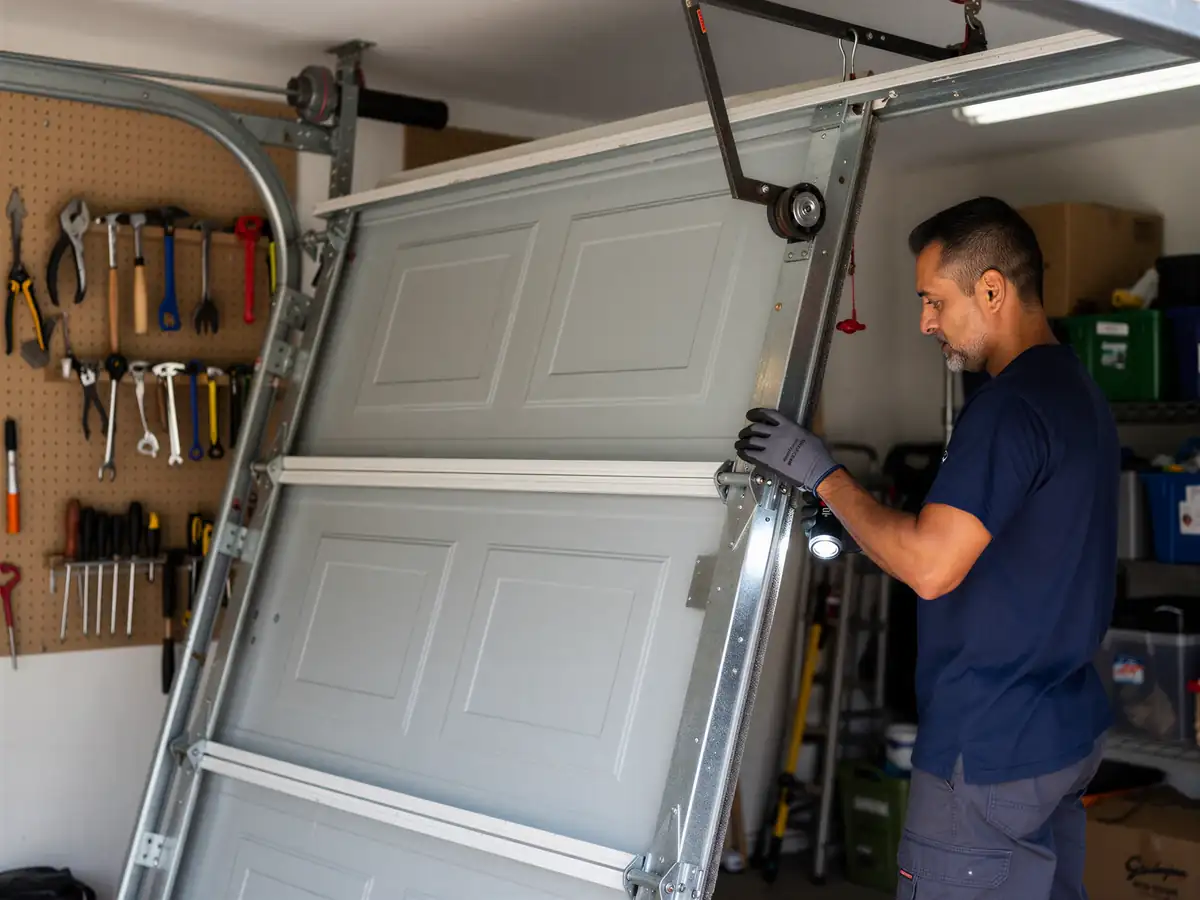
What you can safely check yourself: does the door look crooked when half open, is there a visible gap or kink in one of the coils, did you hear a bang followed by the door refusing to lift. Those are all things worth noting before you call, because they tell us what to bring on the truck. Past that, leave the bar-and-winding-cone part of the job alone. We'd rather answer a question over the phone than meet you at the ER.
How Long It Takes
Most spring jobs on a Trophy Club door run on the shorter side of a service call once we're on site, assuming it's a standard torsion setup and we're carrying the right size spring, which we usually are given how consistent the housing stock is in this part of the service area. Extension spring doors on older openers can take a little longer if the pulleys and cables need attention too, since a dead spring often means a frayed cable isn't far behind.
We're coming from Watauga, about 10 miles out, so factor that drive into when we can get to you rather than how long the repair itself takes once the truck's in the driveway. We don't operate a branch or dispatch point in Trophy Club itself - every visit here starts with that drive.
Parts We Carry
We stock torsion springs in the sizes that match standard 7-foot and 8-foot residential doors
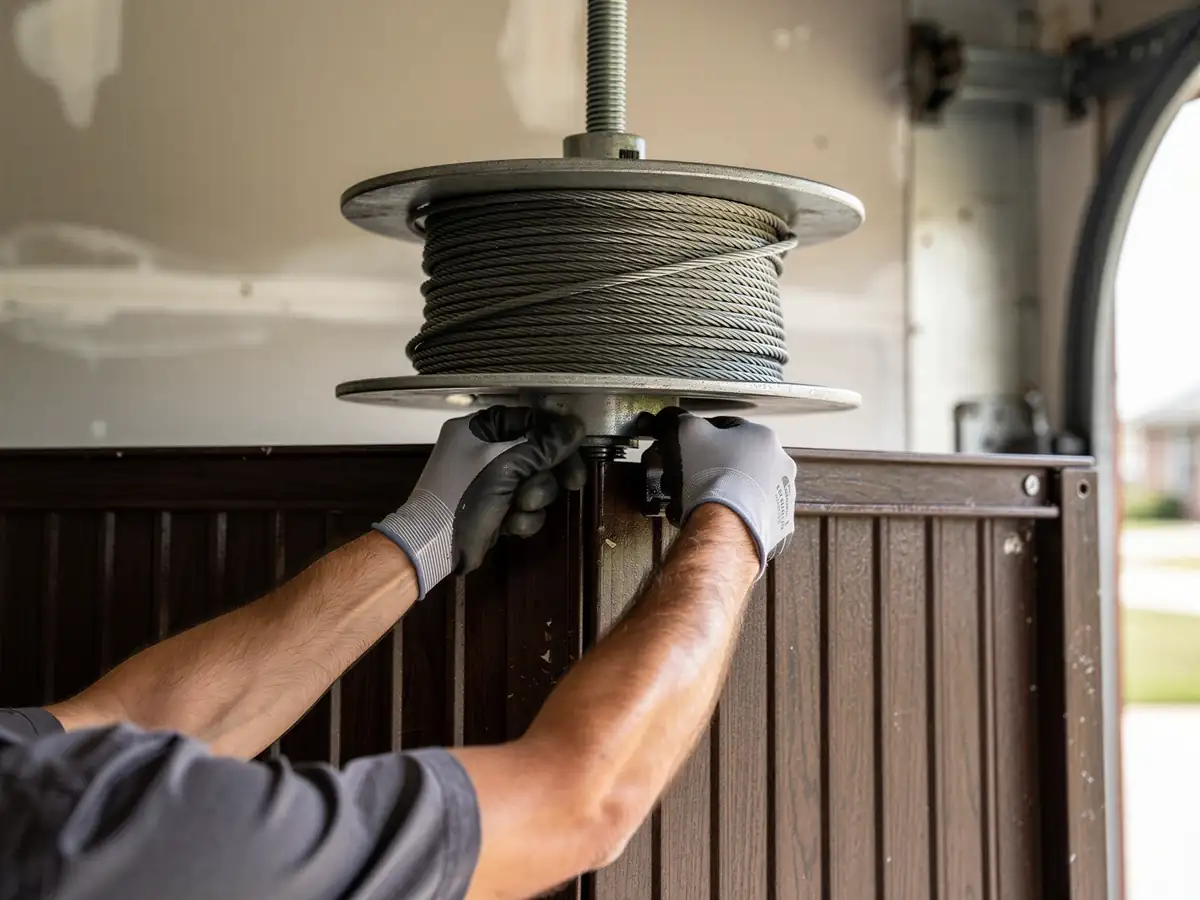
Which covers the bulk of what you'll find on homes built in the Trophy Club area's 2000-era construction window. We also carry standard cables, drums, and end bearing plates, because a spring failure on a door this age frequently takes one of those with it.
What we don't always have on the truck is a match for an unusual door width or a heavier insulated panel door that needs a higher-cycle commercial-grade spring
Those sometimes mean a short order delay. We'd rather tell you that up front than pretend every job closes out in one visit.
The Symptom
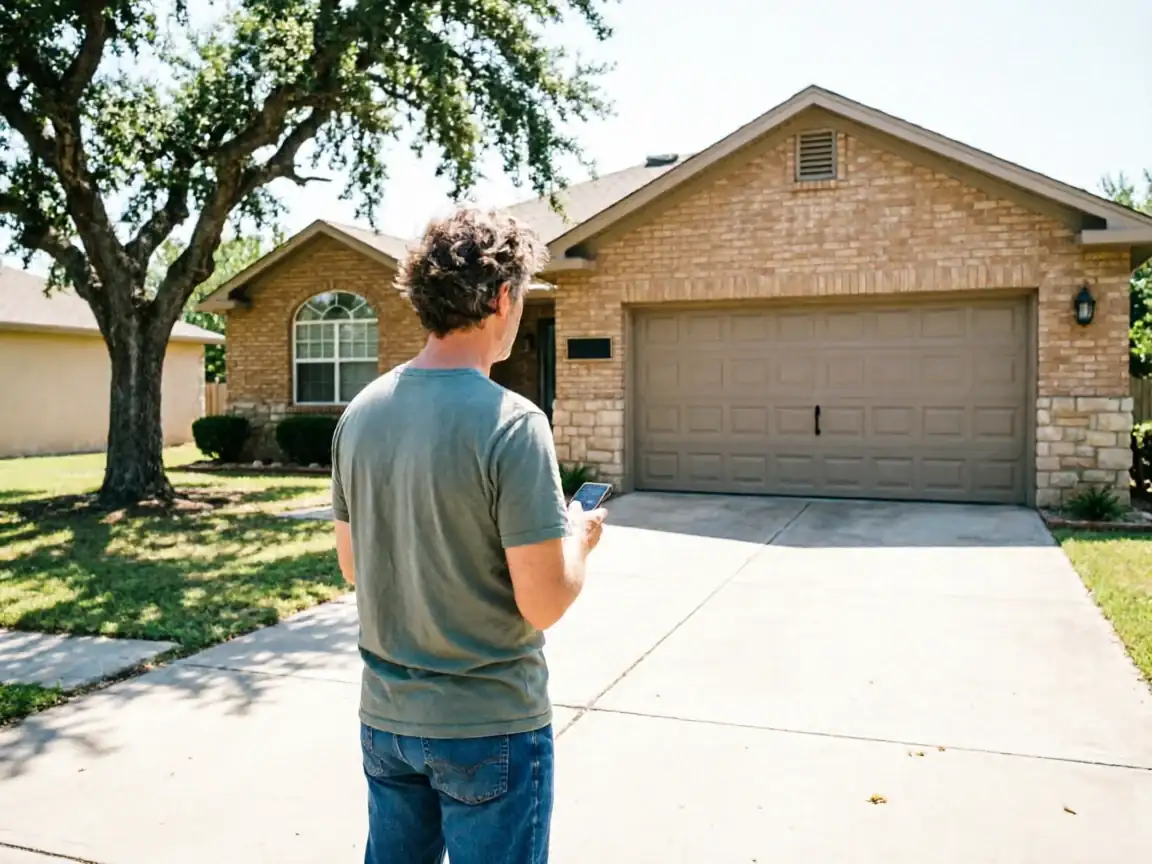
The classic sign is a door that won't budge, or one the opener strains against and then reverses - that's the opener trying to lift weight the spring used to carry. On a door original to a Trophy Club house from around 2000, you might also notice the door has gotten visibly heavier to lift by hand over the past year or two before it finally gave out; spring tension fades gradually, it doesn't usually just vanish overnight even though the failure itself often feels sudden.
A loud bang from the garage, especially one that happens when nobody's touched the door, is almost always a torsion spring letting go. If that's what you heard, don't run the opener again until someone's looked at it - forcing a motor against a broken spring is how you turn a spring job into a spring-and-opener job.
Booking a Visit
Tell us the door's approximate age, whether it's one spring or two, and what you heard or saw - that's usually enough for us to load the right spring before we leave Watauga. Since most Trophy Club homes landed in roughly the same building window, we can often guess the spring size correctly before we even see the door, though we'll still confirm on site.
We don't keep a standing crew or depot in Trophy Club, so visits here are scheduled around the Watauga route rather than same-area drop-ins. That's worth knowing if timing matters to you.
Why It Happens Here
Trophy Club's housing stock centers on a median build year of around 2000
Which puts most original torsion springs in the household well past the point where you'd expect the factory-installed coil to still be doing its job without complaint. Across the wider service area the housing is older on average - built as far back as the 1950s with a median year of 1993 - so a Trophy Club call is usually a slightly newer door with first-generation hardware, not a 1970s door that's already been through two spring swaps.
The area's moderate heat band doesn't baking-stress springs the way extreme desert heat does
But it does mean consistent thermal cycling year to year, and that adds up over two decades same as anywhere. With household income in Trophy Club running well above the service area's overall median of $99,494, we also see more upgraded insulated doors paired with original base hardware - a heavier panel on a spring sized for the lighter door it replaced is its own kind of failure waiting to happen.