What Most People Get Wrong
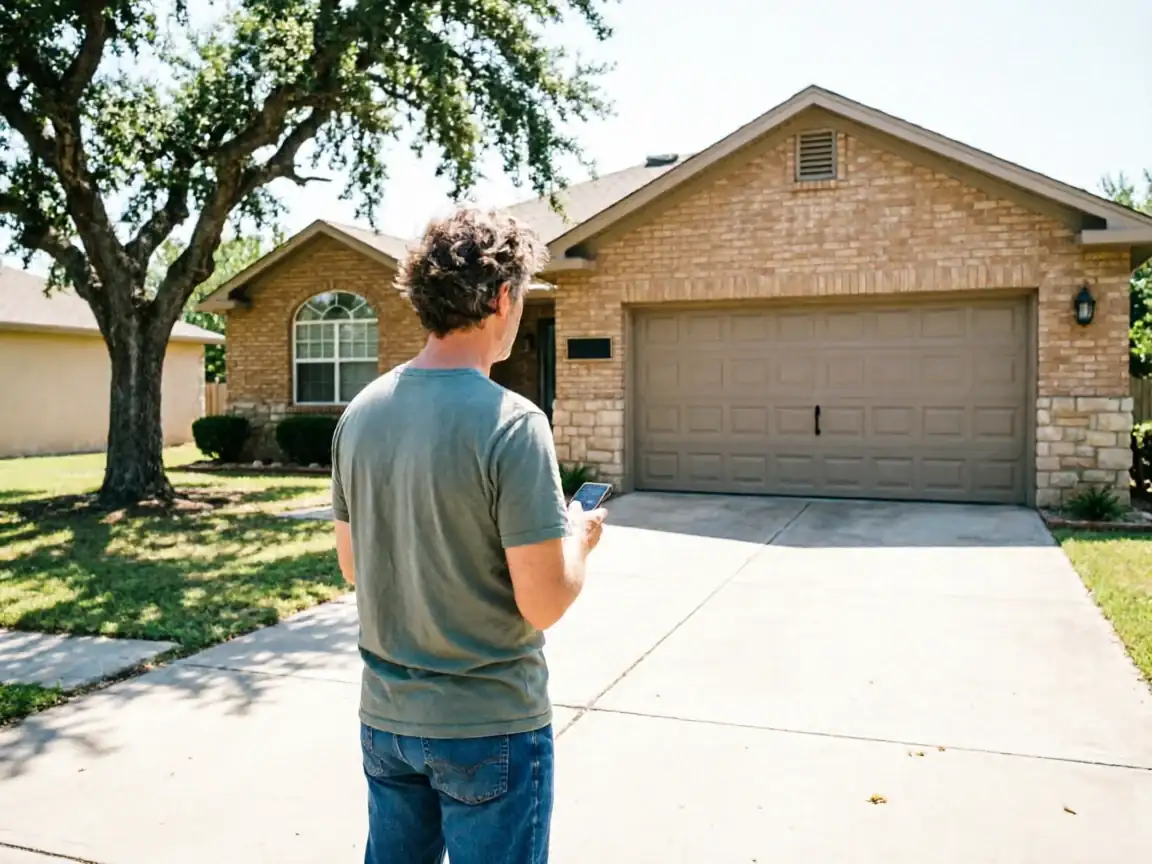
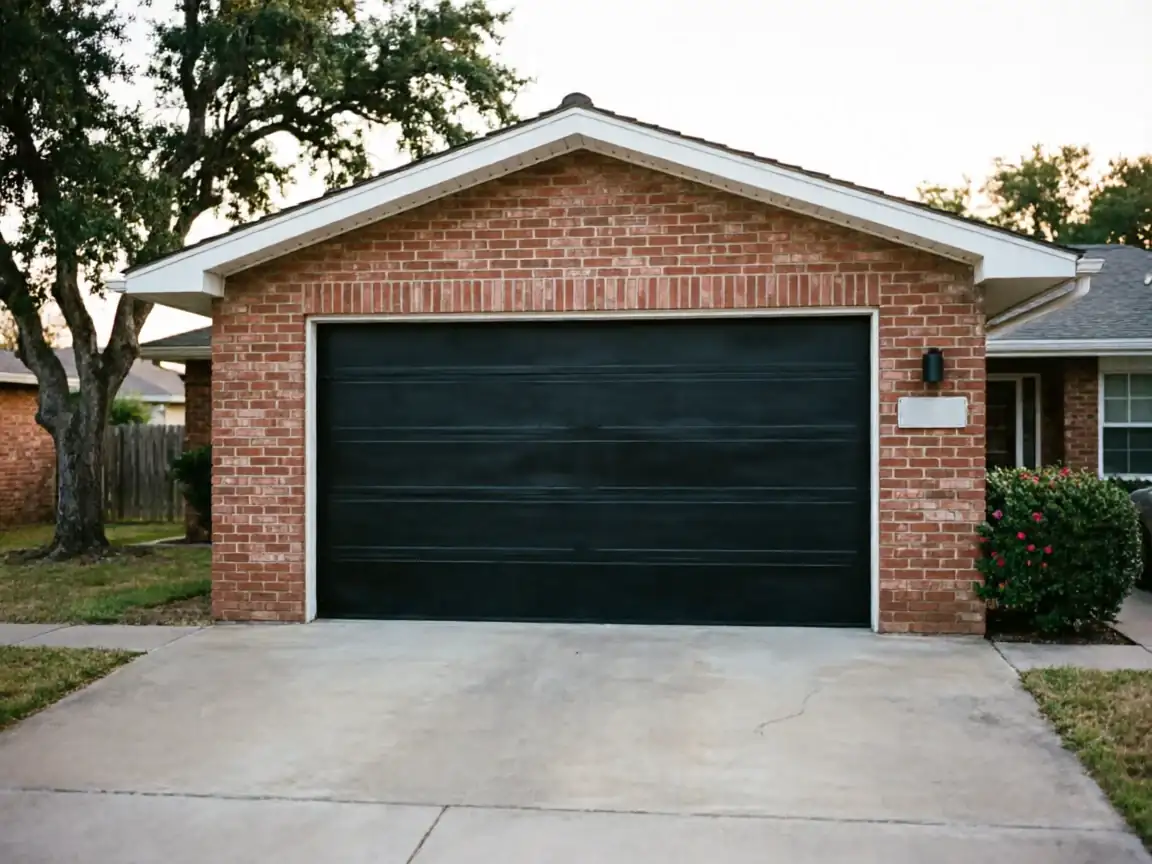
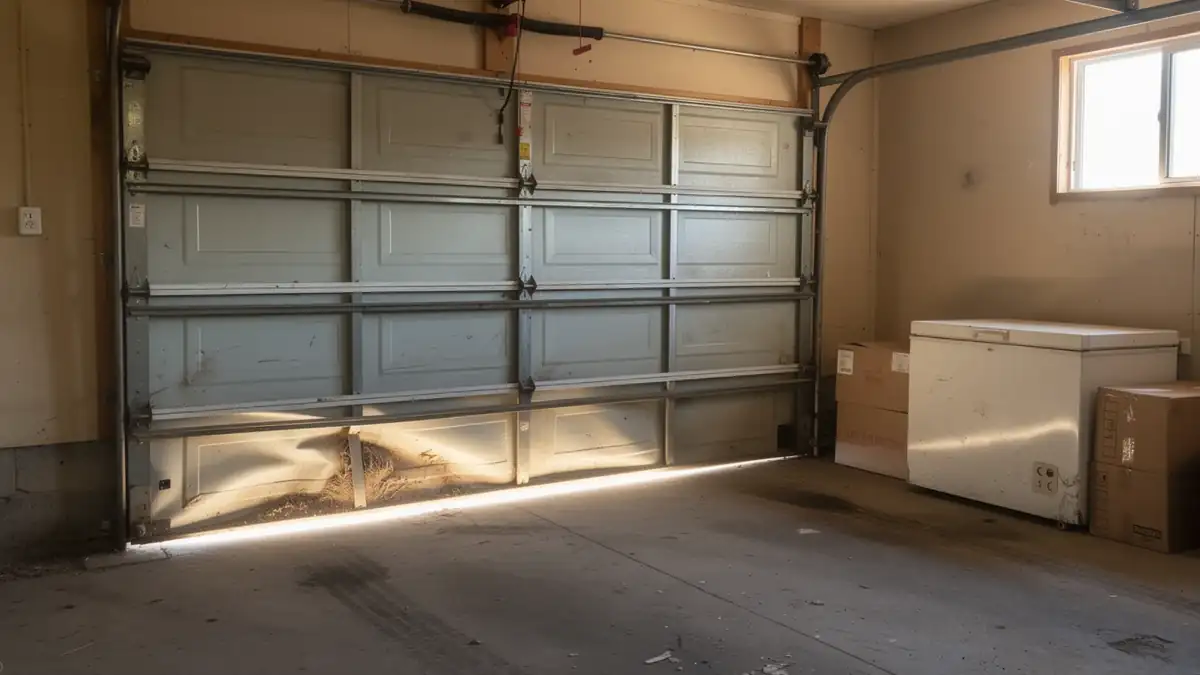
Most homeowners assume a garage door is a garage door - swap a panel, grease a hinge, done. In Watauga that assumption misses something: a big share of the housing stock here went up between 1953 and 2014, with the median build year landing around 1993, and most of the 30 named areas in this service territory are still sitting on 1980s and 90s construction. Insulation requirements for garage doors weren't standard building practice when a lot of these houses went up. So the door that came with the house, or the one installed in a remodel two owners ago, is frequently a single steel skin with nothing behind it - no foam core, no thermal break at the track.
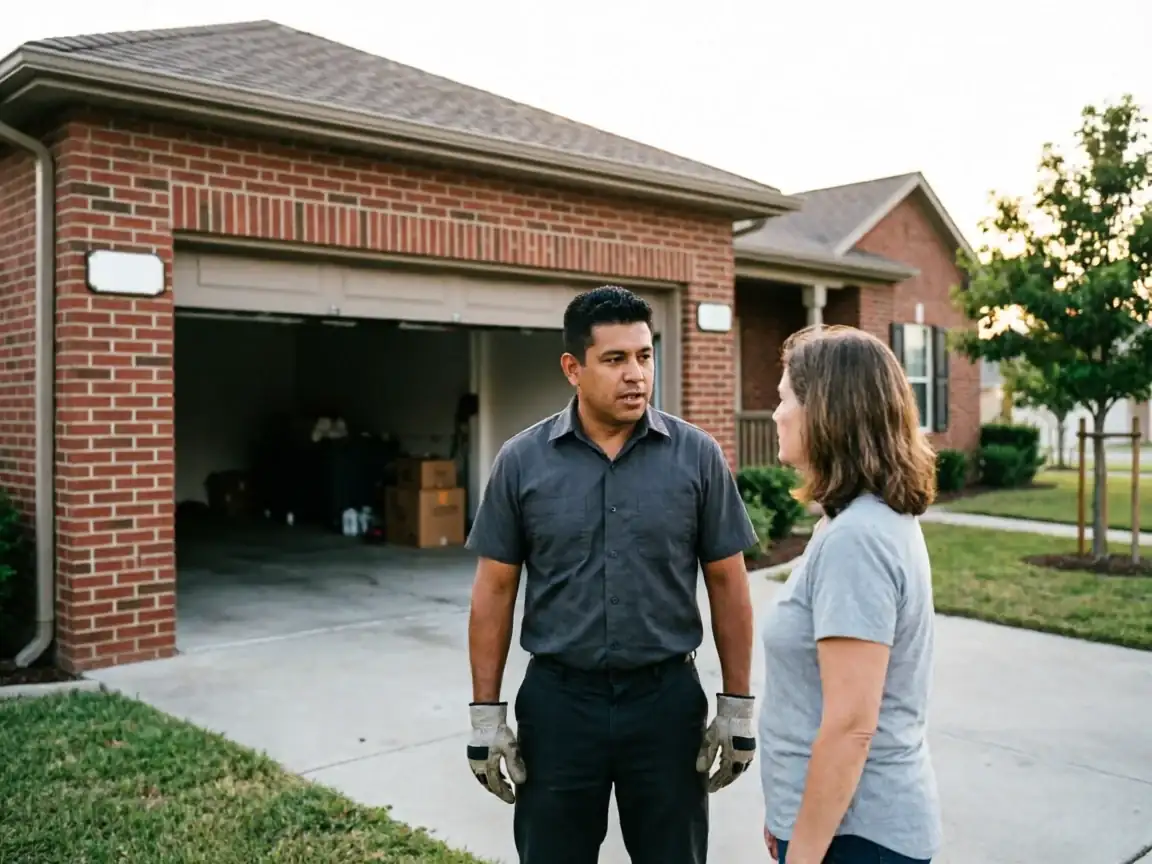
The mistake isn't ignorance about doors. It's assuming the door matches current code just because the house looks maintained. A homeowner replacing a broken spring often doesn't think to check whether the door itself is the older uninsulated type until we're standing in the driveway pointing at the panel edge. By then they've usually noticed the garage runs hotter than it should, or that the wall shared with a bedroom never quite feels right.
How Local Conditions Play In
This area sits in a moderate heat climate band, not the kind of extreme swing that forces insulation on everyone immediately, which is part of why so many of these older doors never got swapped out - the discomfort is real but not dramatic enough to force the issue. A thin steel door in moderate heat still transfers a noticeable amount of outside temperature into the garage, and if that garage shares a wall with living space, that heat load doesn't stop at the door.
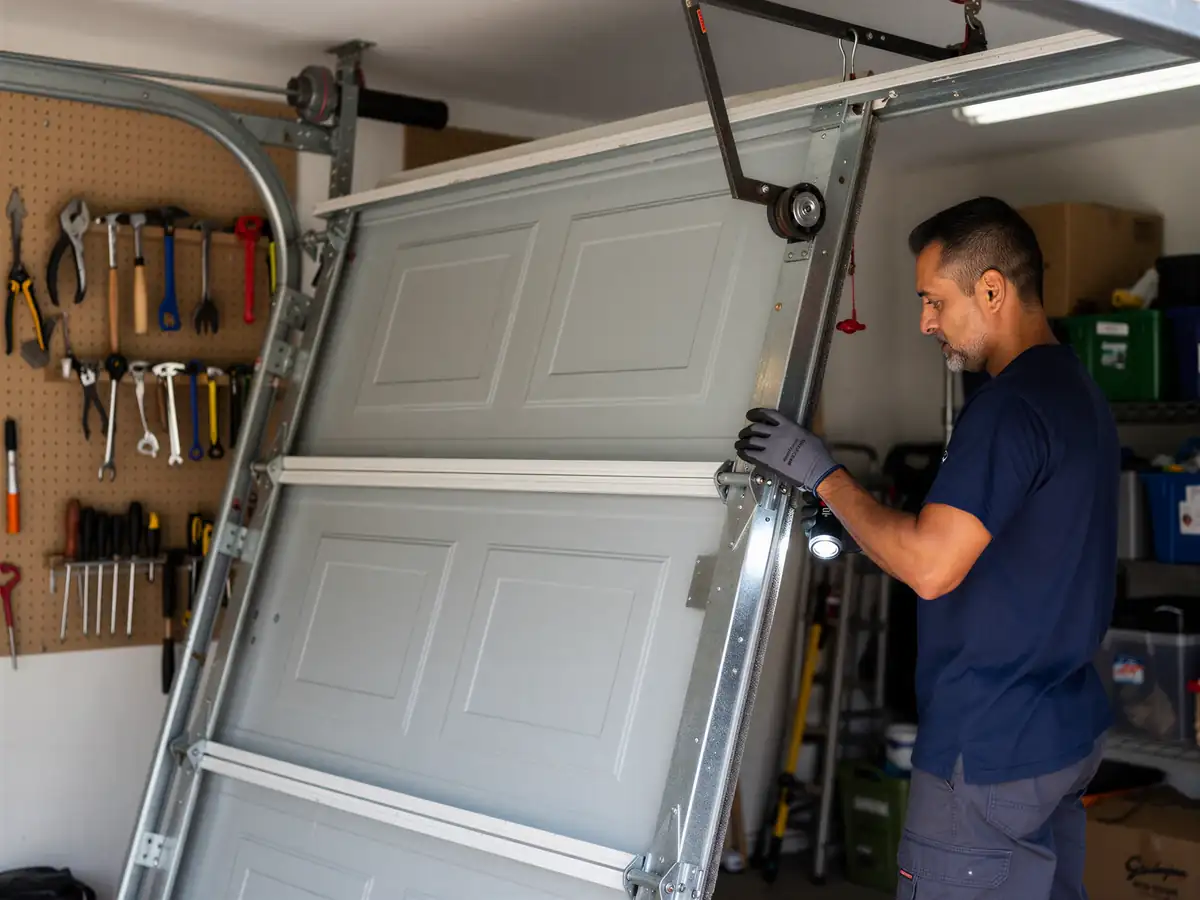
What we see on service calls across these 1980s and 90s-built neighborhoods is steel fatigue showing up alongside the insulation gap - panels that have taken thirty-plus summers of expansion and contraction without a foam core to buffer them. The two problems compound: an uninsulated door flexes more under heat, and a flexing door stresses hardware faster. That's a maintenance pattern tied directly to houses from this build era, not something you'd see the same way in a neighborhood built in the last ten years with foam-core doors as standard.
What Is Going On
When we open up an older uninsulated door in this area, the pattern is consistent
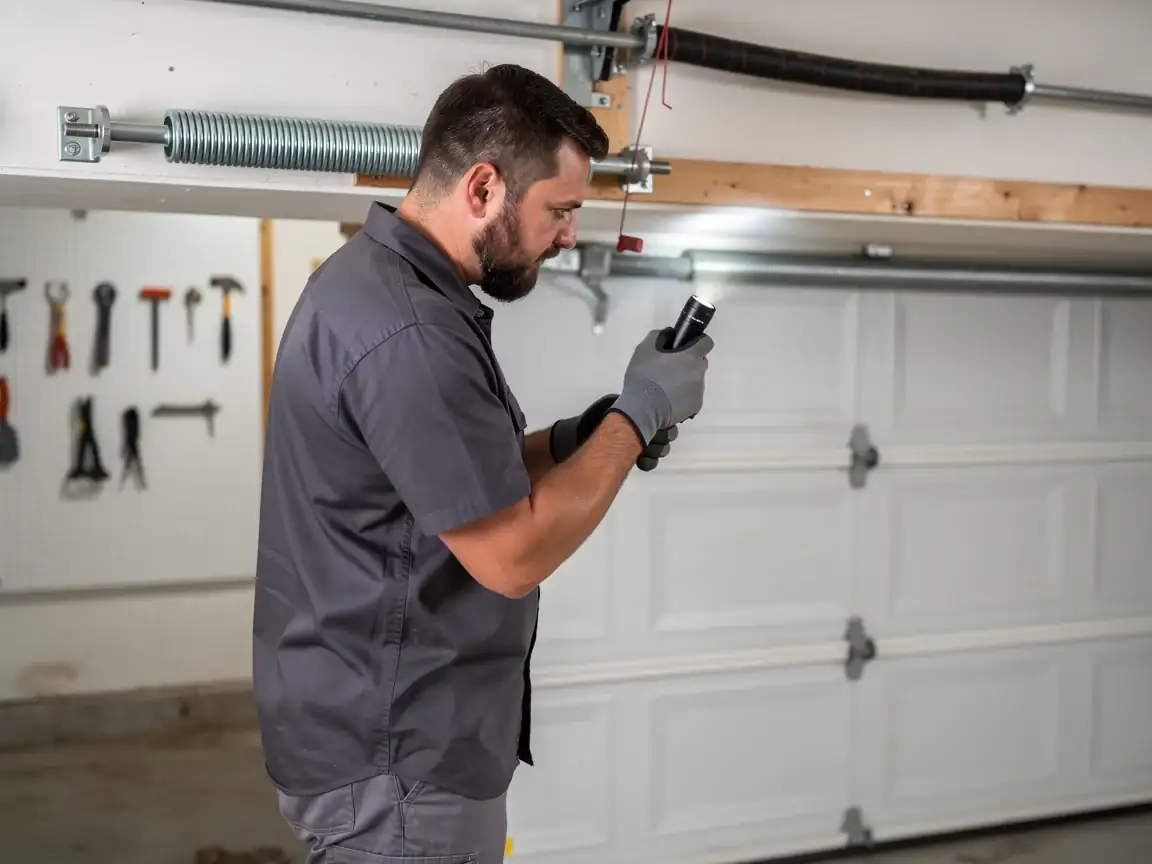
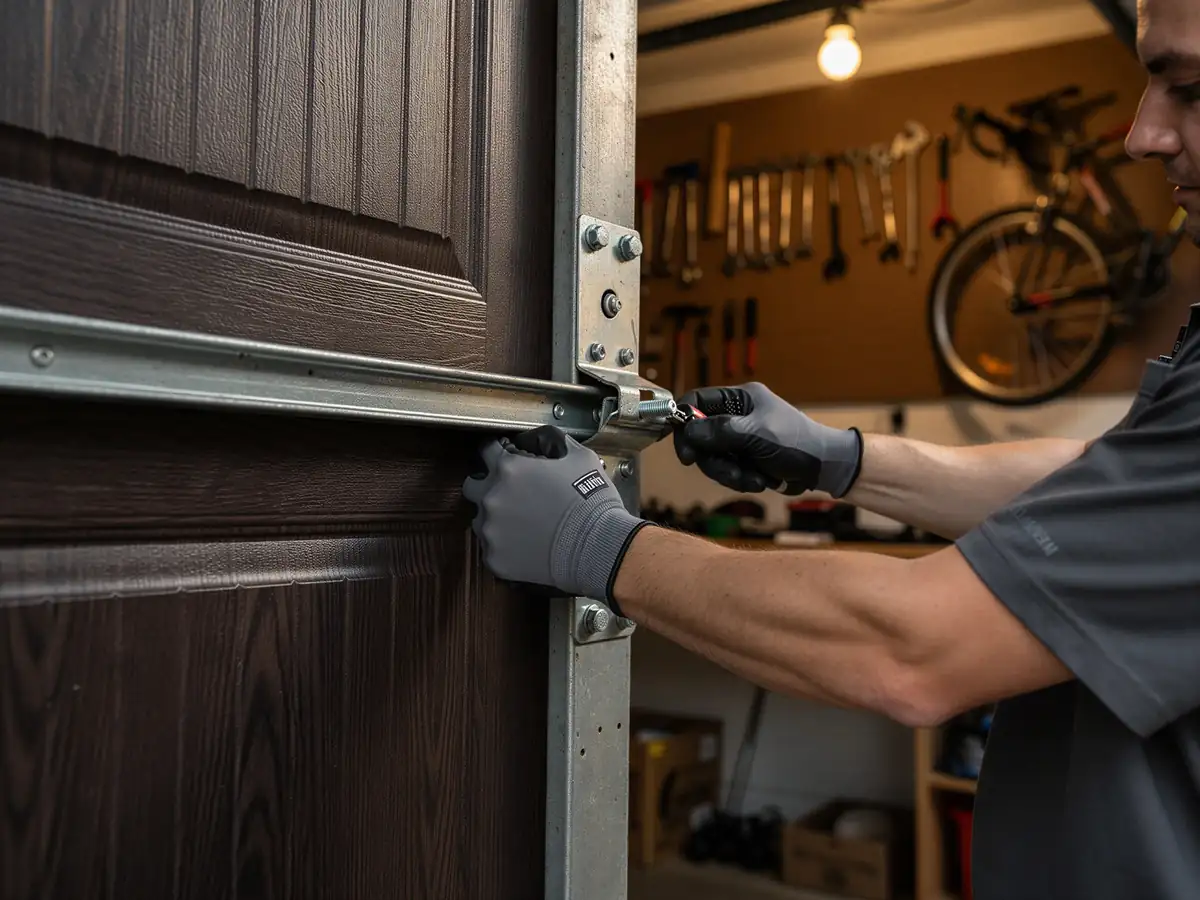
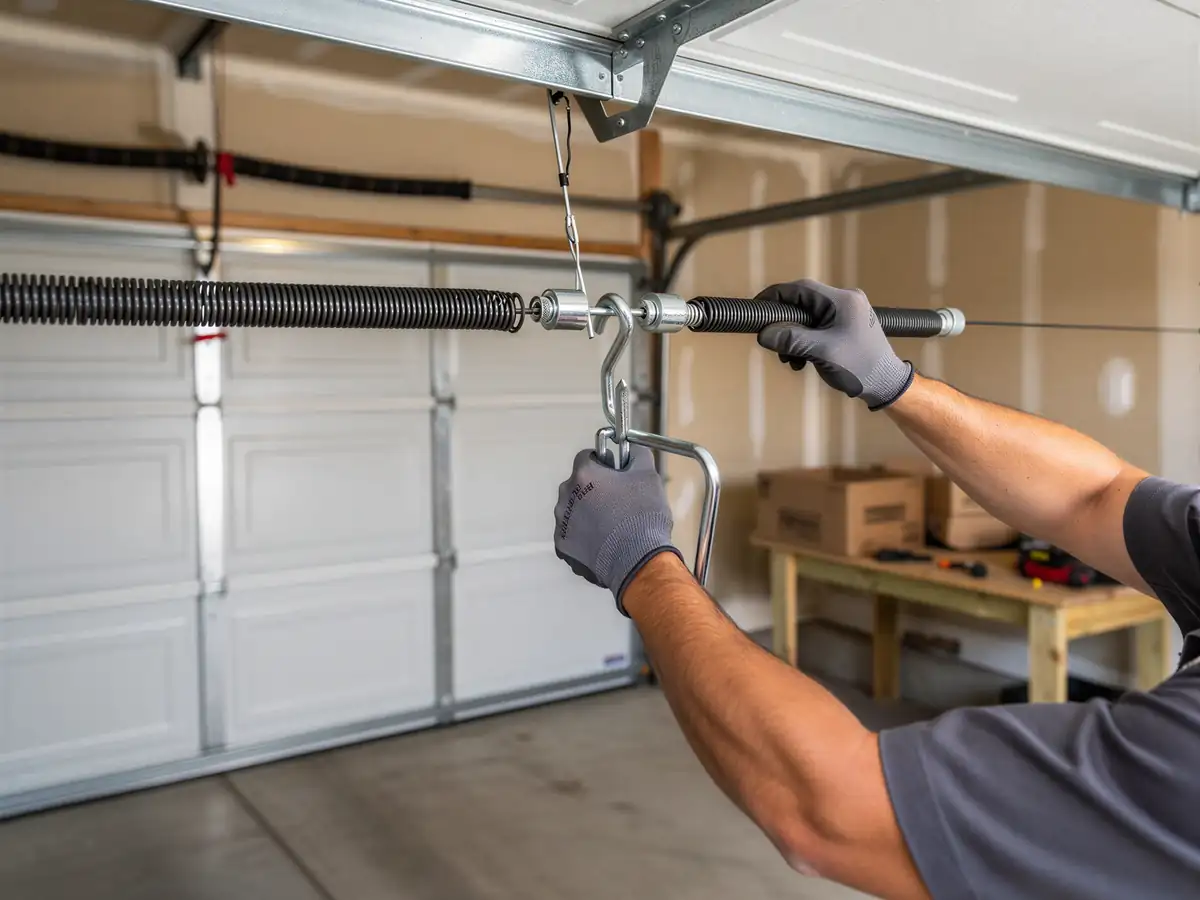
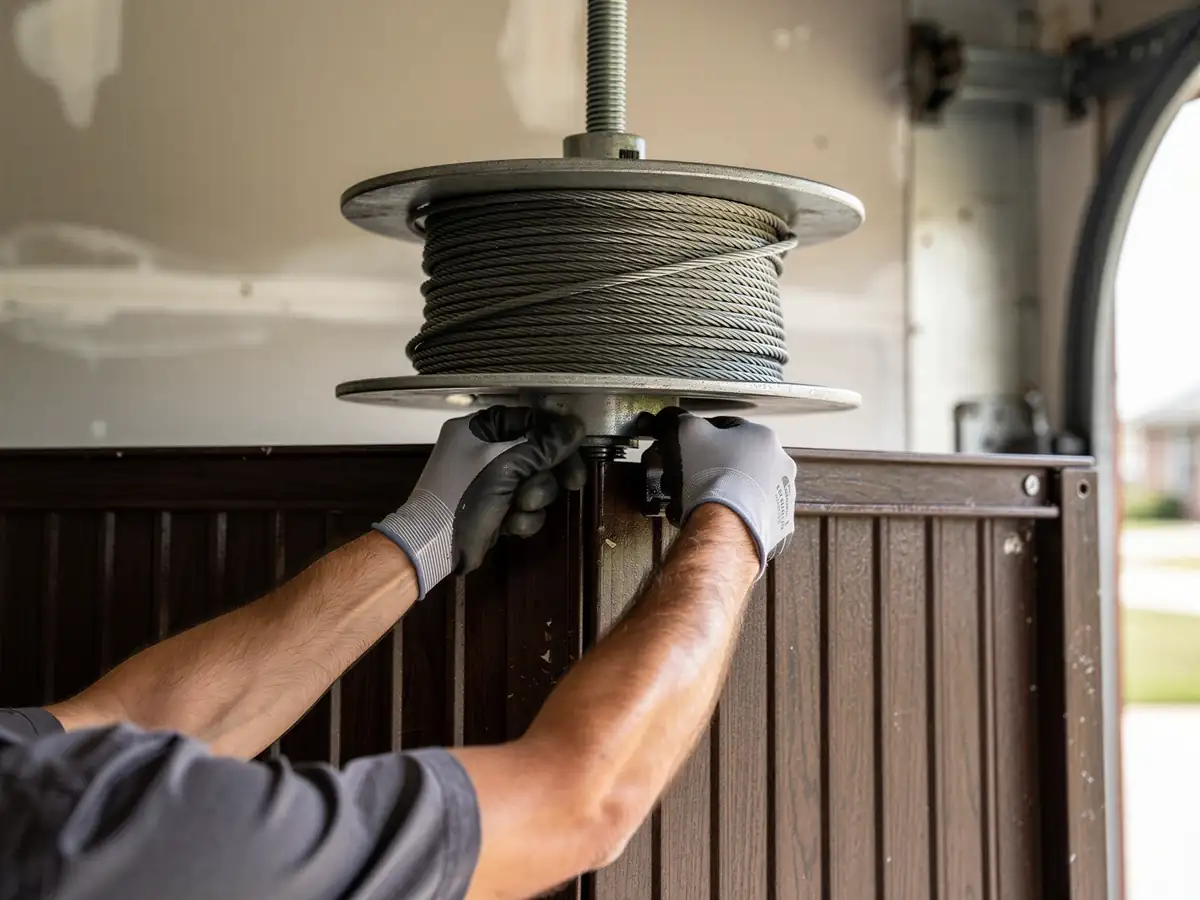
Single-layer steel, exposed structural ribs, and hardware sized for a lighter door than anything insulated would be. That matters for repair, not just comfort. A torsion spring calibrated for an uninsulated 1990s-era door won't lift an insulated replacement panel correctly - the weight difference is real, sometimes 15-20 pounds per section once you add a foam core and a second steel skin.
So when a homeowner in one of these older sections asks for a quick spring swap
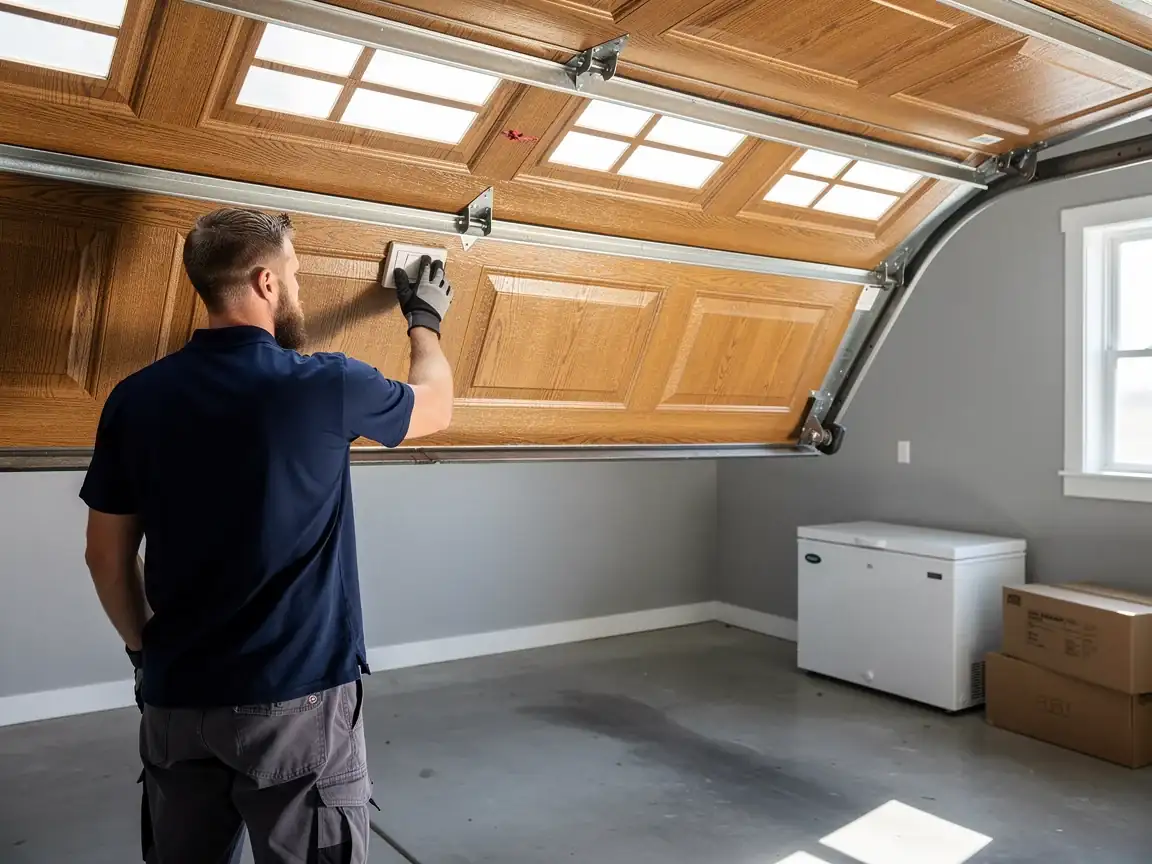
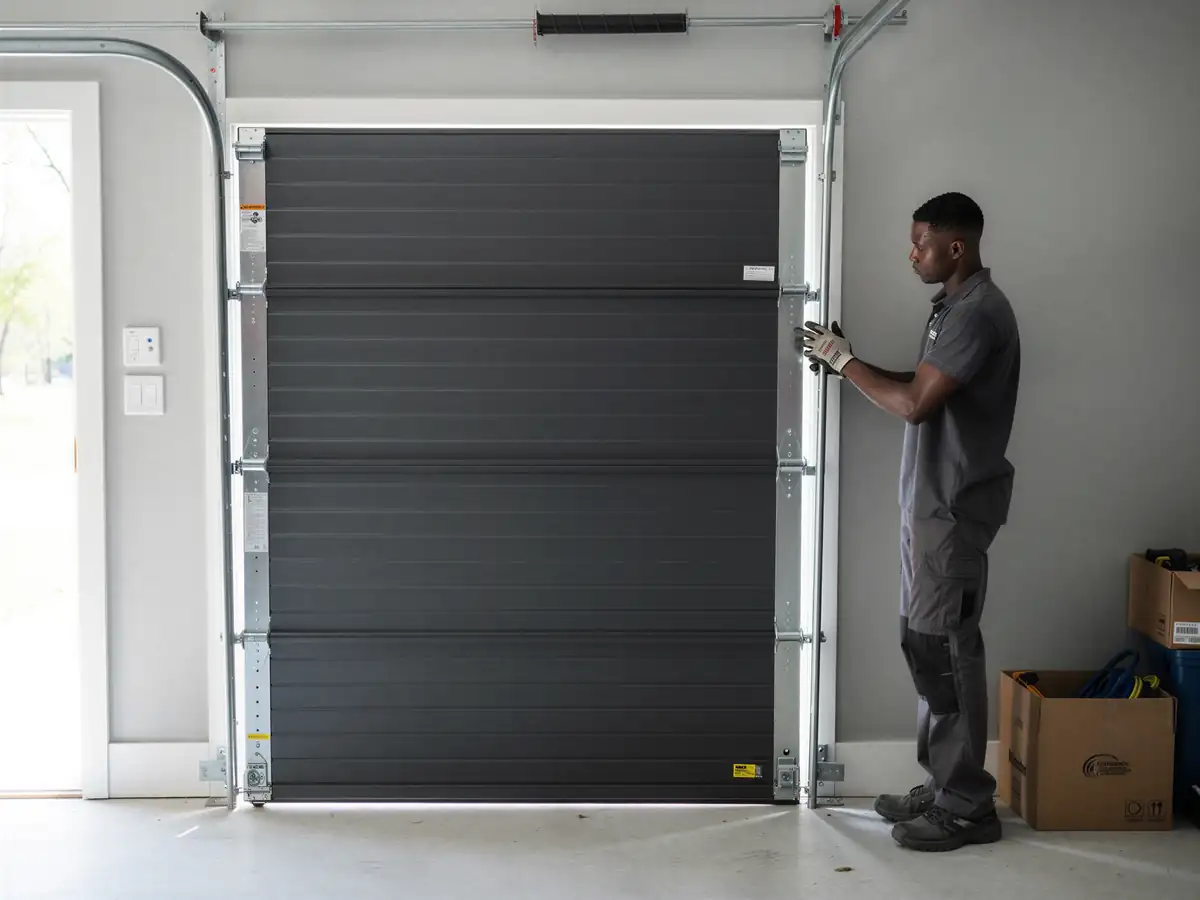
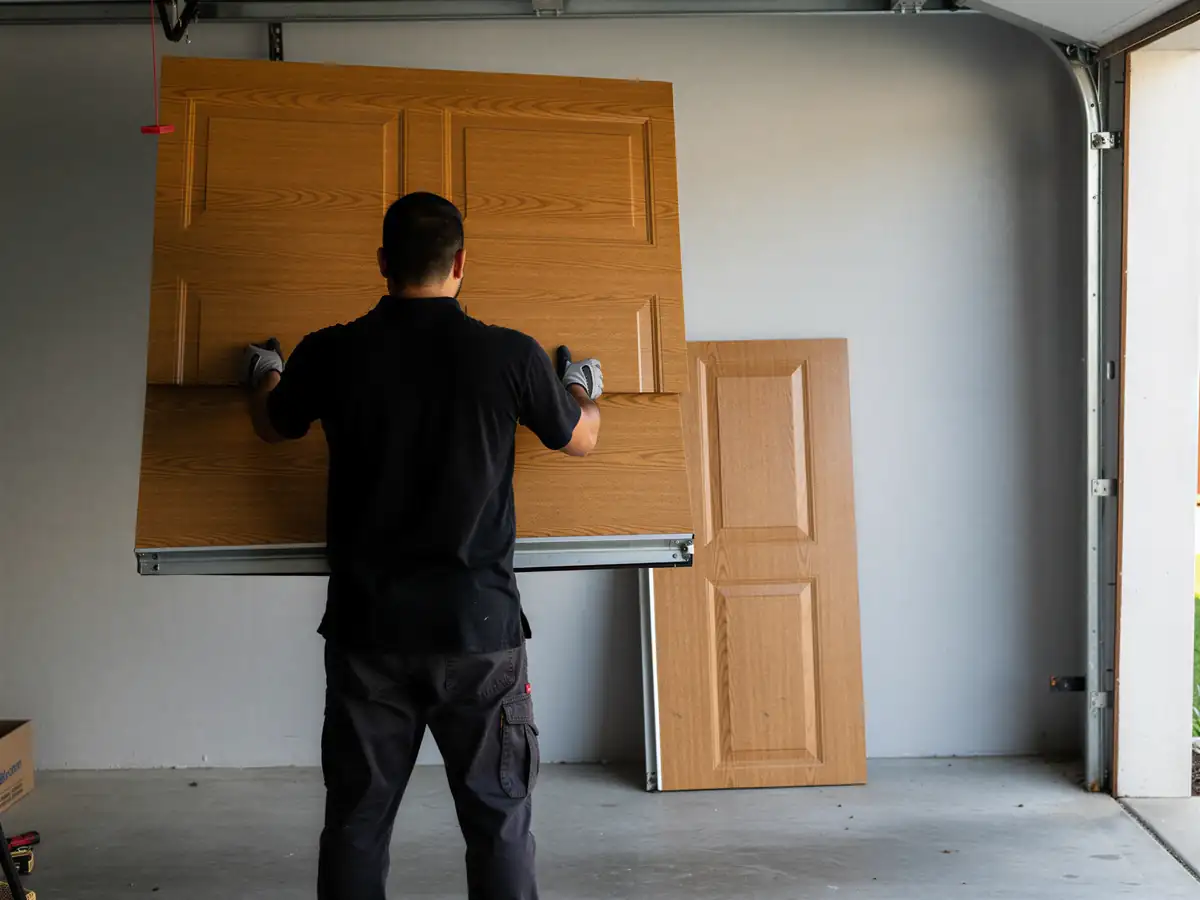
The honest answer is sometimes "depends what door you end up wanting." If you're replacing a cracked or rusted panel on a house from this build era, you're choosing between matching the old uninsulated steel - cheap, light, consistent with what's already there - or upgrading the whole door to insulated and re-tensioning the spring system to match. One is a patch. The other is a real decision about comfort and energy that the original builder never made for you, because insulated doors weren't the default when your garage was built.
What It Costs
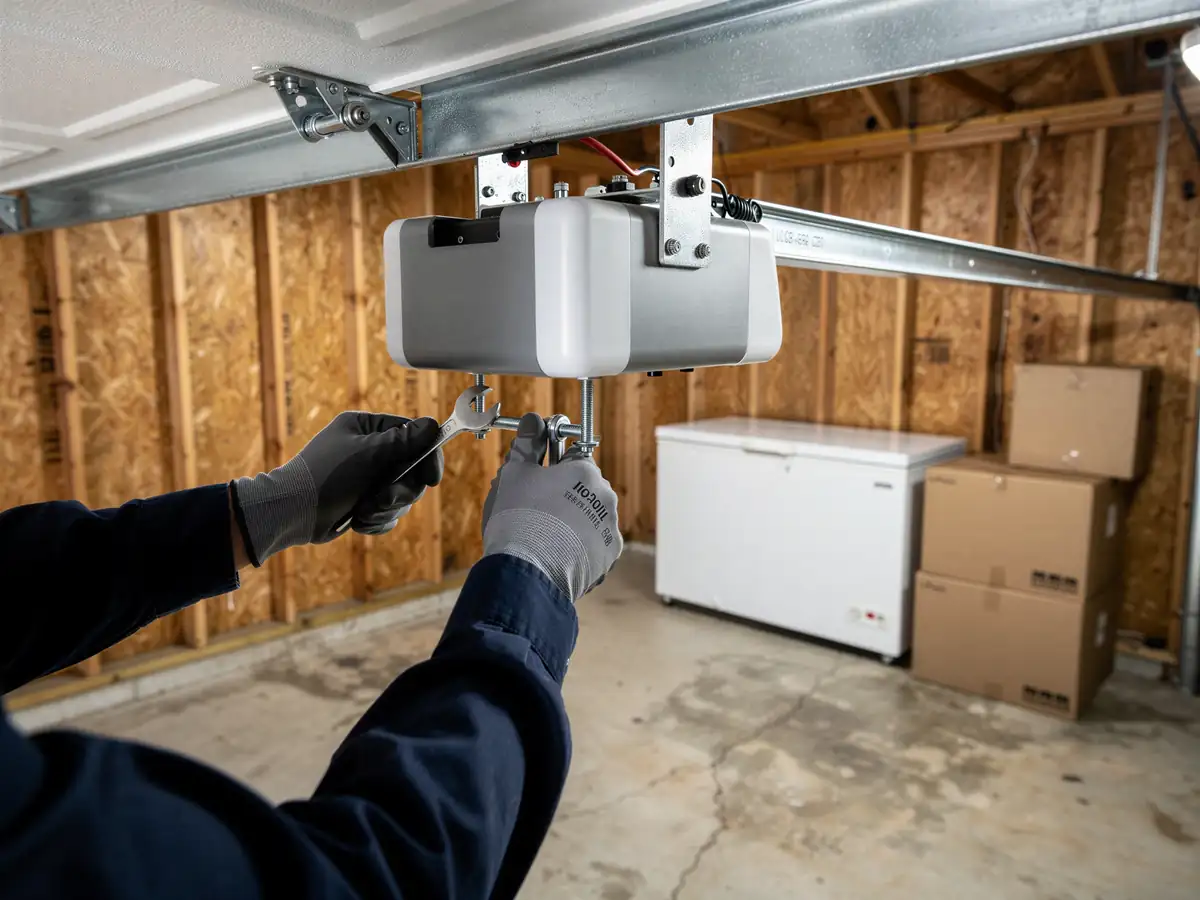
We don't have a fixed number to hand you here, because cost on this kind of job depends heavily on which path you take - matching the existing uninsulated steel versus upgrading to an insulated door and adjusting the spring and opener setup to handle the added weight. What we can tell you honestly: matching old to old is almost always the cheaper call, and it's a reasonable choice if the garage isn't attached to living space and comfort isn't the concern. Upgrading costs more up front because the door, the spring, and sometimes the opener gear ratio all need to work together.
One limitation worth saying plainly: we don't stock every uninsulated panel style that went into houses built across this range of decades. If your door is an older design, matching trim and panel profile exactly sometimes means a longer wait on parts than a same-day fix. We'll tell you that up front rather than promise a match we can't deliver fast. For a straight read on your door and what it'll actually take, reach out through the contact page.