What Most People Get Wrong
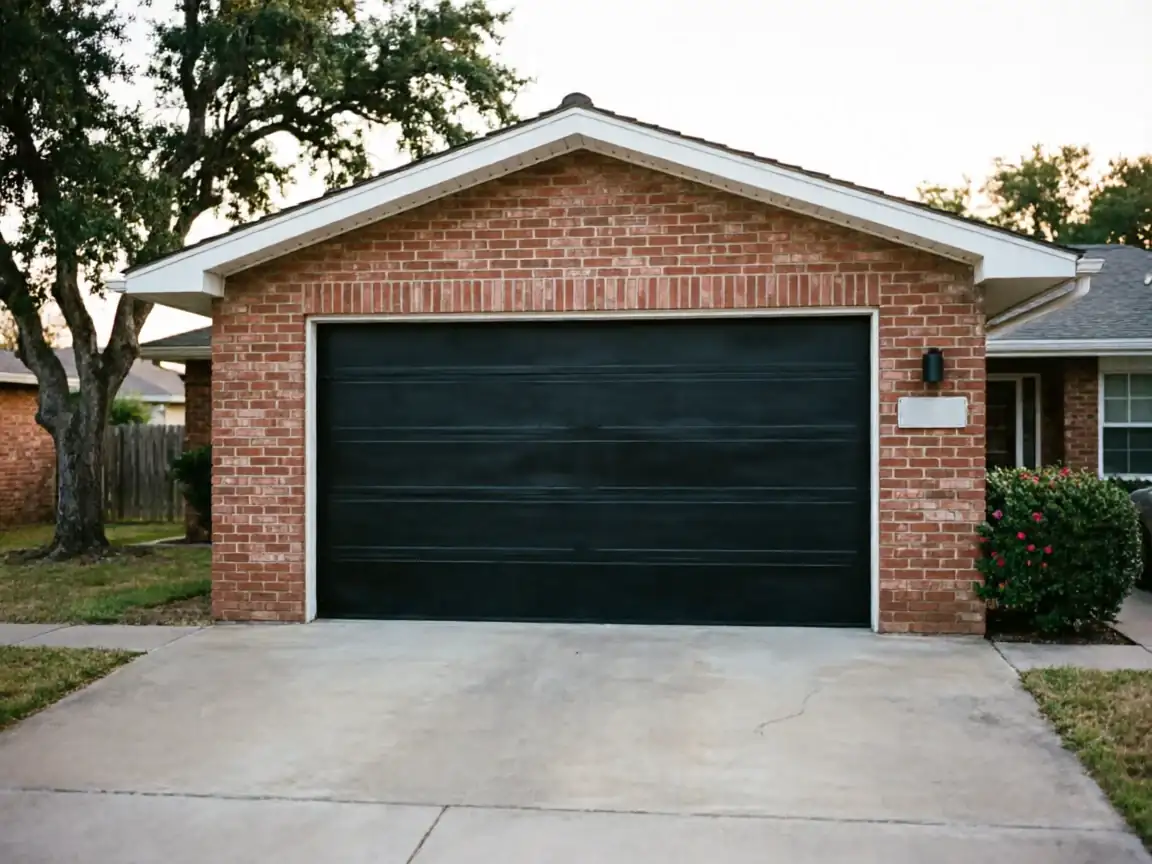
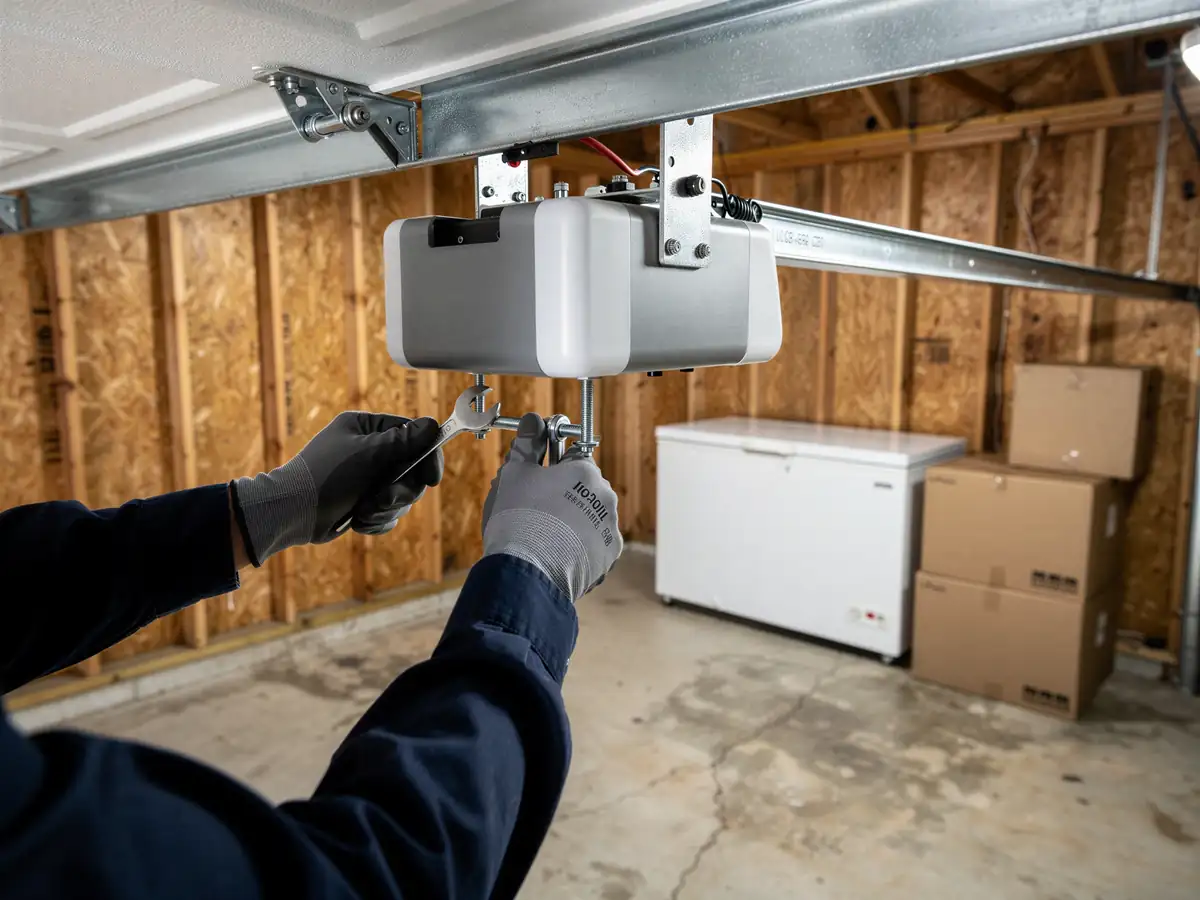
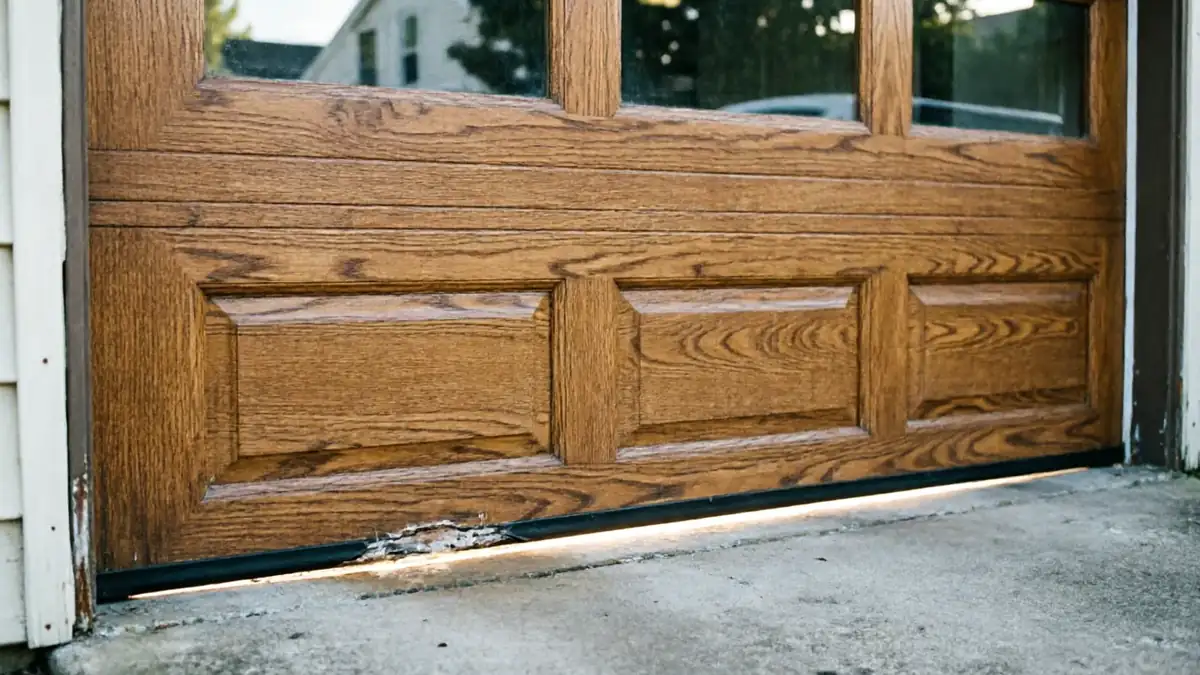
Most homeowners here think a drafty garage door means the whole door needs replacing. It usually doesn't. Watauga's housing stock runs from 1953 up through 2014, with the bulk of it going up in the 1980s and 90s across neighborhoods. That means the door itself is often fine, but the bottom astragal seal - the rubber strip along the floor - has hardened and cracked from decades of sun and ground contact. People replace openers or springs chasing a draft that's coming from an eight-dollar seal.
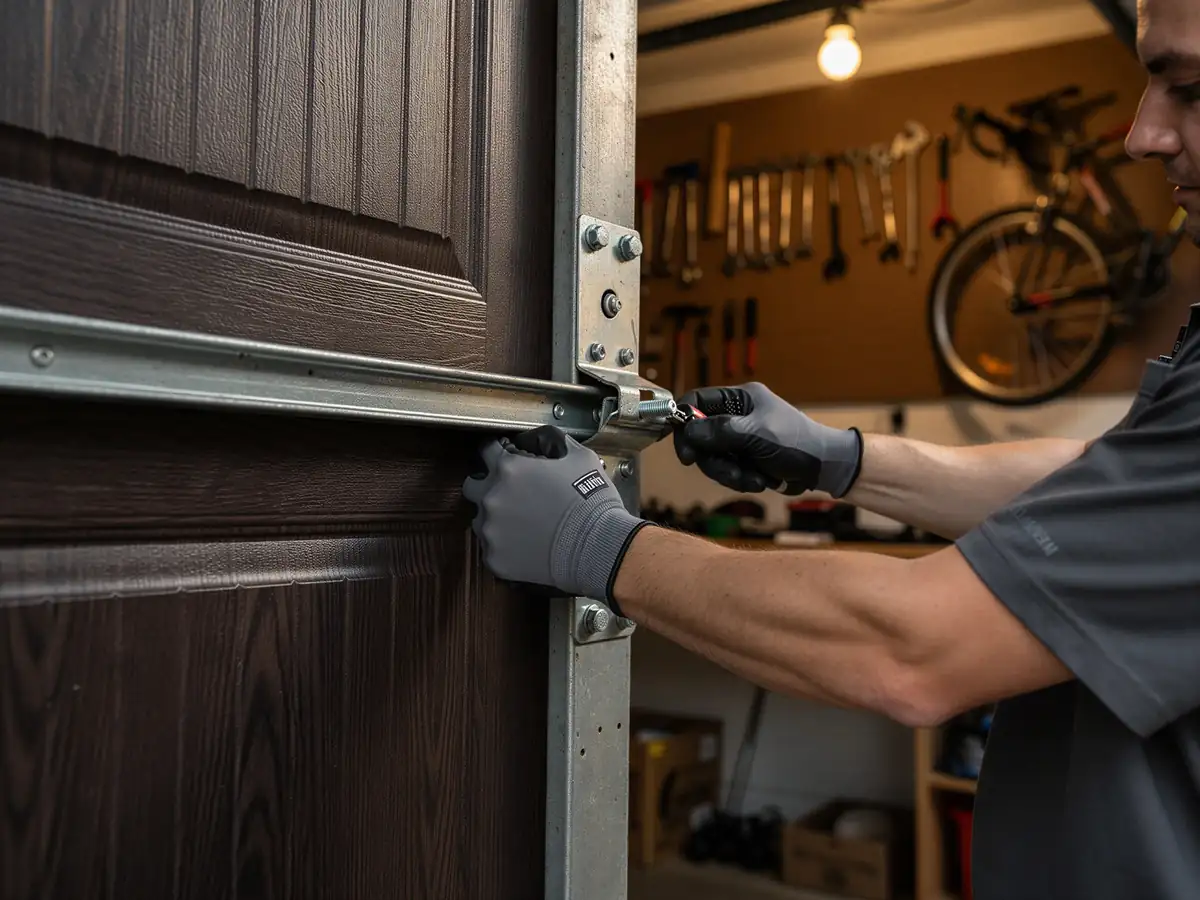
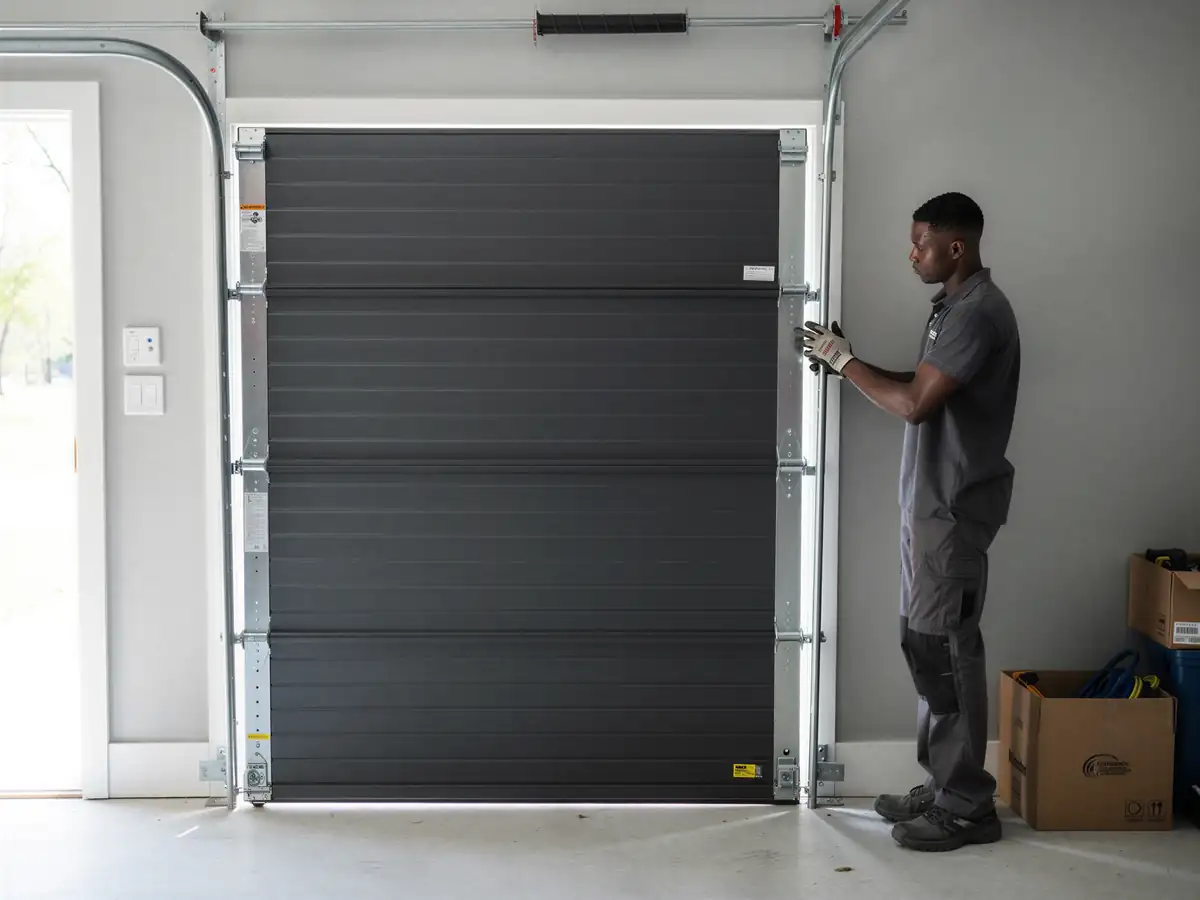
The other mistake is caulking or foaming around the frame instead of the door. On a lot of these 80s and 90s builds, the jamb seals (the vertical rubber strips on either side of the door) were installed once and never touched again. They shrink and pull away from the track over twenty-plus years. No amount of weatherstripping on the wrong spot fixes a gap that's actually at the top panel or the jamb. You have to find where the air is actually moving, not assume it's the obvious place.
How Local Conditions Play In
This area sits in a moderate heat band, not an extreme one, so you're not fighting the kind of punishing summer swings that crack vinyl seals in a single season like you'd see further south or west. But moderate heat over a 1993-median-age house still means thirty-plus years of expansion and contraction on the original rubber. The seal doesn't fail dramatically - it just slowly stops doing its job, a millimeter at a time, until one day the garage smells like outside air.
Because the heat here isn't extreme, a lot of these seals look okay from a quick glance. They haven't curled up or turned brittle and white the way they would in a harsher climate. That's actually the trap: a seal can look intact and still have lost its flex, which is what actually stops air and dust, not just its shape.
What Is Going On
Across the roughly 45,309 owner-occupied houses in this service area, the pattern repeats
A door that opens and closes fine, springs that are in decent shape, and a bottom seal or threshold gap that's been quietly letting in draft and dust for years. On the 1980s and 90s builds especially, the original aluminum retainer that holds the bottom seal in place has often warped slightly, which means even a brand-new seal won't sit flush until the retainer gets straightened or swapped.
- 45,309 owner-occupied
On the smaller number of homes built closer to 1953, you sometimes see a different issue
A steel door with no weep gap at all, so water sits against the bottom seal and breaks it down faster than sun exposure alone would. Newer builds toward 2014 usually have better factory thresholds and fewer draft complaints, but even those develop gaps once the door's been racked slightly out of square from years of use.
What It Costs
We're not going to put a number here we can't stand behind - material and seal pricing varies enough by door size and seal type that a flat figure would be a guess, not a fact. What we can tell you is the order of operations: a seal and retainer job is a fraction of a spring job, which is a fraction of a full door replacement. If your draft turns out to be a warped retainer rather than just dead rubber, that's a slightly longer job than a straight seal swap, but still nowhere near opener or panel-level cost.
The honest limitation: if your door is original to a 1950s-era house and the frame itself has shifted out of square, no seal is going to fully stop the draft. At that point you're looking at a new bottom section or a full door, and we'll tell you that straight instead of selling you a seal that won't hold.