Can You Do This Yourself
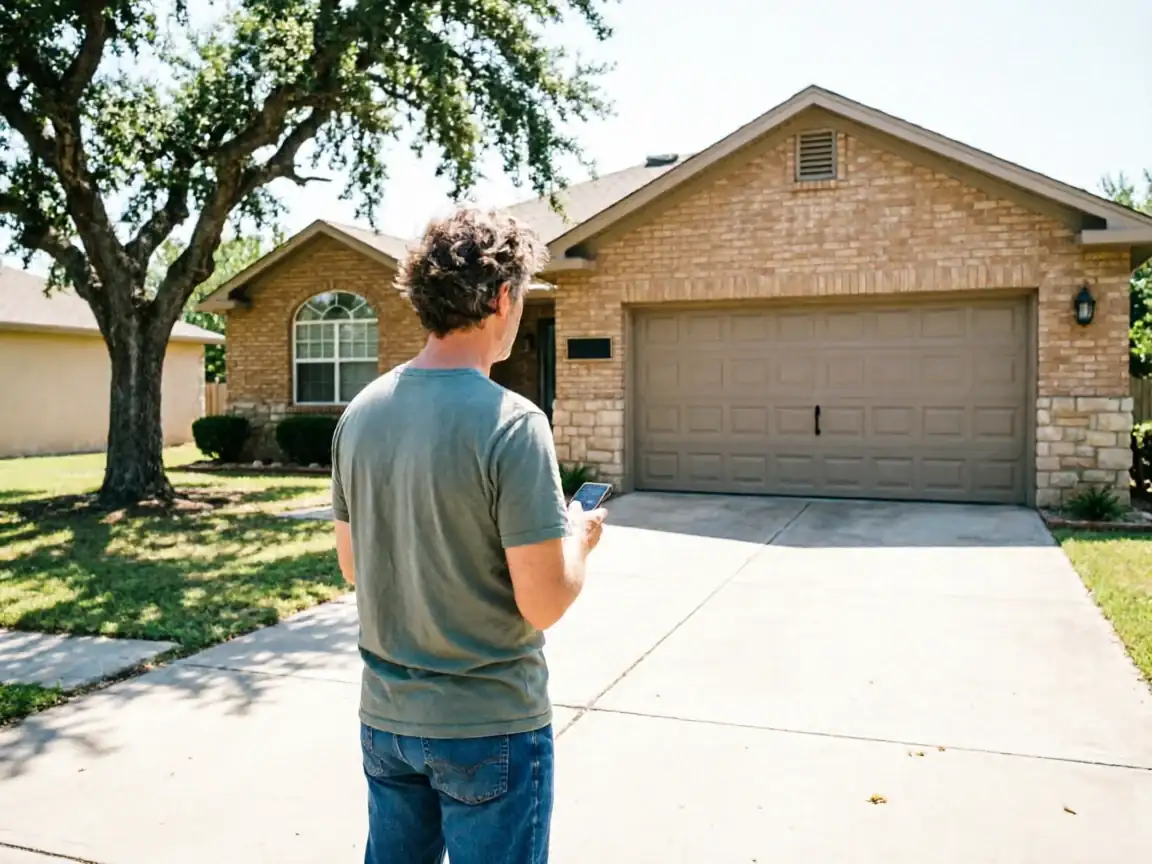
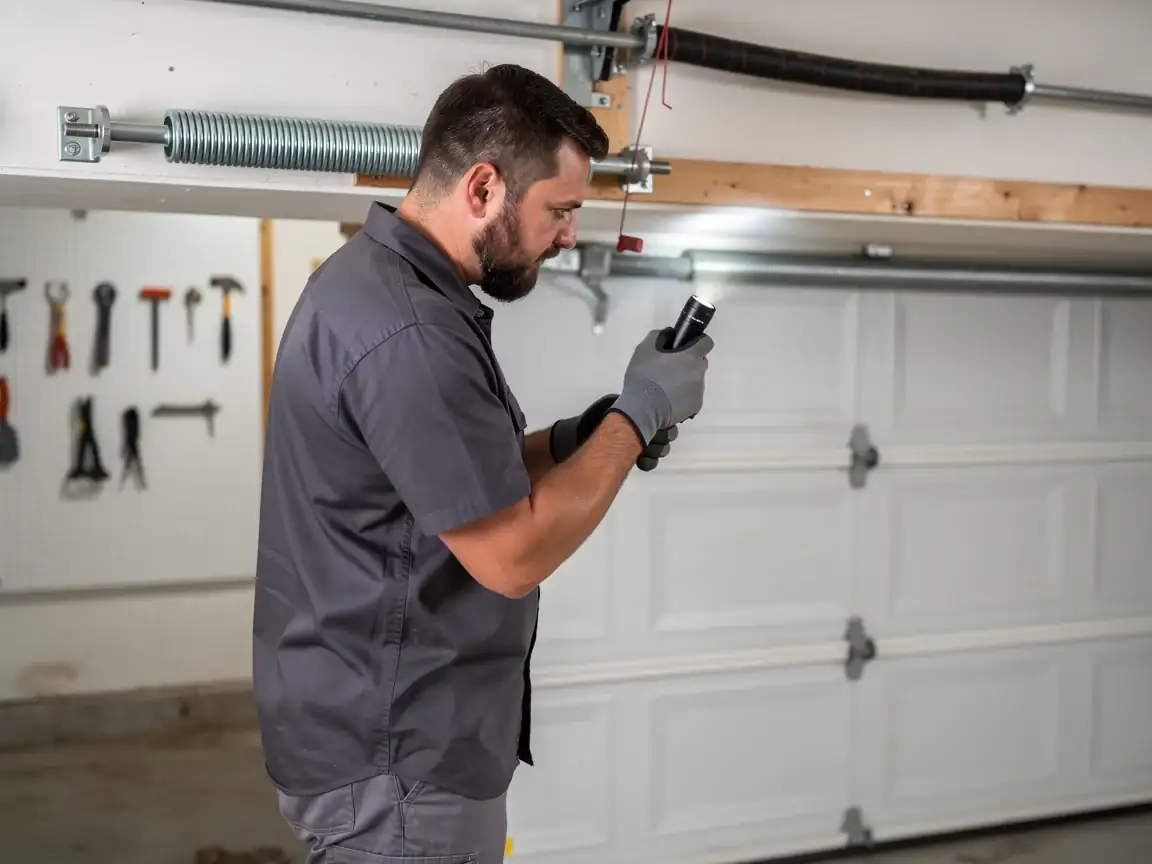
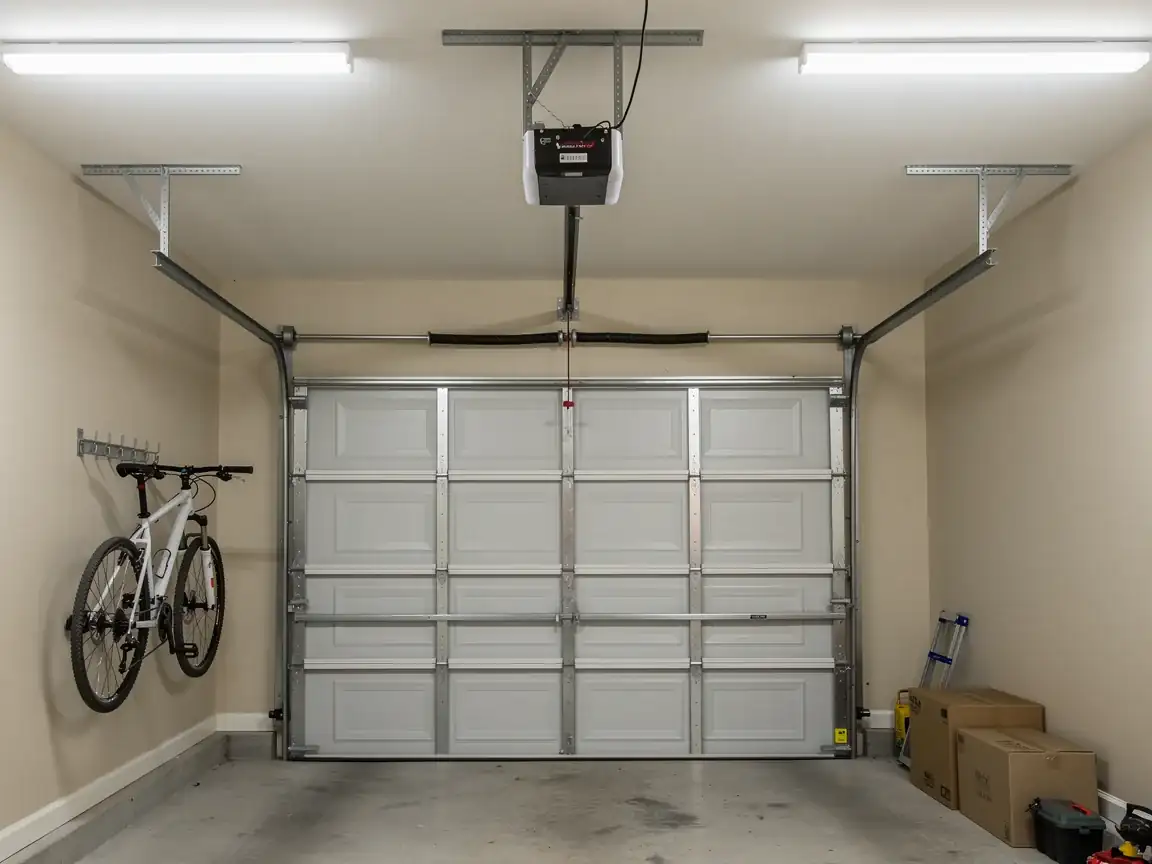
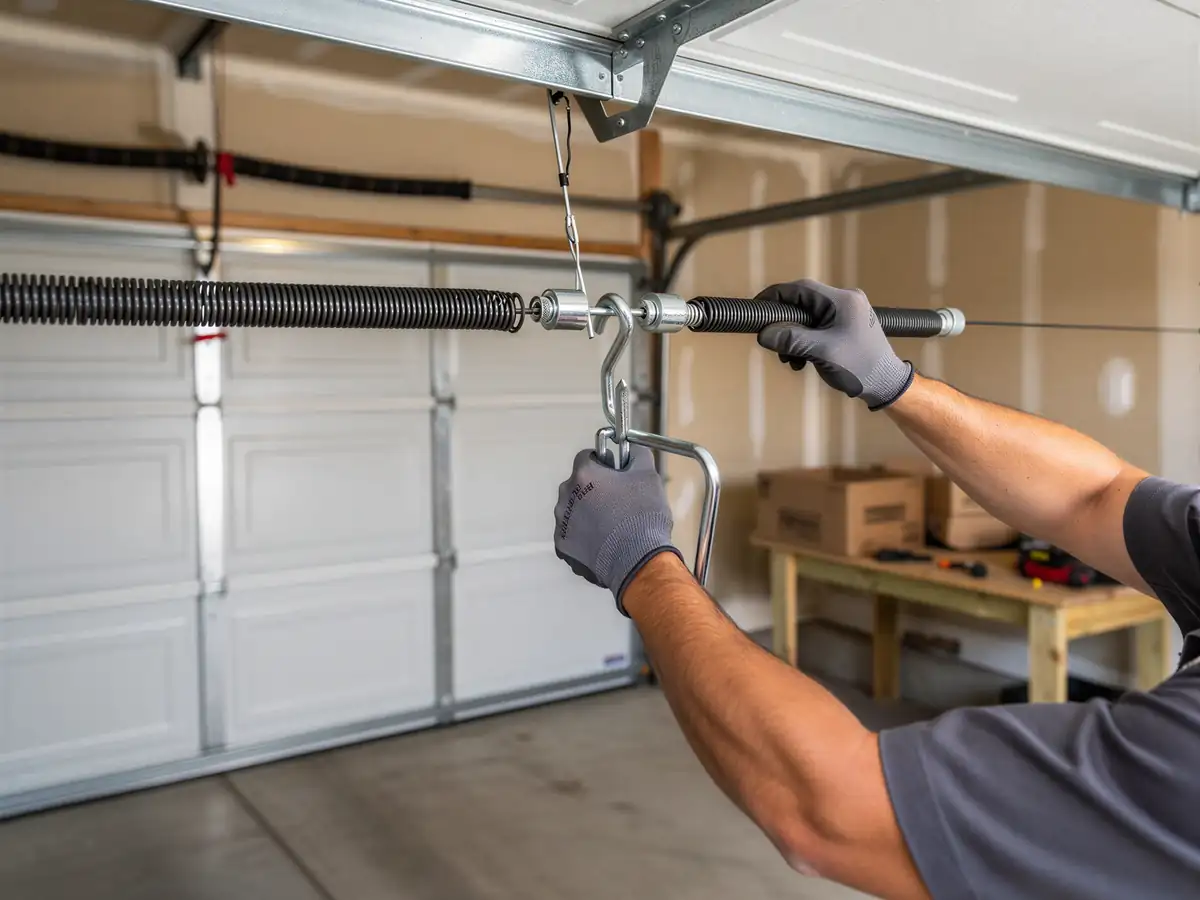
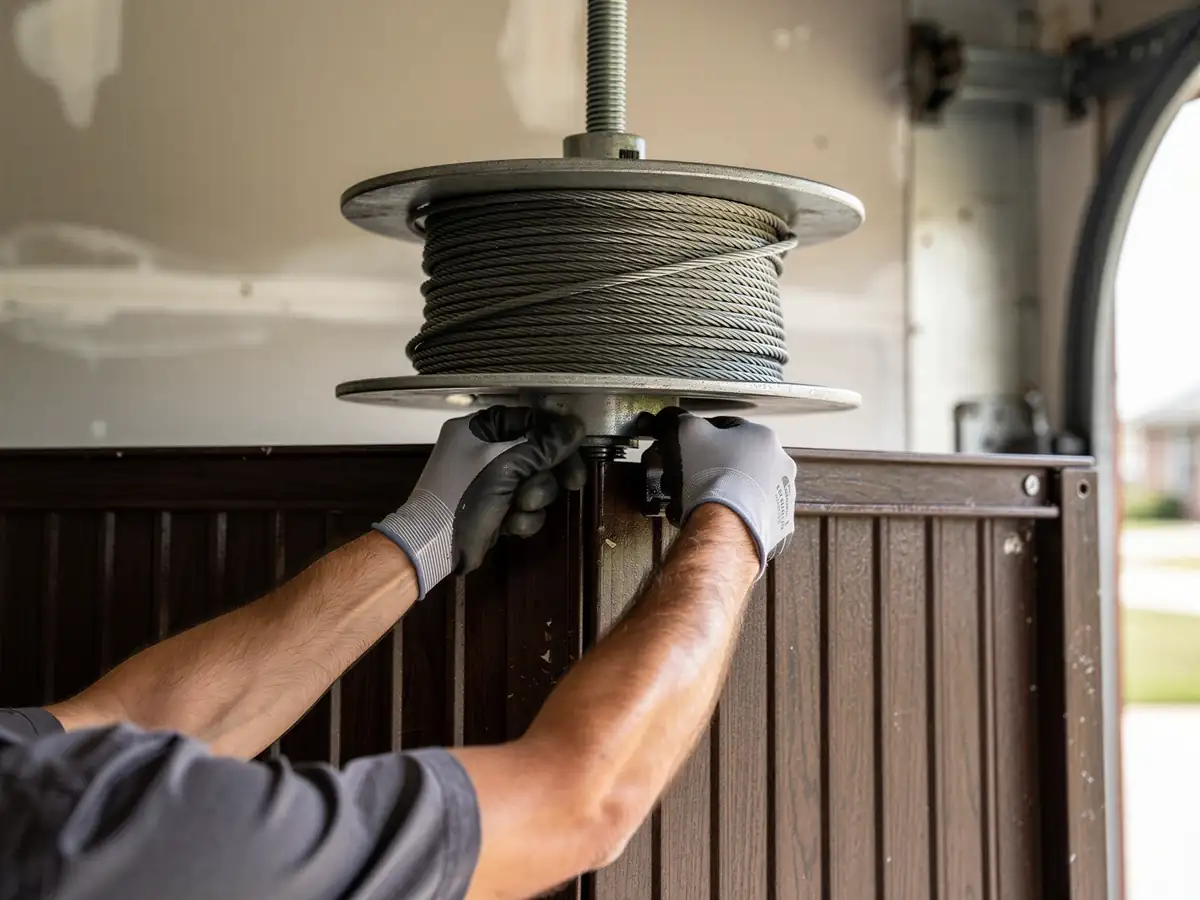
A garage door cable is under real tension, and the drum it winds around sits next to a spring that can let go if you touch the wrong bolt. We don't recommend DIY cable work on a residential door, full stop - this isn't a skill-level problem, it's a stored-energy problem. With roughly 4,784 households in Trophy Club, most on torsion systems installed within the last two and a half decades, the hardware is in decent shape, but decent shape doesn't mean safe to open up. If a cable has jumped the drum or snapped, the door is either stuck shut or about to come down crooked. Leave the cover panel on, unplug the opener so it doesn't try to cycle, and call someone who does this daily. The one thing you can safely do yourself: look at the cable where it meets the bottom bracket and see if strands are frayed or if it's slack on one side versus the other. That tells us a lot before we even arrive.
How Long It Takes
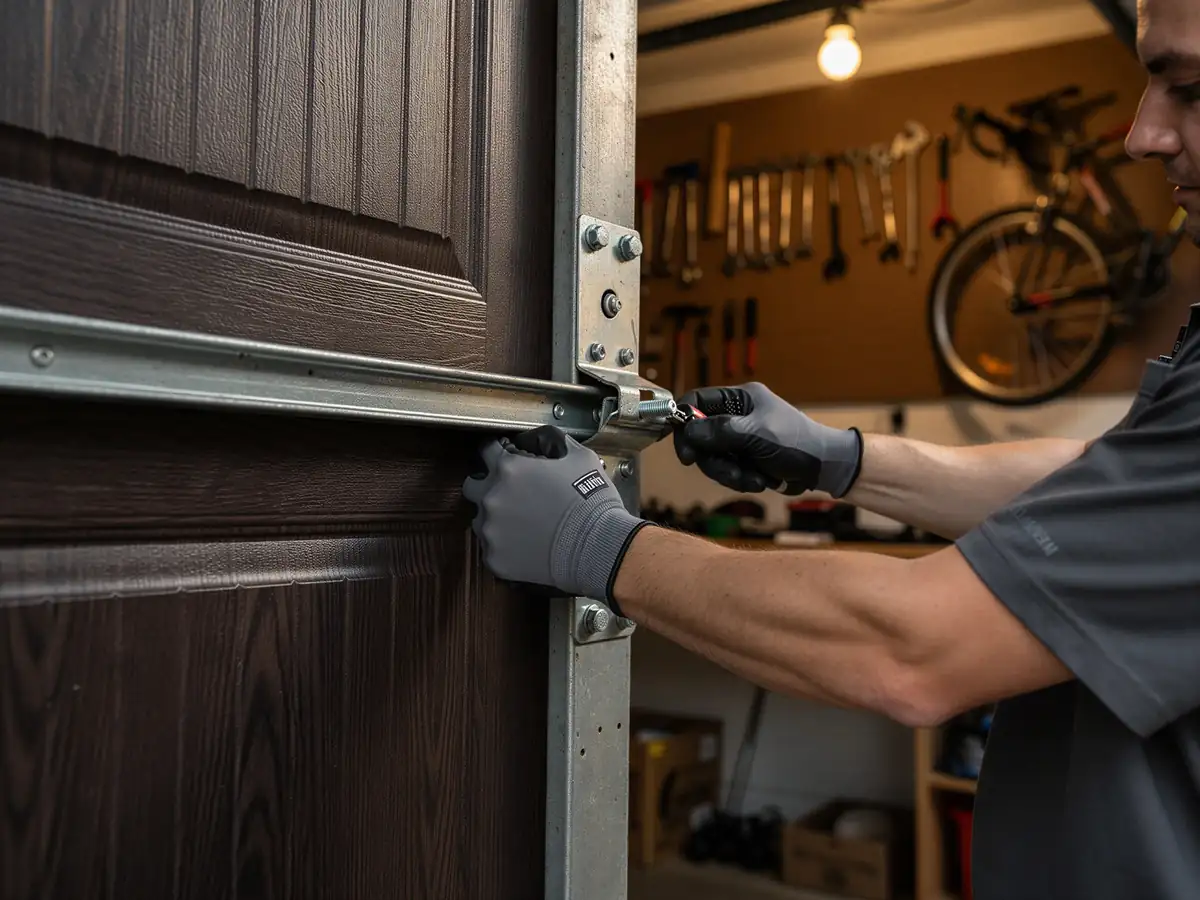
Most cable jobs run under an hour once the truck is on-site - that's a Watauga number, not a Trophy Club depot promise, since we travel the 10 miles out rather than stage locally. The repair itself is quick: pull the old cable, check the drum and bottom bracket for wear, run new cable, set tension, test the cycle a few times. What adds time is if the cable snapped because something else gave first - a rusted bottom bracket, a bent track, a spring that's also near the end of its life. On houses built closer to 2000, which describes a lot of Trophy Club, that compounding failure is less common than it is on older stock, since the hardware simply hasn't had as many open-close cycles to wear through. Still, we check the whole system before we call it done, not just the cable.
The Symptom
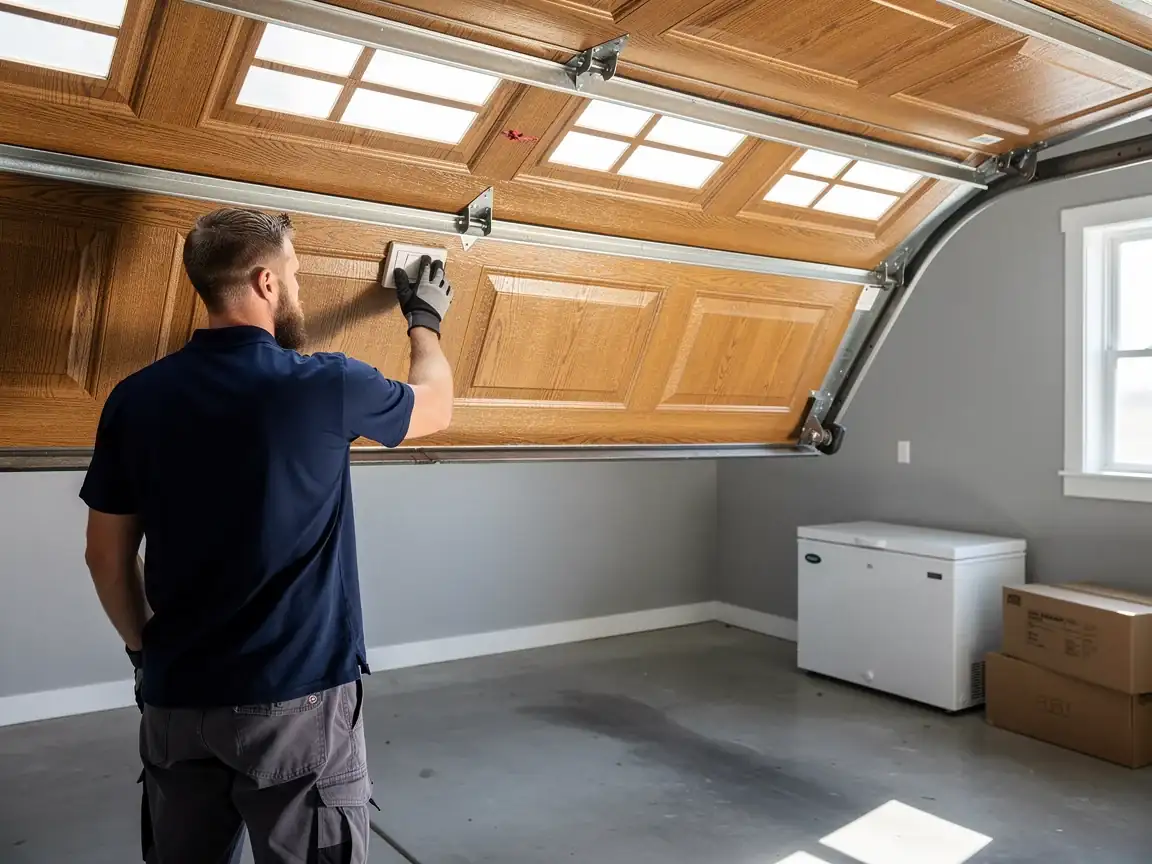
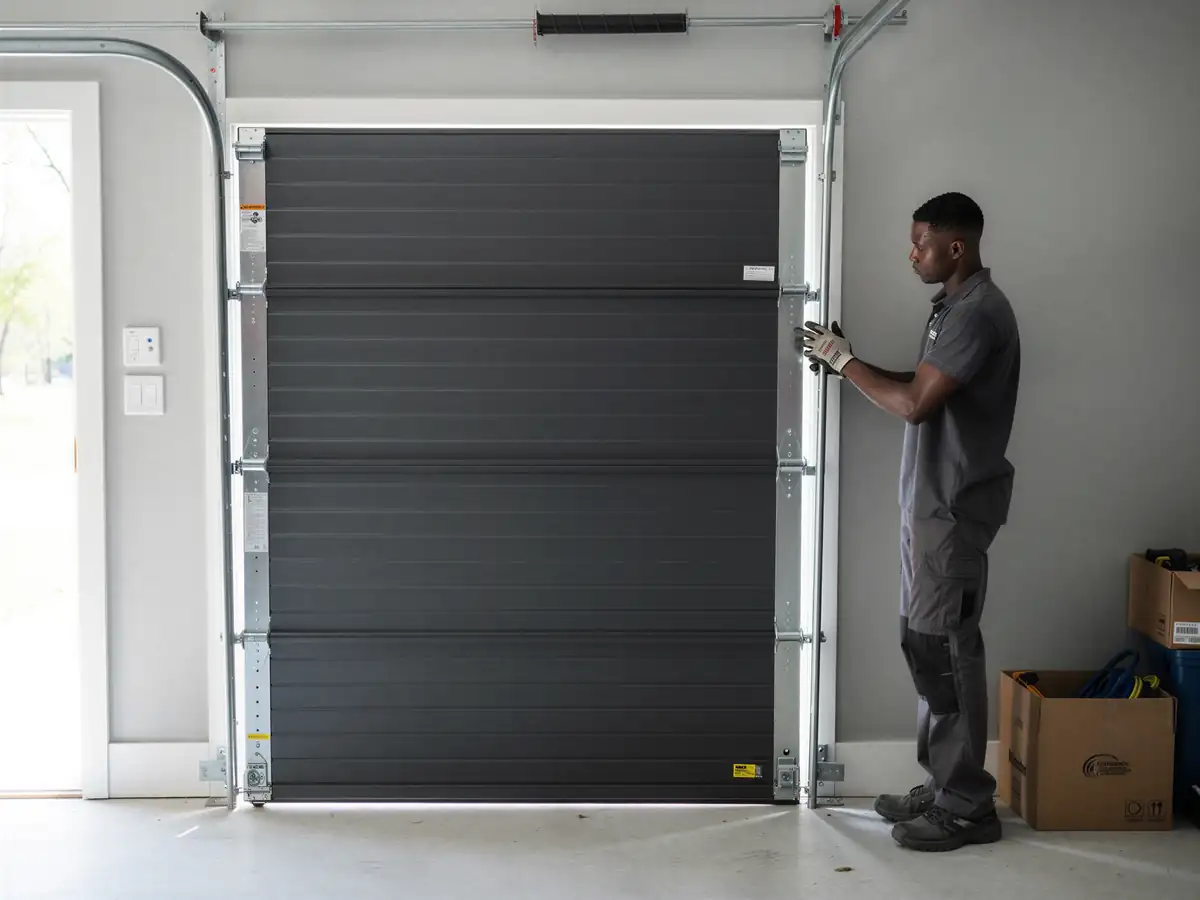
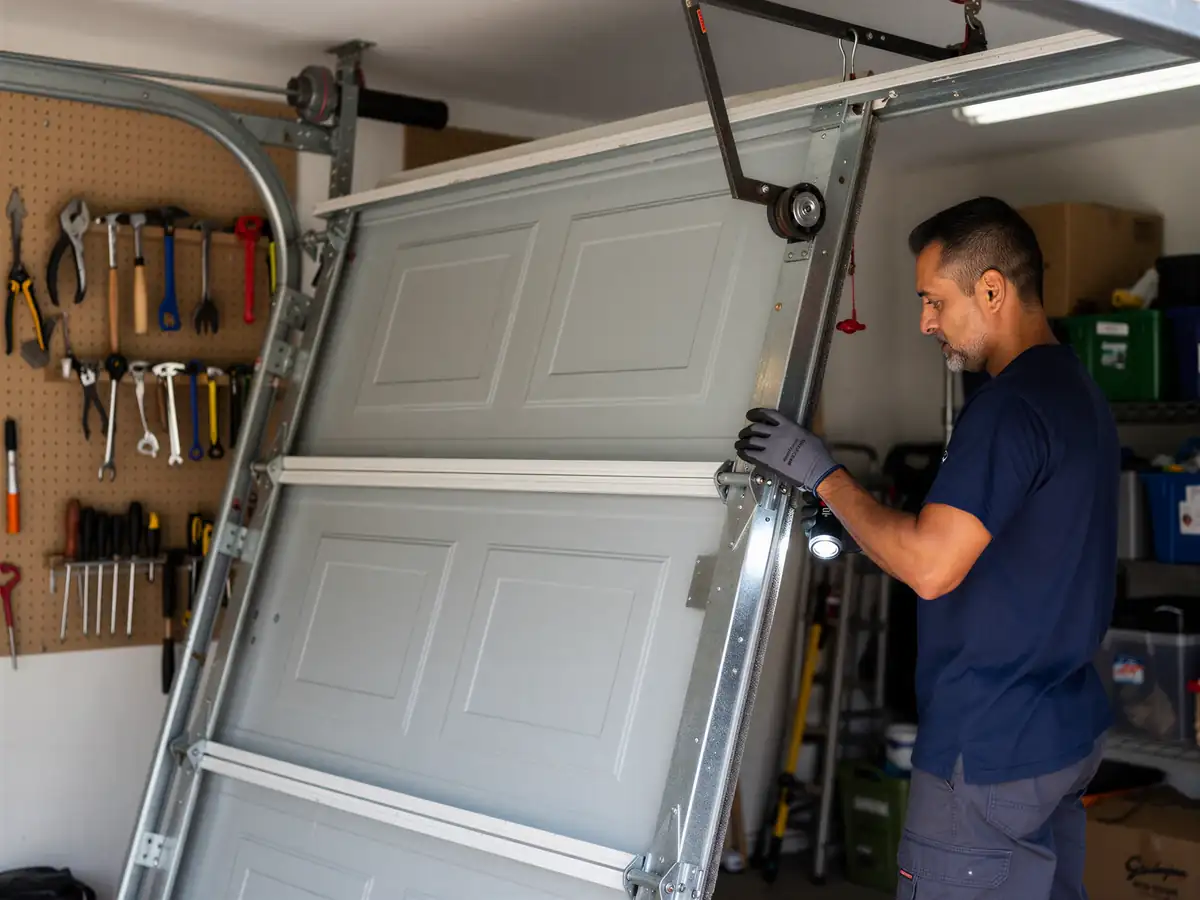
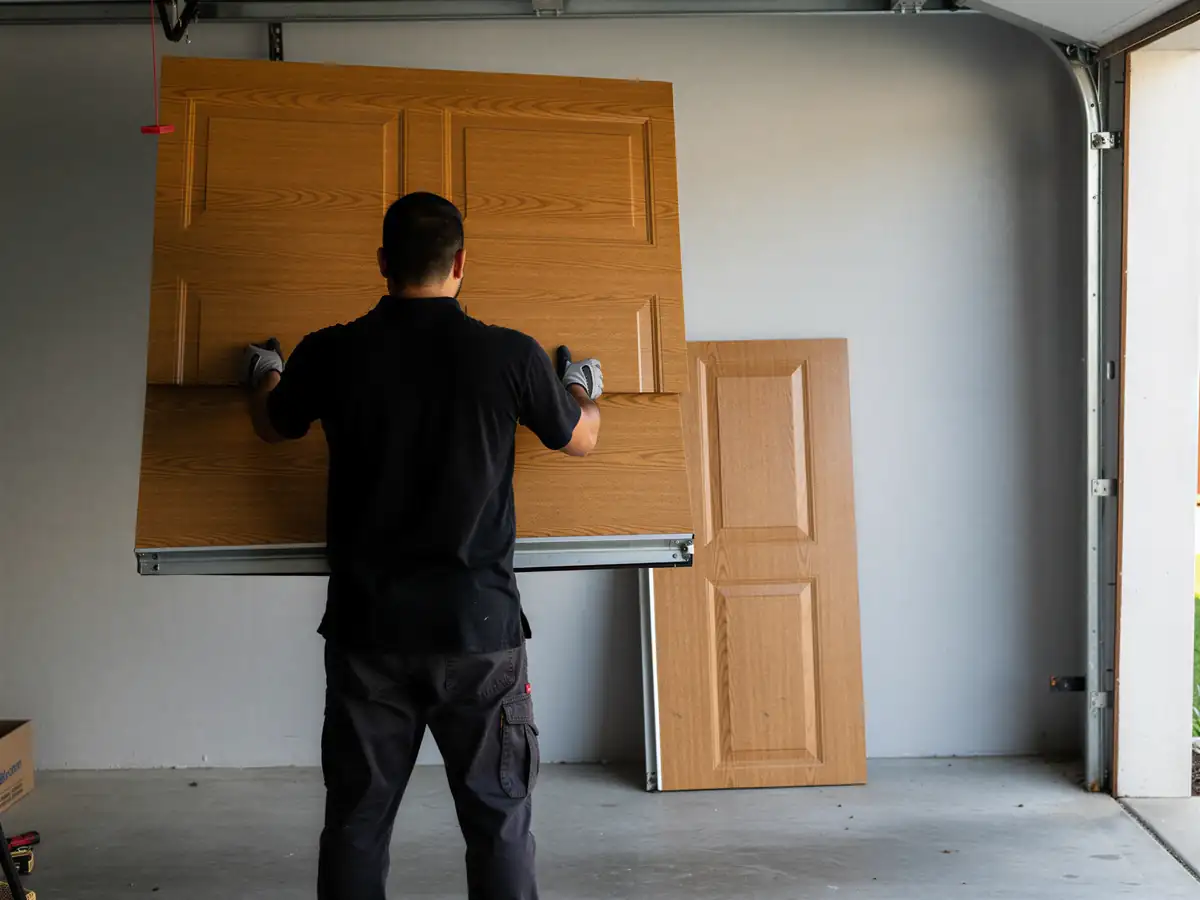
The classic sign is a door that drops unevenly - one side rides down fine, the other corner dips or lags, because one cable has frayed and is stretching before it finally snaps. Sometimes you catch it early: a visible kink or a few broken strands near the bottom bracket, maybe a faint clicking as the frayed section runs over the drum. Sometimes you don't, and the door just won't lift at all, hanging crooked a few inches off the floor. With Trophy Club's housing running newer - median year built around 2000 - cable failure here is less often about decades-old rusted hardware and more often about a cable that's been under load from a heavier insulated door or a higher-cycle opener than the original setup was sized for. Either way, don't force the opener again once you see the hang is off. That's how a bent track gets added to the ticket.
Booking a Visit
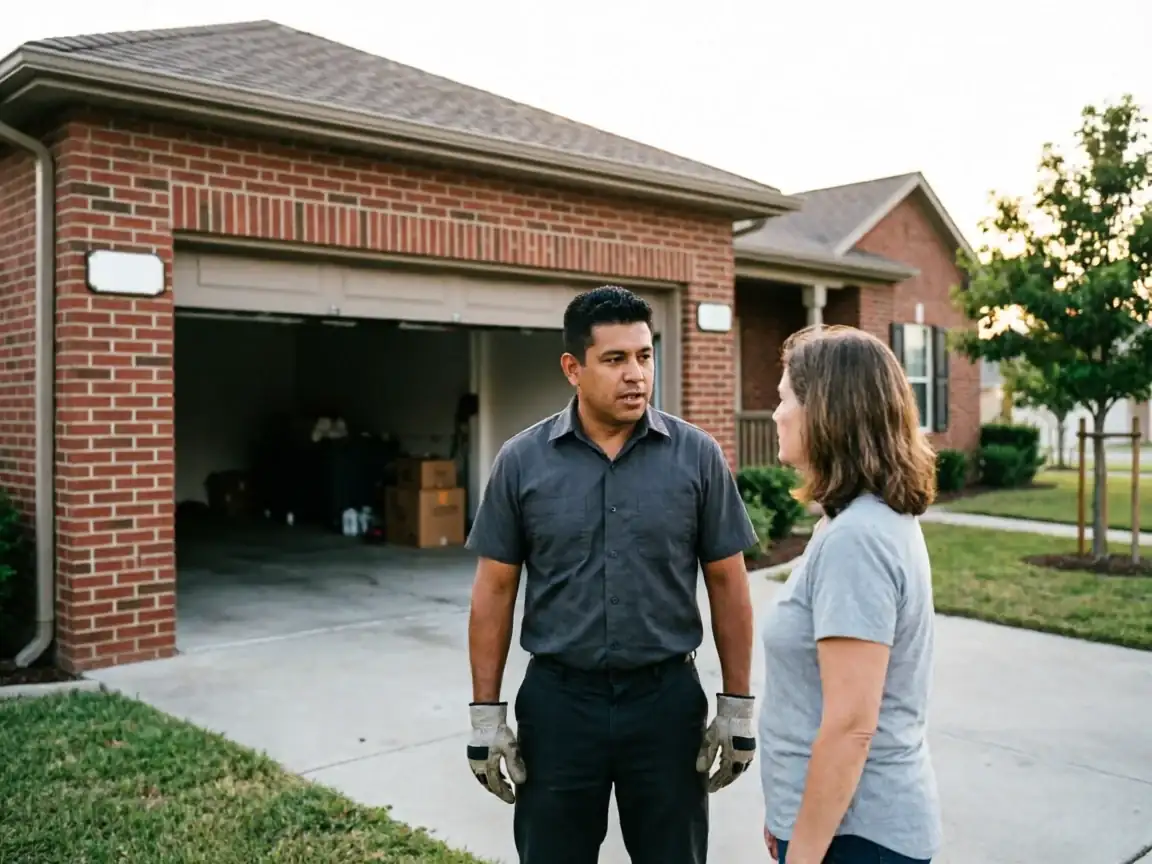
We cover Trophy Club from our Watauga base, about 10 miles out, so there's no separate local crew or drop-in storefront here - you call, we schedule the truck, and we bring the parts suited to the newer hardware common in this part of the service area. Trophy Club's household count is modest compared to some of the areas we cover, which in practice means we're not working these jobs in volume every week, so tell us the symptom clearly when you call: which side is sagging, whether you heard a snap, whether the opener still runs. That lets us load the right cable and bracket before we leave the shop.