Can You Do This Yourself
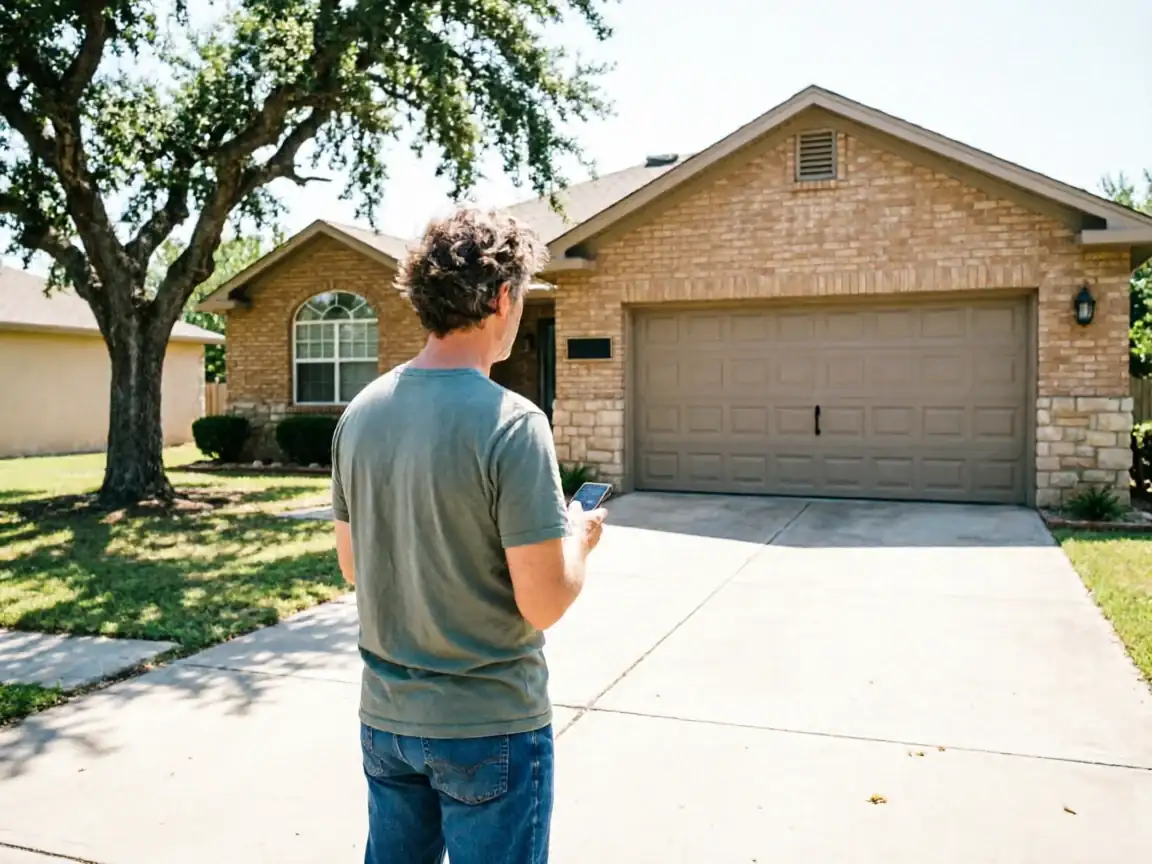
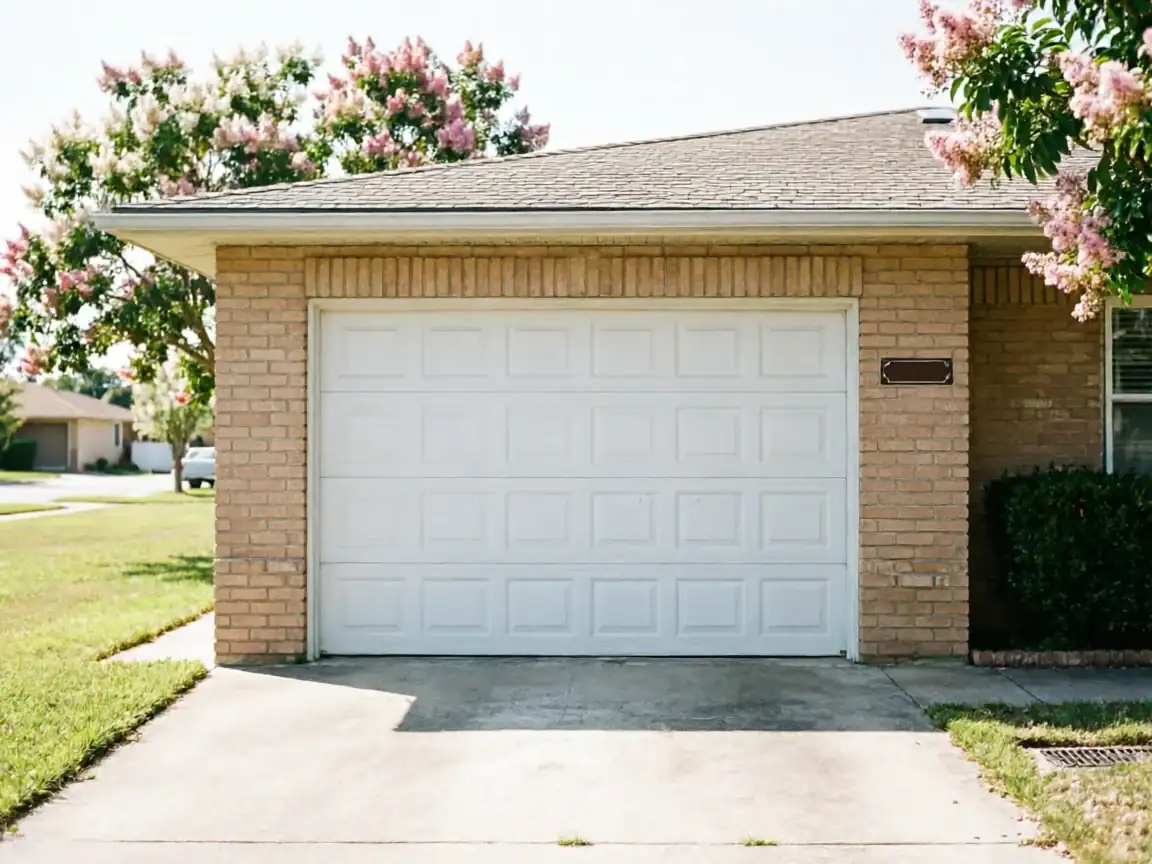
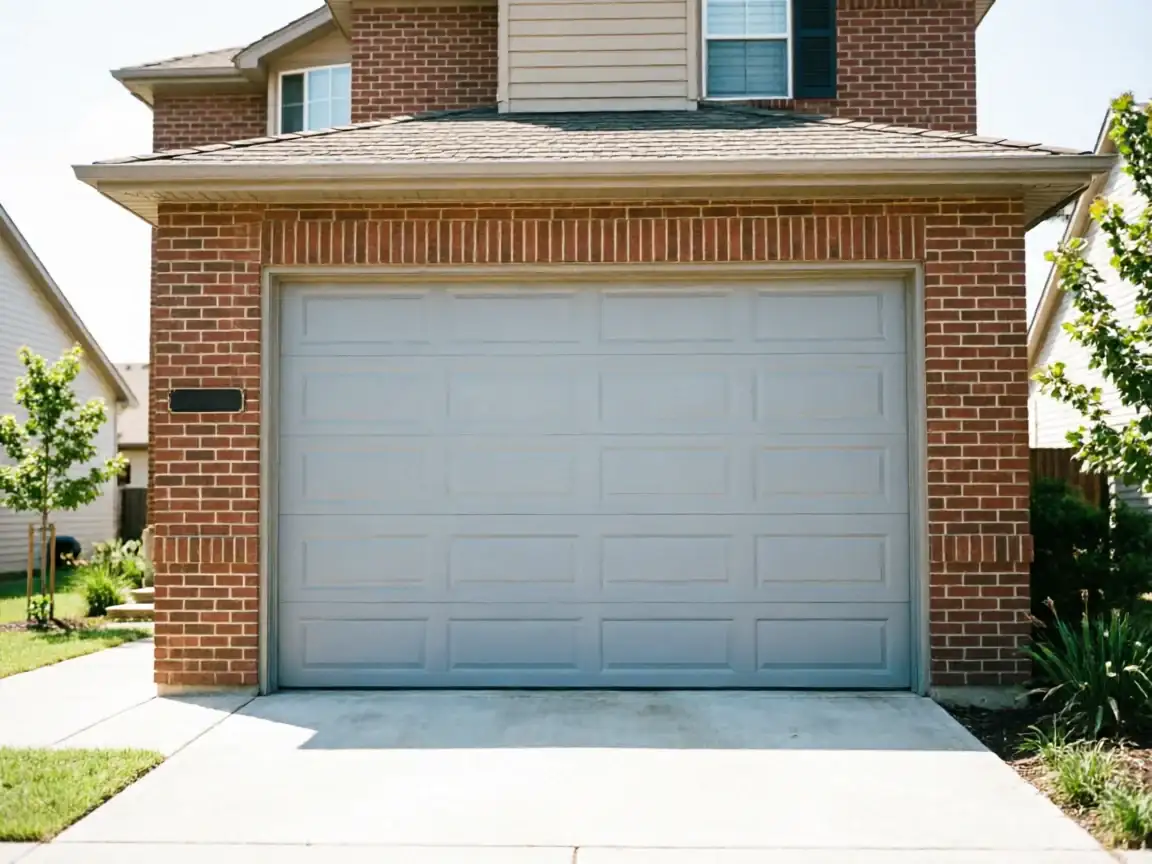
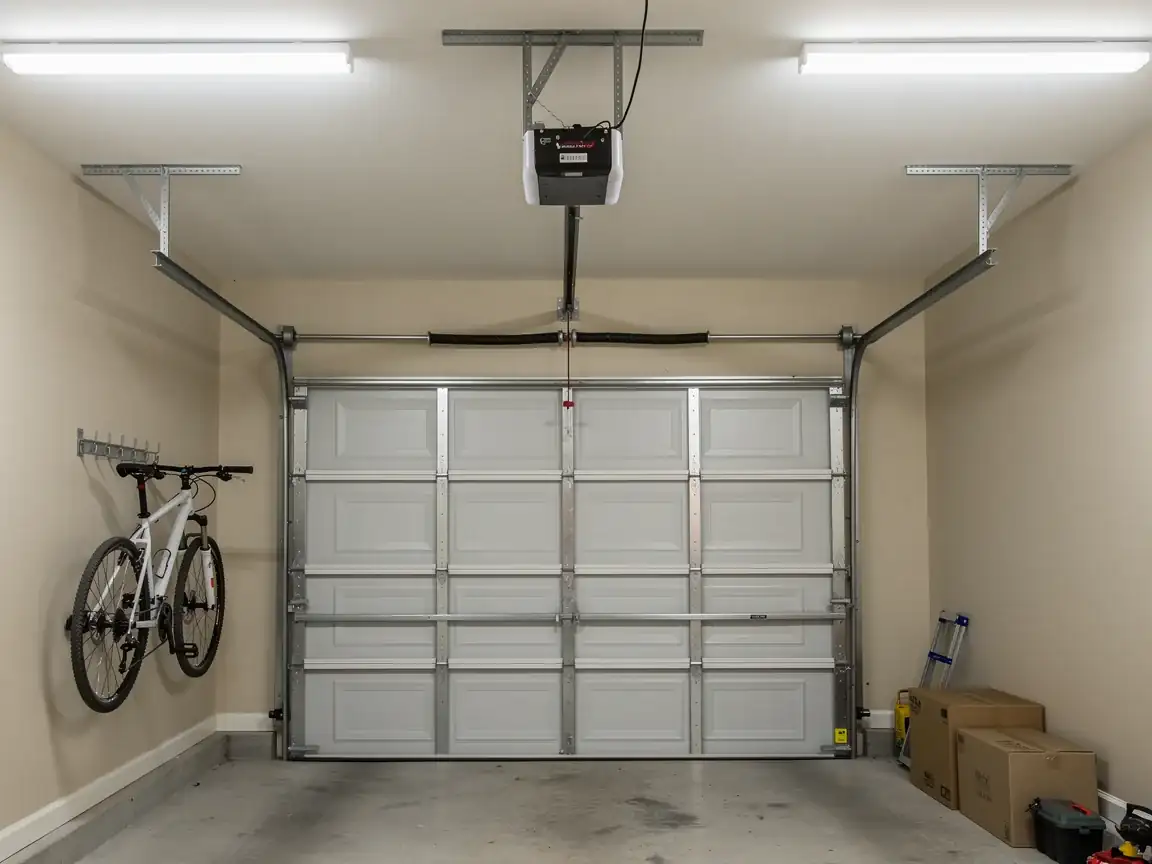
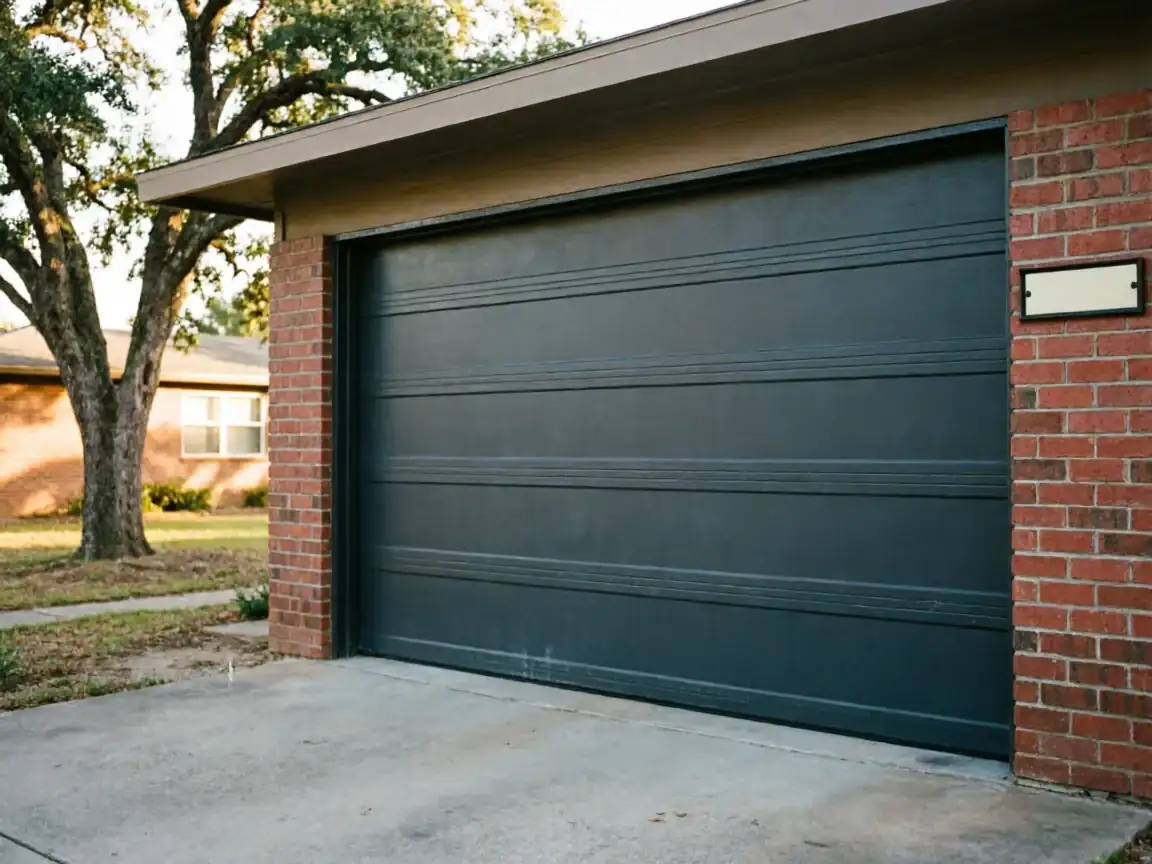
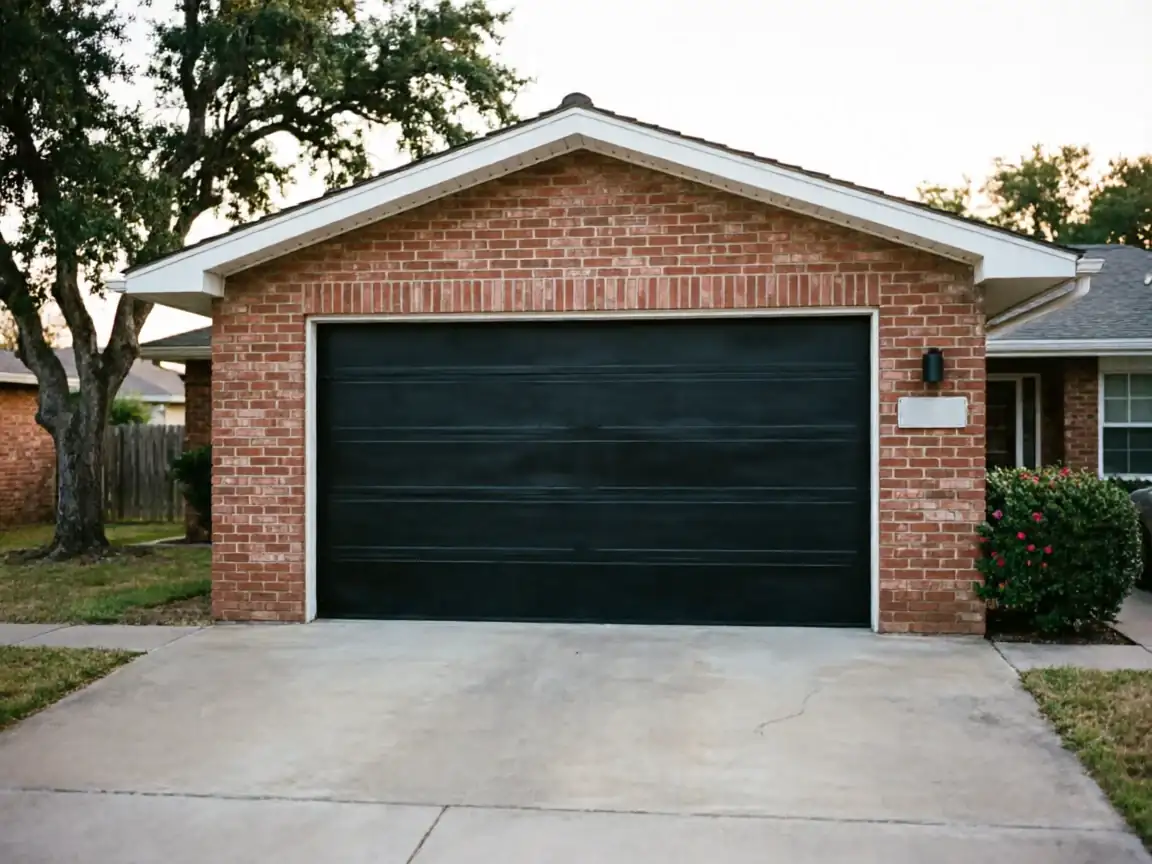
Most houses in Trophy Club went up around the year 2000, which means the garage doors on them are steel sectional units hung on torsion springs rated for the heavier insulated panels that had just become standard at that time. That's a different animal than the lighter extension-spring doors from decades earlier, and it changes what's safe to touch yourself.
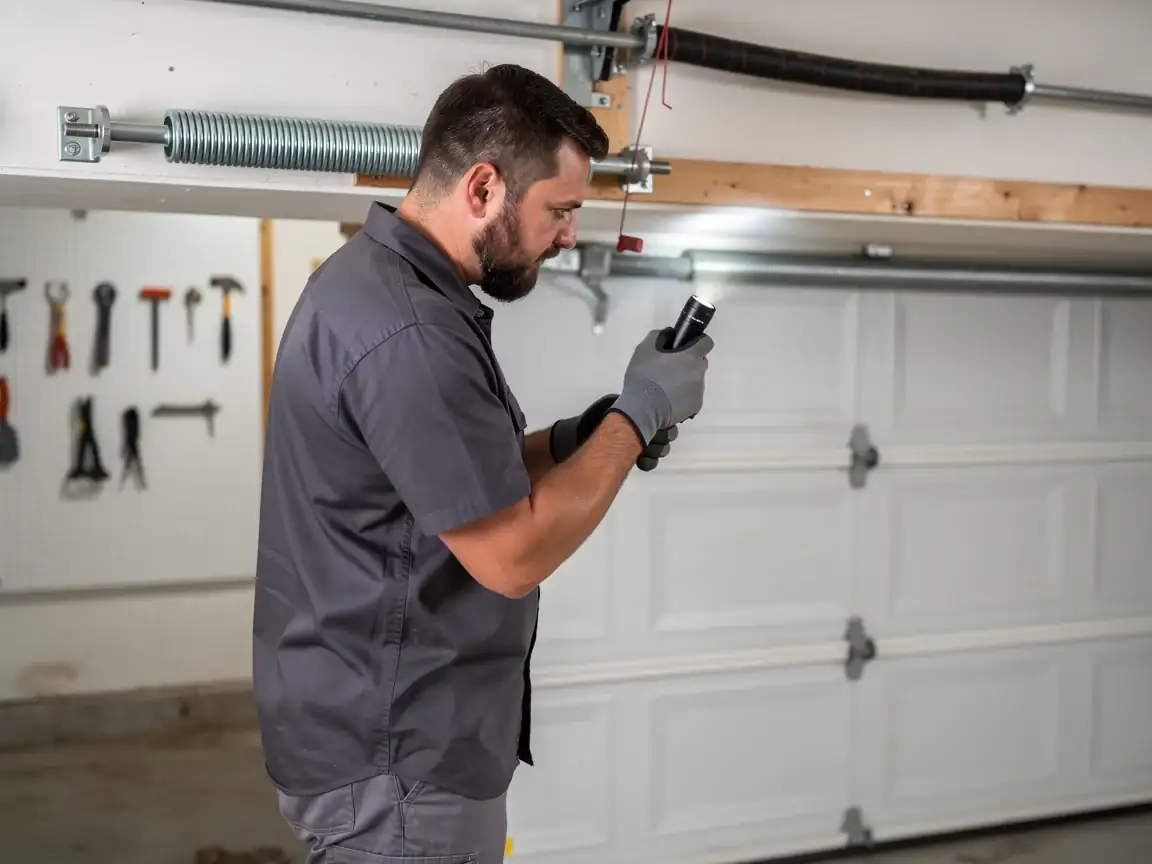
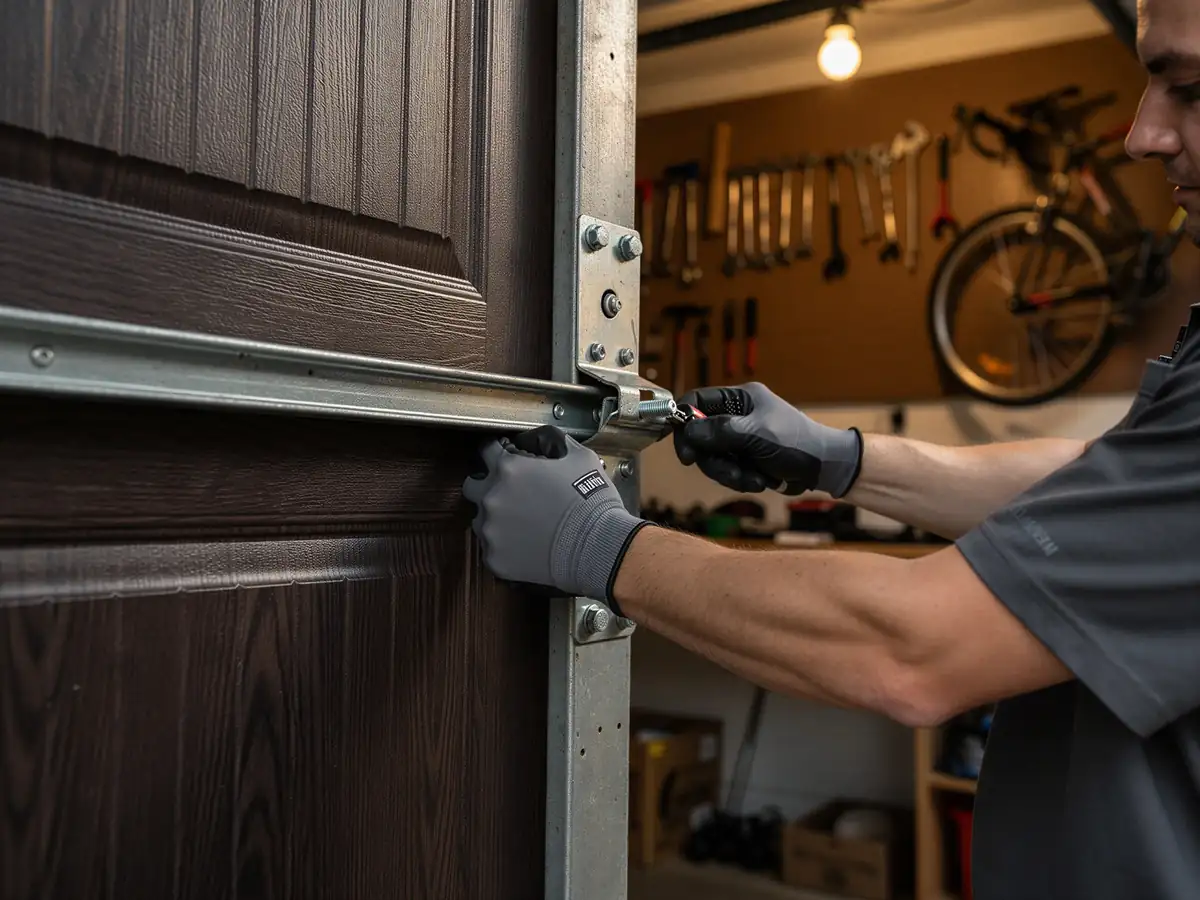
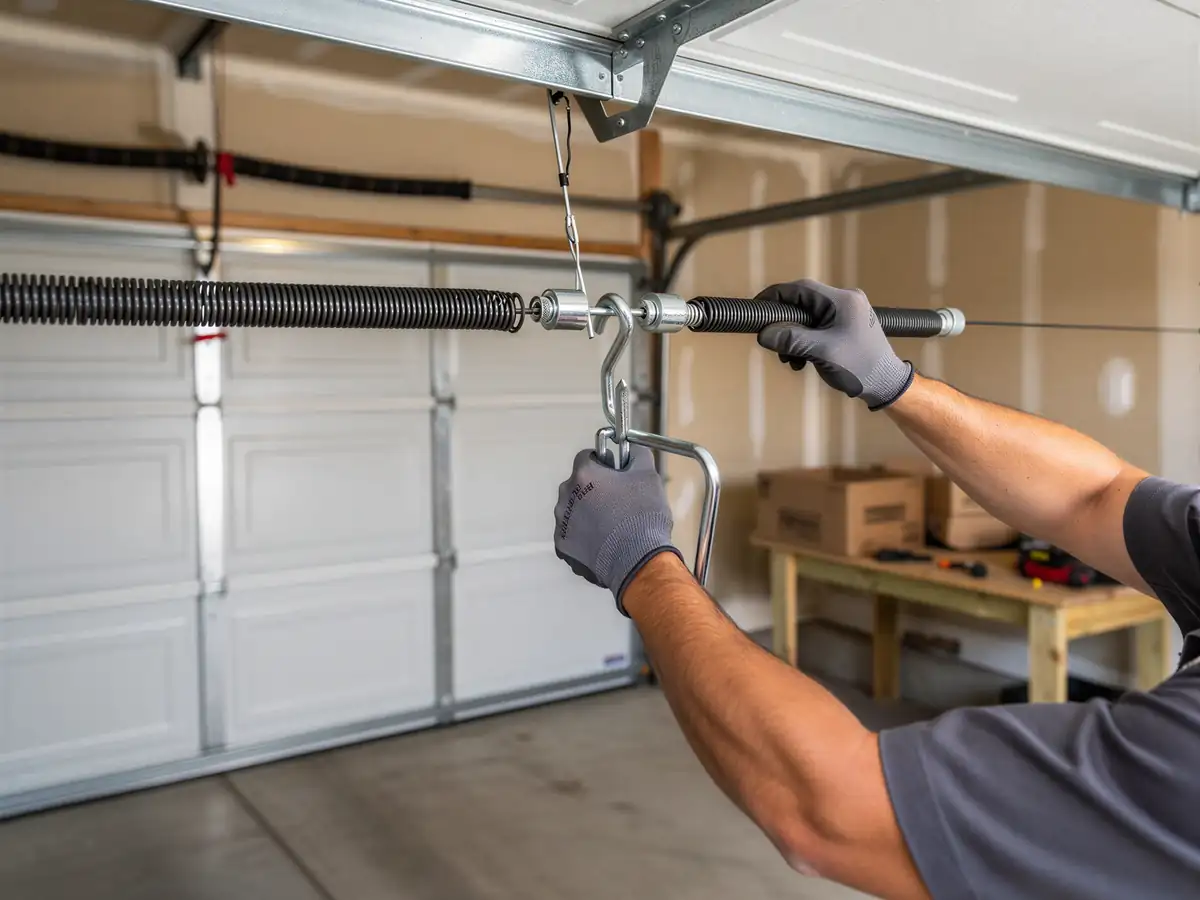
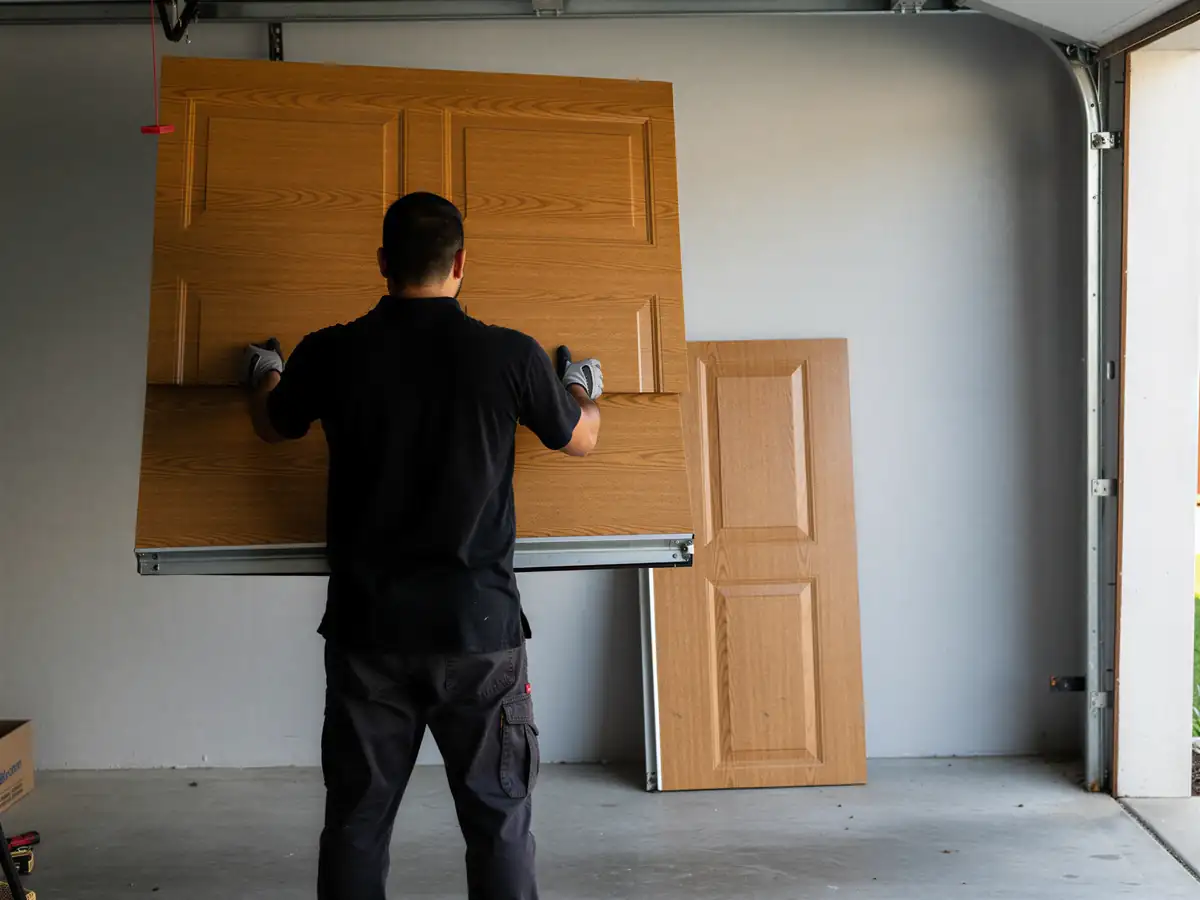
Lubricating hinges, checking the track for debris, and testing the auto-reverse sensor are all fine to do on your own. Replacing a torsion spring is not - the spring on a door this size stores enough force to break fingers or worse if the winding bars slip, and we don't walk homeowners through that step over the phone. If your door is slamming down or the opener is straining, that's a torsion or cable issue, not a tinkering one.
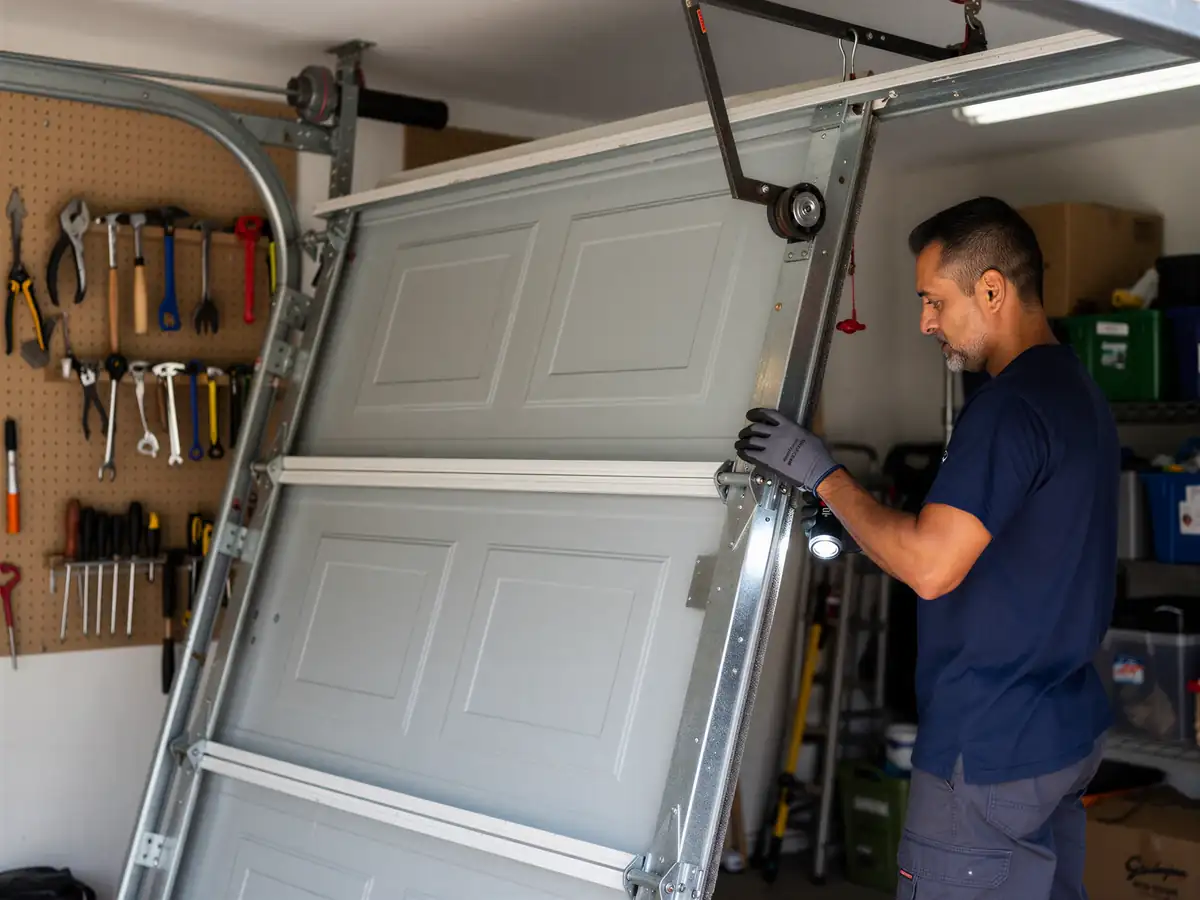
One honest limit: if the panel itself is dented or the track is bent out of true, a spring swap alone won't fix the symptom. We'll tell you when the fix is cosmetic-only and when the door needs a real look before we touch springs.
How Long It Takes
We run this call out of Watauga, about 10 miles from Trophy Club, so a visit here gets scheduled in a block rather than promised as a same-hour drop-in. That's not a knock on the town - it's just the honest distance, and we'd rather tell you that up front than imply a truck is parked around the corner.
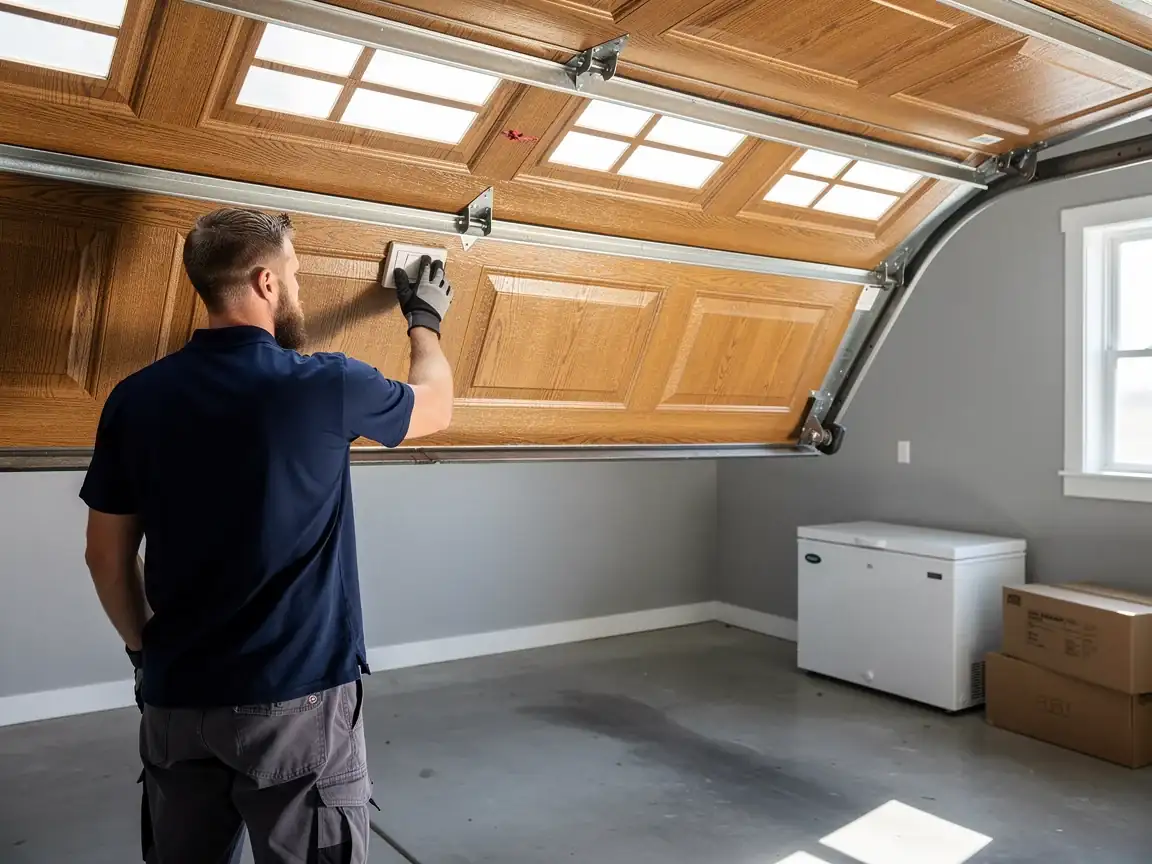
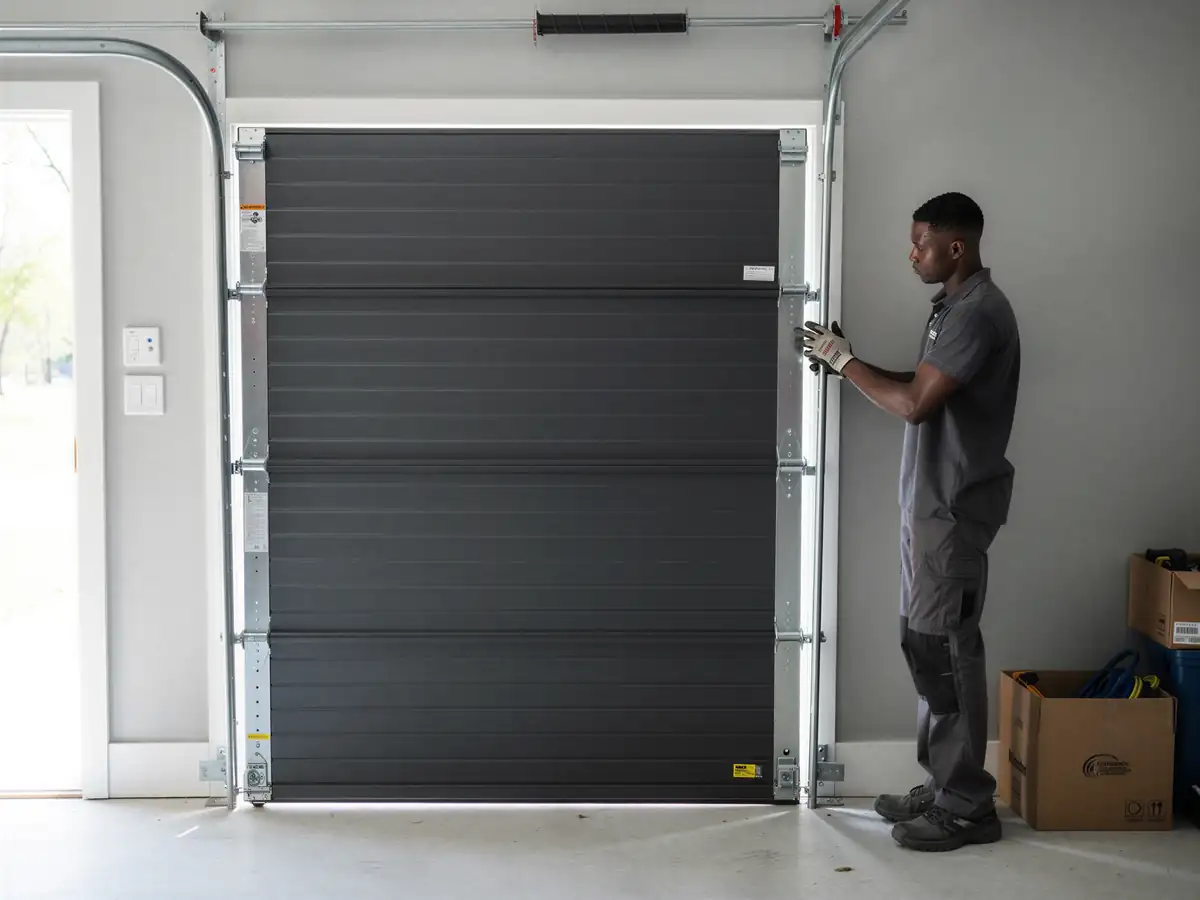
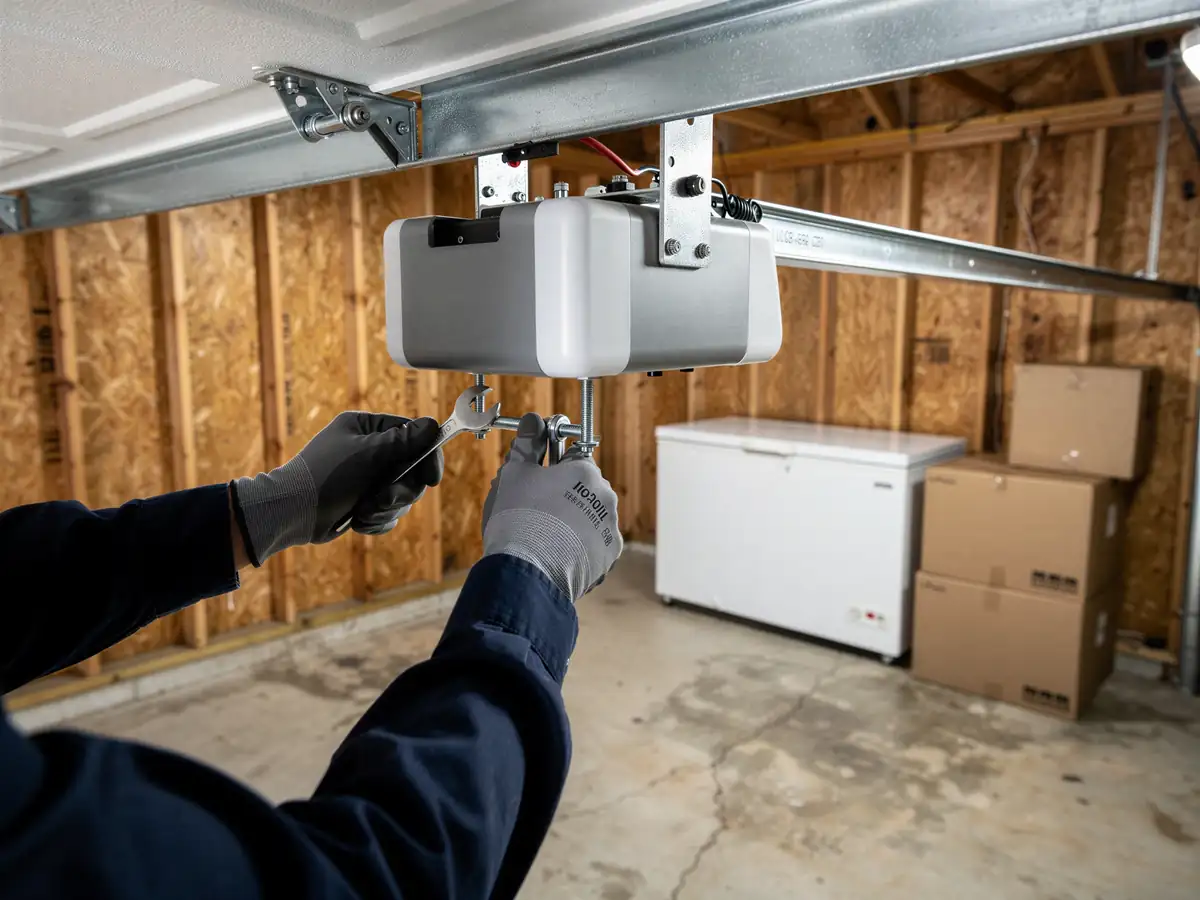
Once we're on site, the job length depends on what's actually wrong. A torsion spring replacement on a door from this era is usually a single visit. An opener swap is also a single visit, assuming the unit we bring matches your rail length and mounting. What takes longer is anything where the track has been knocked out of alignment or the header bracket needs rework - those get diagnosed first, then quoted, rather than guessed at over the phone.
We don't give you a countdown clock because every garage is a little different, even within the same build year. What we can tell you is that we come prepared for what houses built in 2000 typically have installed, which cuts down on return trips for the wrong part.
Parts We Carry
Because Trophy Club's housing stock centers on a median build year of 2000
The hardware we bring out here leans toward torsion springs sized for insulated steel doors, galvanized track sections, and chain-drive openers - the standard combination for homes built in that window, before belt-drive units became common.
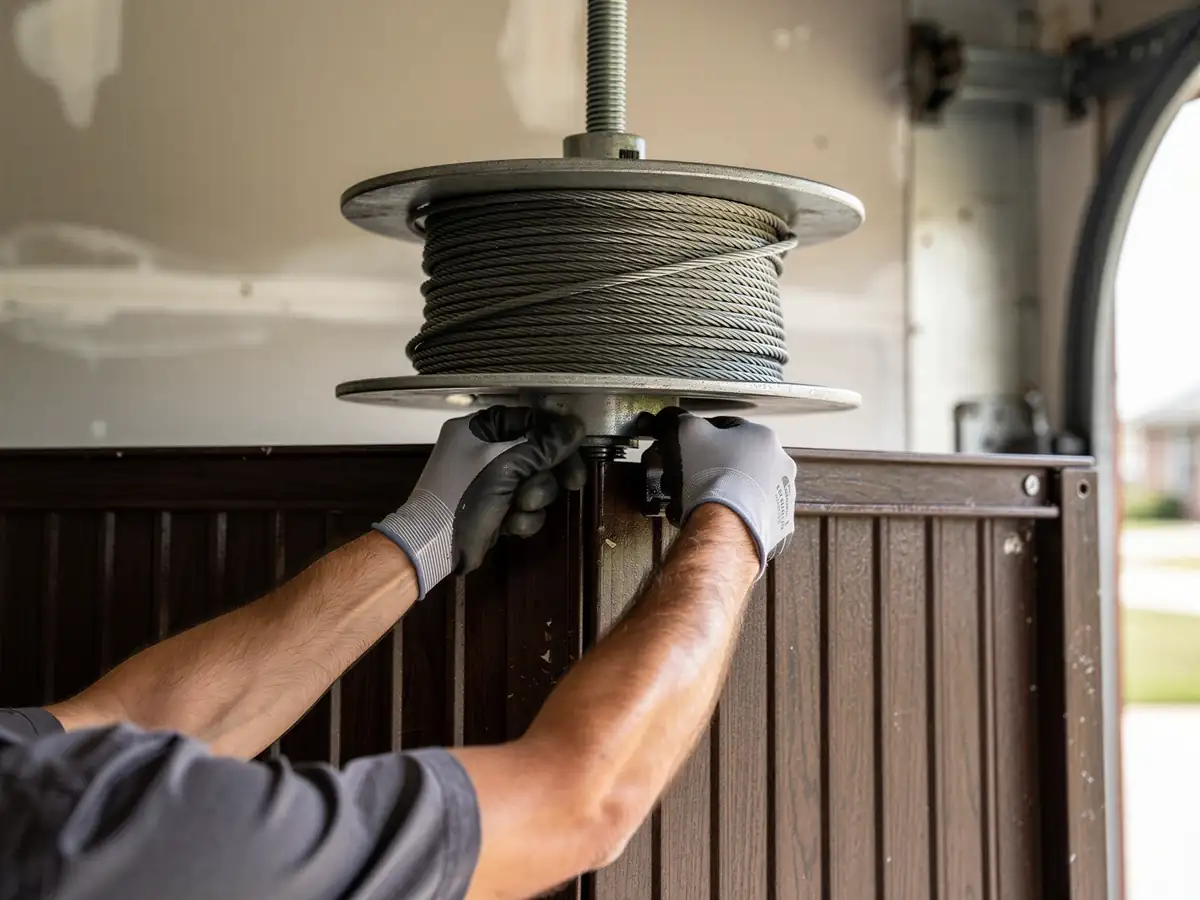
We stock rollers, cables, and standard torsion springs for that era's door sizes
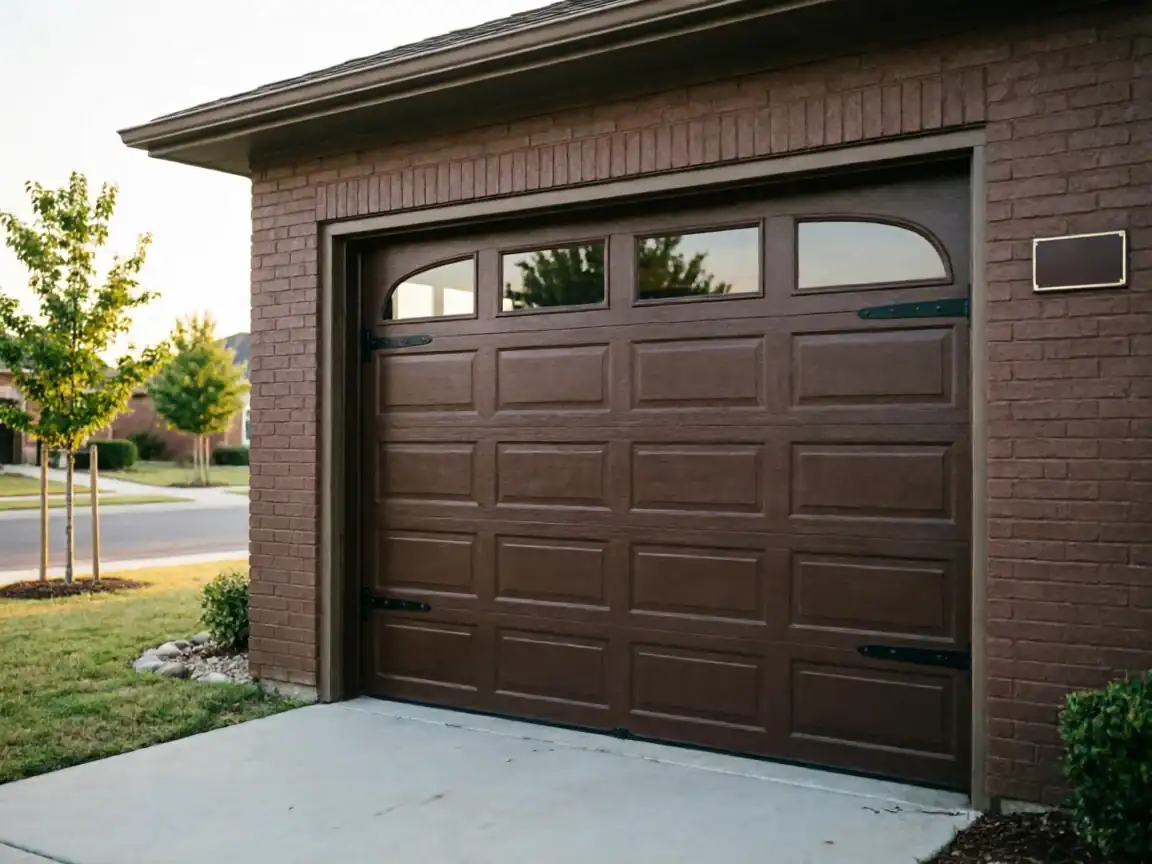
Where we run into a lead time is on matching panel color or window-insert style on an older door if the manufacturer has since discontinued that run - replacing one damaged panel on a door that old sometimes means replacing the whole door instead, and we'll say so rather than order a mismatched panel and charge you for it twice.
Given the median household income in Trophy Club sits well above the income figure for the wider service area
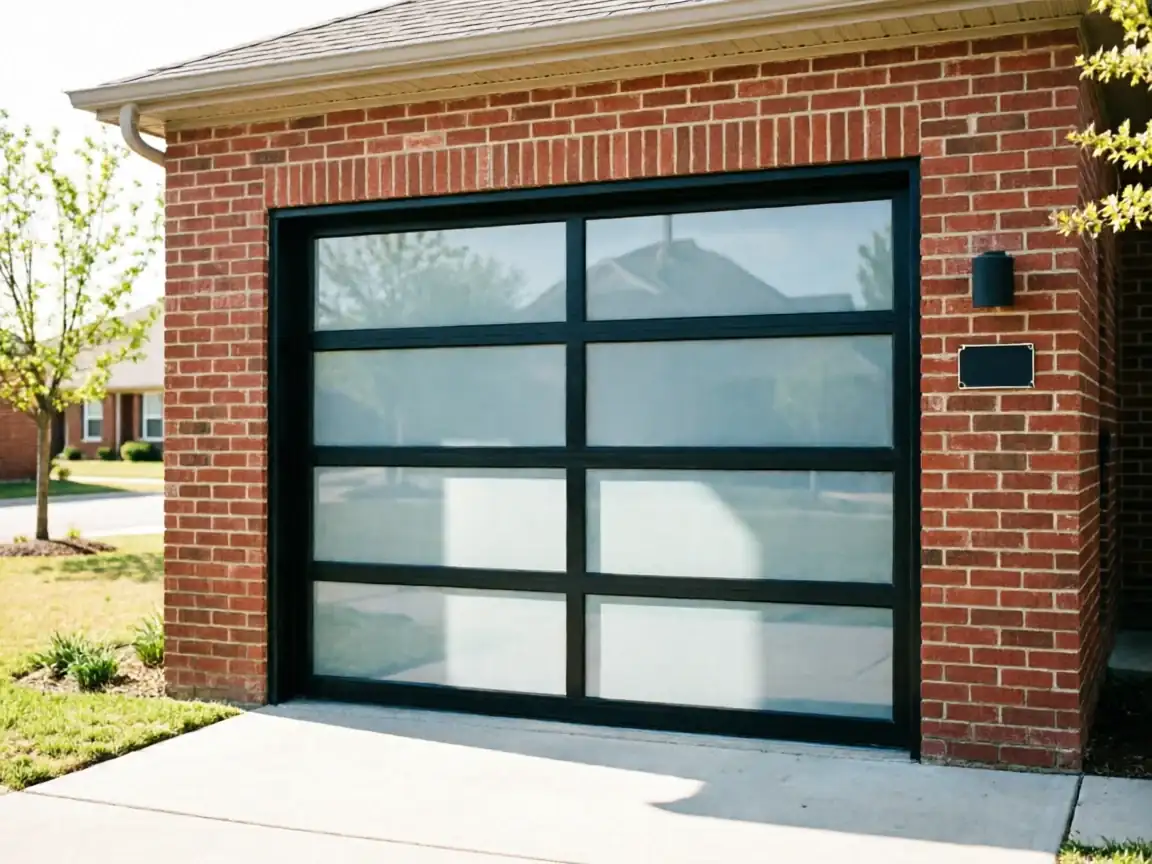
We also get more calls here asking about upgrading to higher-insulation doors rather than just patching the original - we carry options for that conversation too, not just repair parts.
The Symptom
The door that's a quarter-century old by 2025 standards - and a lot of Trophy Club garages are getting there - tends to show its age in a specific order. First the rollers start grinding, especially if they're still the original nylon ones. Then the spring loses tension gradually, so the door feels heavier to lift by hand before it ever fails outright. Last comes the opener motor itself, which was likely a chain-drive 1/3-horsepower unit when the house was built and is now working harder than it was designed to.
If your door shudders partway up, or the opener clicks and stalls instead of lifting, that's usually the spring, not the motor - a tired motor trying to compensate for a spring that's lost its wind. Pushing through it by holding the wall button down is how a torsion spring finishes failing on its own schedule instead of yours.
We look at the whole chain - spring, cable, roller, opener - because fixing the loudest symptom without checking the other three usually means a second call within the year.
Booking a Visit
We cover Trophy Club from our base in Watauga, about 10 miles out, and we book the visit the same way we would for any of the smaller pockets in this service area - by appointment window, not walk-up. With roughly 4,784 households in Trophy Club, it's one of the lighter-density stops on our route compared to the larger named areas we cover, so we don't keep a standing crew parked here; we schedule the drive out.
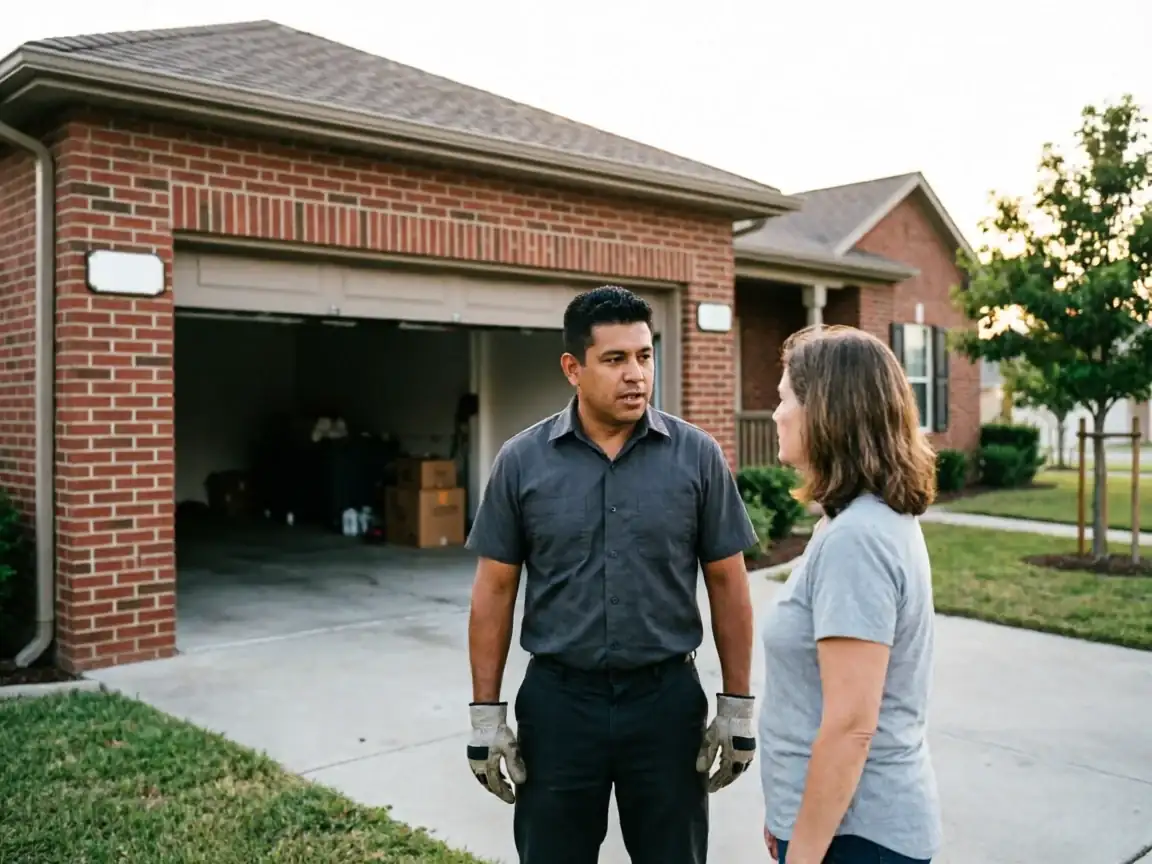
When you call, tell us the build year of your house if you know it and what the door is doing - grinding, sagging, refusing to close - so we bring the right spring size and opener parts on the first trip instead of a second one. You can see the rest of what we service across the area at our Trophy Club area page, and the full rundown of services we run out of our home base is on the Watauga garage door service page.
Why It Happens Here
Three numbers explain most of what we see on Trophy Club calls
The median year built sits around 2000, which puts a lot of doors and openers right at or past the point where torsion springs and chain-drive motors start failing on their own schedule. The median household income here, at $193,026, runs well above the roughly $99,494 median for the wider service area, which shows up in the calls themselves - more requests for insulated replacement doors and fewer bare-minimum patch jobs.
The household count, around 4,784, is modest next to some of the larger named areas we cover
Which is part of why we treat Trophy Club as a scheduled stop from Watauga rather than a place with its own crew. None of that changes the physics of a torsion spring losing tension after two decades of cycles - it just changes what homeowners here tend to ask for once we've found the problem.