What Most People Get Wrong
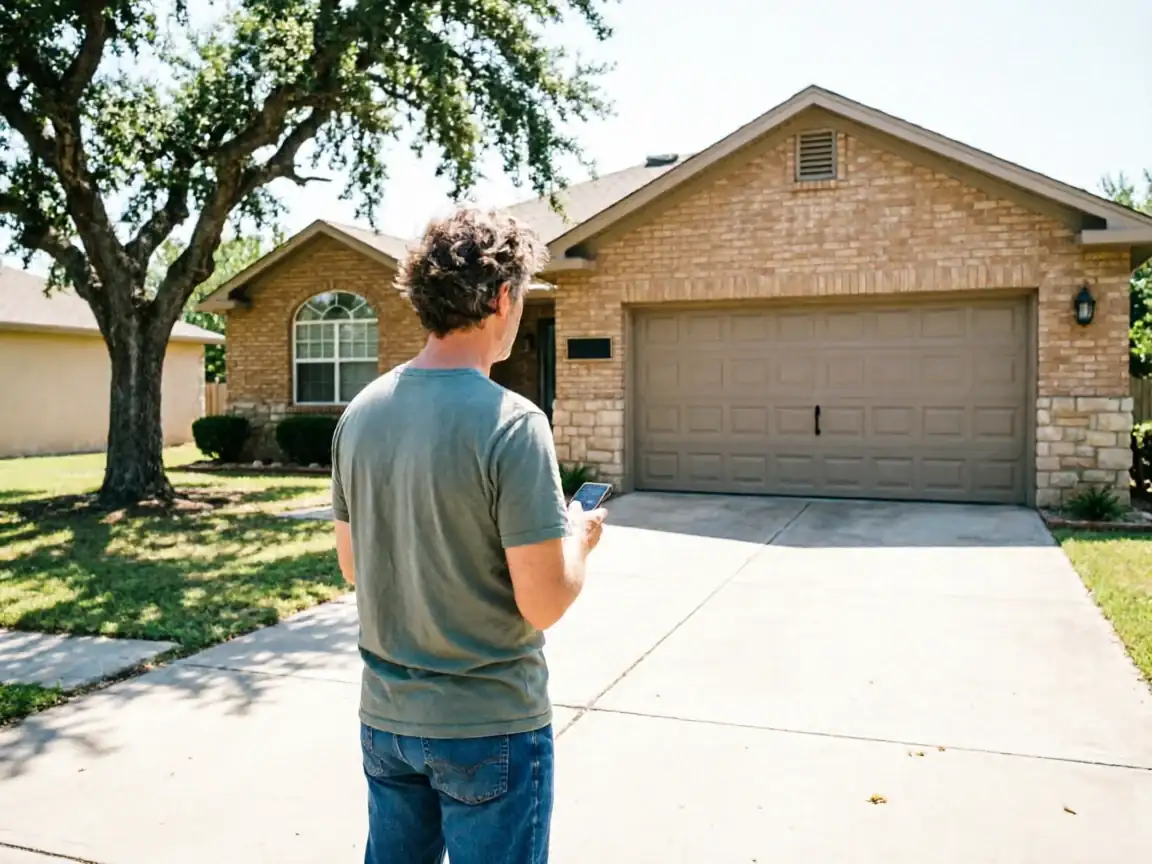
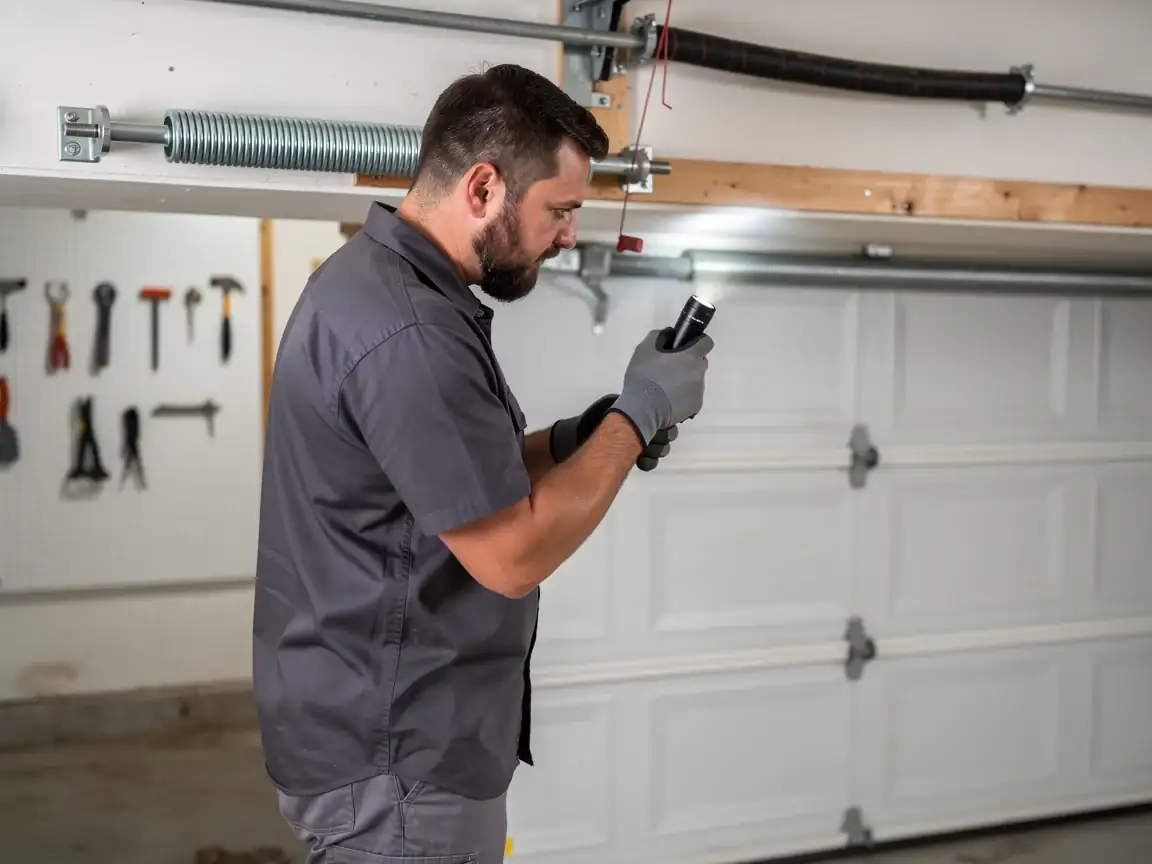
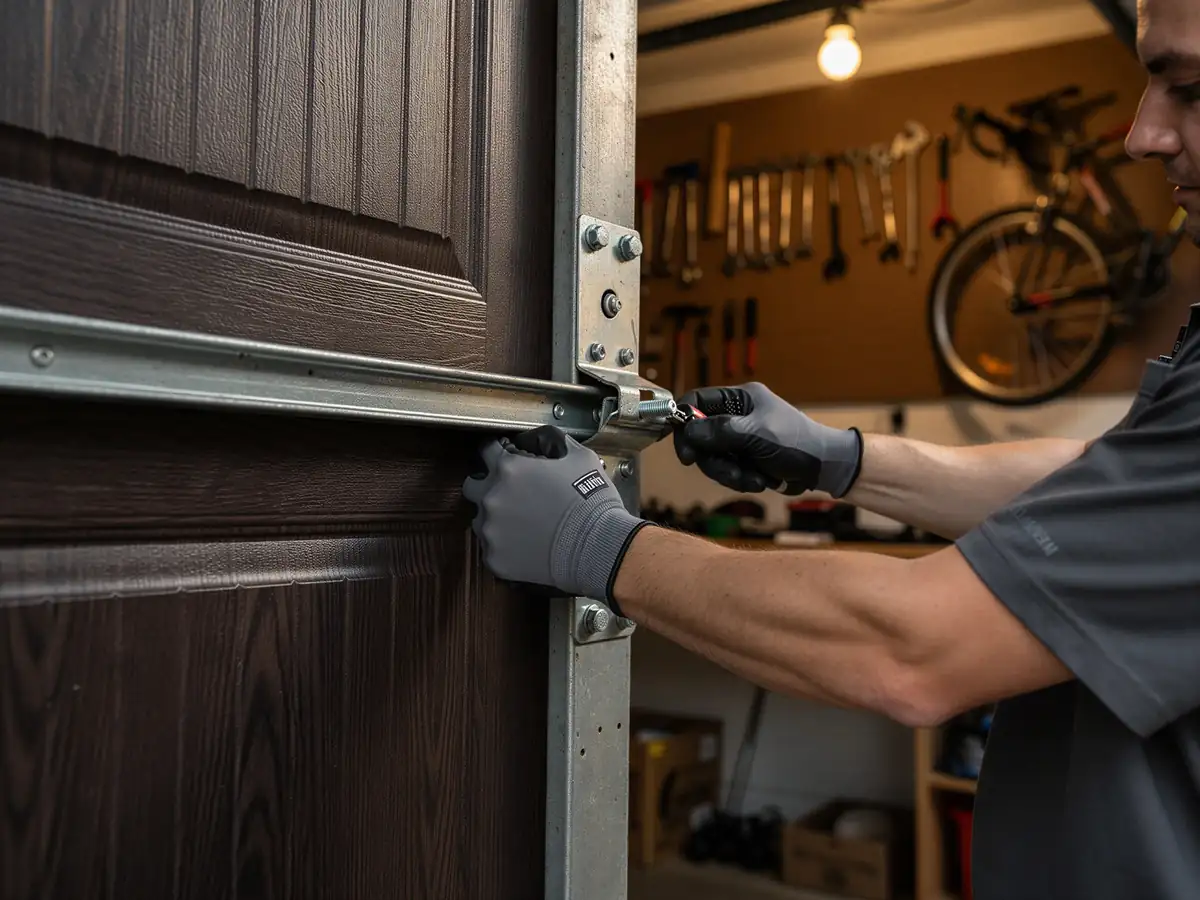
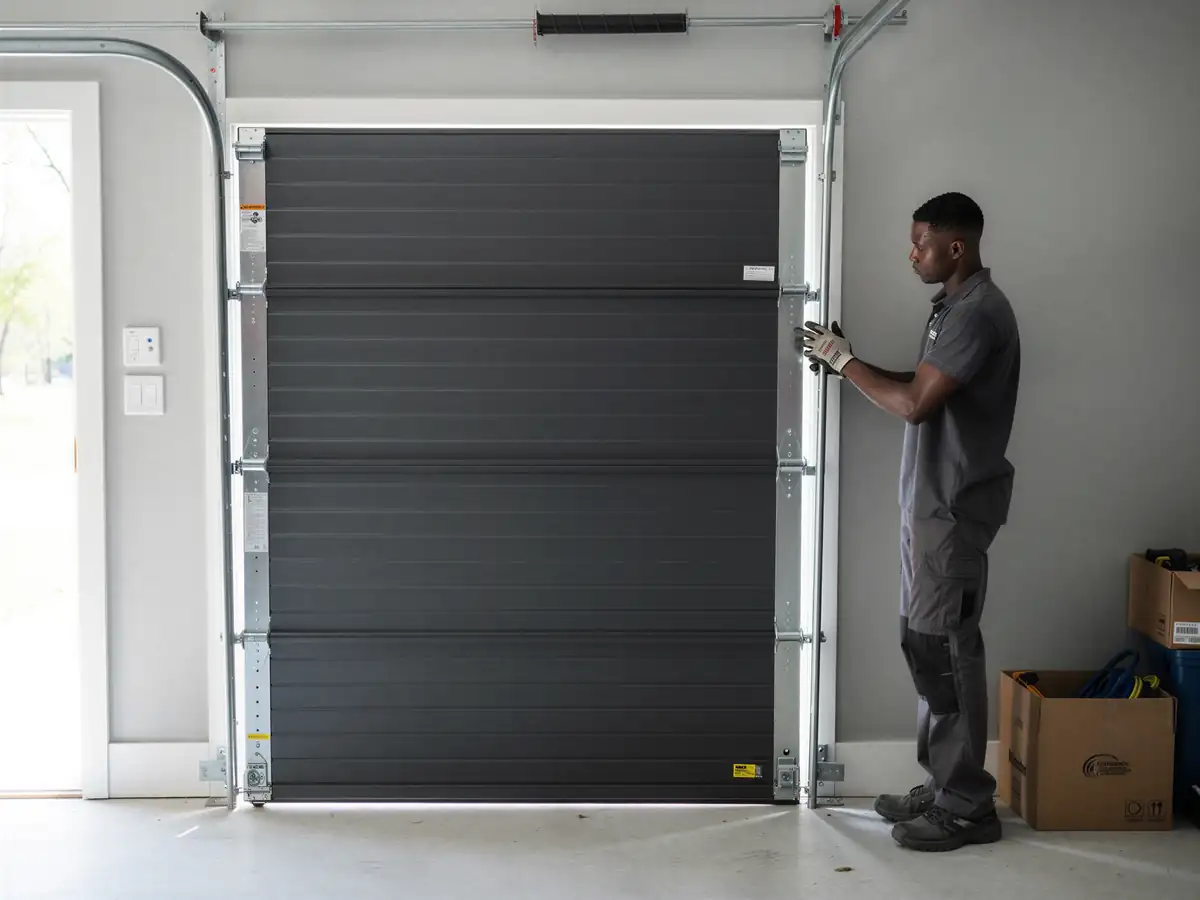
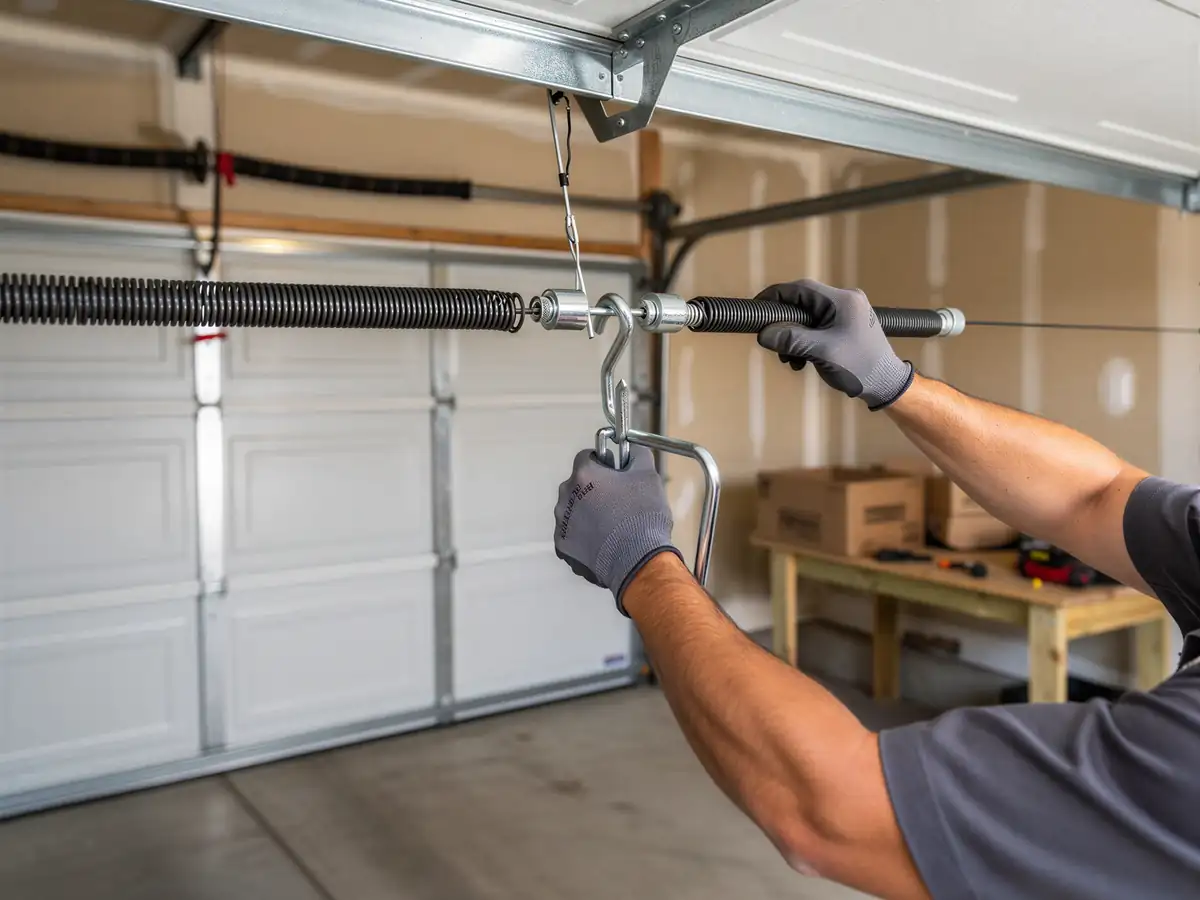
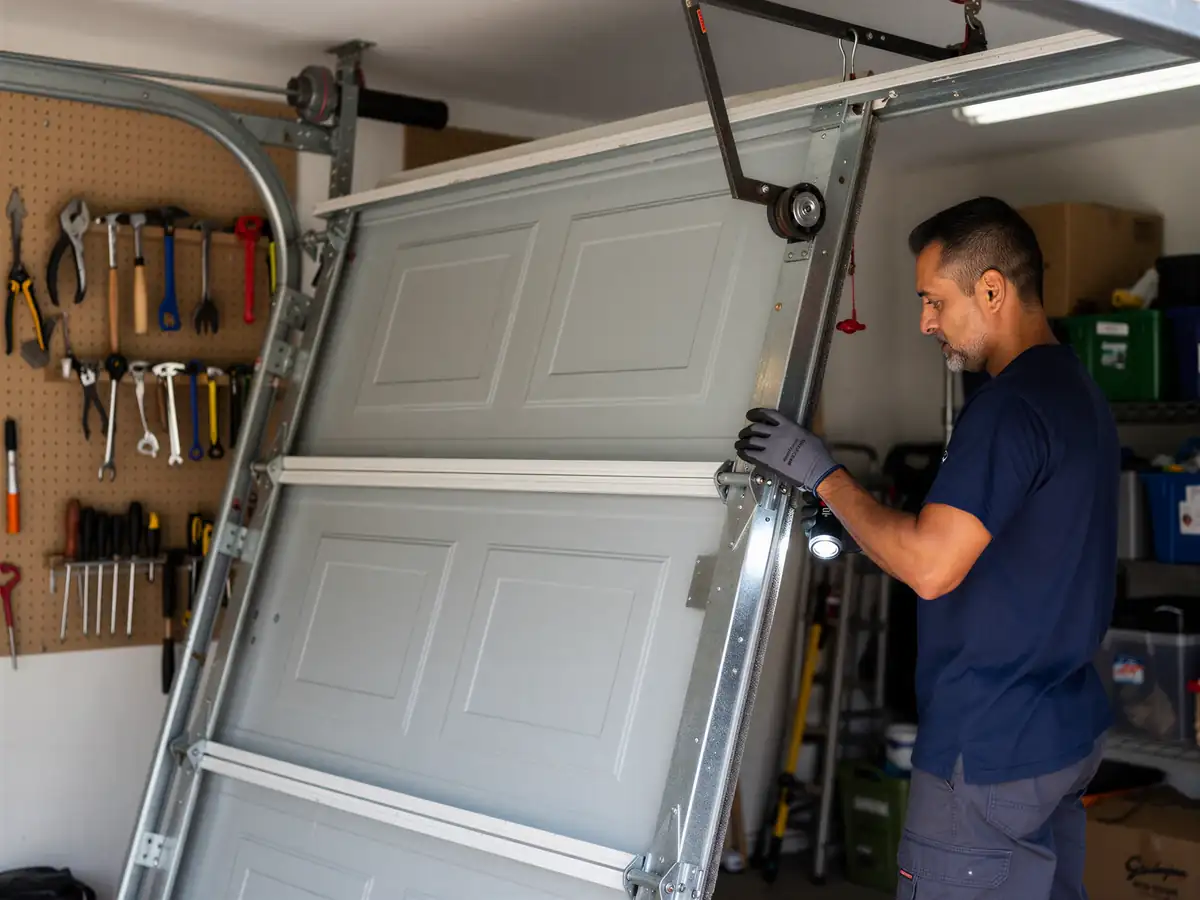
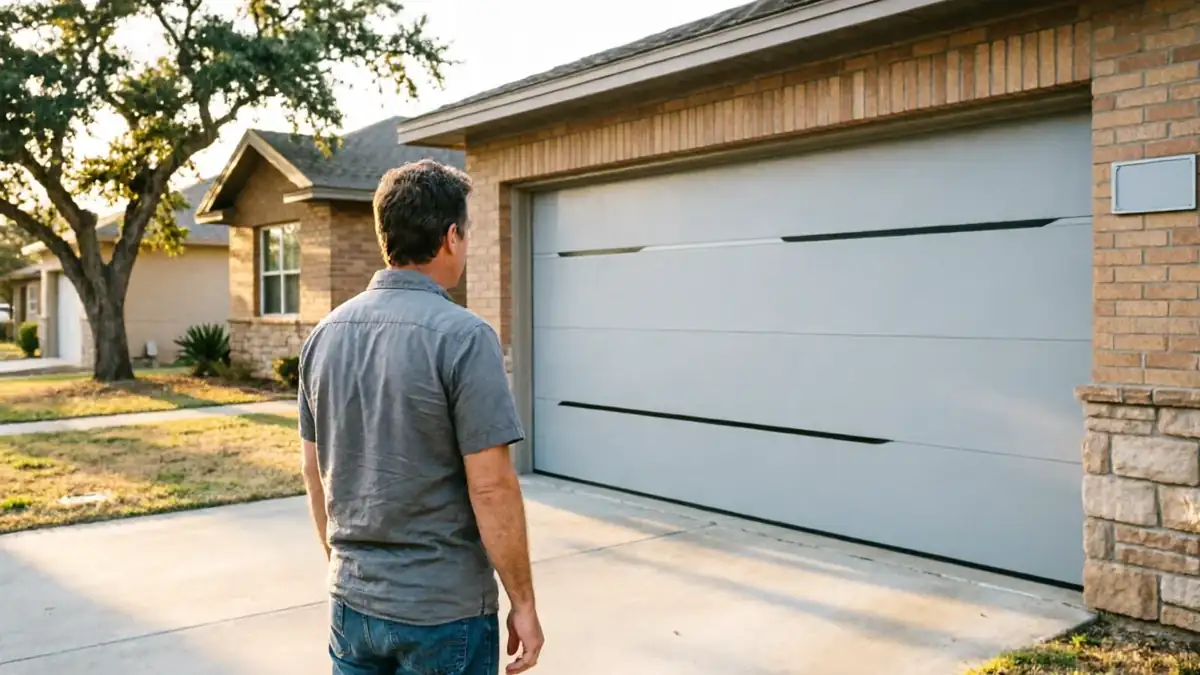
Most homeowners calling around assume any door off a lot will fit their opening with a little trim work. In Watauga that assumption costs time. Housing here went up mostly between 1953 and 2014, with the heaviest building years landing in the 1980s and 90s. A door built to today's standard width and height doesn't always match a rough opening framed thirty-plus years ago, and the track hardware from that era - side-mount torsion springs, older-style hinges - isn't something every supplier stocks off the shelf. The other mistake: people shop by price alone and don't check whether the new door's R-value and panel gauge make sense for a garage attached to living space, which is common in this stock. Skipping that step means a door that looks fine in the showroom but doesn't seat right against an opening built when double-car garages were framed a few inches narrower than they are now. Measure the actual opening before you fall for a price. A door that's an inch off on width isn't a quick fix - it's a return.
How Local Conditions Play In
Watauga sits in a moderate heat climate band, which sounds mild until you've watched a steel door without insulation flex at the seams after a few summers. Heat cycling - hot days, cooler nights - works on panel material over time, and an uninsulated door moves more than an insulated one. If the garage backs onto a bedroom or a laundry room, which it does in a lot of the 1980s and 90s floor plans around here, that heat transfer matters for the AC bill too. It's not hurricane country and it's not the kind of freeze-thaw cycle that cracks pads every winter, so you're not buying for storm rating the way some regions do. You're buying for a door that holds its seal and doesn't warp over a couple decades of Texas summer. That's a material and insulation decision, not a style one.
What It Costs
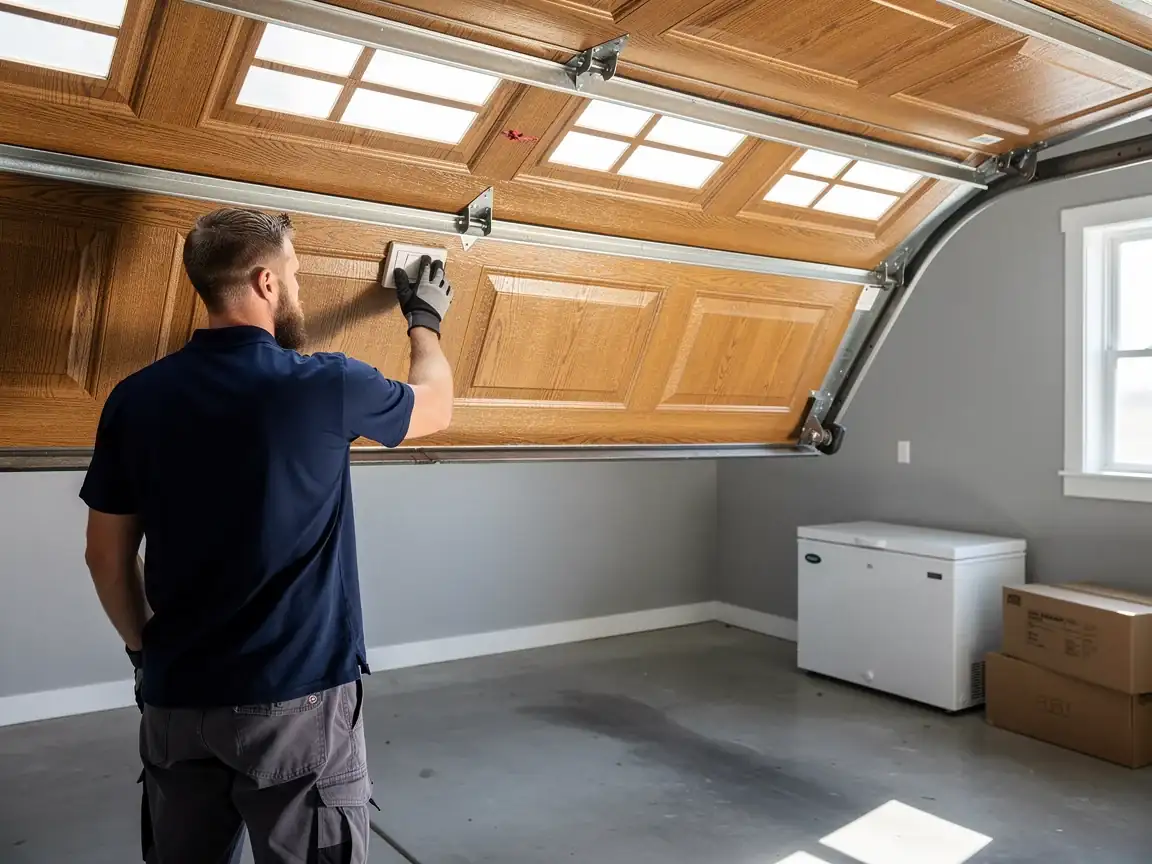
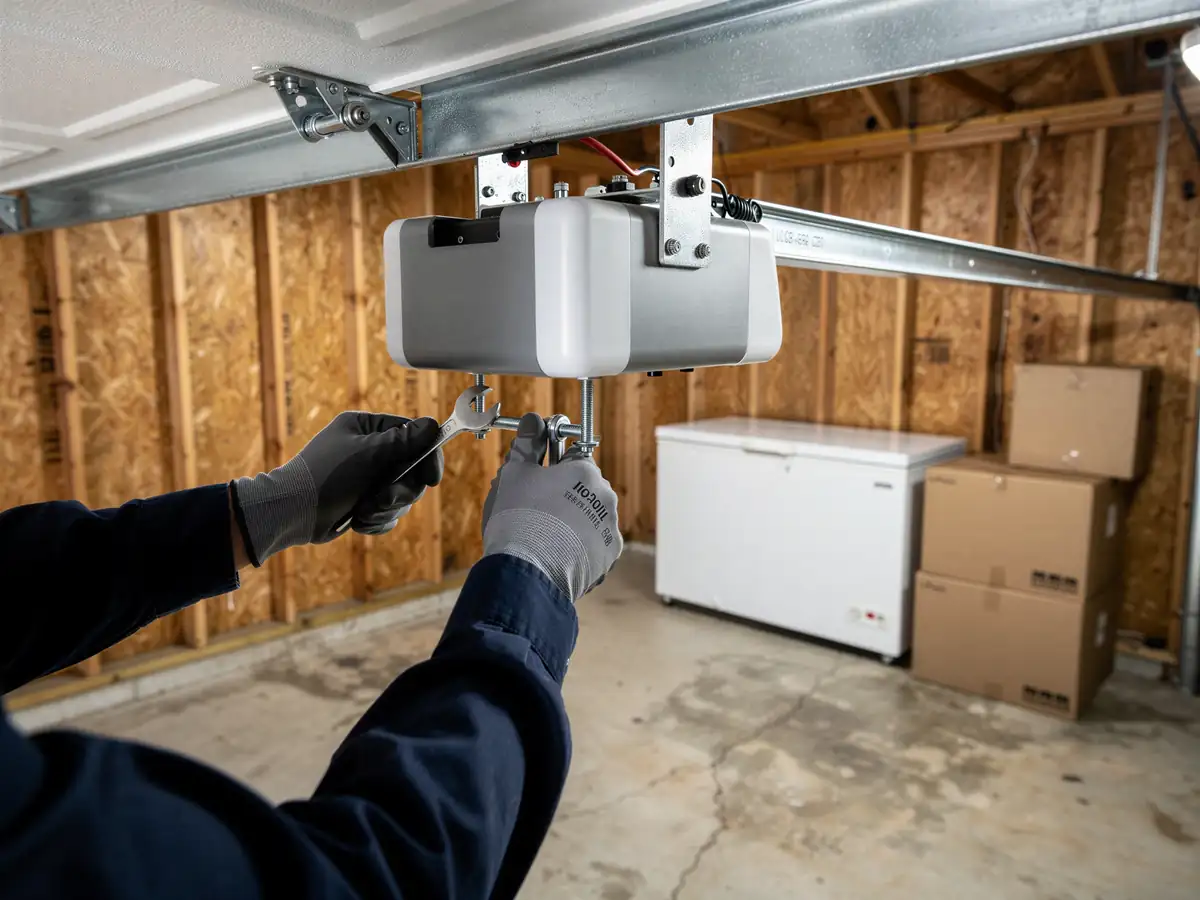
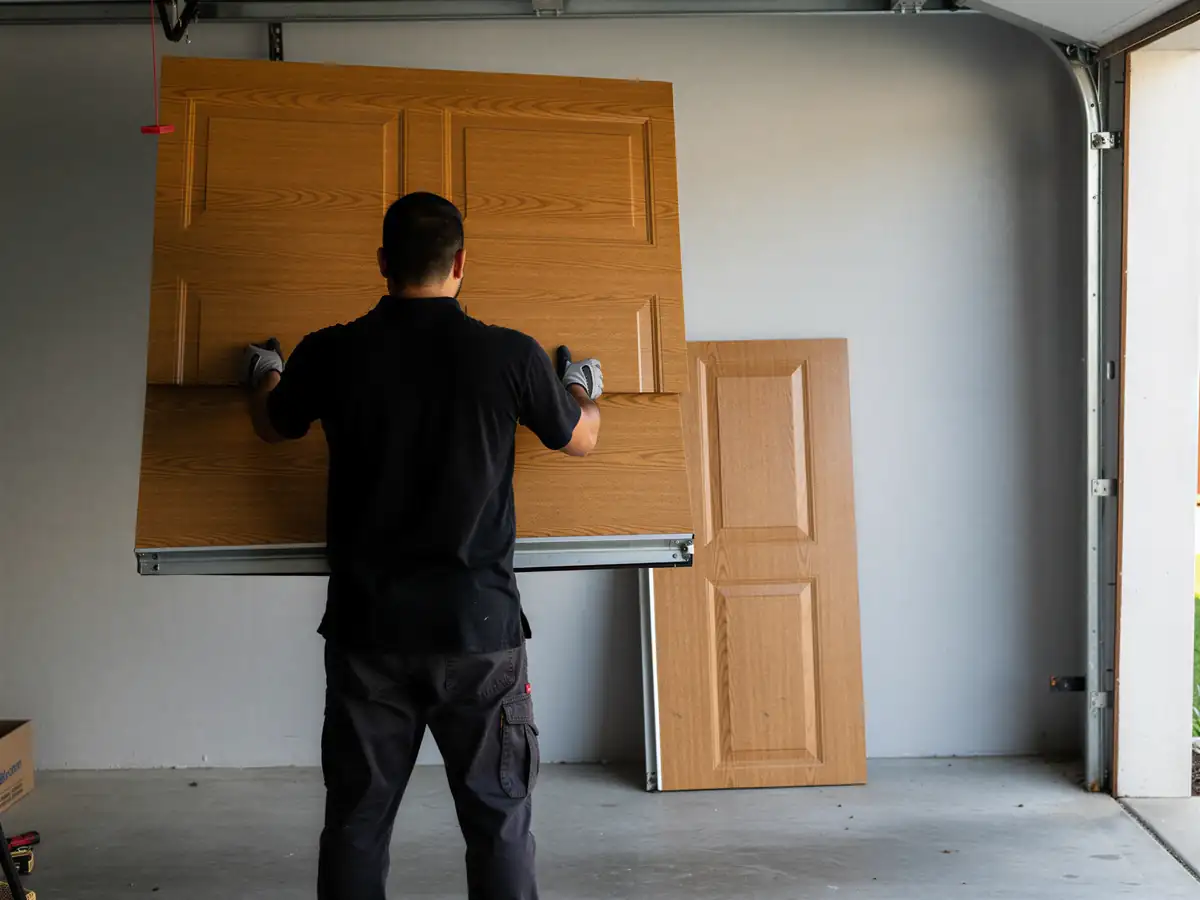
We don't have a flat number to hand you here, because the spread between a single steel door and an insulated double with a quiet-drive opener is wide, and the honest answer depends on your opening size, the insulation level you pick, and whether we're matching old track hardware or replacing it outright. What we can tell you from the housing pattern here: openings framed in the 1980s and 90s sometimes need a bit of jamb work to take a modern door square, and that's labor, not a markup on the door itself. Given the median household income in this area runs close to $99,494, most of the jobs we see are mid-range - people replacing a worn door with something comparable, not stretching for a custom wood-look upgrade. If your garage ties into climate-controlled space, insulated panels pay for themselves faster here than in a mild climate, given the heat band we sit in. Ask for a number against your actual opening measurements - a quote off a photo isn't one you can trust.