Booking a Visit
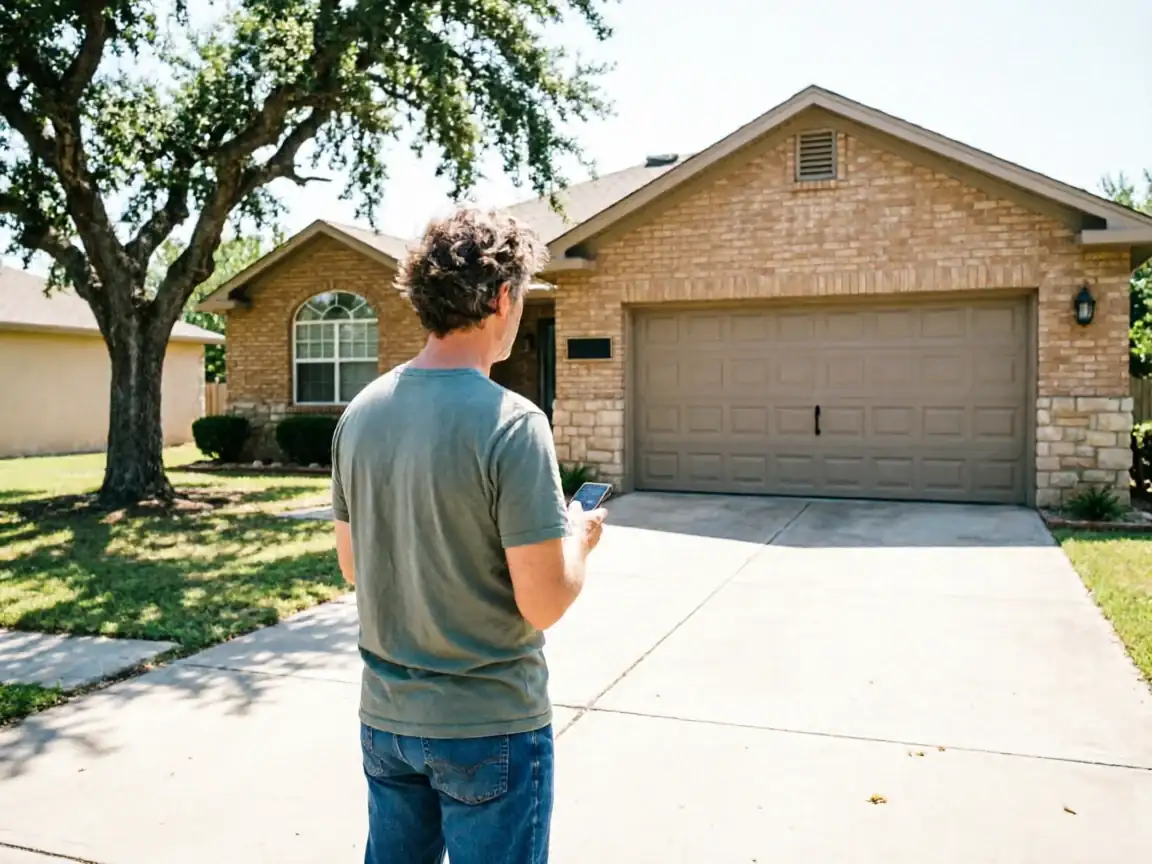
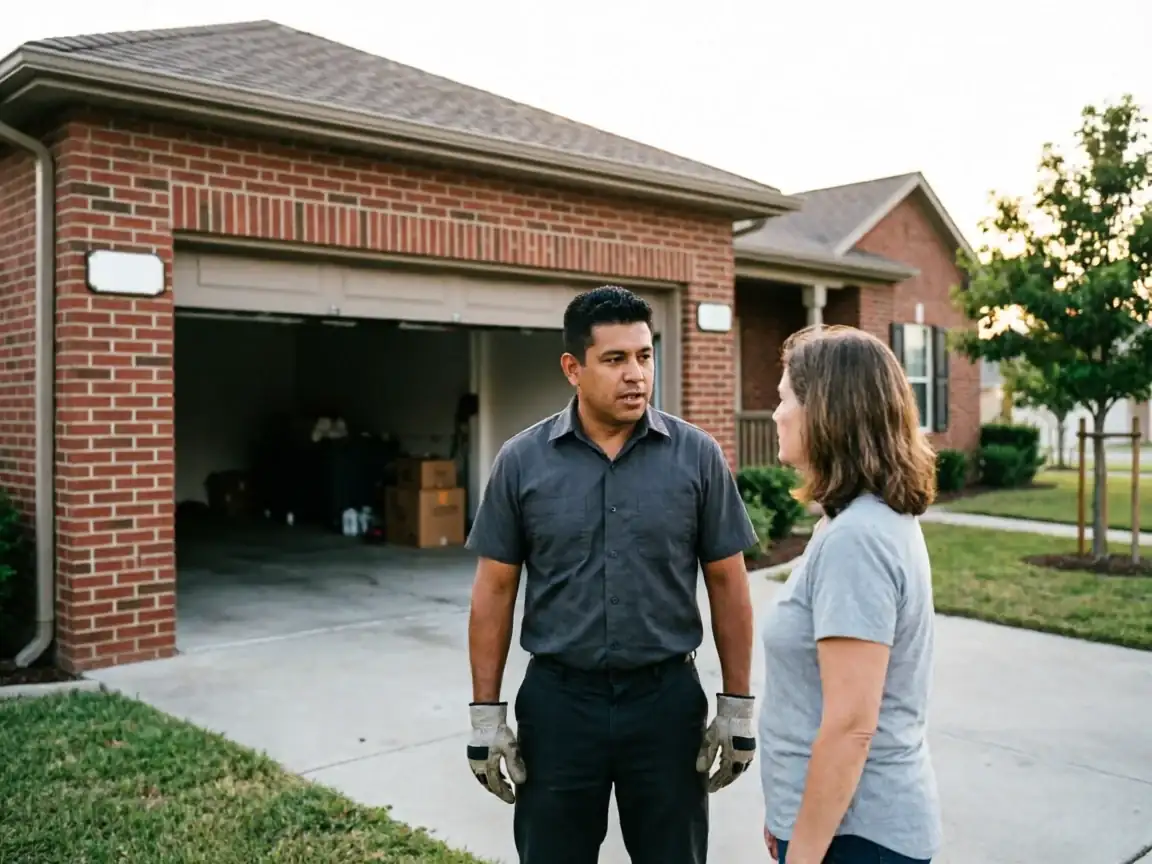
Call or use the contact link on our home page and tell us what you're seeing - a door that's cocked sideways, a roller hanging out of the rail, or a door that won't move at all because it's wedged against the track. That detail matters before a truck even leaves, because an off-track door on a double-wide is a different job than a single door that's drooping at one corner. We work across the whole service area, not just the Watauga city limits, so give us the nearest cross street or neighborhood when you call. Don't try to force the door up or down once it's left the track - that's how a cable gets wound wrong or a panel gets creased. Shut the opener off at the wall switch if you can reach it safely, and leave the door where it sits. We'll walk you through what's safe to touch before we're there, and we'll tell you up front if what you're describing sounds like a same-day fix or something that needs a part we have to source first.
The Symptom
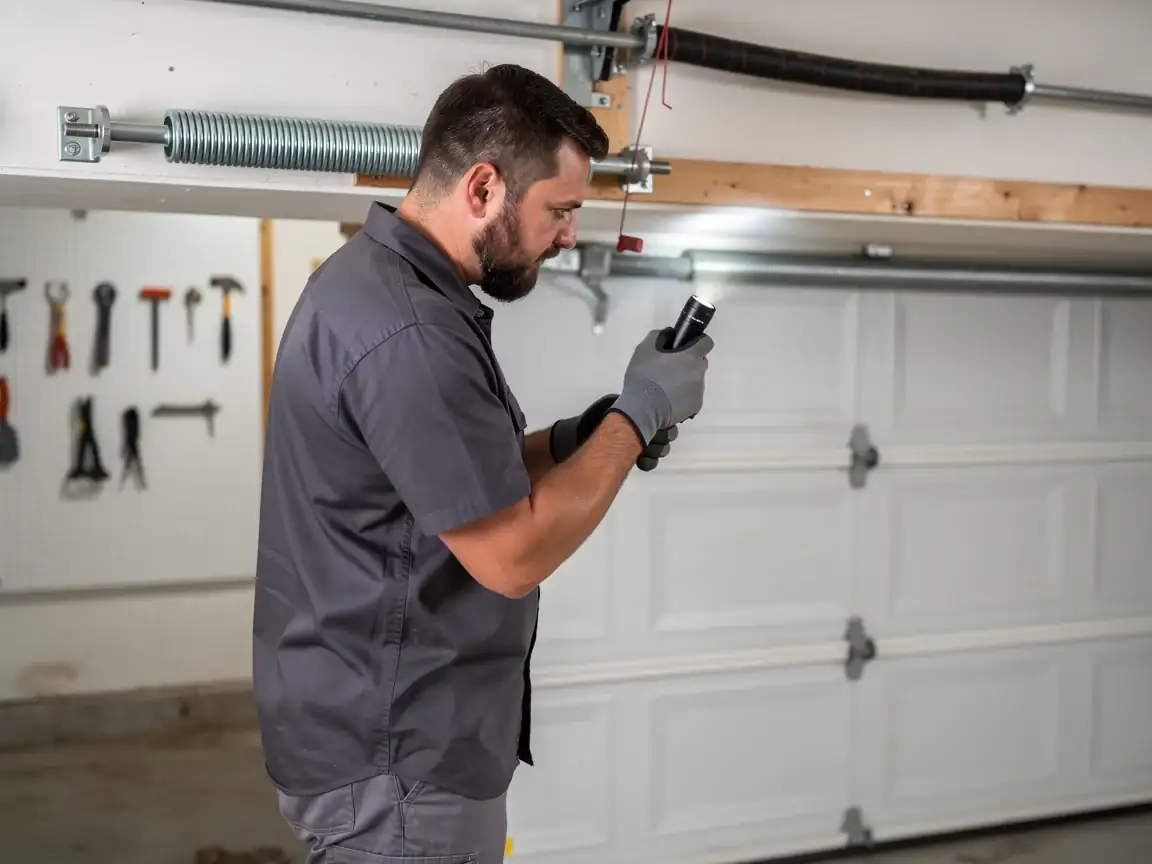
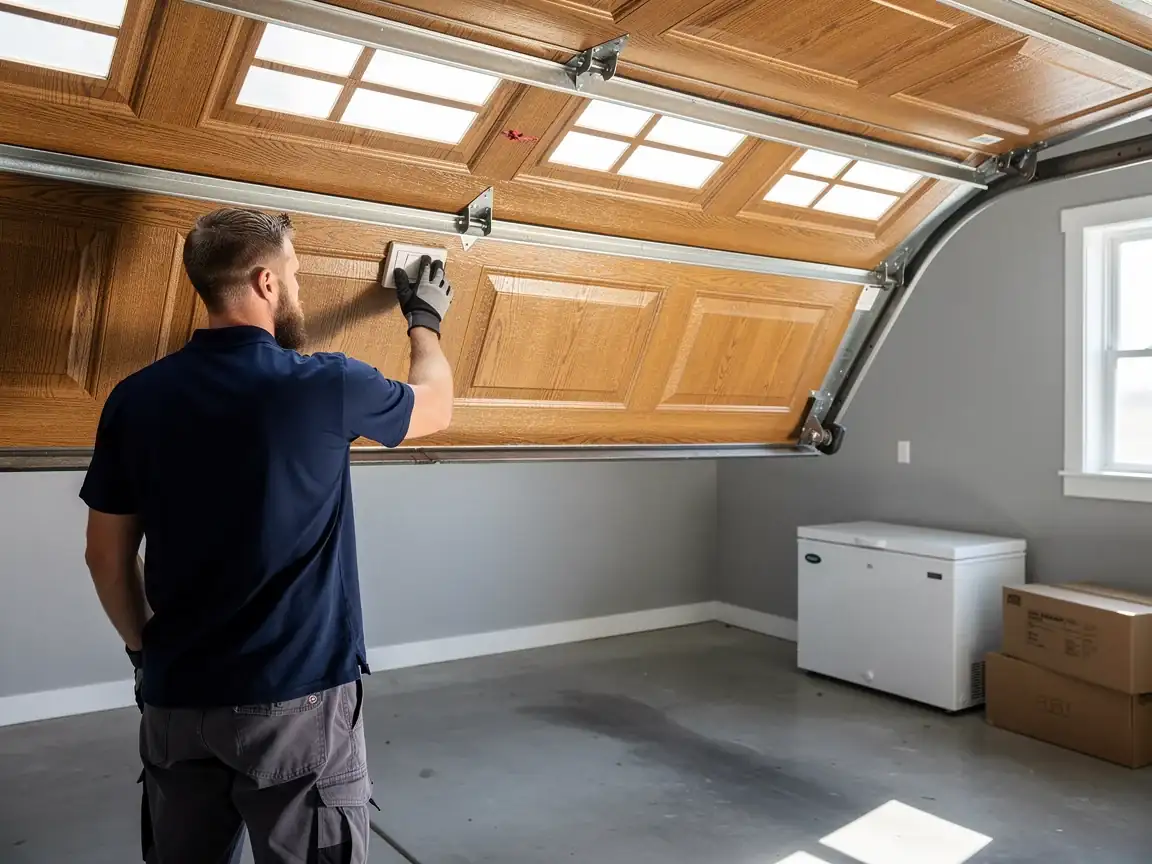
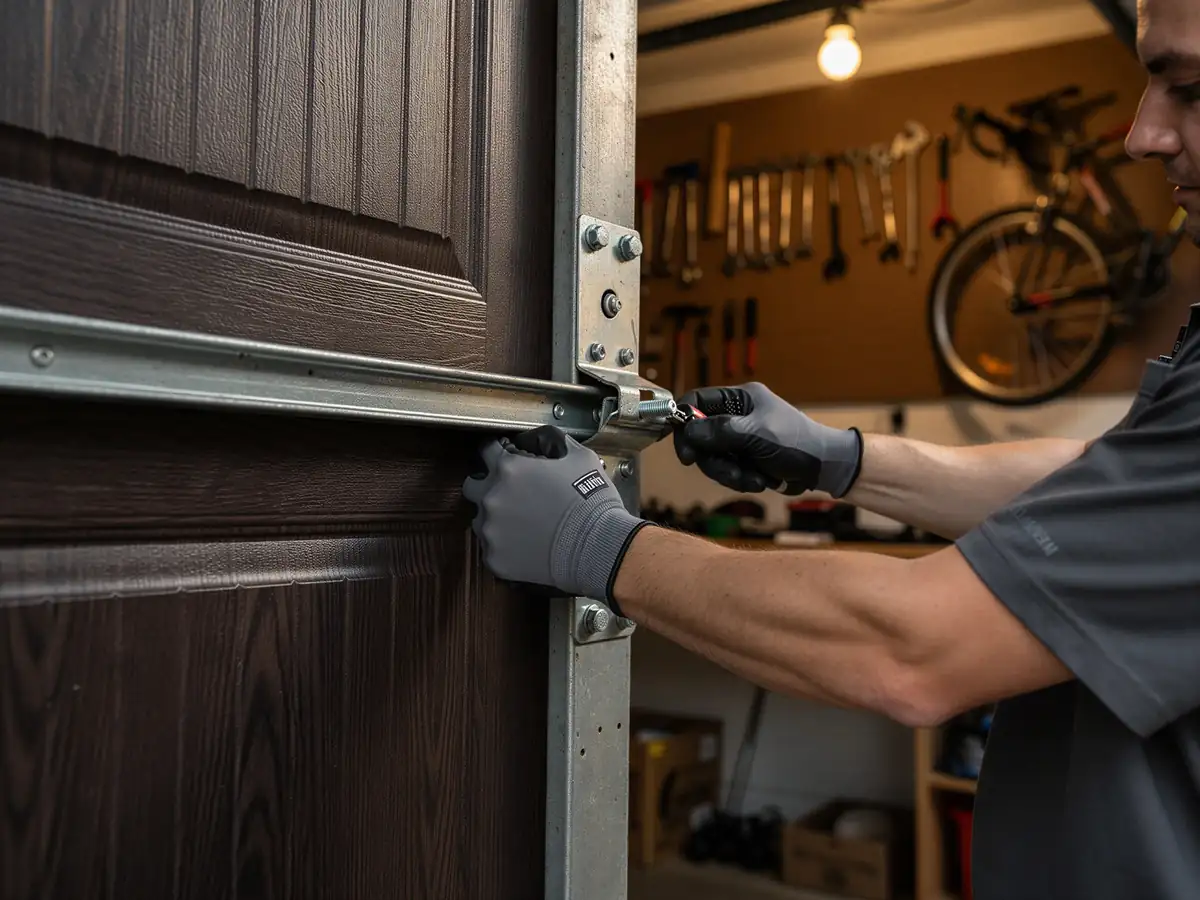
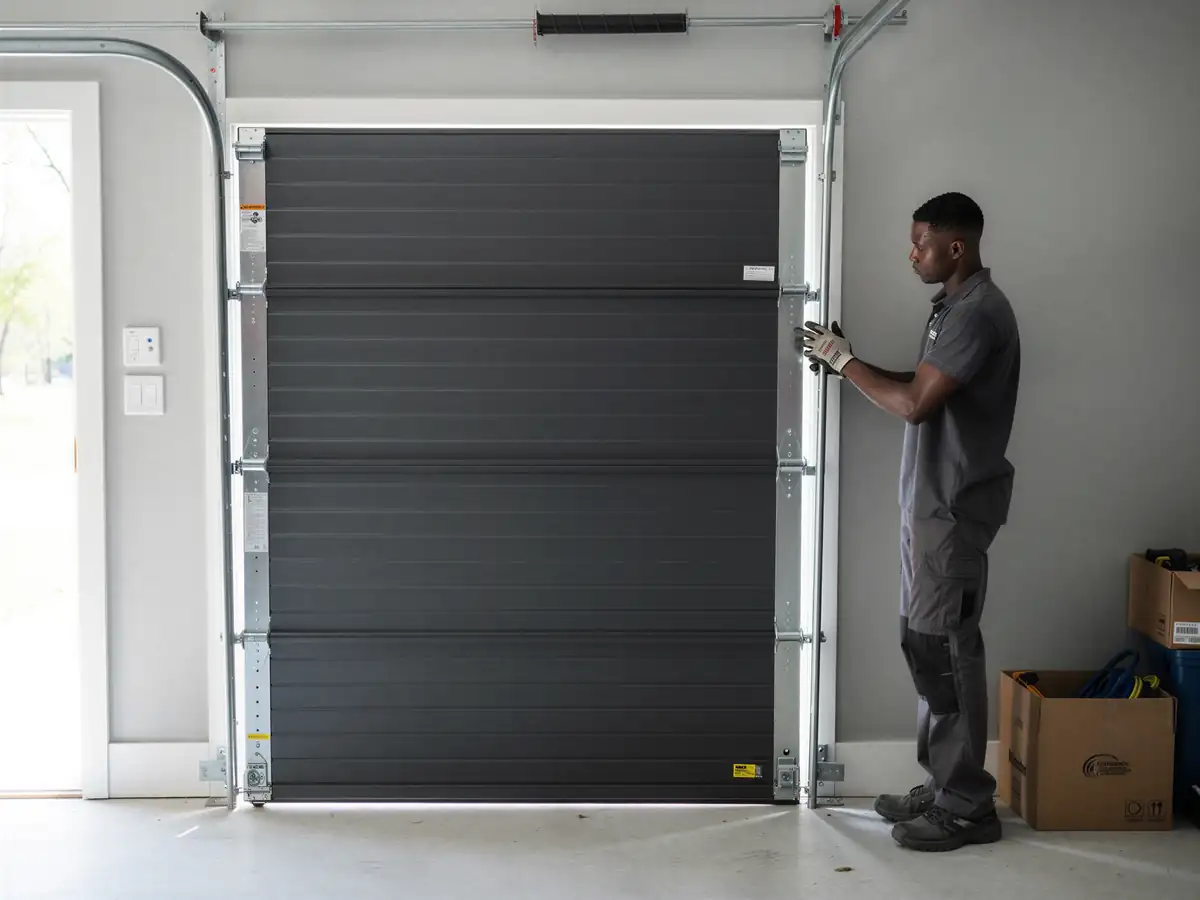
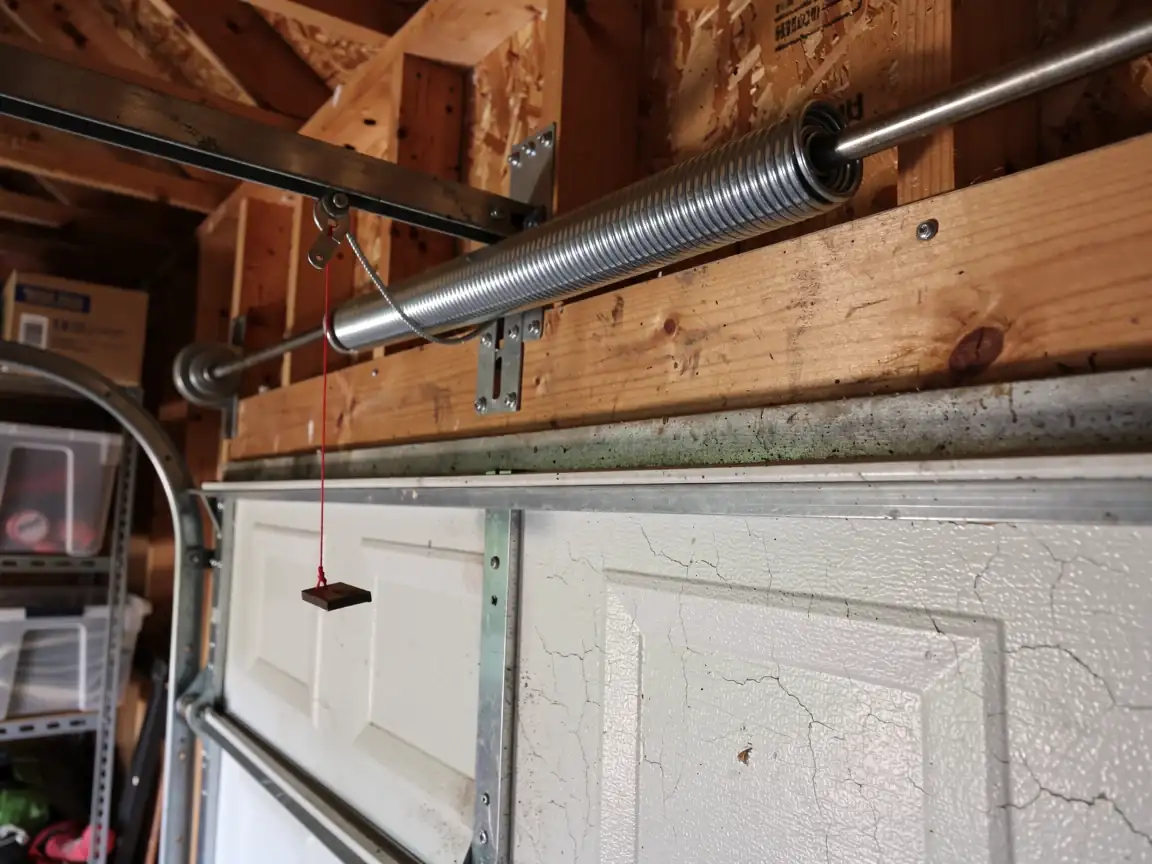
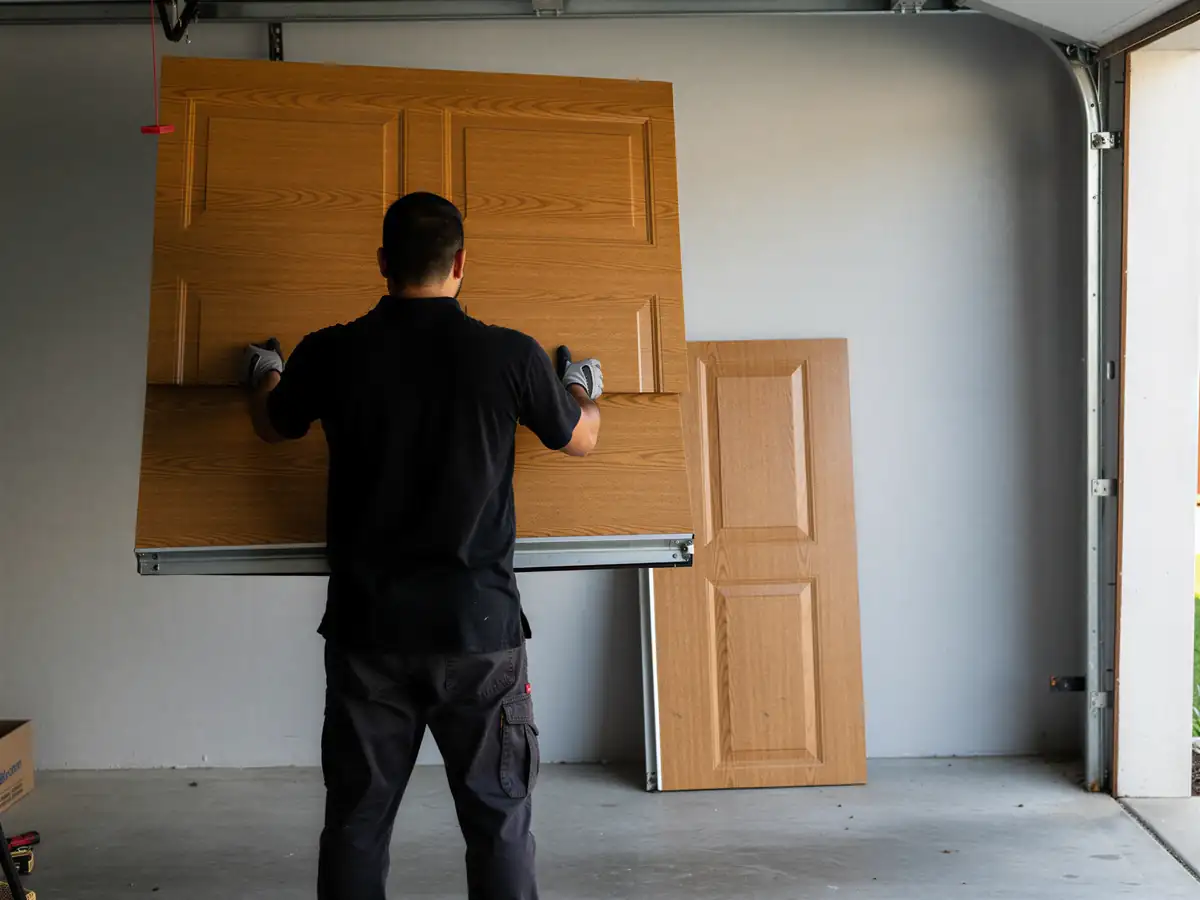
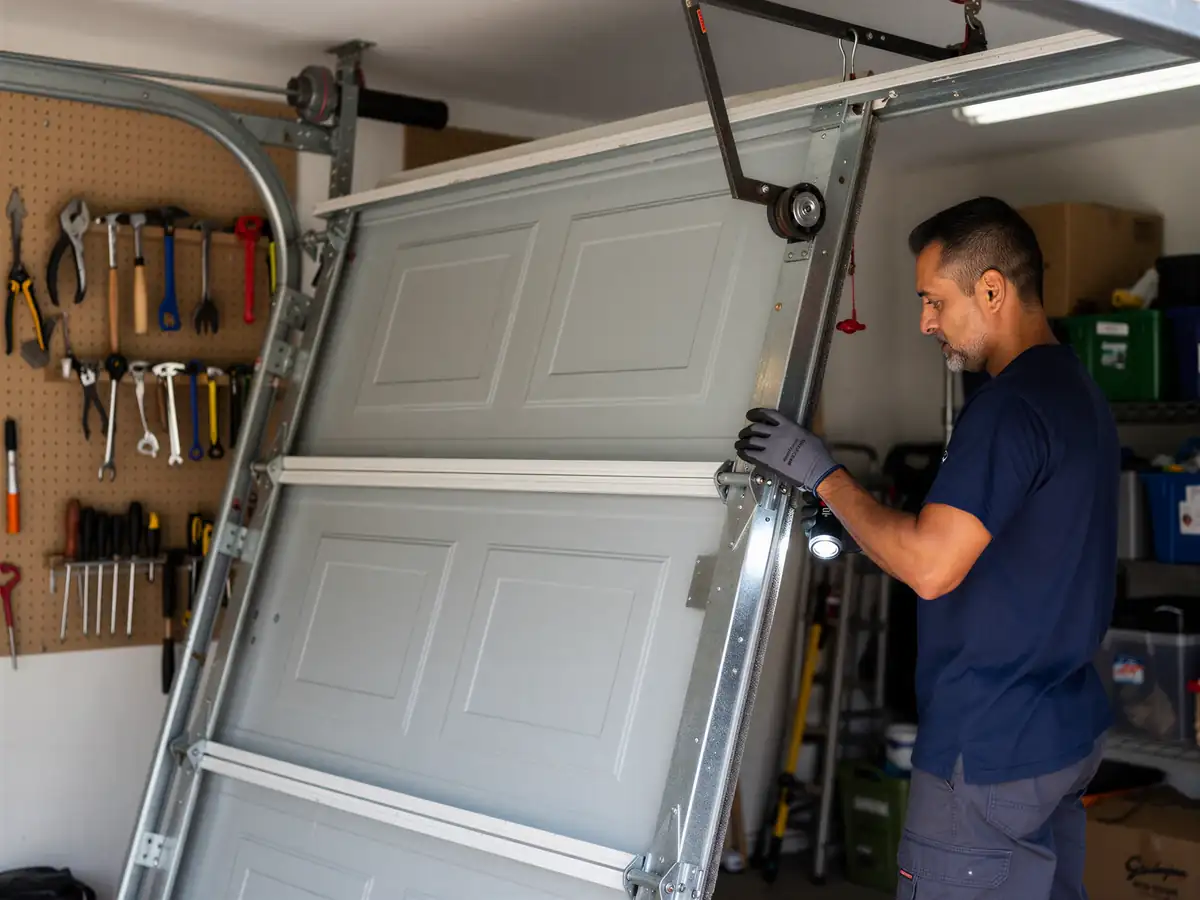
An off-track door usually announces itself before it jumps all the way out: a grinding sound on one side, a visible gap between the roller and the rail, or the door running crooked so one bottom corner drags the floor while the other lifts clean. Sometimes it's sudden - a snapped cable lets one side drop while the other stays up, and the panel racks sideways and pulls the rollers clear. Other times it's slow, a track that's worked loose from the framing a little more each month until the rollers finally walk off the lip. Either way, the door stops being level, the opener strains against the resistance, and continuing to run it on the opener risks bending the track further or tearing the bottom bracket loose from the panel. A door that's only an inch or two out at one roller is a different repair than one where the whole section has come off the wall. We look at where the gap is, how far it's traveled, and whether the track itself is still straight before we decide how to put it back.
Why It Happens Here
Housing across this service area was mostly built between 1953 and 2014, with the typical home dating to 1993, and a lot of that stock - across the thirty-some communities we cover - went up in the 1980s and 90s on steel track systems set with less tolerance for movement than what's installed today. Thirty-plus years of seasonal expansion and contraction, even under this region's moderate heat band, is enough to walk lag screws loose in framing that's shifted slightly from the day it was built. Houses closer in, like a mile west two miles out, share that same build window and the same wear pattern - tracks that were fine for twenty years start giving an inch here and there once the bracket screws lose their bite. With 45,309 owner-occupied houses across roughly 68,975 households in this area, we see the same failure repeat block to block in neighborhoods from the same decade. It's not that the doors were built wrong - it's that original hardware wasn't made to last forever, and most of it is coming up on its limit now.