Booking a Visit
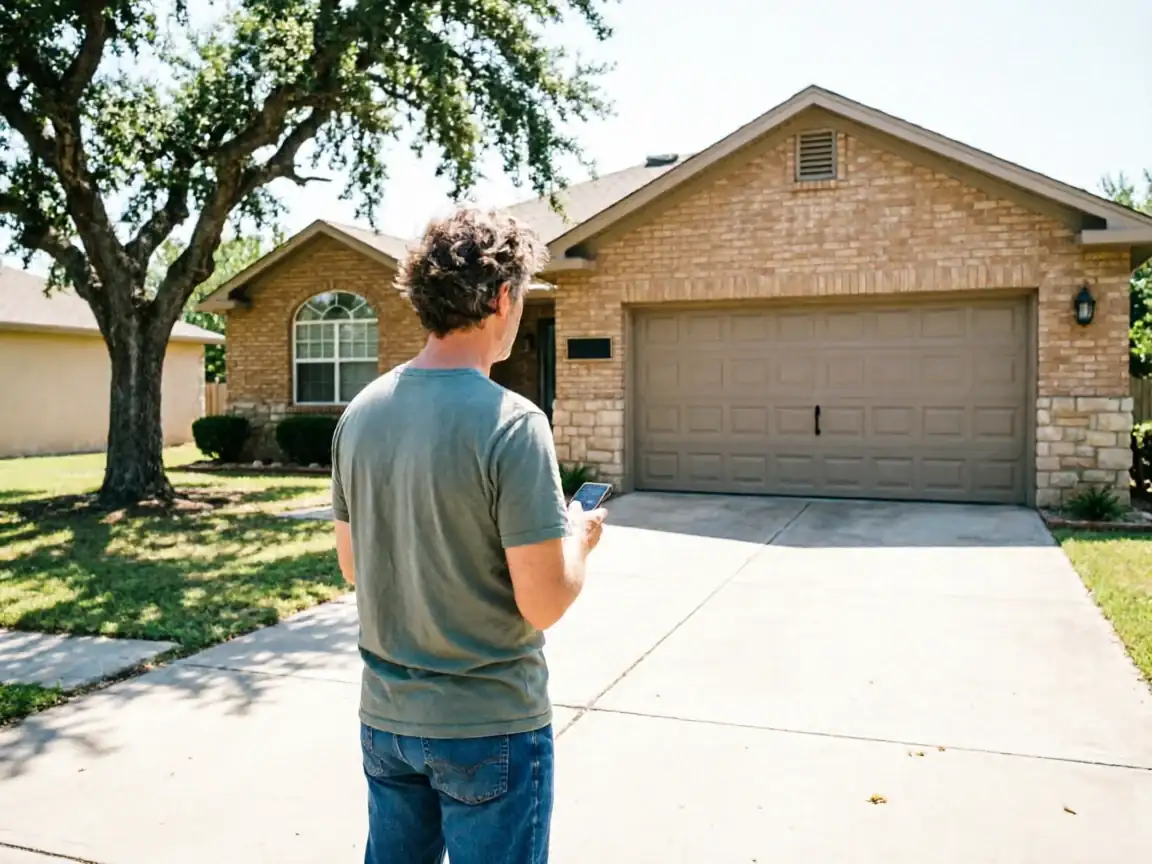
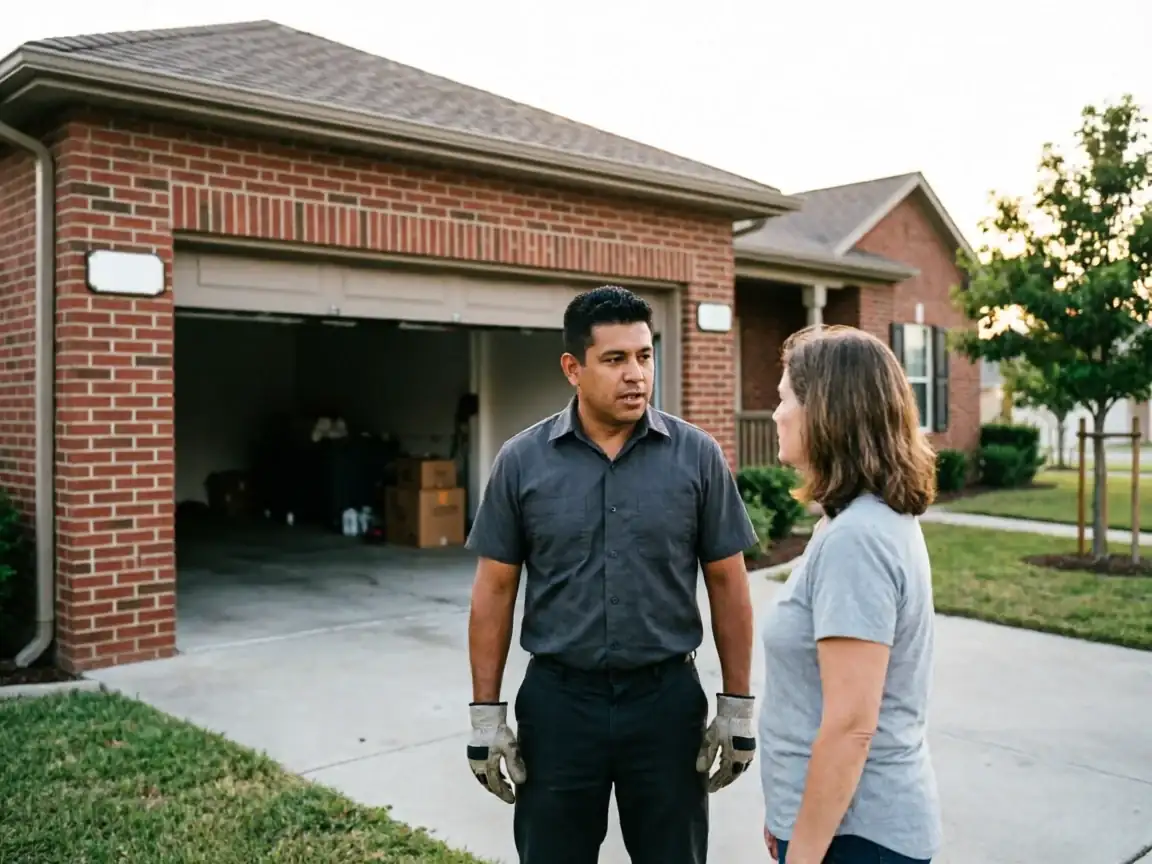
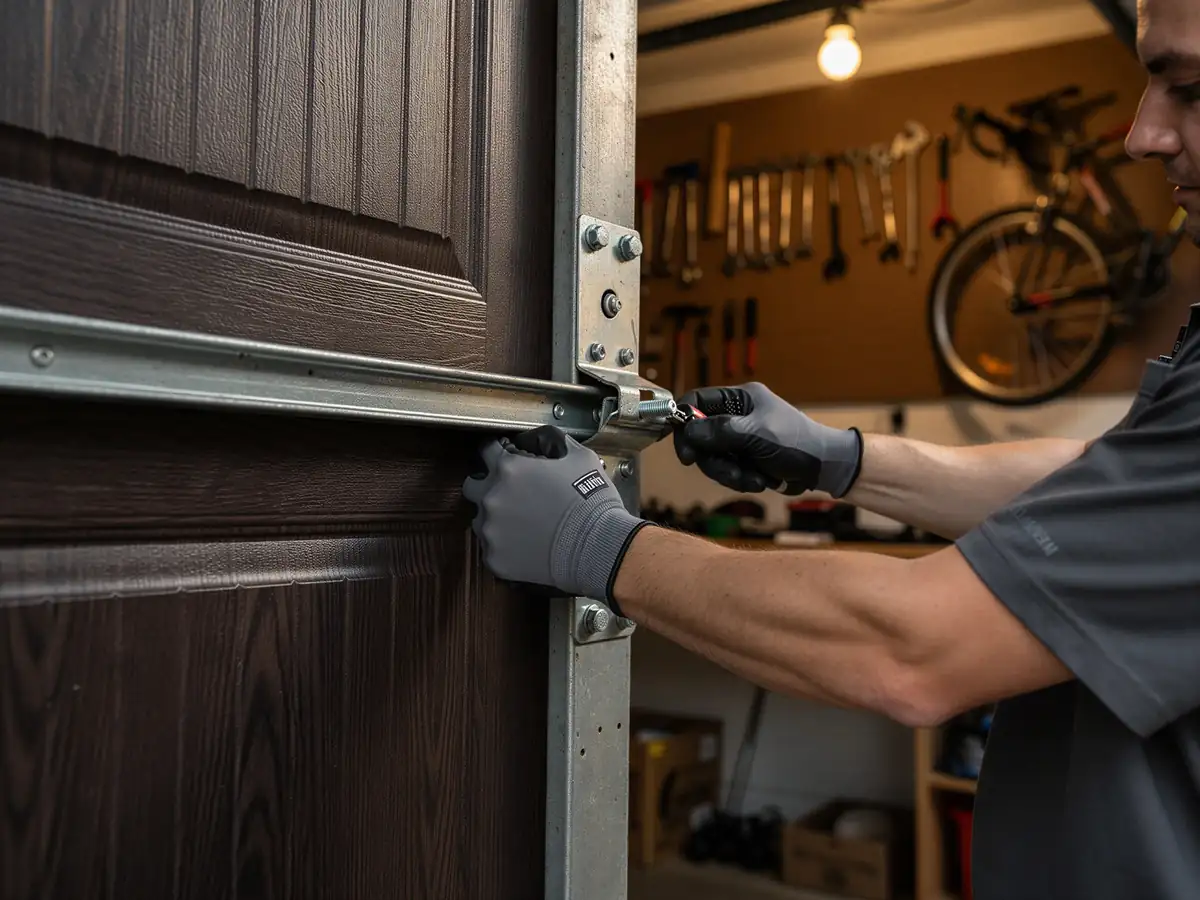
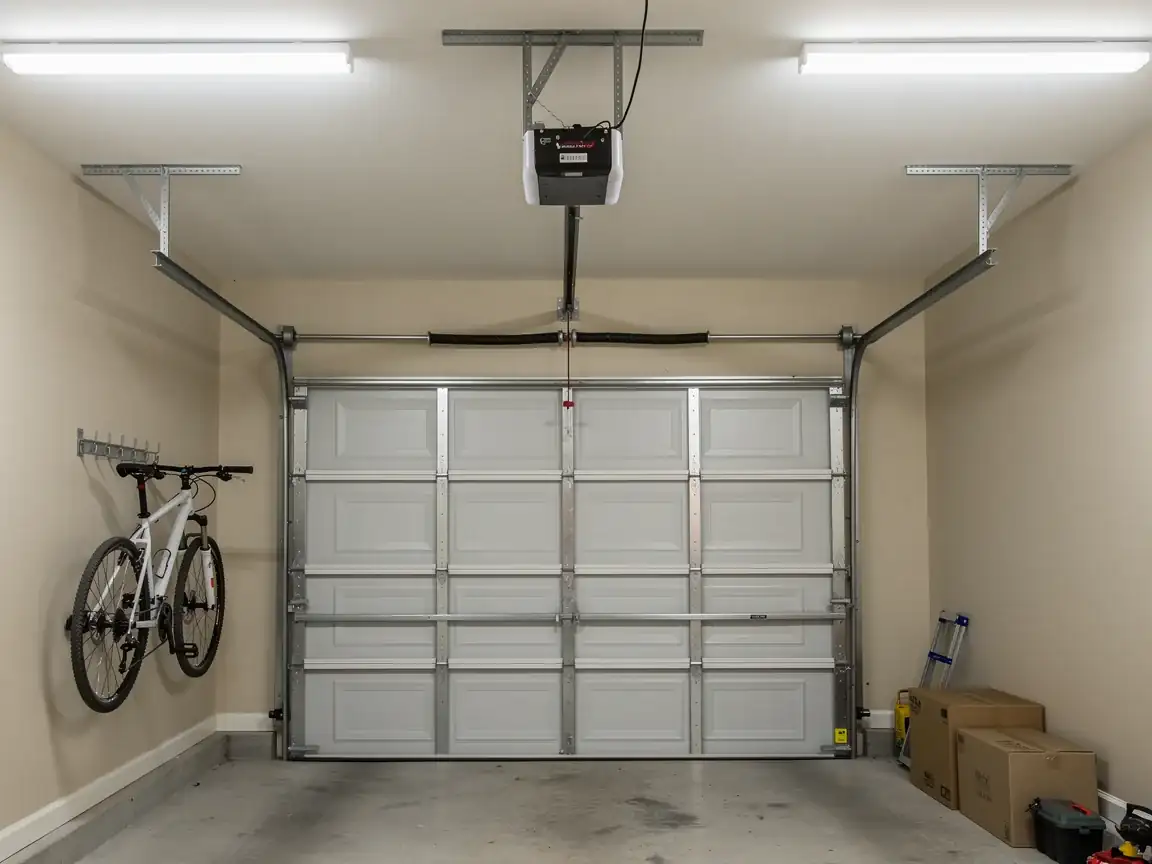
We run jobs out of Watauga and the pocket of neighborhoods around it - a mile west two miles out up at four miles northwest, and the a bit further north. If you're closer to Richland Hills, Saginaw, or Haslet, we still cover those calls, just tell us when you book so we can route the truck right. For a full installation we need to walk the opening in person before we quote anything firm - headroom, backroom, and what's left of the old track all change what goes. We don't quote a door size or price off a phone description; too many of these homes have had an opener swapped or a header reframed since the original build, and guessing wrong means a second trip. Ask for a measure visit, not just a phone estimate, and we'll give you a number you can actually hold us. One thing we're upfront about: if you want a specific brand or a wide custom size, we may need to order it, and that's not a same-day install. We'll tell you the lead time before you commit, not after.
The Symptom
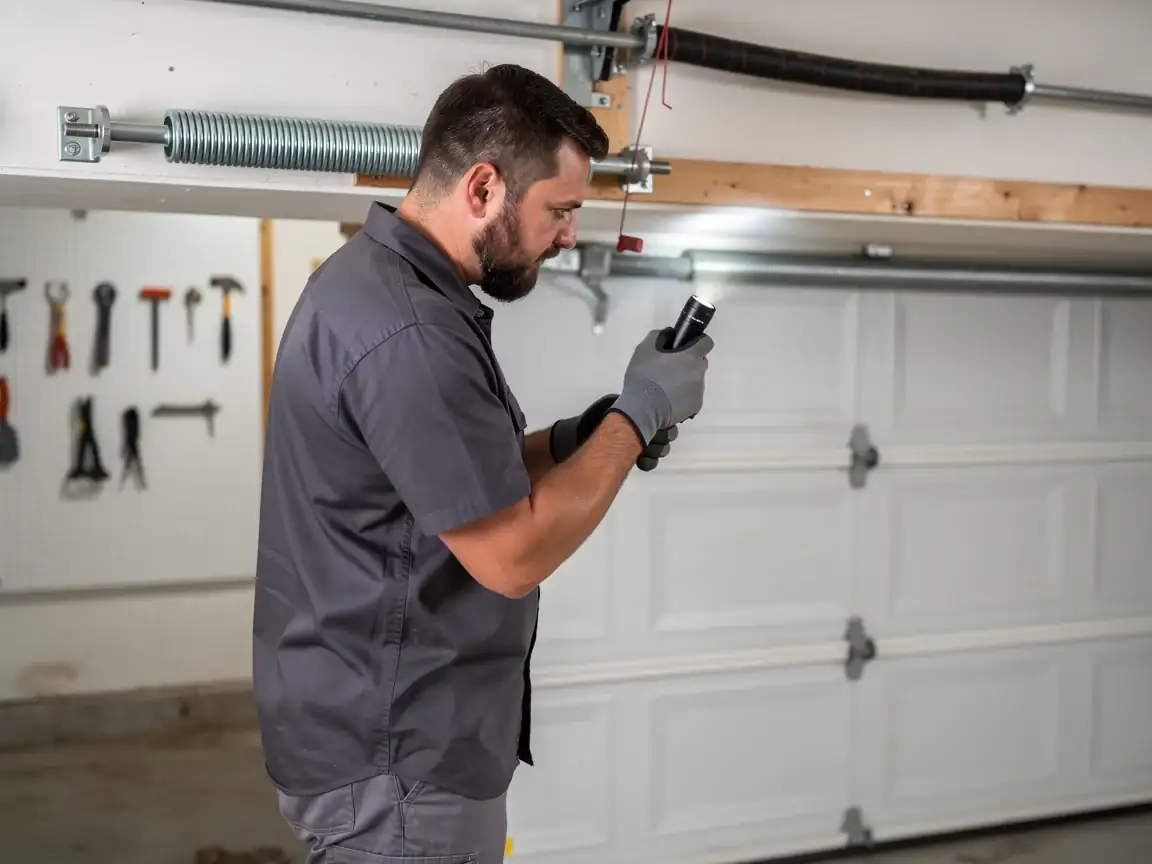
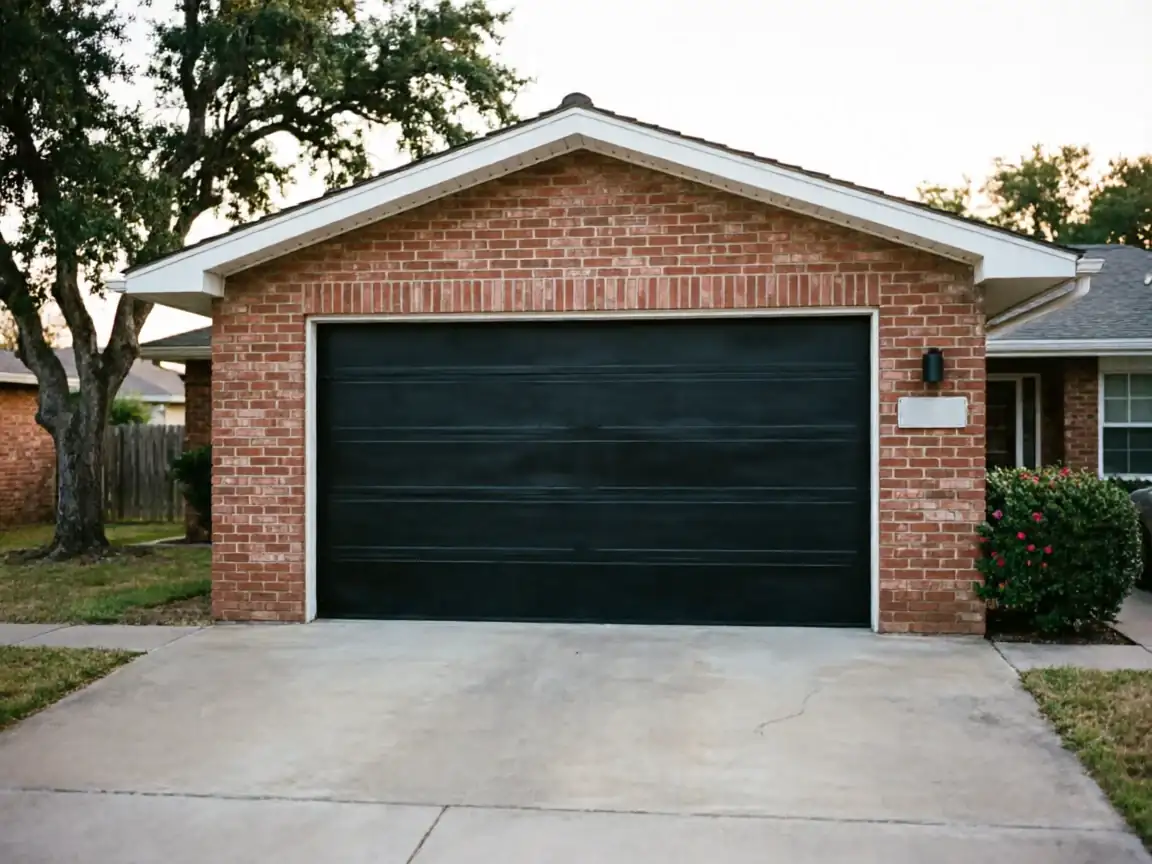
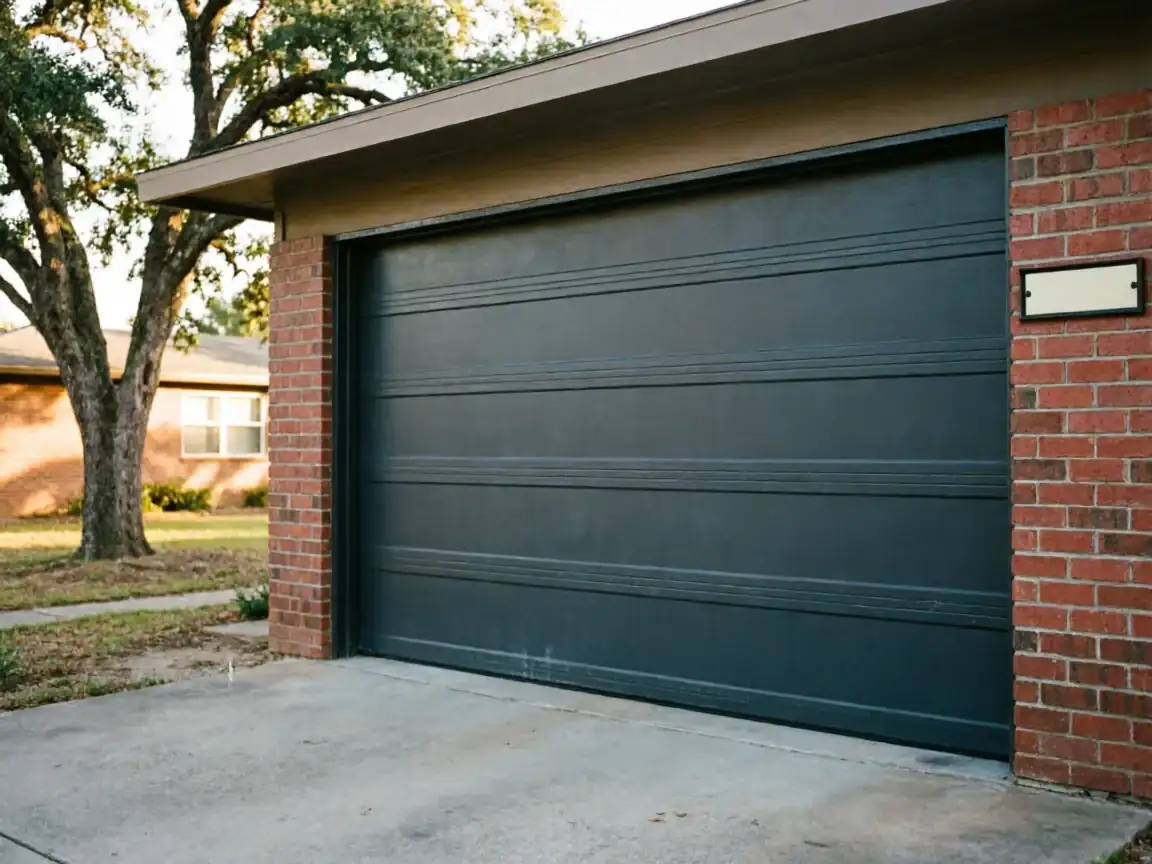
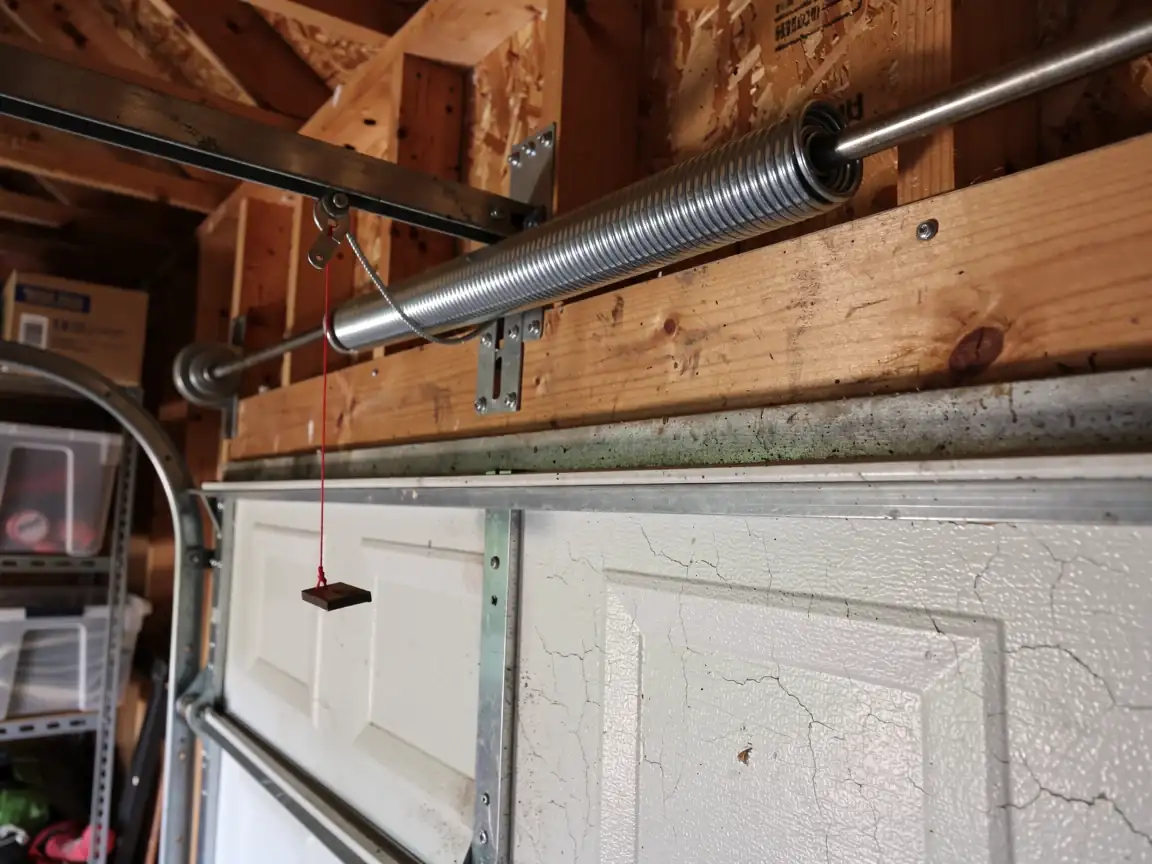
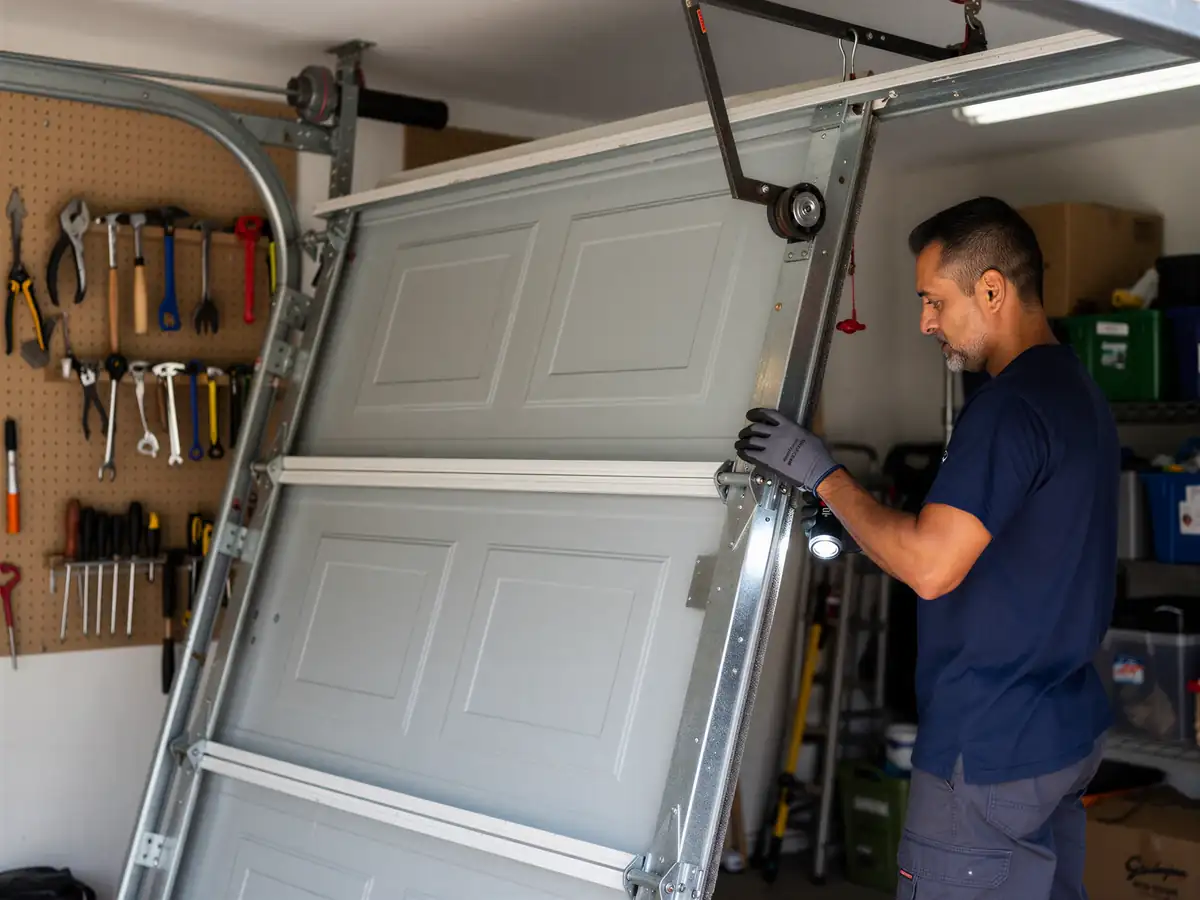
Most of the calls that turn into a full install, not a repair, come from houses built between 1953 and 2014, with the bulk of what we see dated to the 1980s and 90s. The door still rolls, mostly, but the panels have gone soft at the bottom corners, the seams don't line up anymore, or the track has been bent and re-bent so many times it's chasing the roller instead of guiding it. On a lot of these original doors, the steel gauge is thinner than anything sold today, so a repair patches a door that's already lost its shape. If yours is one of the original units from that build window and you're calling about rattling, binding, or daylight showing at the bottom seal, that's usually the door telling you it's done, not the opener or the spring. We'll still check the spring and hardware on the visit - no sense replacing a door over a $40 part - but if the panel steel itself has gone, installation is the honest call, not another repair that won't hold through the next heat cycle.
Why It Happens Here
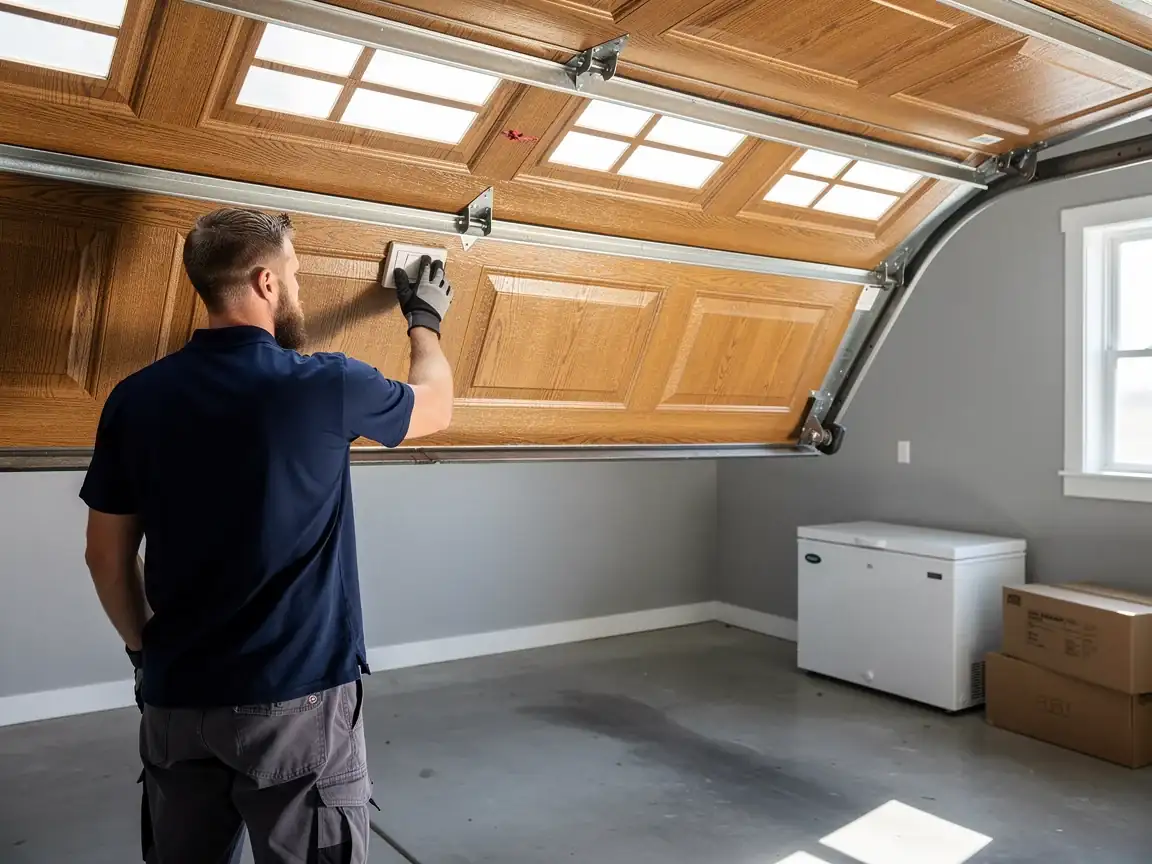
Watauga's housing stock runs 1953 to 2014 with a median build year around 1993, and across the roughly 45,000 owner-occupied houses in this service area, most of them fall into that 1980s-90s band. That means a huge share of garage doors here are now thirty-plus years old, built to a lighter steel standard and sized to openings that were framed before insulated doors were common on standard builds. The climate band here is moderate heat, not the kind of swing that cracks panels outright, but enough sustained summer heat over three decades to soften seals and warp lighter-gauge steel at the bottom panel, which is exactly where we see the failures start. It's not a dramatic weather event causing this - it's three decades of ordinary Texas summer heat doing slow work on doors that were never built with insulated steel to begin with. With median household income in the area near $99,500, a lot of owners are choosing to upgrade to insulated doors now rather than keep repairing a thirty-year-old uninsulated panel set, and on the numbers, that's usually the right call.