What It Costs
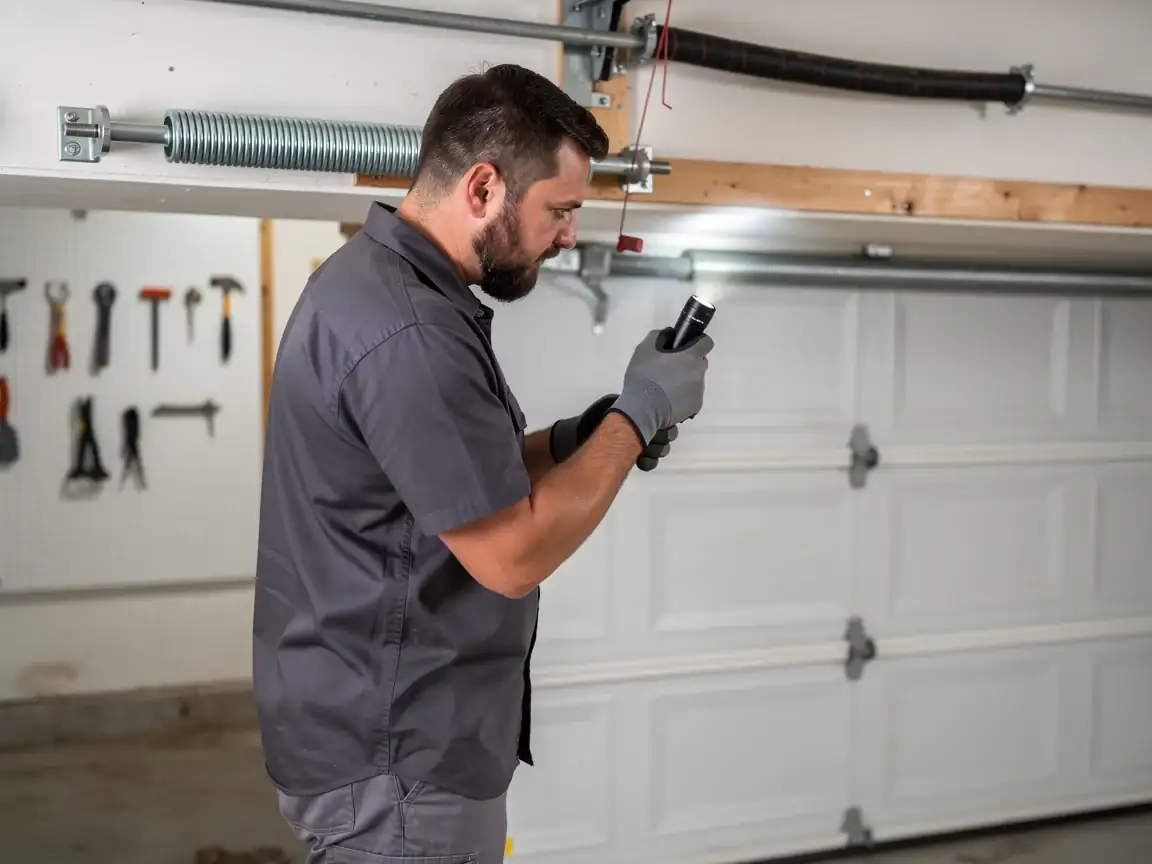
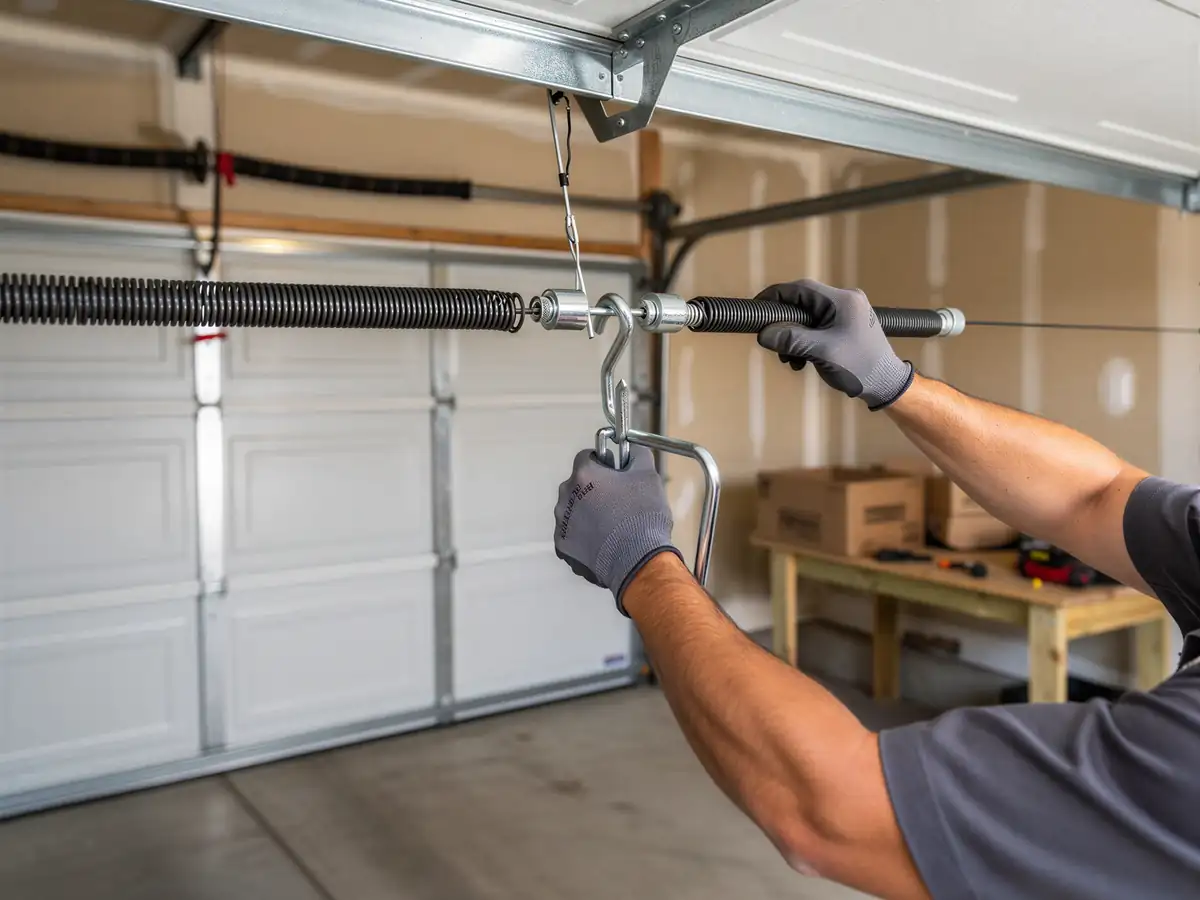
What you pay depends on what's actually broken, not on the town you live in, so we won't pretend otherwise here. The two things that move the number are spring type and door width. A single torsion spring on a one-car door costs less than the matched pair most double doors in Highland Village carry, since those wider doors need two springs working together to balance the weight evenly. Extension springs, which show up on some of the older builds from this area's 1993 median construction year, are a different repair than torsion and priced differently because the hardware access is different. If a cable has already jumped the drum or a bearing plate is worn through, that gets added to the job rather than folded into a flat number. We quote after we look at the door, not before, because guessing the spring size over the phone is how a shop ends up back at your house twice. One honest limit: if the torsion tube itself is bent or the drums are cracked, that's no longer a spring repair and we'll tell you so rather than bolt new springs onto a system that's going to fail again in six months.
Households in this part of the service area have a median income well above the wider Watauga service footprint, which tends to mean owners replace both springs at once rather than wait for the second one to snap - a sound call, since a mismatched pair strains the opener.
The Symptom
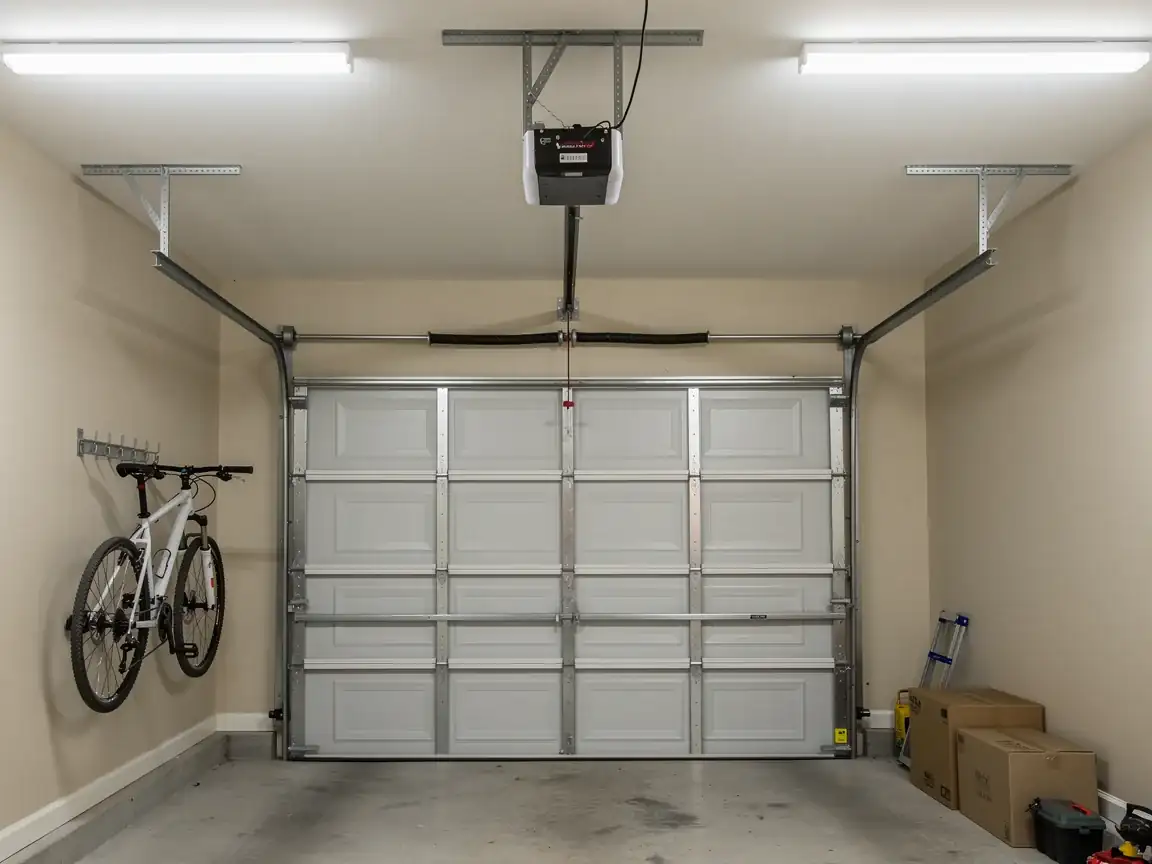
The fault almost always starts the same way: the door gets noticeably heavier to lift by hand, or the opener starts straining and reversing partway up. That's the spring losing tension, not the opener failing, even though the opener usually gets blamed first. A spring doesn't last forever - it's rated for a set number of open-close cycles, and once it's near the end, it can snap outright, usually with a loud bang that owners describe as sounding like a gunshot in the garage.
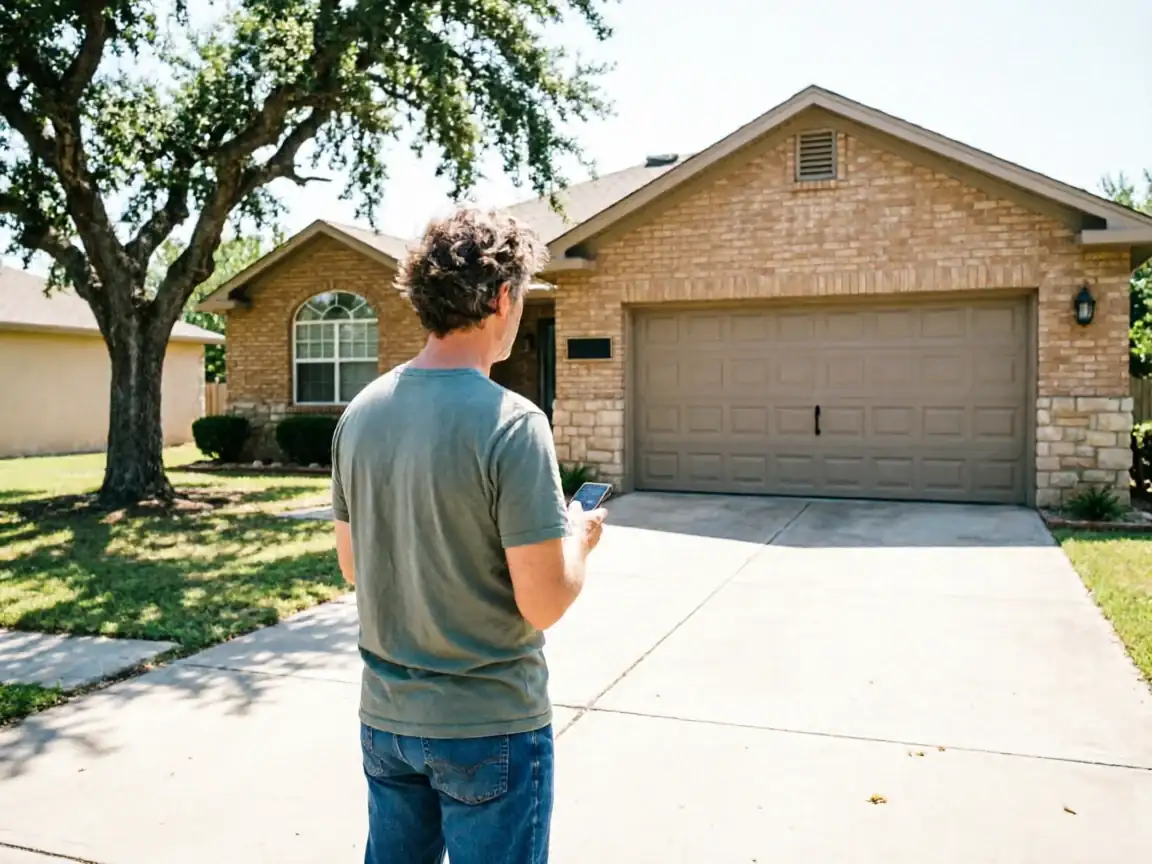
Because the median home in this part of Highland Village was built around 1993, a lot of the original or first-replacement springs installed when these houses went up are now thirty-plus years into service, well past any reasonable cycle count for a spring that's never been swapped. That puts a large share of the housing stock here at the point where failure isn't a maybe, it's a when. If your door is from that era and you haven't had the springs looked at, a sudden full snap rather than a slow sag is the more likely way you'll find out.
How Long It Takes
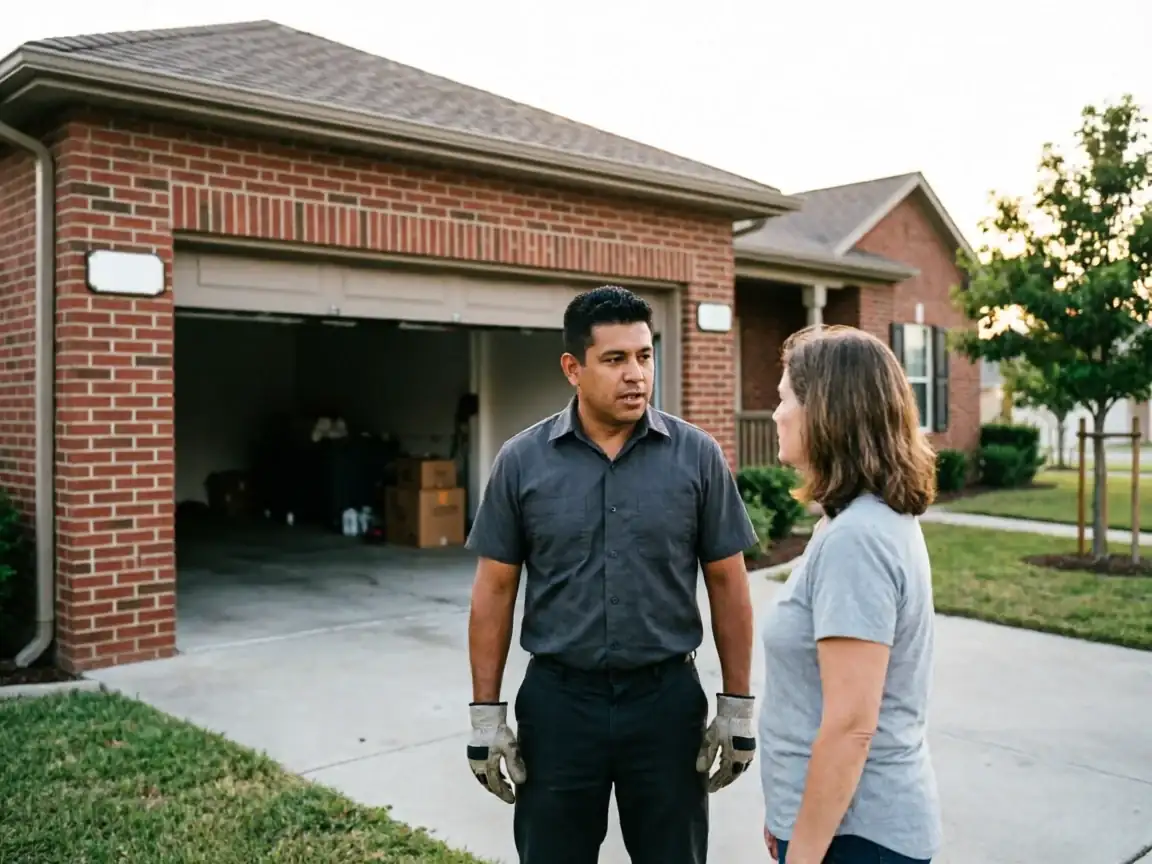
We travel from Watauga, about 19 miles out to Highland Village
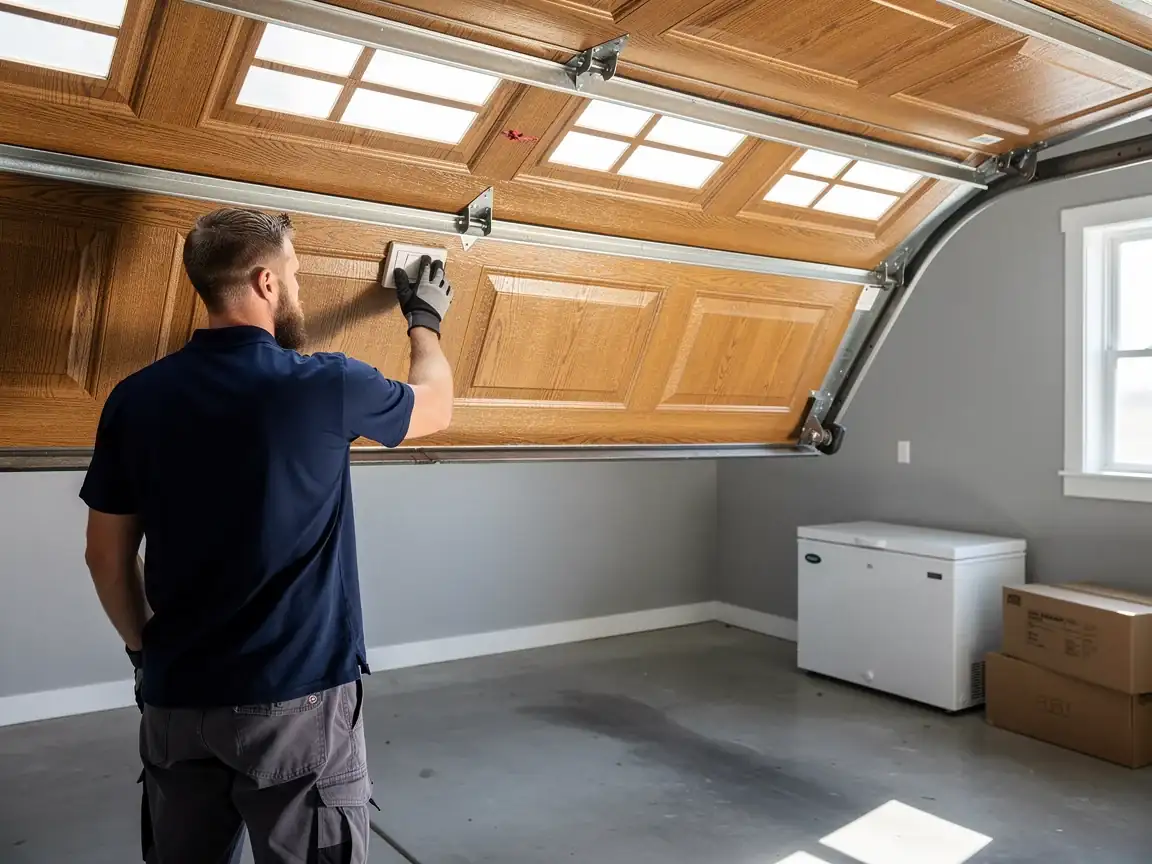
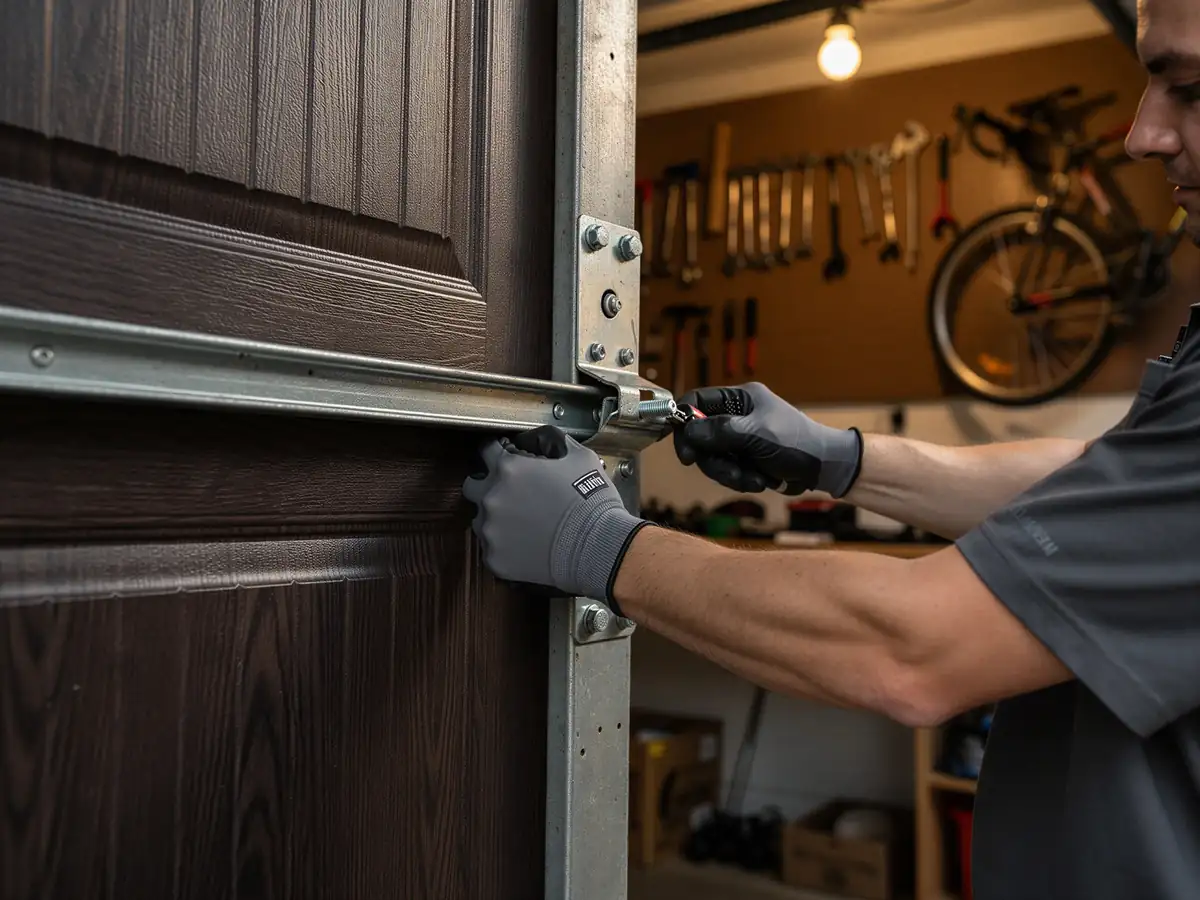
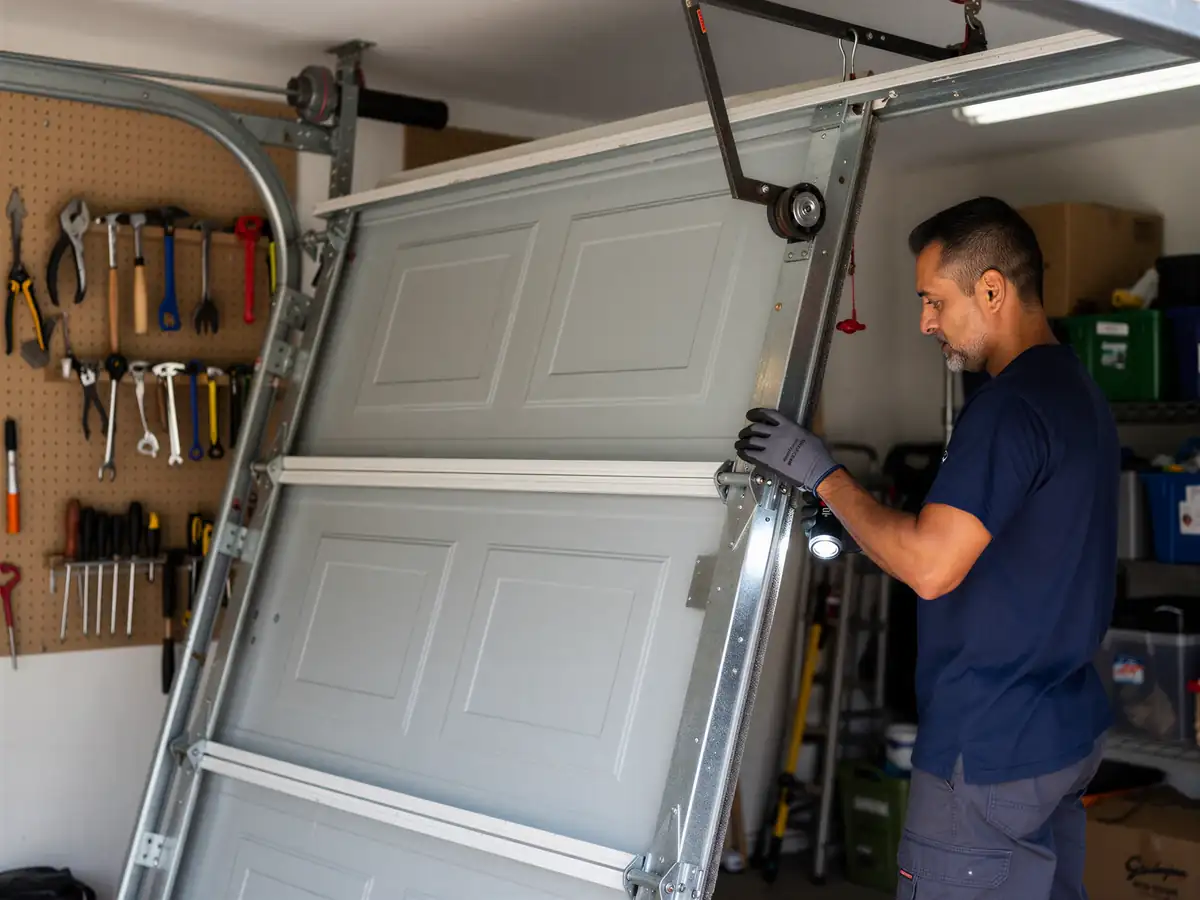
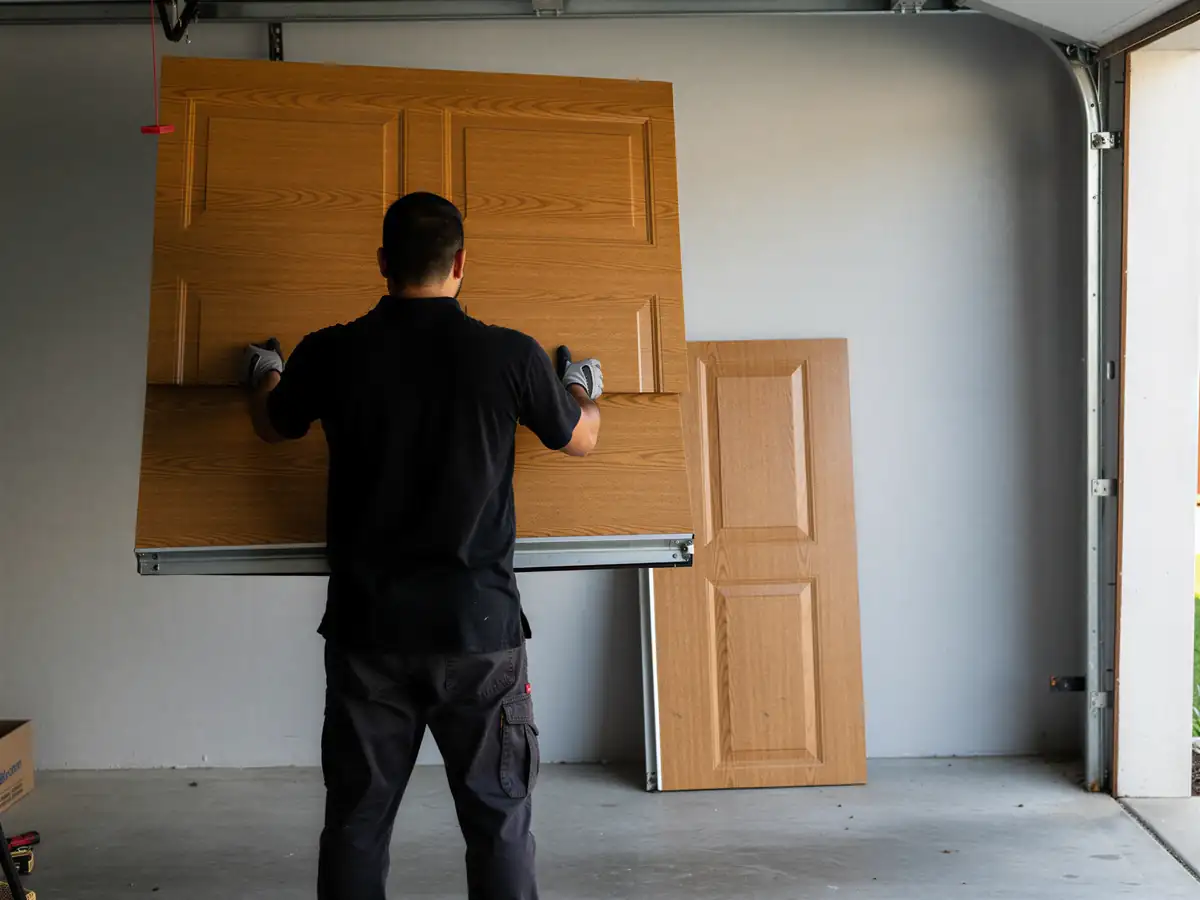
So scheduling a visit means picking a window rather than expecting someone on the driveway within the hour - we won't promise a response time we can't back up over that distance. Once we're there, the repair itself is usually a same-visit job: remove the old spring, install the correct replacement sized to the door's weight, and check the cables and drums while everything is already apart.
- 19 miles
What slows a job down isn't the wrench work, it's parts
If your door takes an uncommon spring size, or if the drums or end bearing plates also need replacing, we may not carry that exact part on the truck and have to source it. That's more common on older doors, which is relevant here given how much of the housing in this area dates to the early-to-mid 1990s build wave. We'd rather tell you a part needs ordering than install the wrong size spring to finish fast.
The Complications
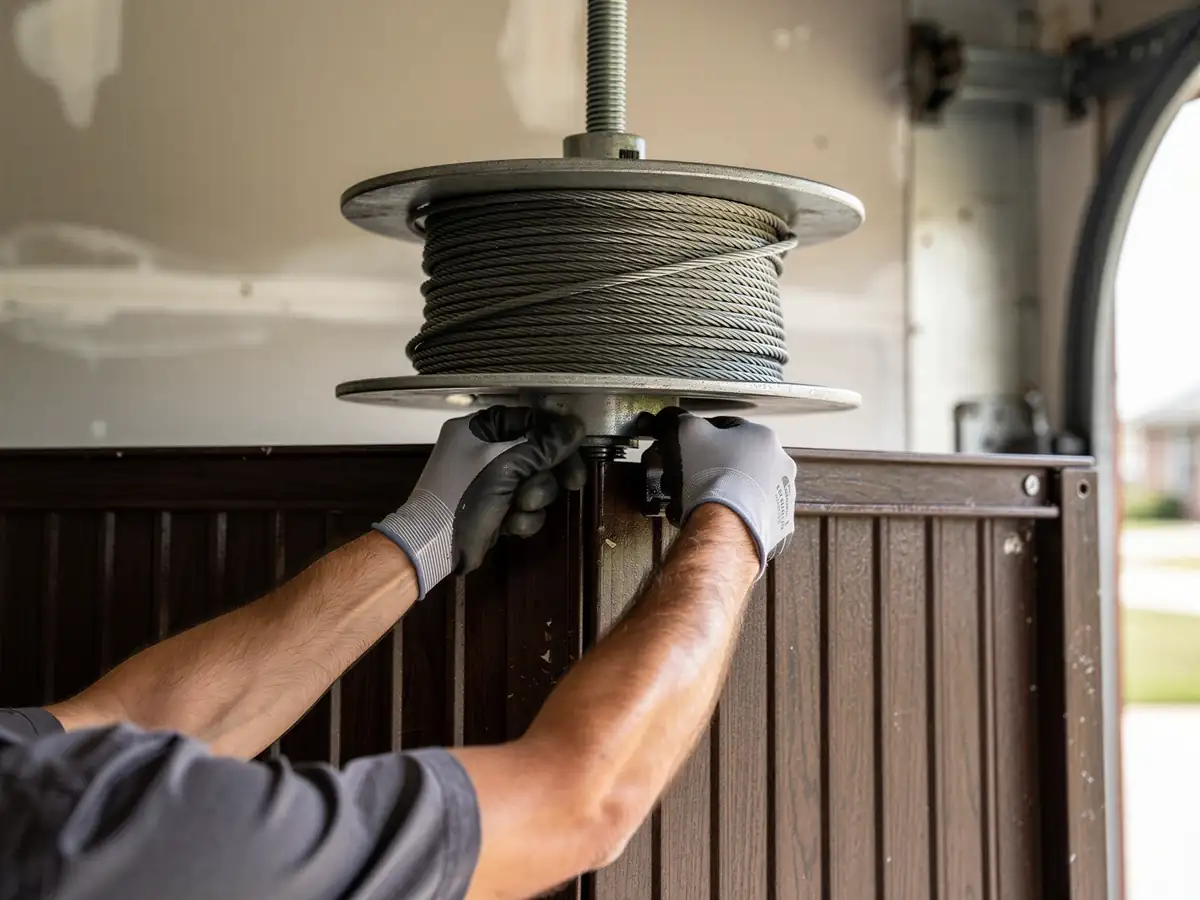
A broken spring is rarely traveling alone, especially on a door that's been running on the same hardware since the house was built in the early 1990s. Cables fray where they ride the drum, bearing plates wear oval instead of round, and the rollers get stiff - all from the same decades of cycles that wore out the spring. We check those while we're already in there, because replacing a spring and leaving a frayed cable just moves the next failure a few weeks out.
The moderate heat this area sees over the year also plays a role, though a smaller one than people expect - it's less about the garage overheating and more about how heat cycling dries out the lubricant on torsion springs faster than in a cooler climate, which shortens effective spring life a bit compared to a spring that never sees real heat. It's not dramatic, but on a door that's already near the end of its cycle count, it's one more reason the spring goes first. None of this is a reason to delay - a broken spring under tension is dangerous to touch, and it's the kind of repair that gets worse, not better, if you wait.