What It Costs
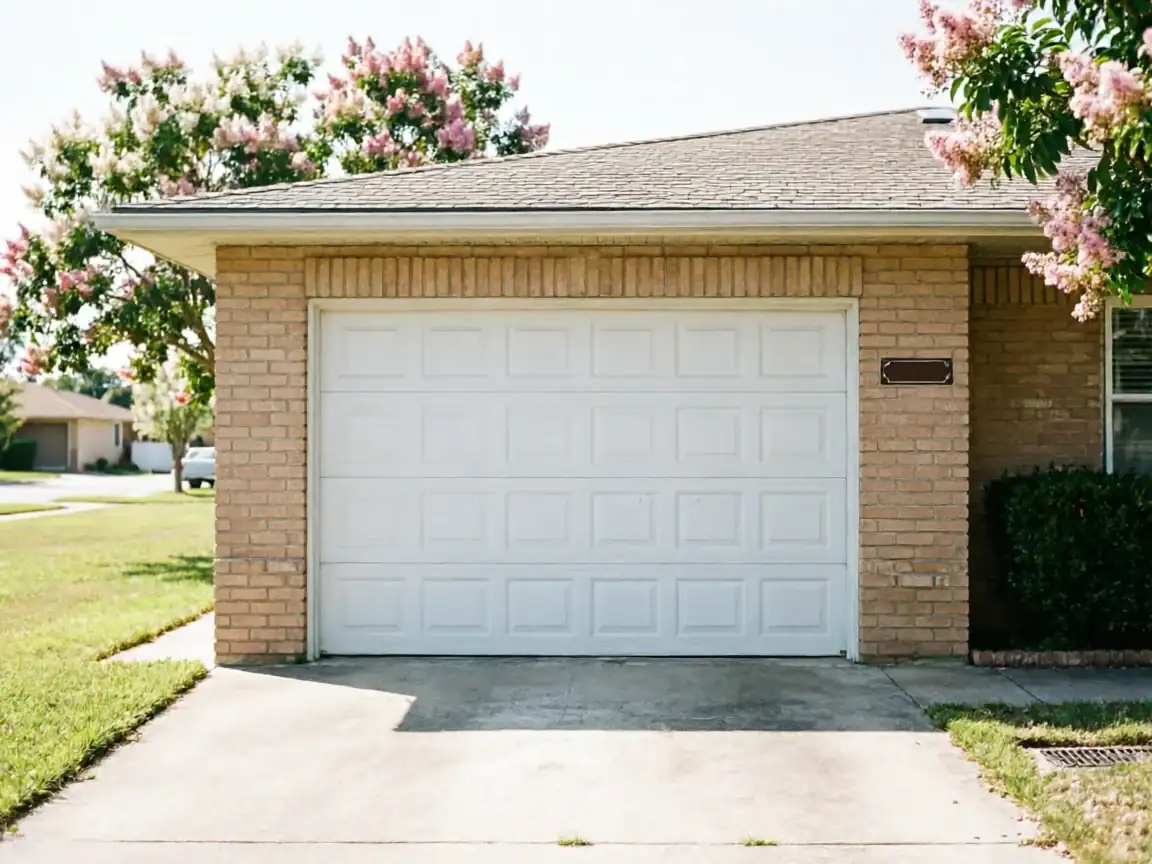
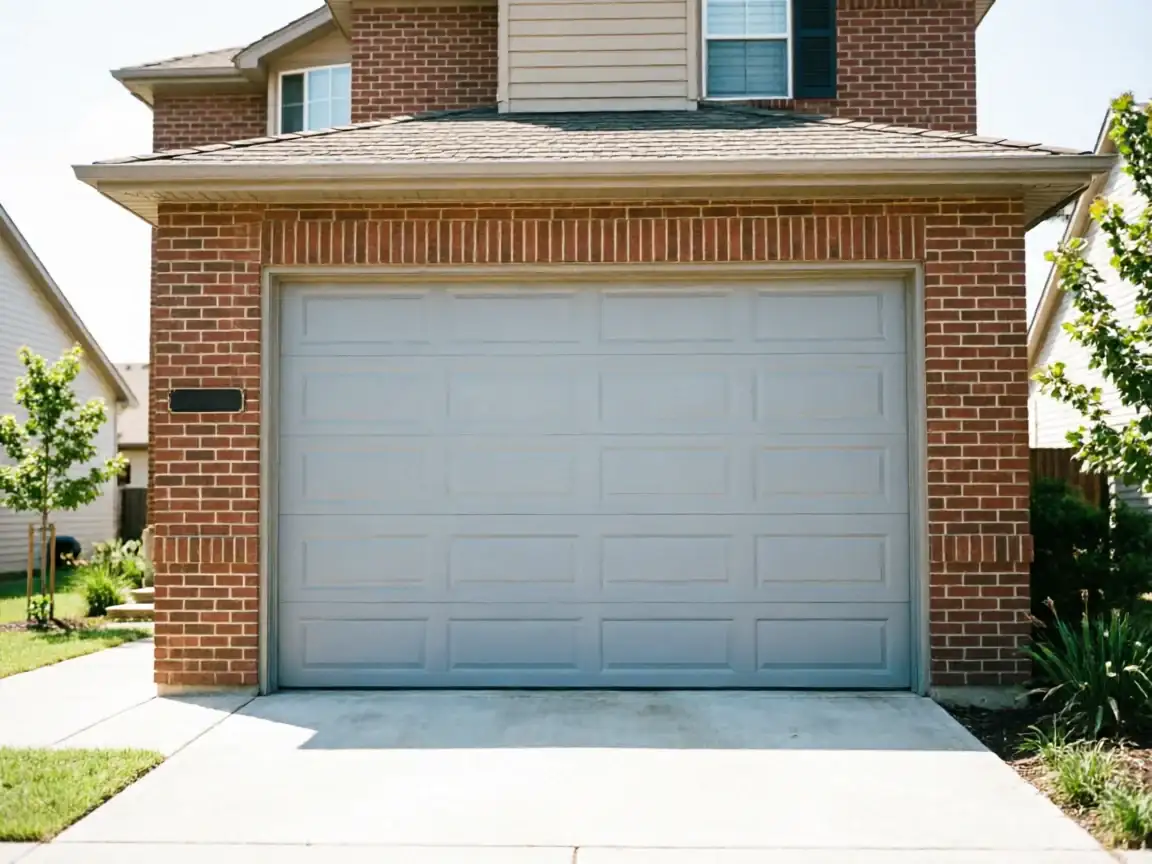
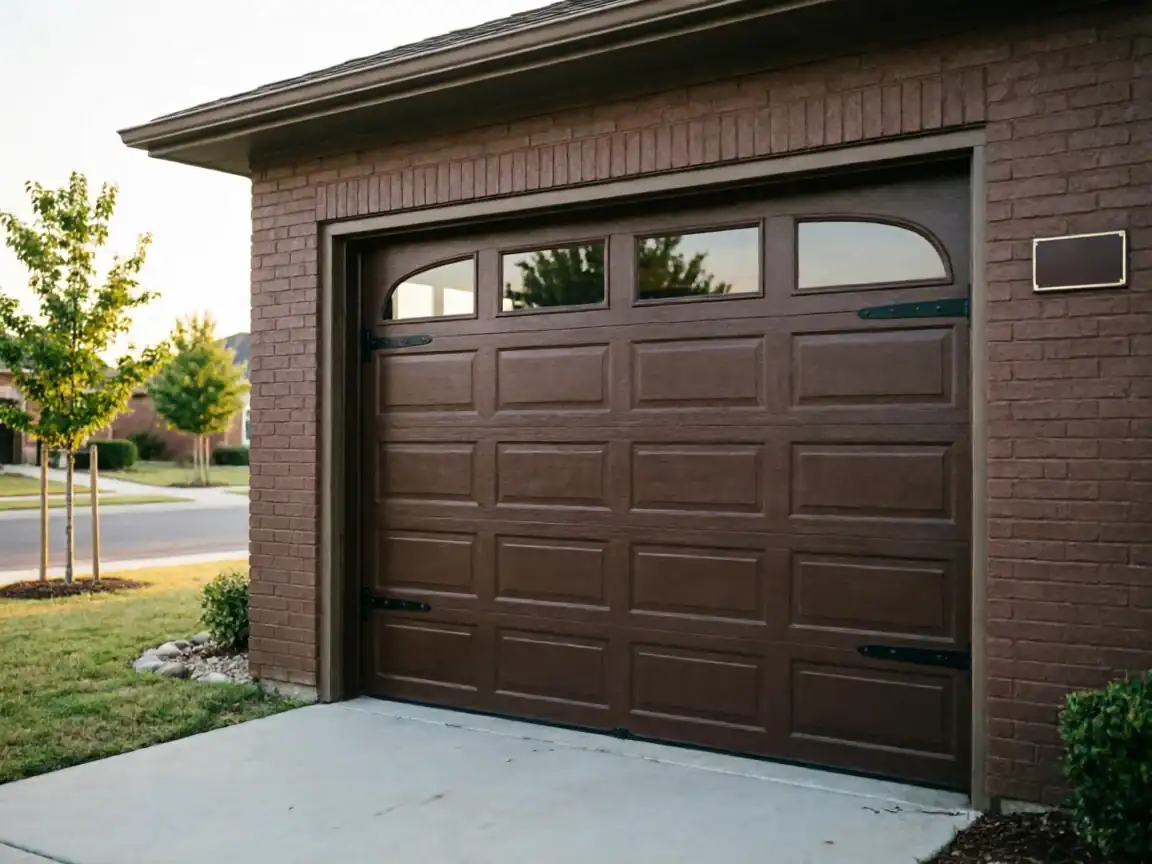
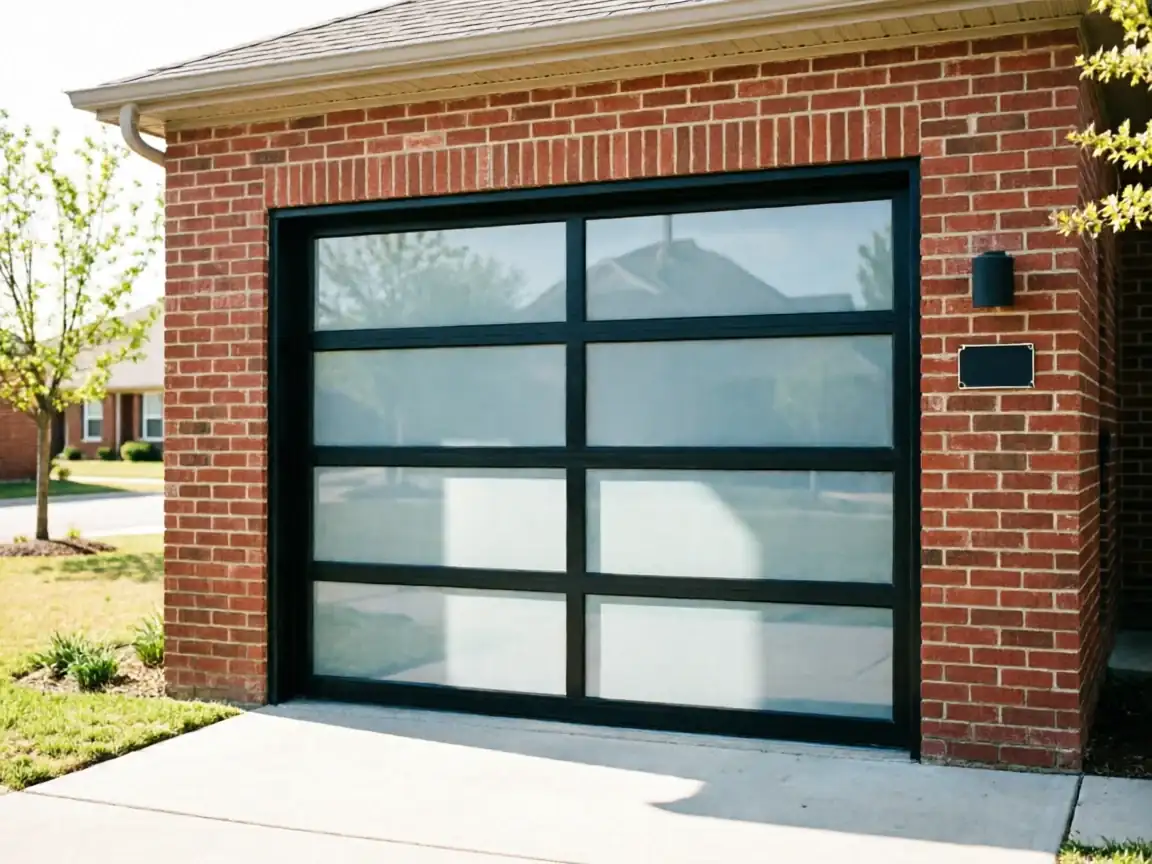
We don't quote a number on a page - every door, opener, and track setup is different, and giving you a figure that isn't tied to your actual door would be guessing. What we can tell you is what drives the cost in a neighborhood like this one. Highland Village's housing stock centers on a median build year of 1993, which means most garages here still have the steel sectional doors and chain-drive openers that were standard then. A straight swap - same size opening, same track path - costs less than a job where we're also widening an opening, adding insulation, or running new electrical for a modern opener. With a median household income of $164,459 in Highland Village, we see more homeowners asking for insulated doors and belt-drive openers than in some of the other towns we cover from Watauga, but that's a choice, not a requirement. We'll give you a real number once we've looked at your door and your opening, not before.
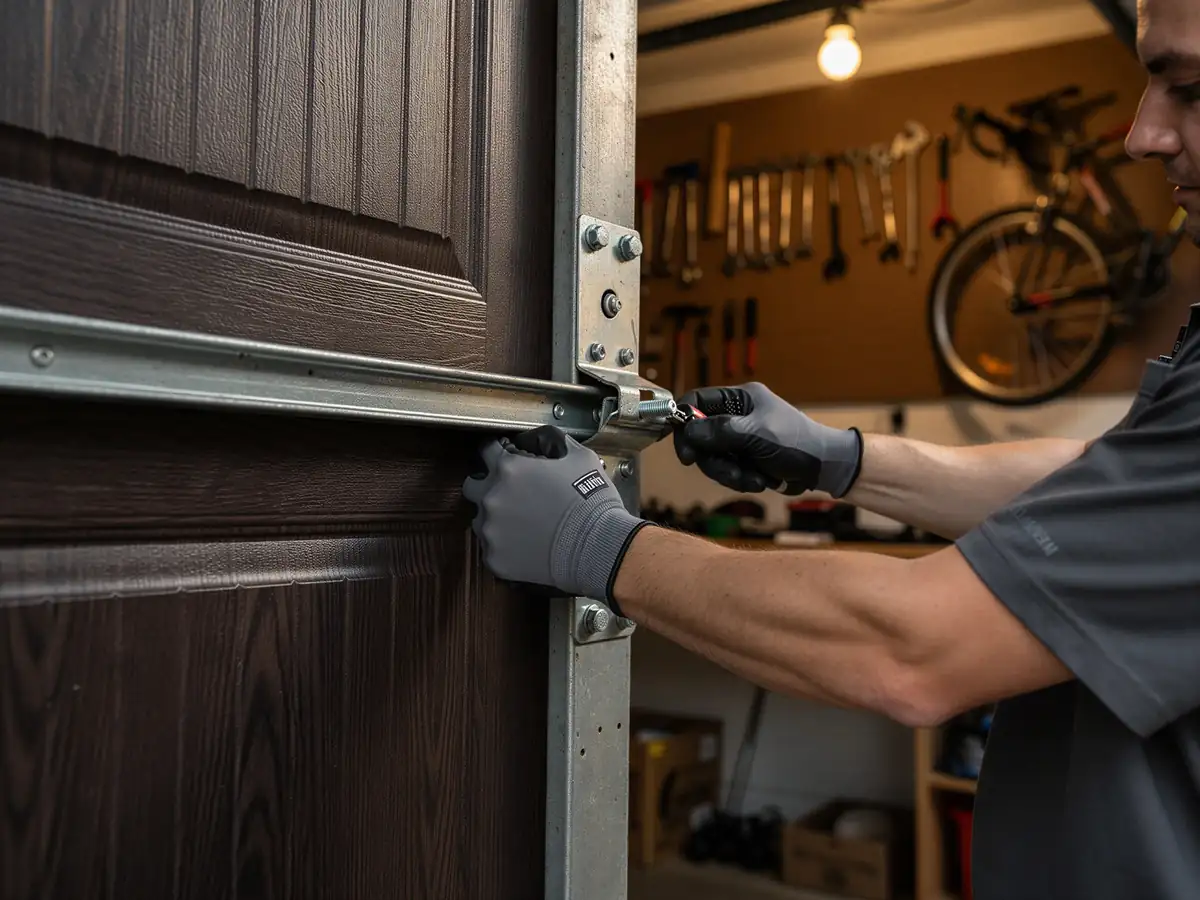
If your current door is original to the house, expect the hardware - springs, hinges, rollers - to be near the end of its service life too, which can add a line item you weren't planning on.
The Symptom
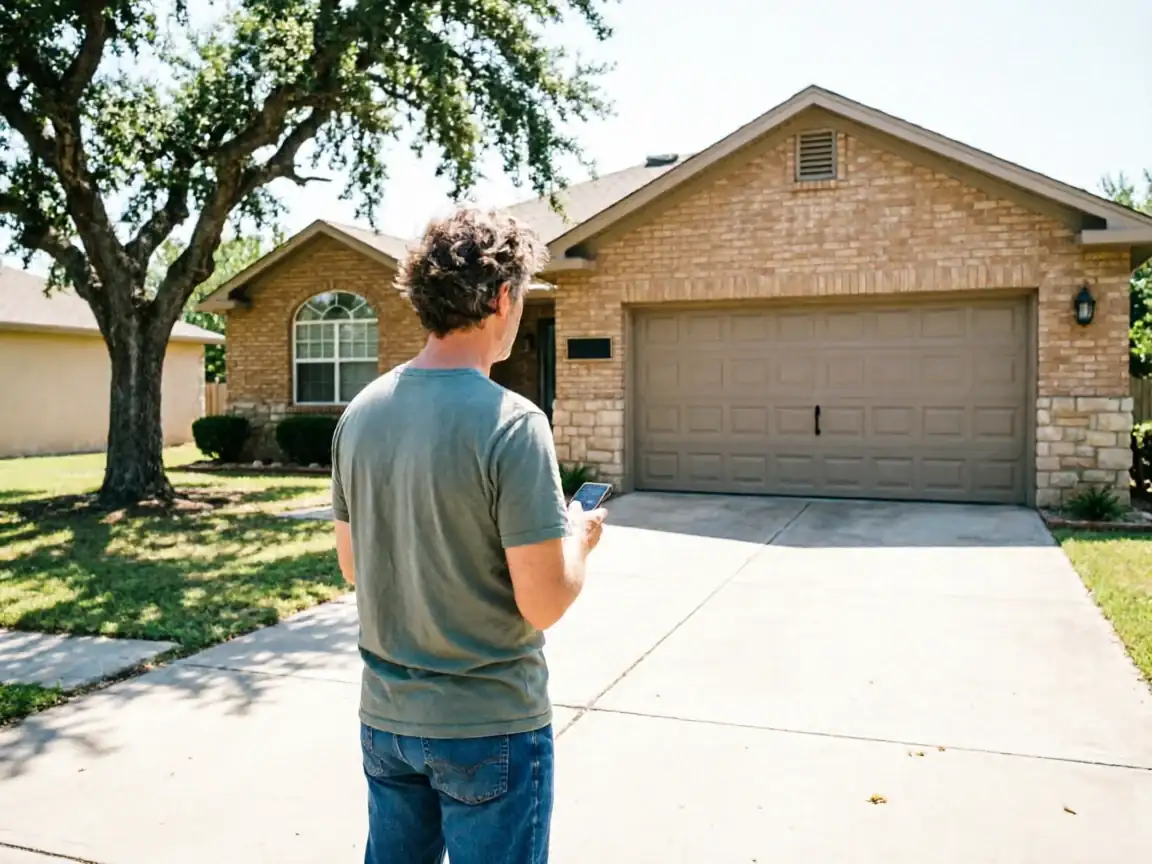
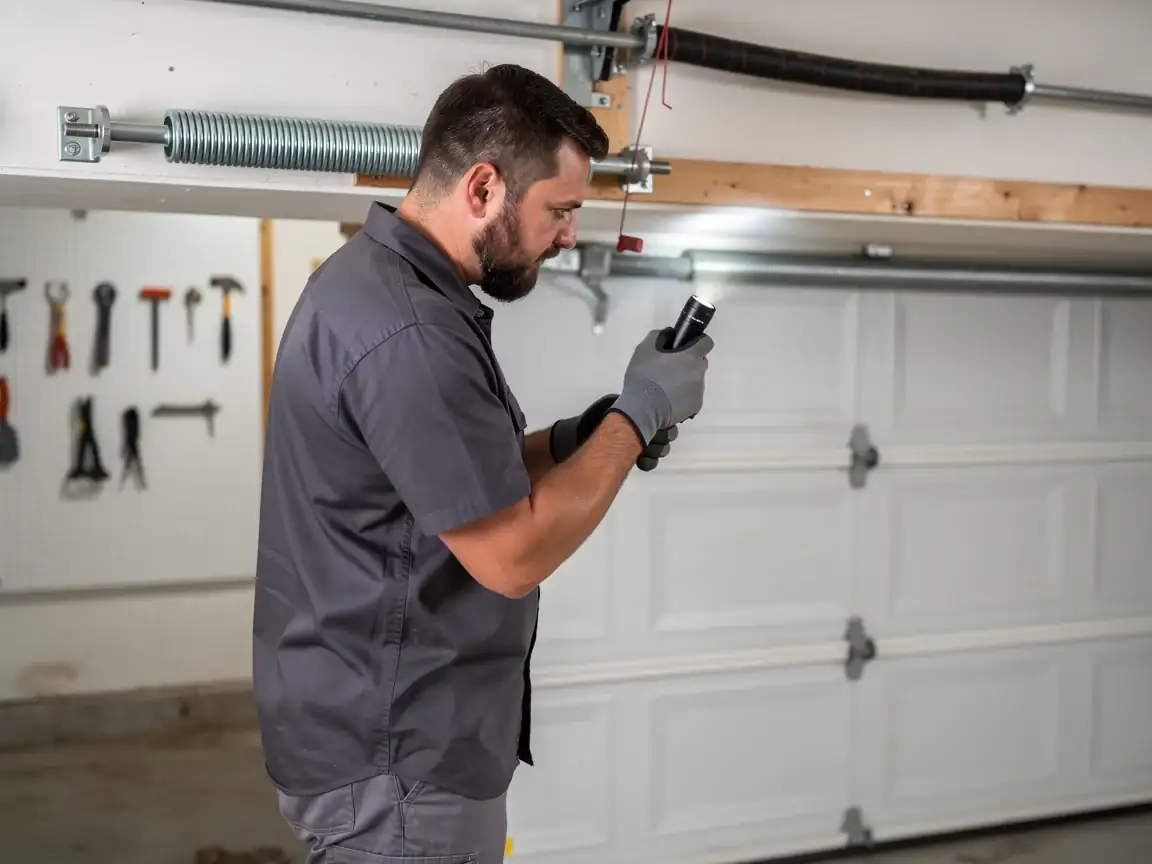
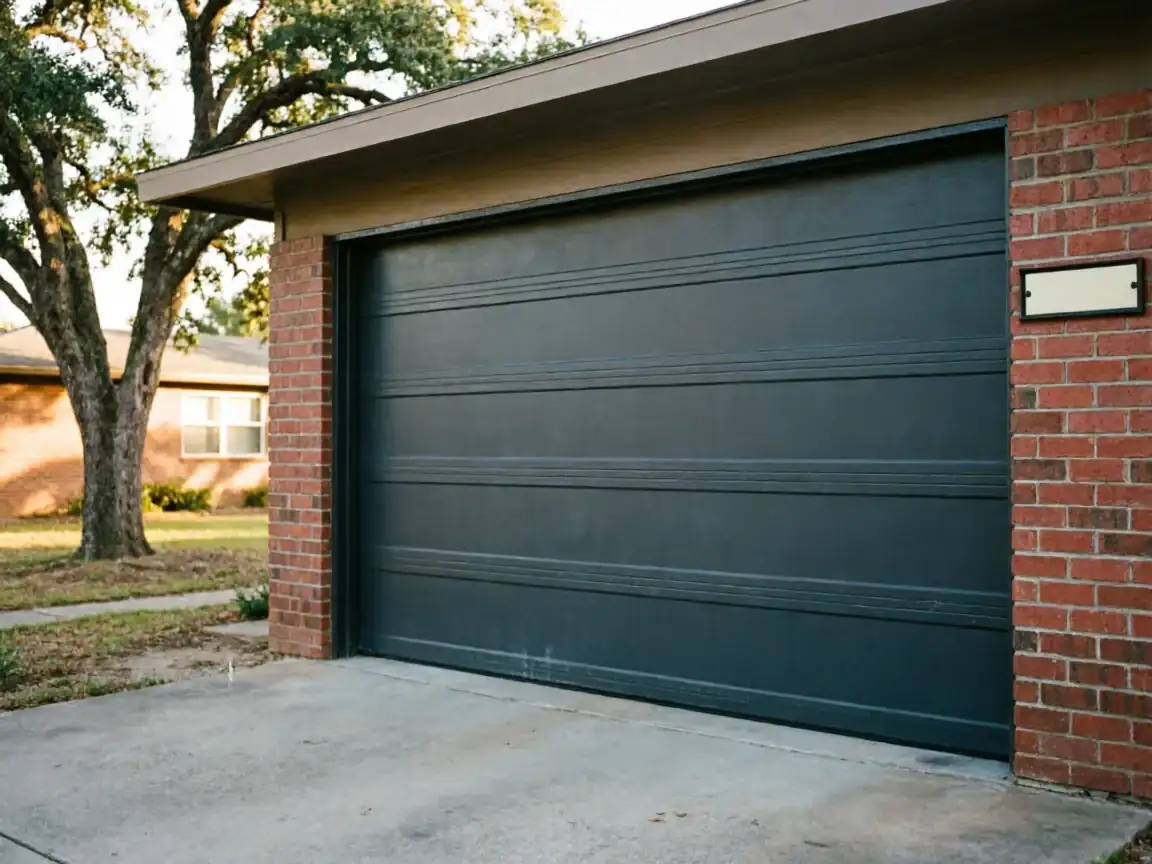
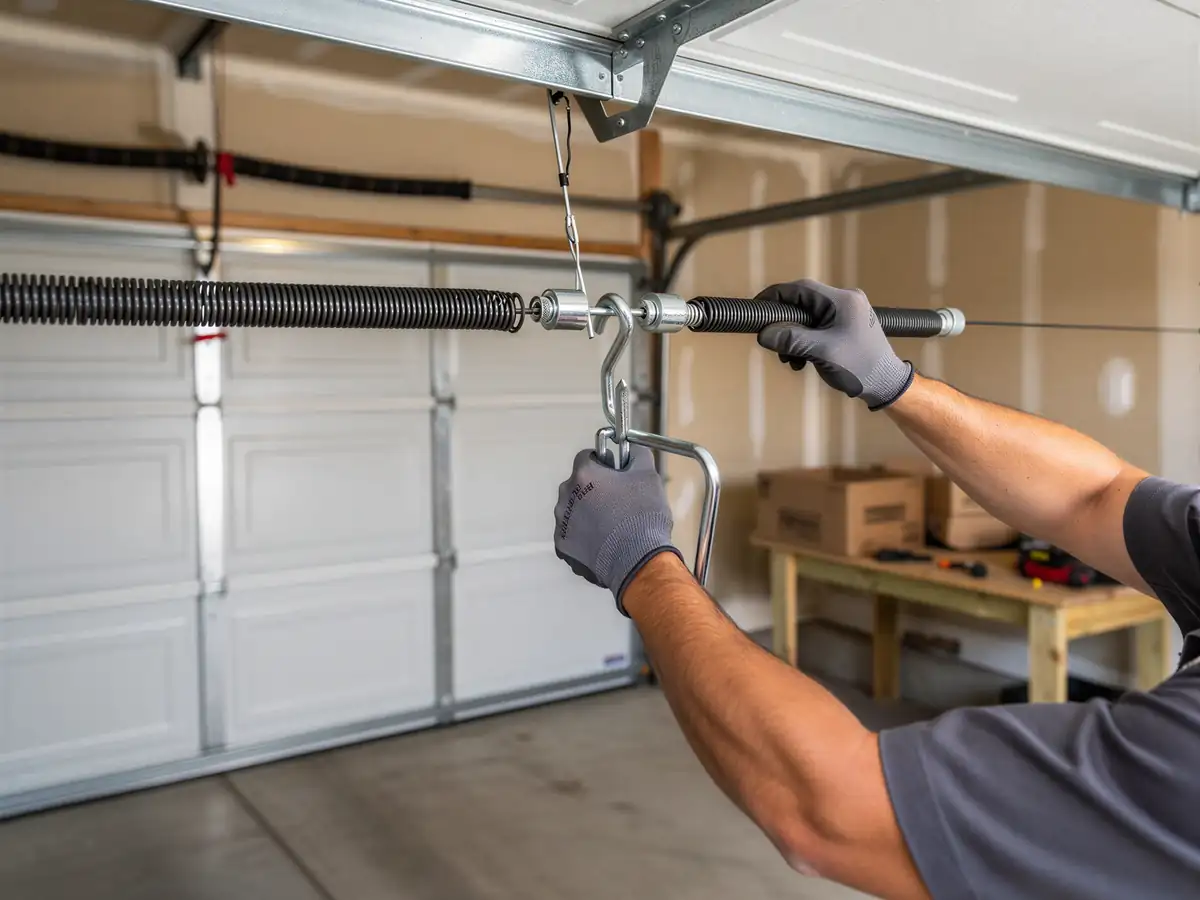
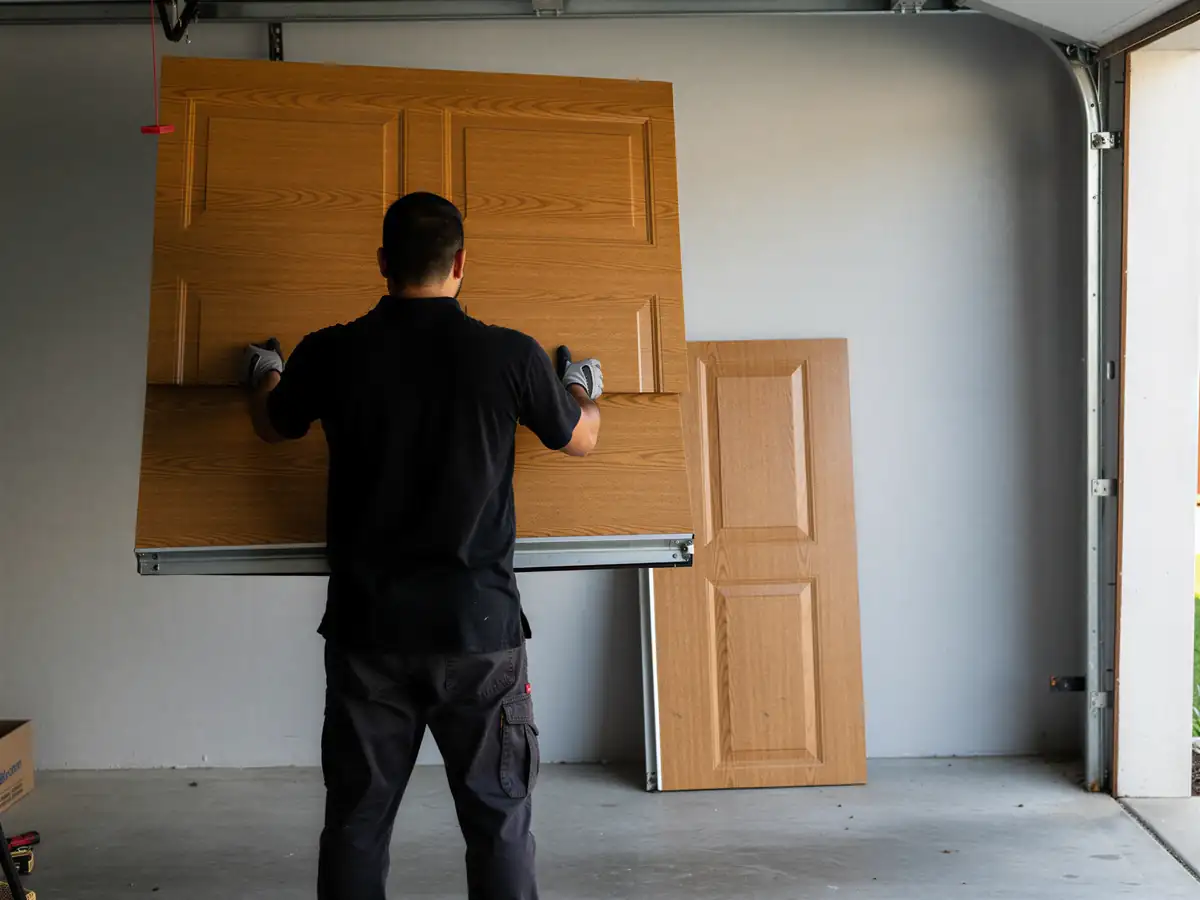
The door that's original to a 1993-built house in Highland Village usually doesn't fail all at once. It gets loud first. The torsion spring stretches out of its wound tension over thirty-plus years, so the opener starts working harder to lift a door it used to lift easily, and you hear it in the chain drive before you see it in the door itself. Panels on doors from that era were often non-insulated steel, which means they've taken three decades of temperature swings without a thermal break - you'll sometimes see the bottom panel bowed or rusted at the seams where moisture sat.
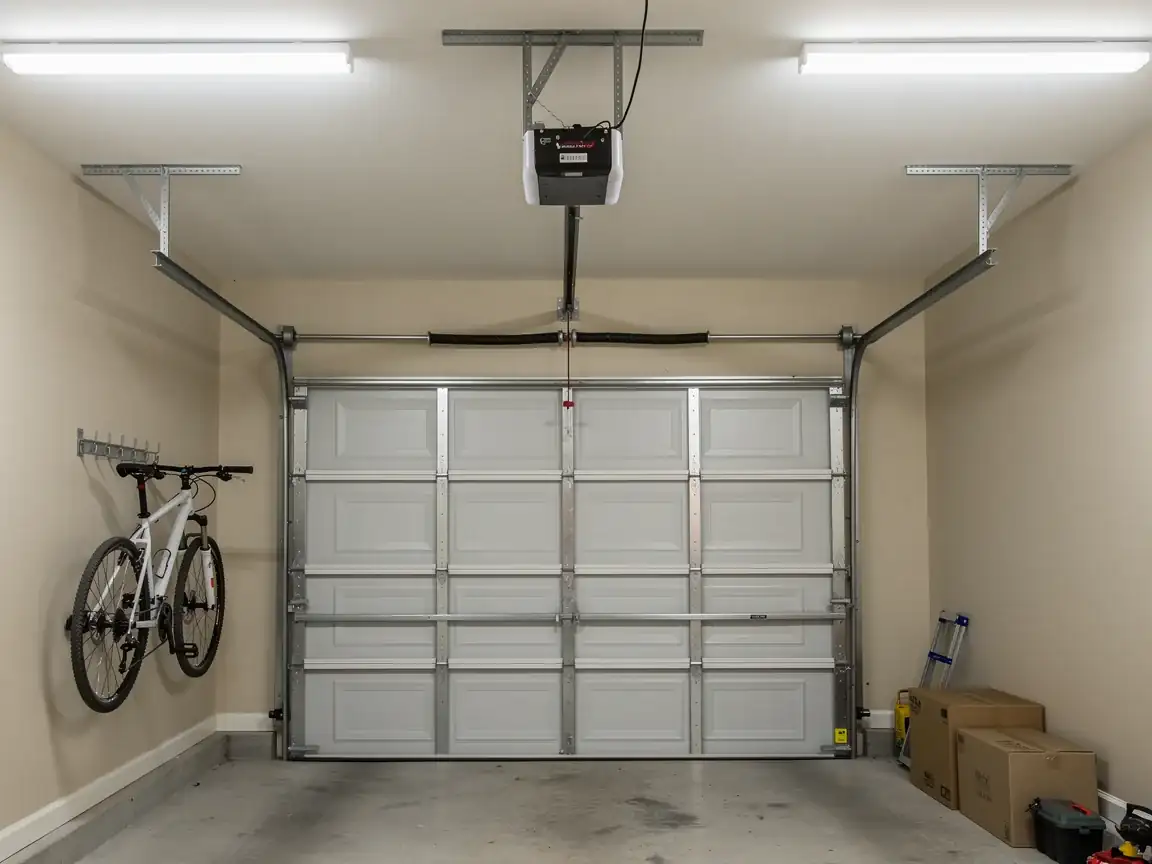
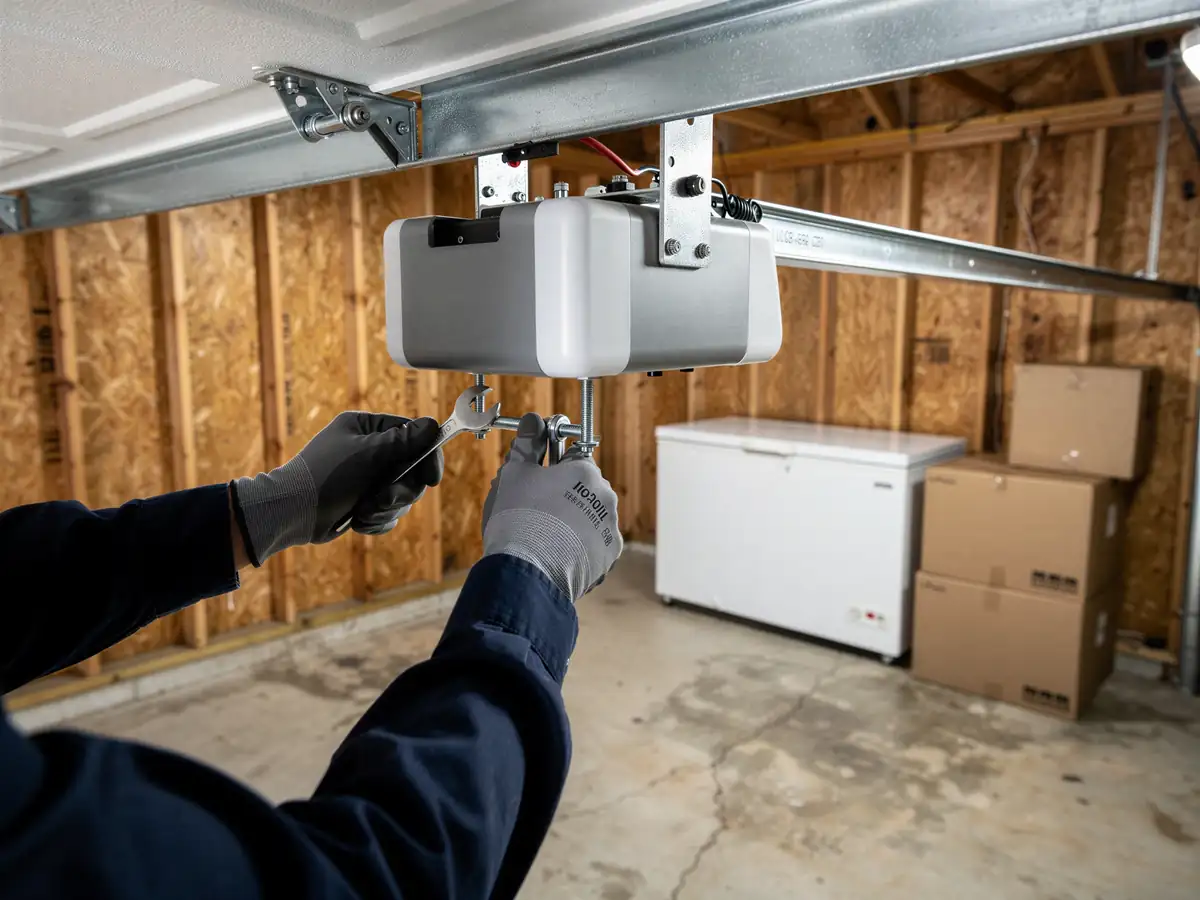
The other common symptom is an opener that's simply outlived its electronics. A chain-drive unit from the early '90s doesn't have rolling-code security or a battery backup, and when the circuit board finally goes, replacing just the opener on an old track and spring setup rarely makes sense - the whole system is due. That's usually the point where a repair call turns into a new-door conversation instead.
How Long It Takes
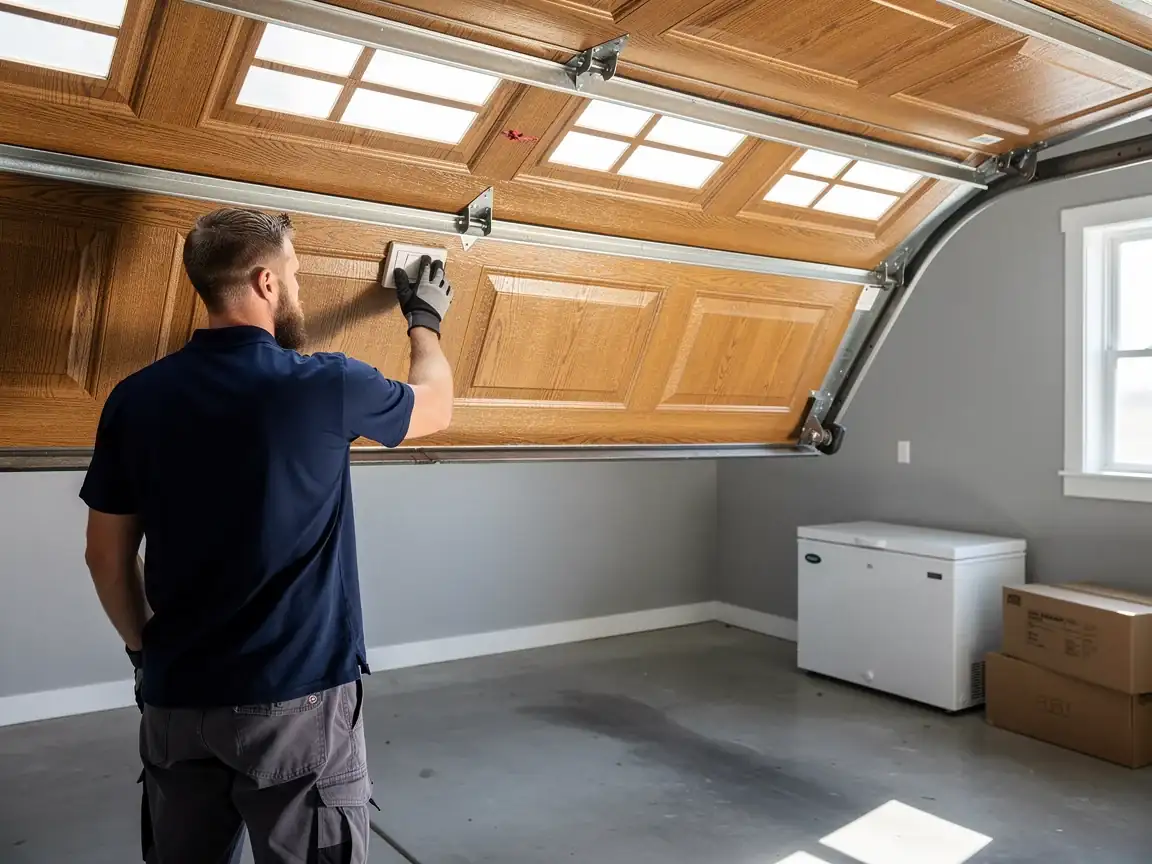
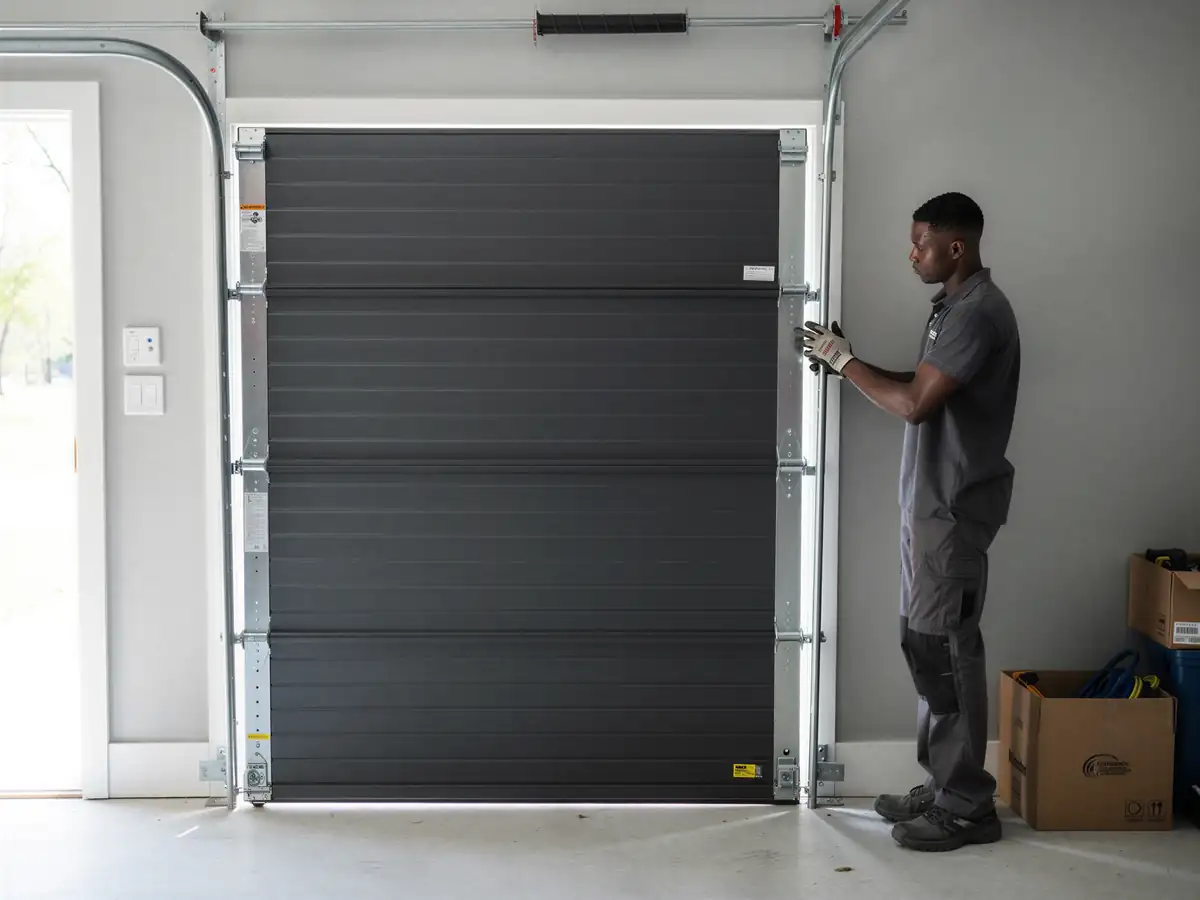
A straight replacement - same opening size, no structural changes - is usually a single visit
Where it runs longer is when the opening itself needs work, which comes up more often than you'd think in houses built in the early-to-mid '90s because framing standards and header sizing have shifted since then. If we're also swapping the opener for a belt-drive model with battery backup, that adds time on-site but not a second trip in most cases.
The one thing that can stretch the timeline past a single day isn't labor
It's the door itself. Certain panel styles and insulated options are special order, and lead time on those runs from a few days to a few weeks depending on the manufacturer. We'll tell you up front if the door you want falls into that category so you're not waiting on a surprise.
The Complications
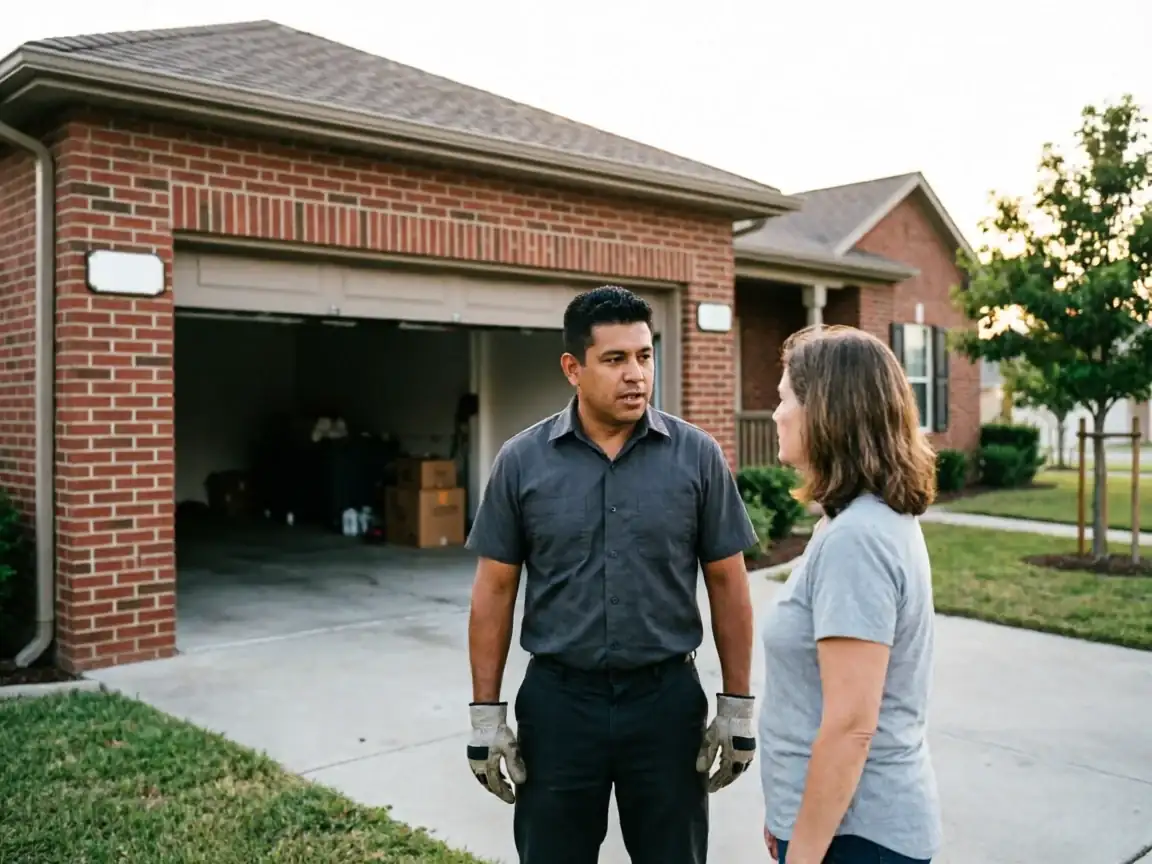
Highland Village sits about 19 miles from our Watauga base, which doesn't change the install itself but does mean we schedule the trip rather than swing by on short notice - plan your appointment a little ahead rather than expecting a same-day fit-in. With roughly 5,380 households in Highland Village, it's a smaller, higher-income pocket of the broader area we serve, and that shows up in the kind of doors people ask for: more custom panel work, fewer bare-bones replacements.
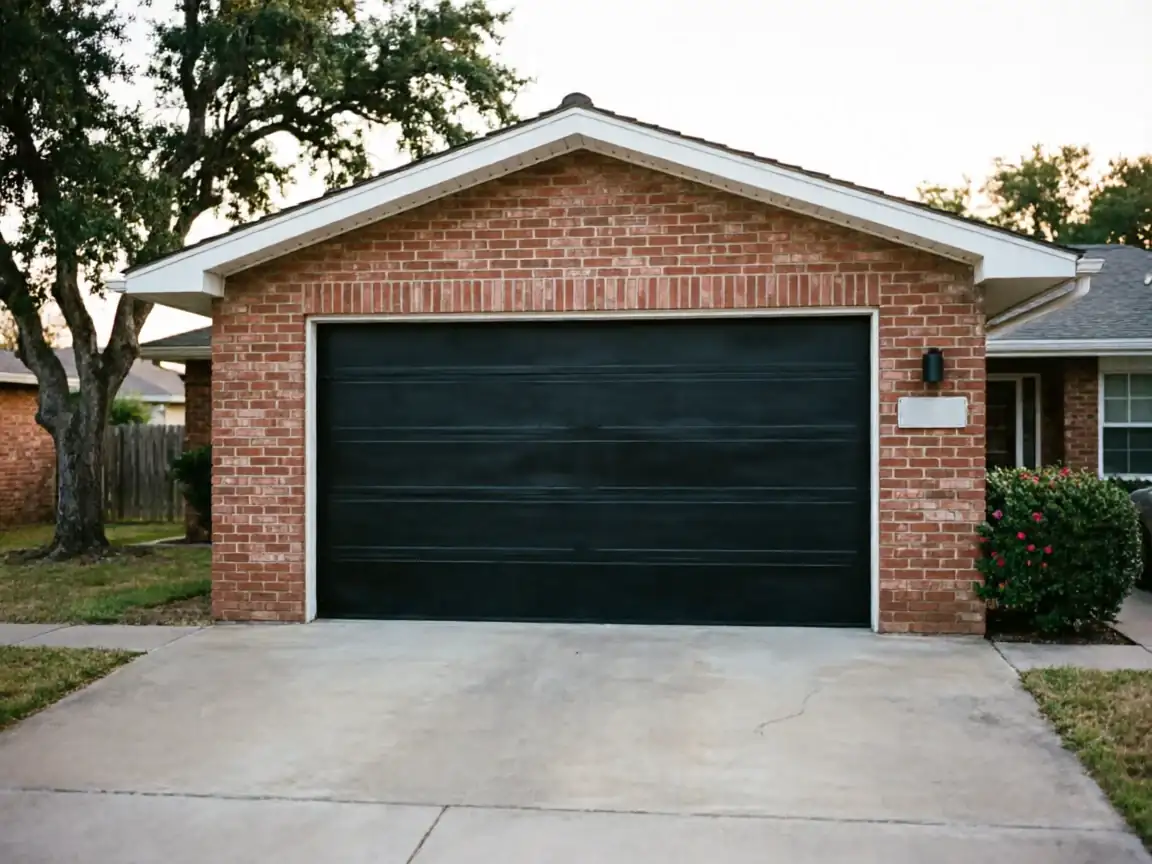
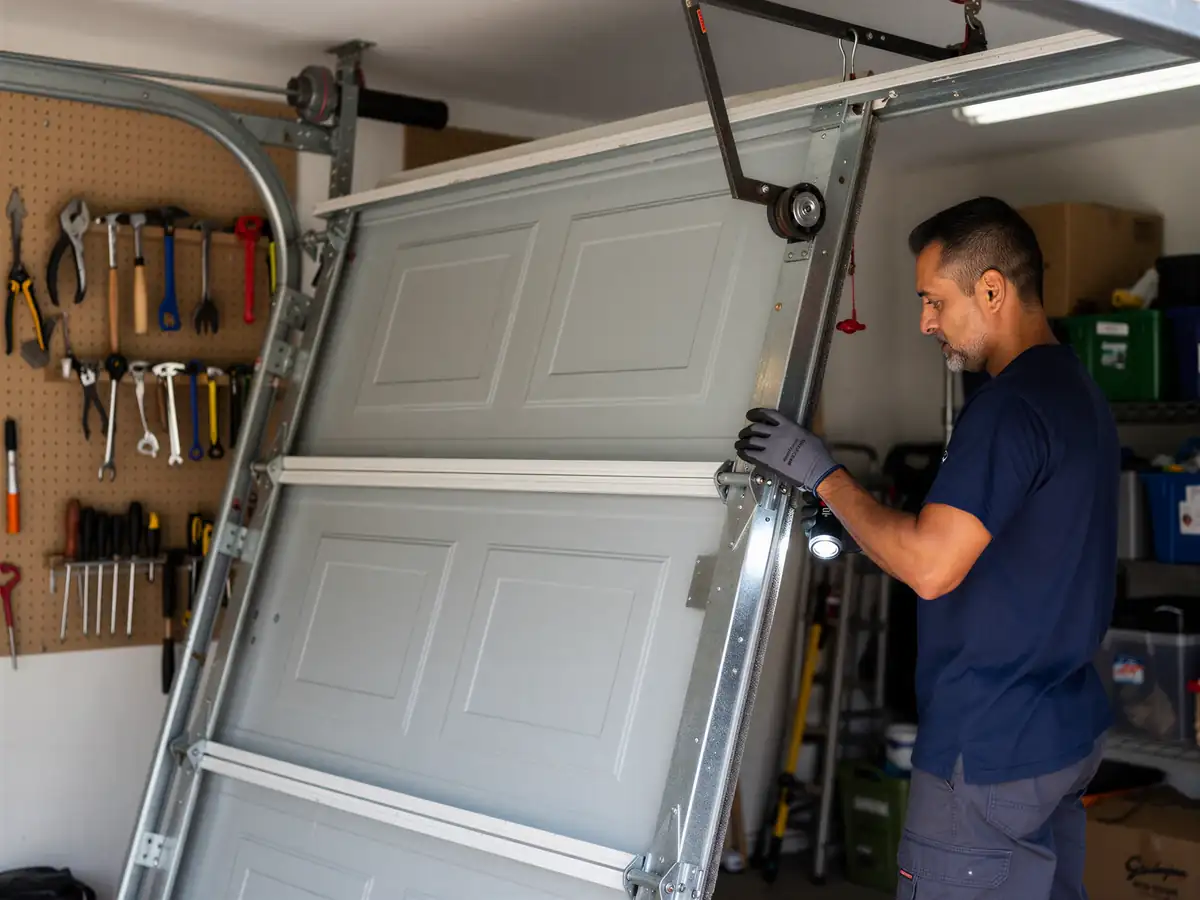
The real complication with older openings is squaring them up. A door that's been settling for three decades rarely has a perfectly plumb frame anymore, and an installer who doesn't check that before hanging a new door ends up fighting uneven gaps and a track that binds. We check it every time, which is one reason we won't promise a same-day turnaround on anything we haven't seen in person first. If your opening is badly out of square, we'll say so before we start - sometimes that's a bigger job than a door swap, and pretending otherwise just sets you up for a callback.