The Complications
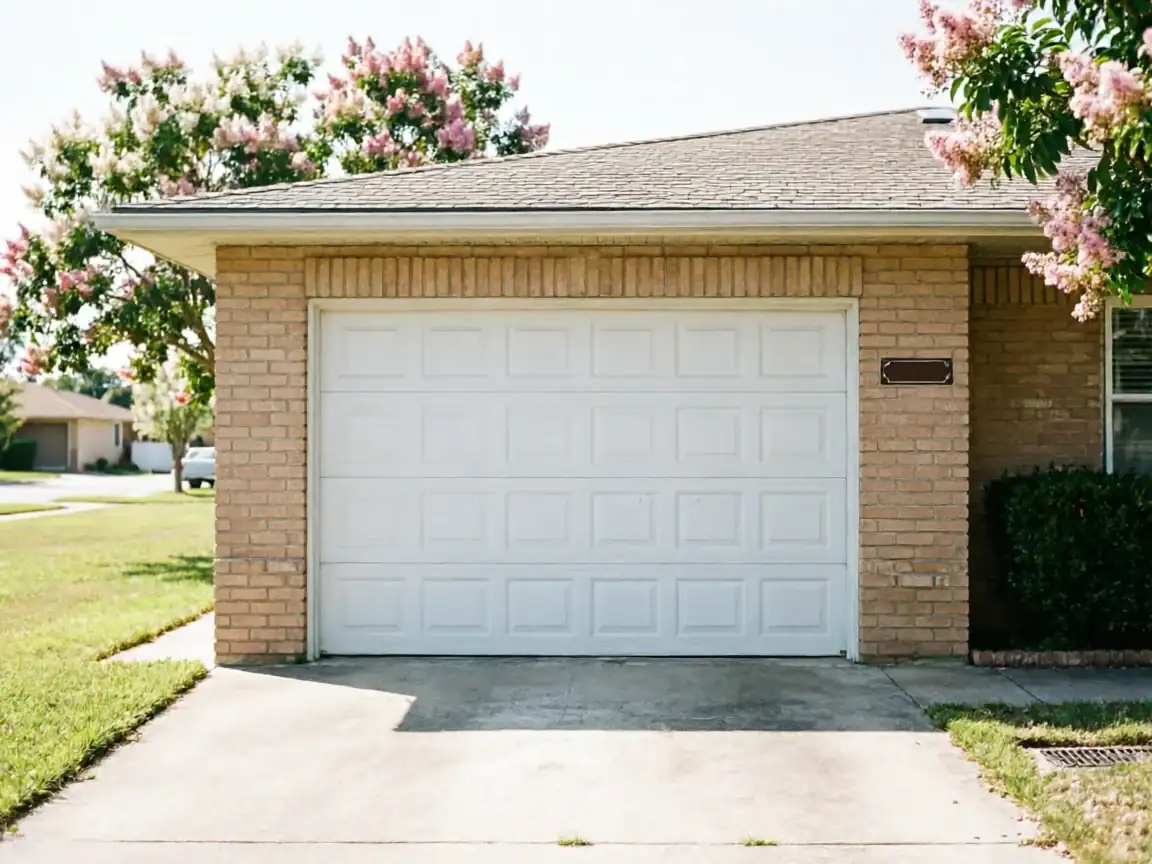
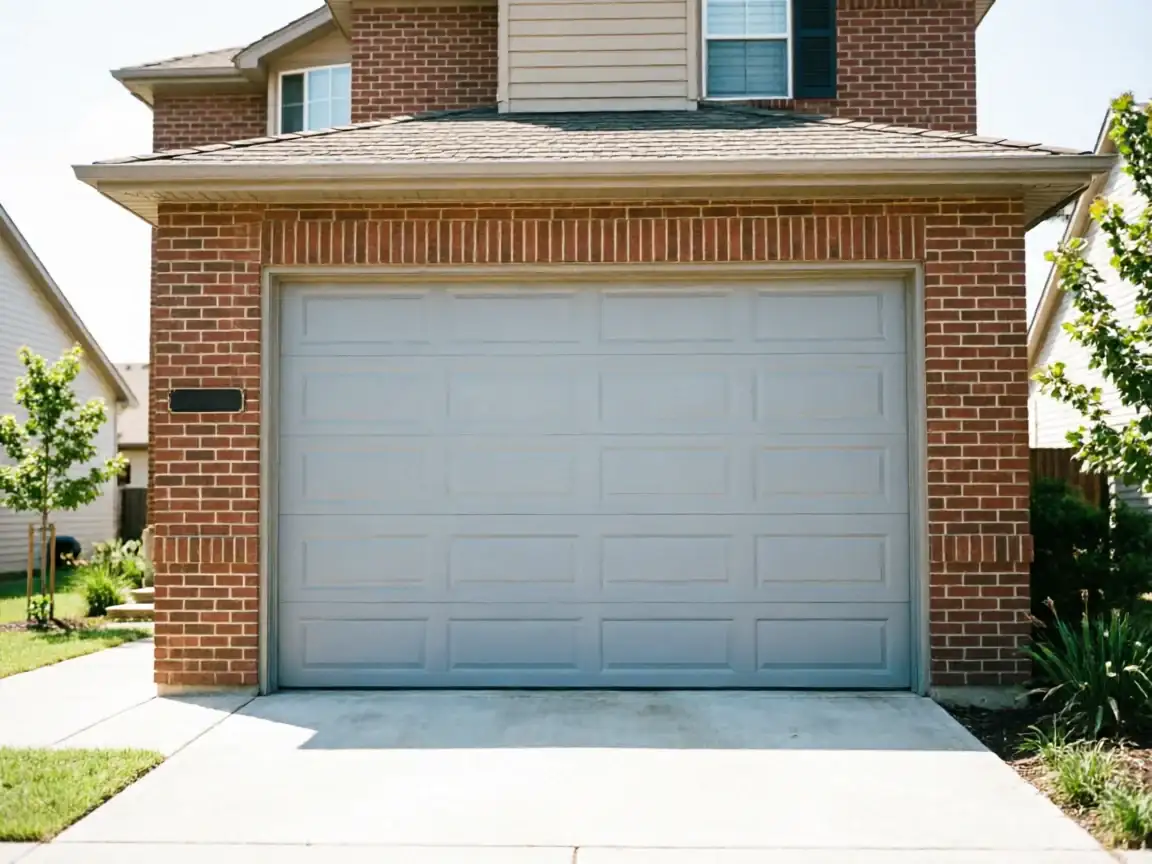
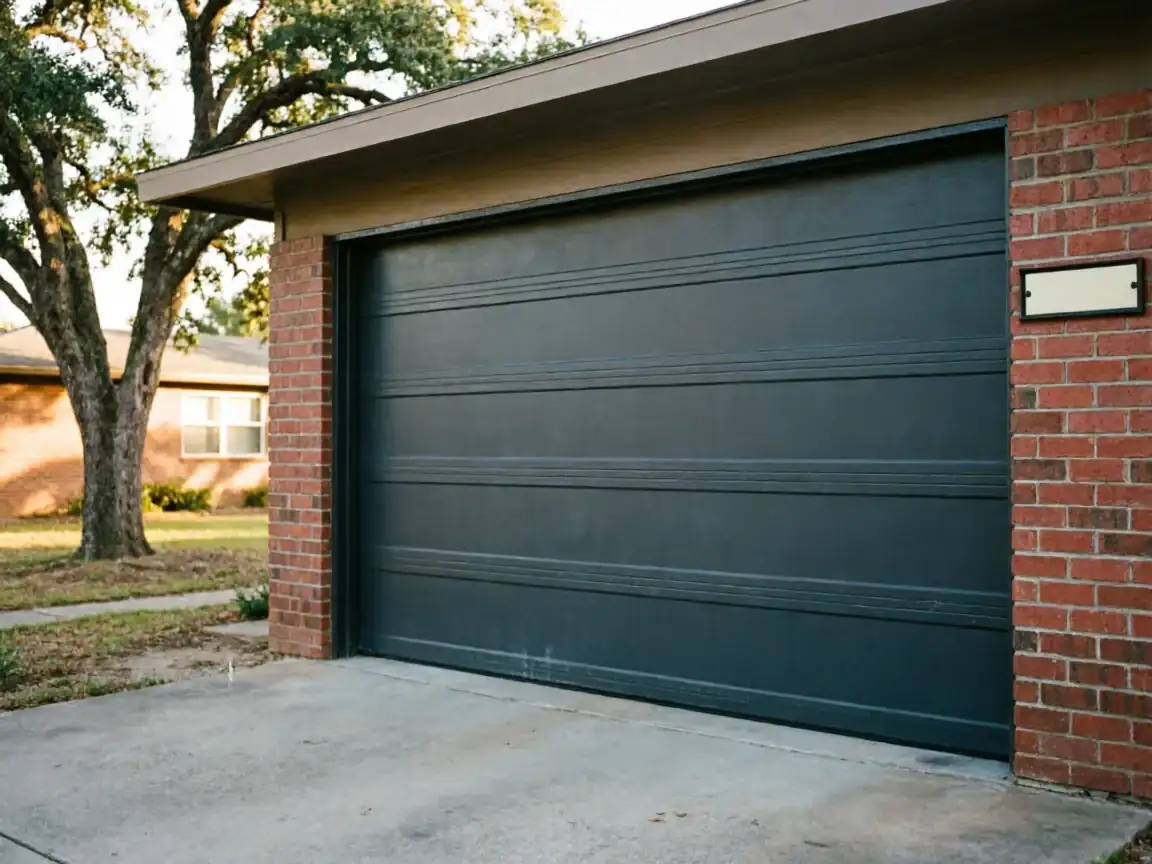
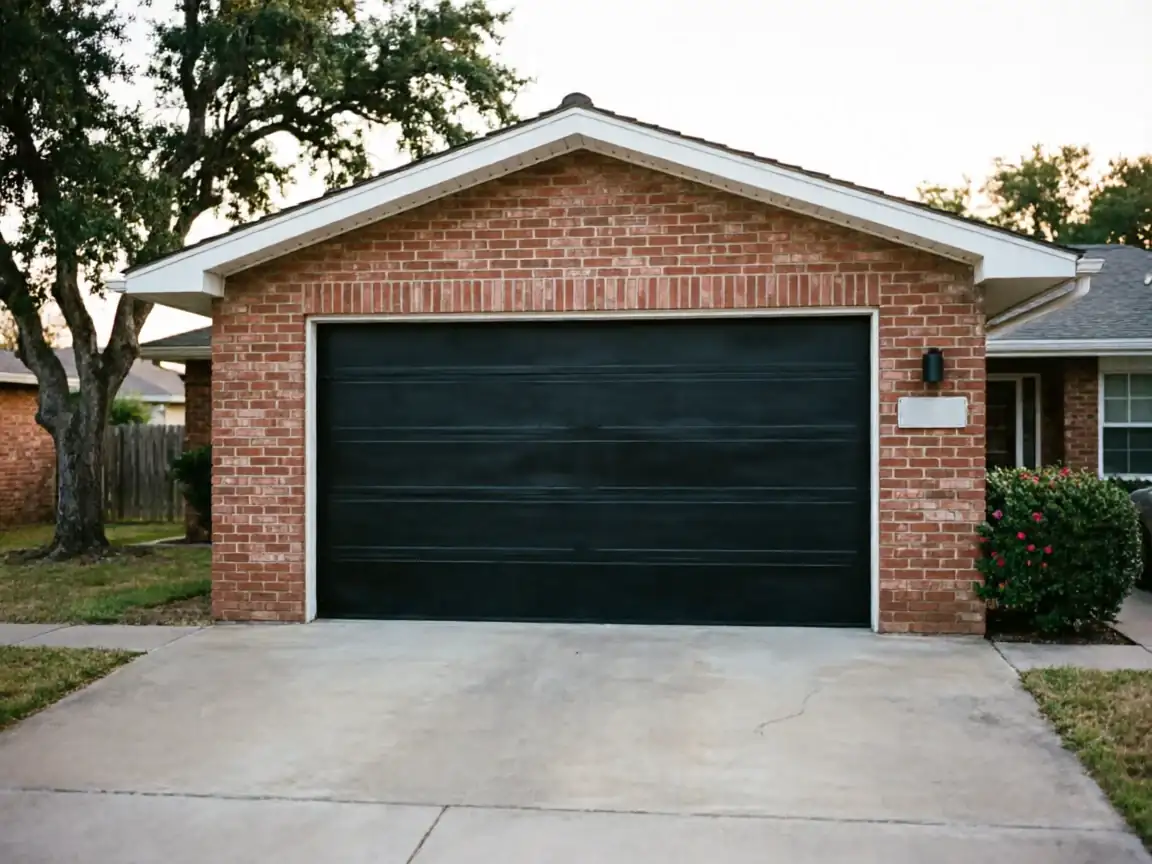
Most houses on a Saginaw street went up around 1999, which puts the original garage door at roughly a quarter century old. That's a steel sectional, usually a 16x7 double or a pair of single 9-footers, hung on galvanized track with a torsion spring sized for a builder-grade door that was never meant to be the last one on the house. Nothing wrong with that door in concept - it's the fatigue that catches up. Panels that age get soft at the bottom corners from two decades of weather cycling, and the rollers are the same ones from the day the house was framed.
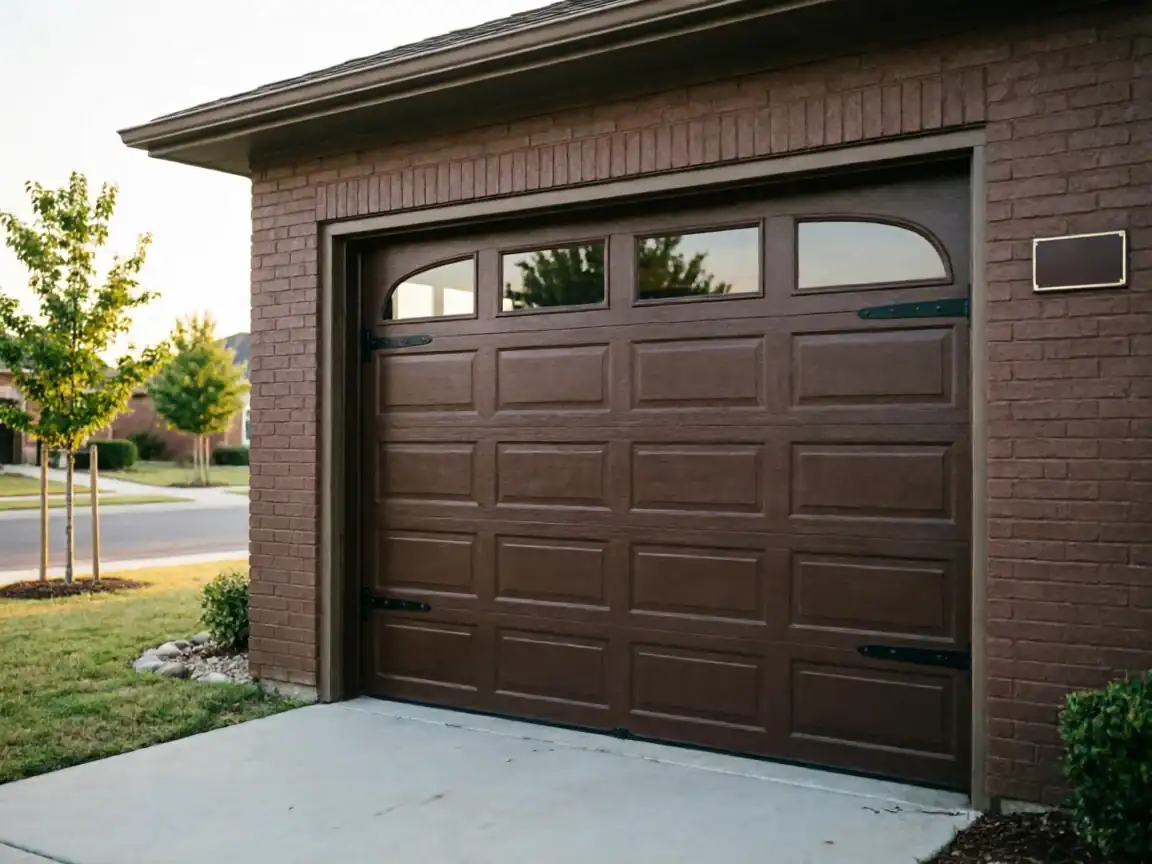
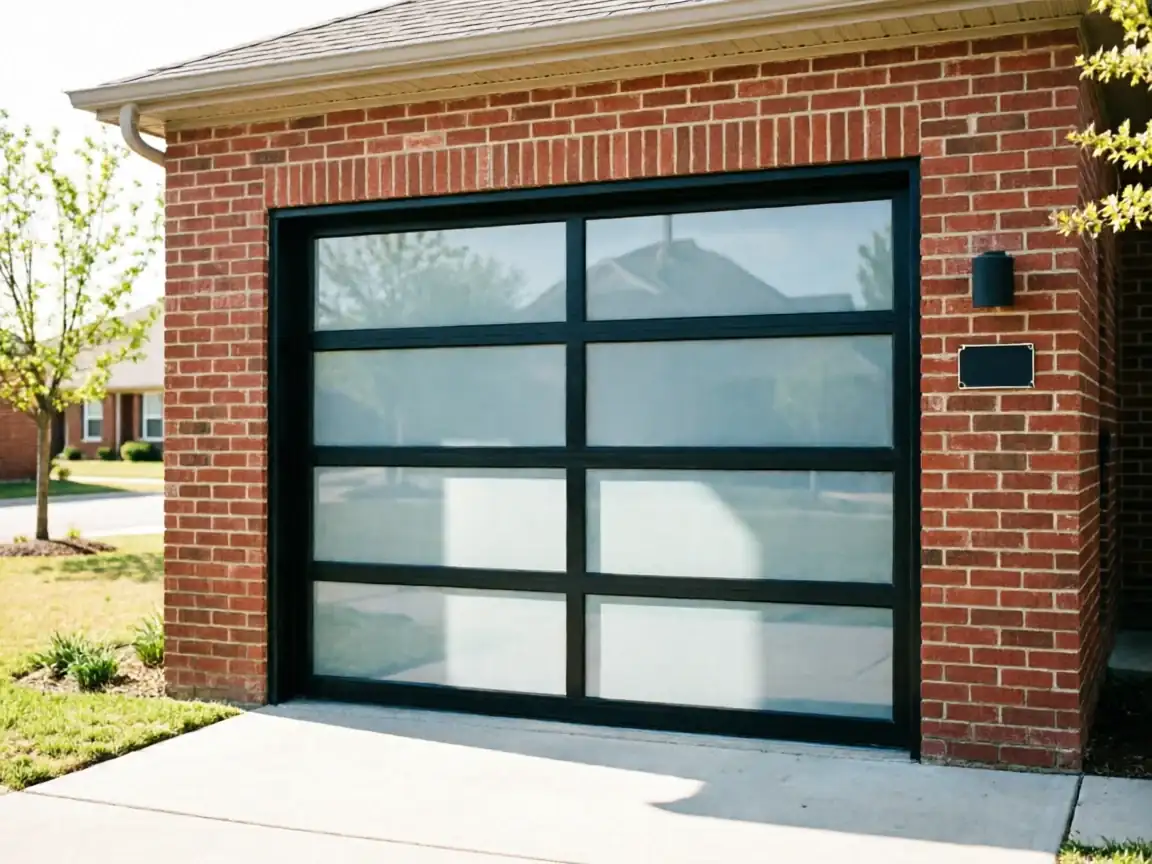
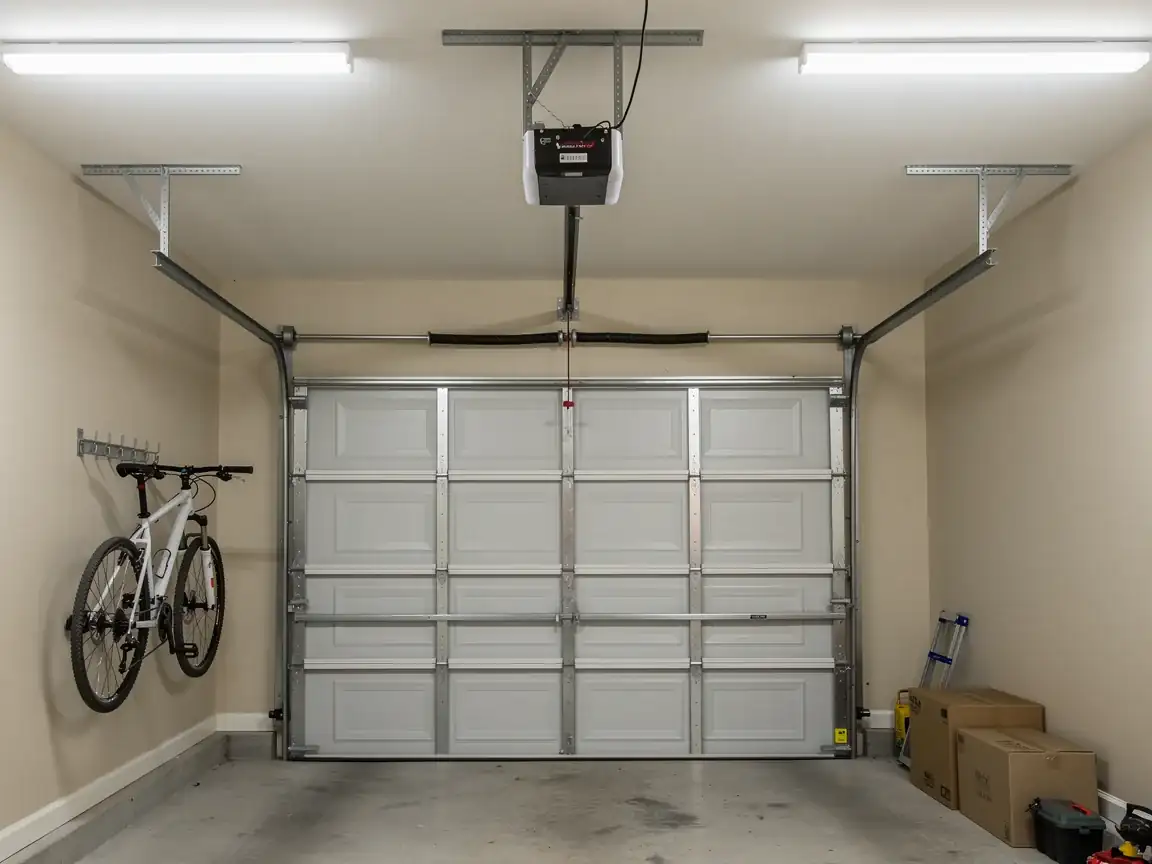
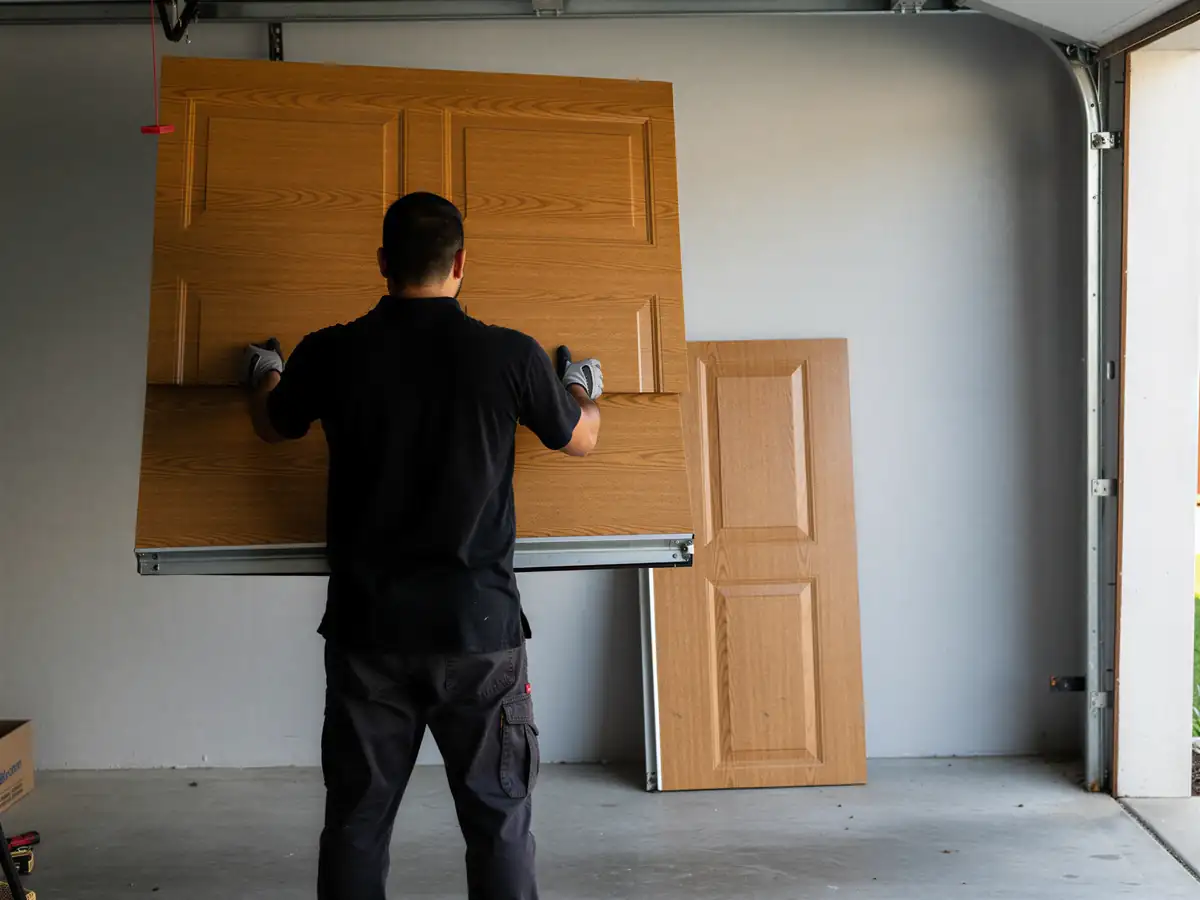
The complication isn't that the door failed. It's that swapping it for something heavier - insulated steel, more glass, a carriage-style overlay - usually means the original torsion spring and opener can't carry the new weight. A straight swap of door-for-door is simple. A door that's actually different from what's up there now means new springs, sometimes a new opener, and occasionally reinforcing the track mounts because 1999 framing wasn't braced for a heavier panel. We size that up on site, not over the phone, because every one of those late-90s builds in this area was framed a little differently depending on the crew.
What It Costs
I don't have a price list I can quote here - costs depend on door size, insulation, window options, and whether the opener and springs need to change with it, and none of that is a number I'll guess at. What I can tell you is what drives the cost for a house like the ones in Saginaw: median household income in this area runs near $98,003, and that tracks with what we see requested - mid-grade insulated steel doors rather than the cheapest builder option or the high end of custom wood. If you want an exact number, that's a site visit, not a page.
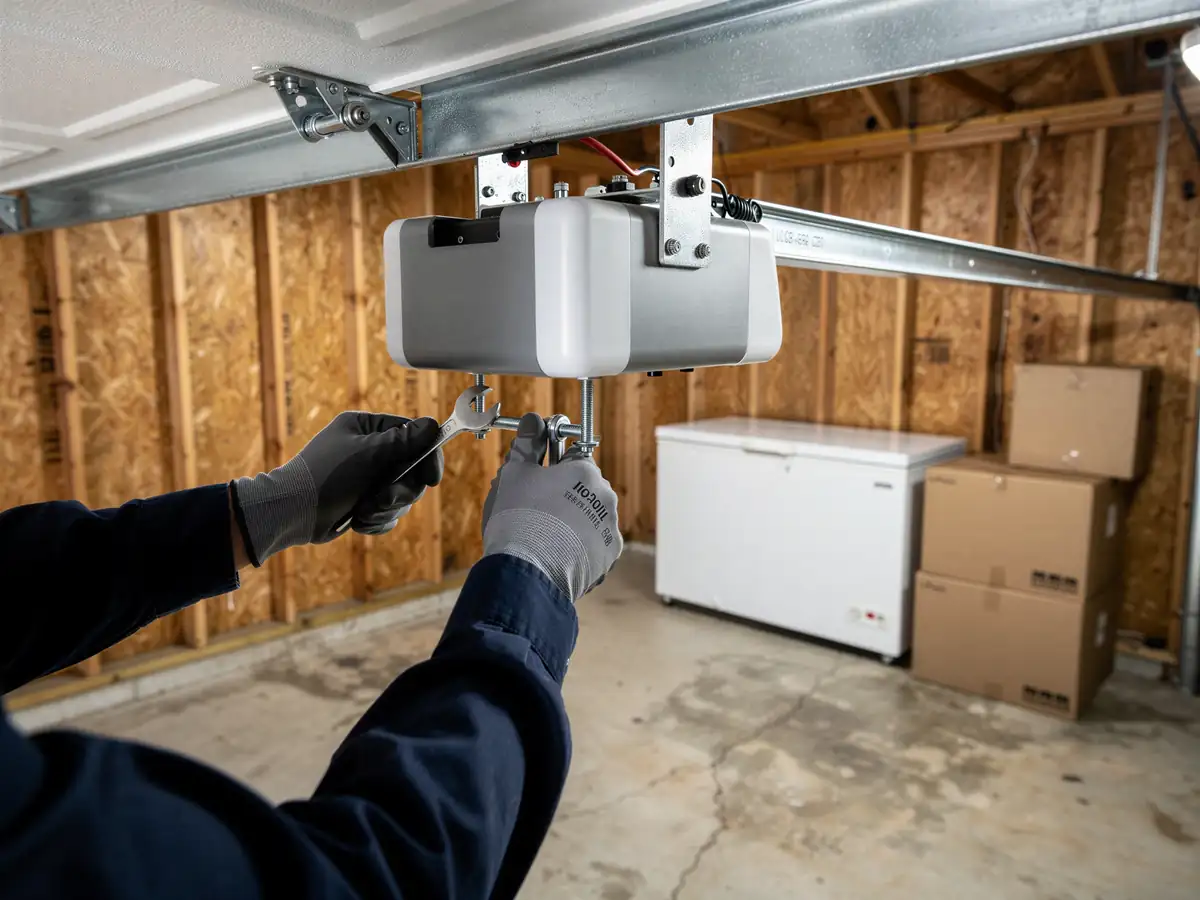
One honest note: if your opener is original to the house, replacing the door without touching the opener sometimes just moves the failure point. An old opener straining against a new, heavier door burns out faster than it would have paired with the lighter original. We'll flag that at the quote instead of letting you find out in six months.
Can You Do This Yourself
A garage door install is not a weekend project to learn on
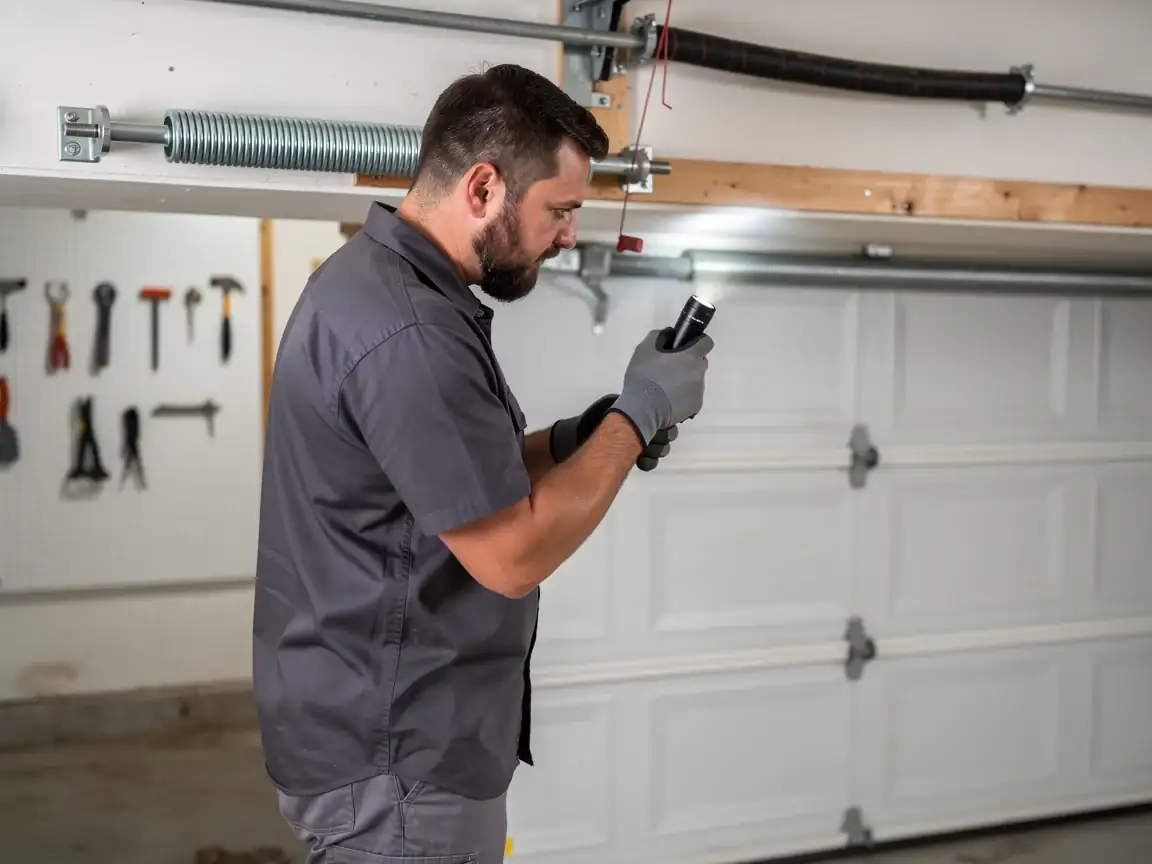
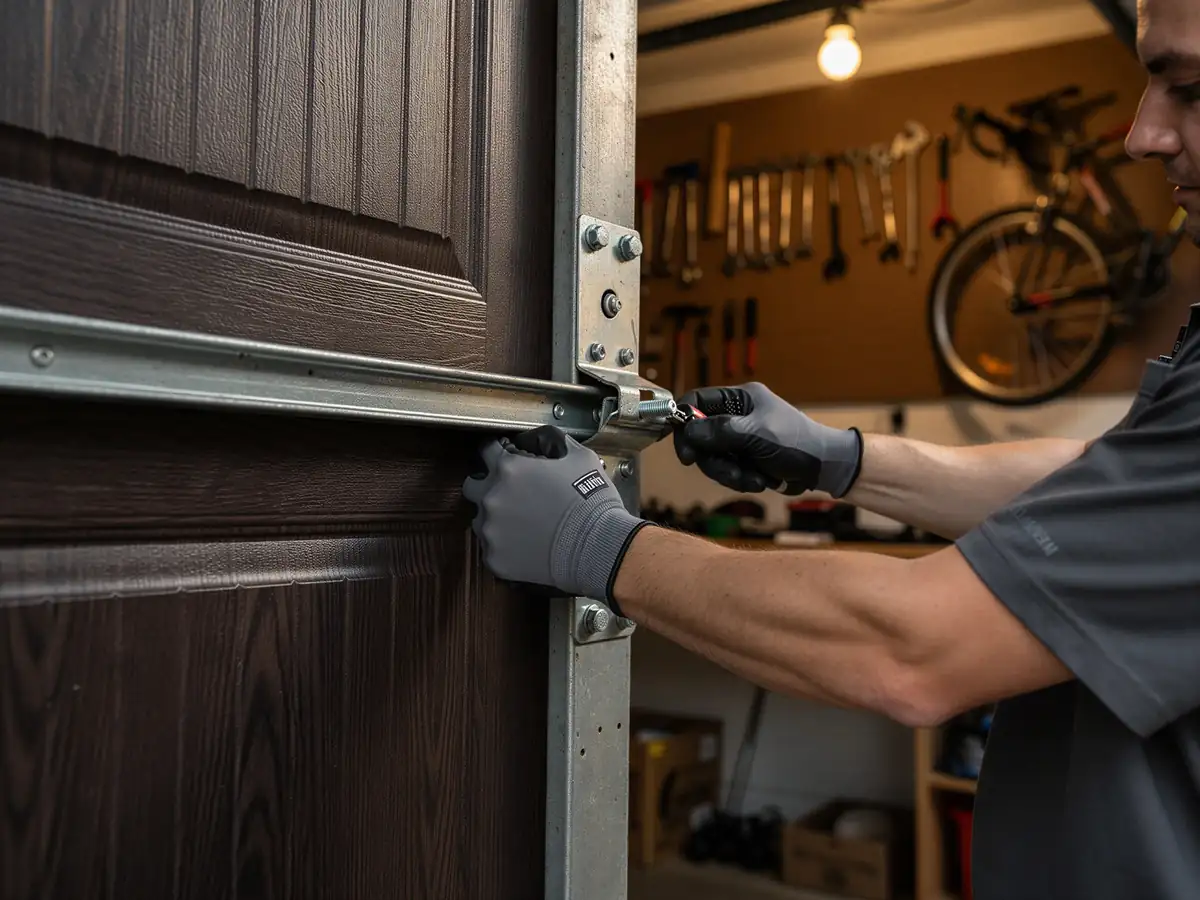
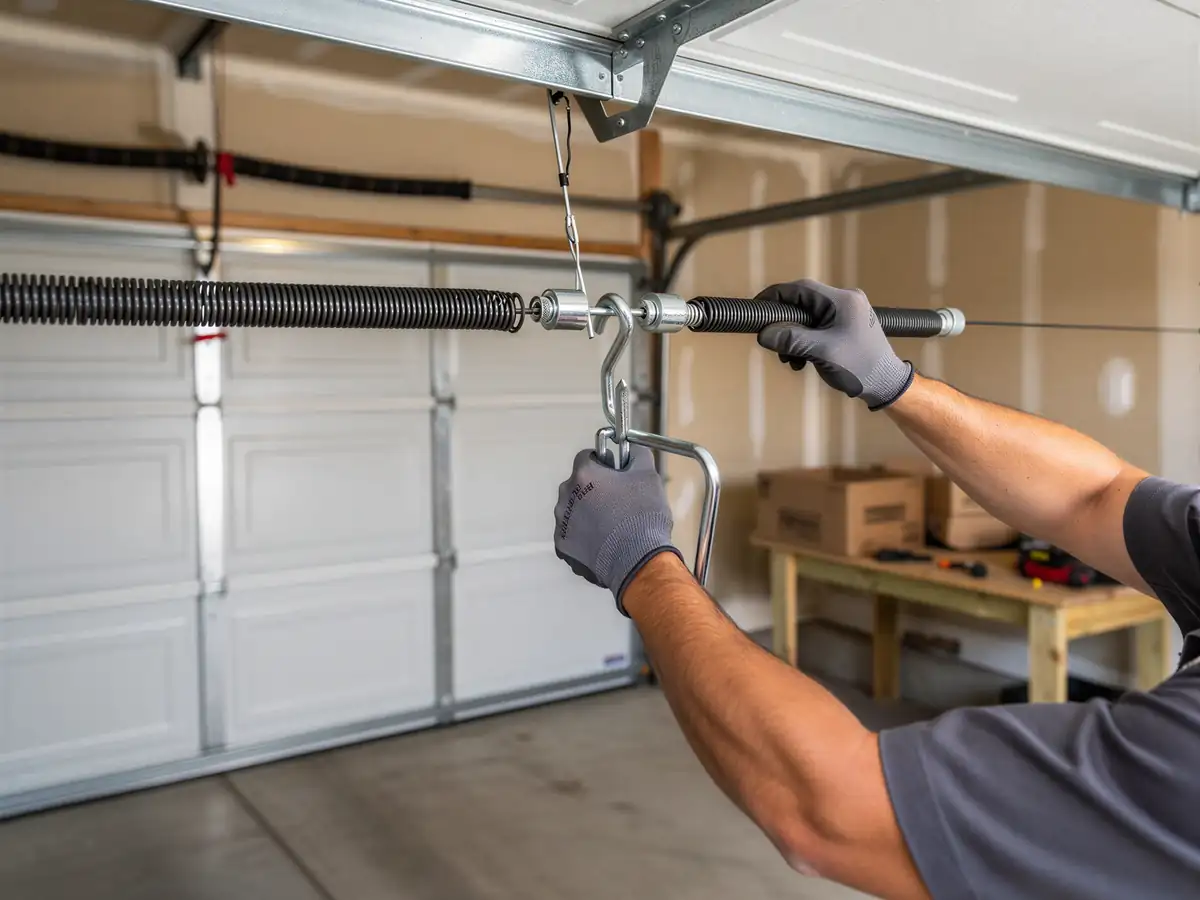
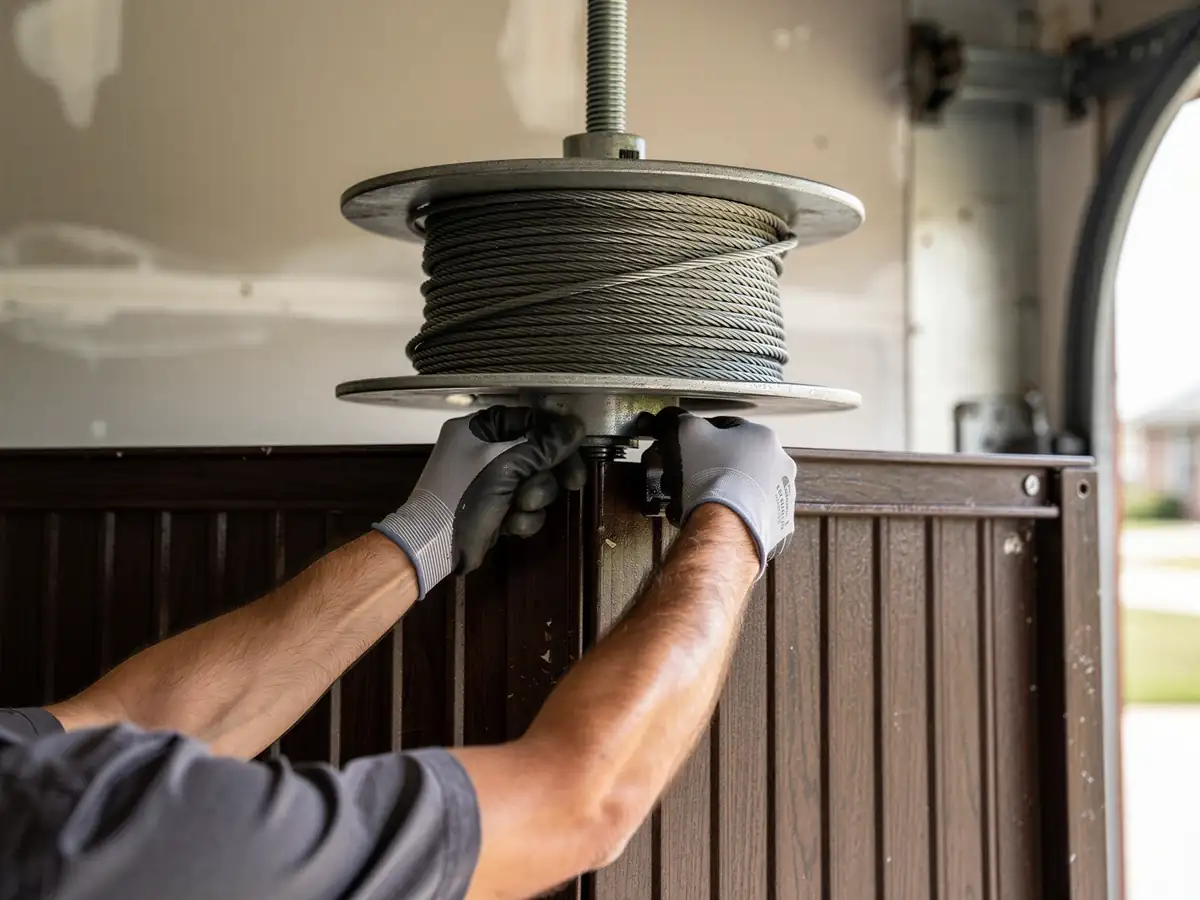
A torsion spring under tension can break fingers or worse, and on a late-90s house the spring sizing isn't always what the hardware store sells off the shelf - Saginaw's stock from that era used a mix of standard and heavier-duty torsion setups depending on the builder. Hanging the door itself is one thing; getting the spring tension, cable drums, and track alignment right on the first try, on a door that size, is where most DIY attempts turn into a second call to a pro anyway.
If you're handy and just want to replace weatherstripping, a broken roller, or hardware that isn't under spring tension
That's reasonable to do yourself. The door itself - the panel swap, the spring, the opener pairing - isn't where I'd tell a homeowner to save the labor cost.
How Long It Takes
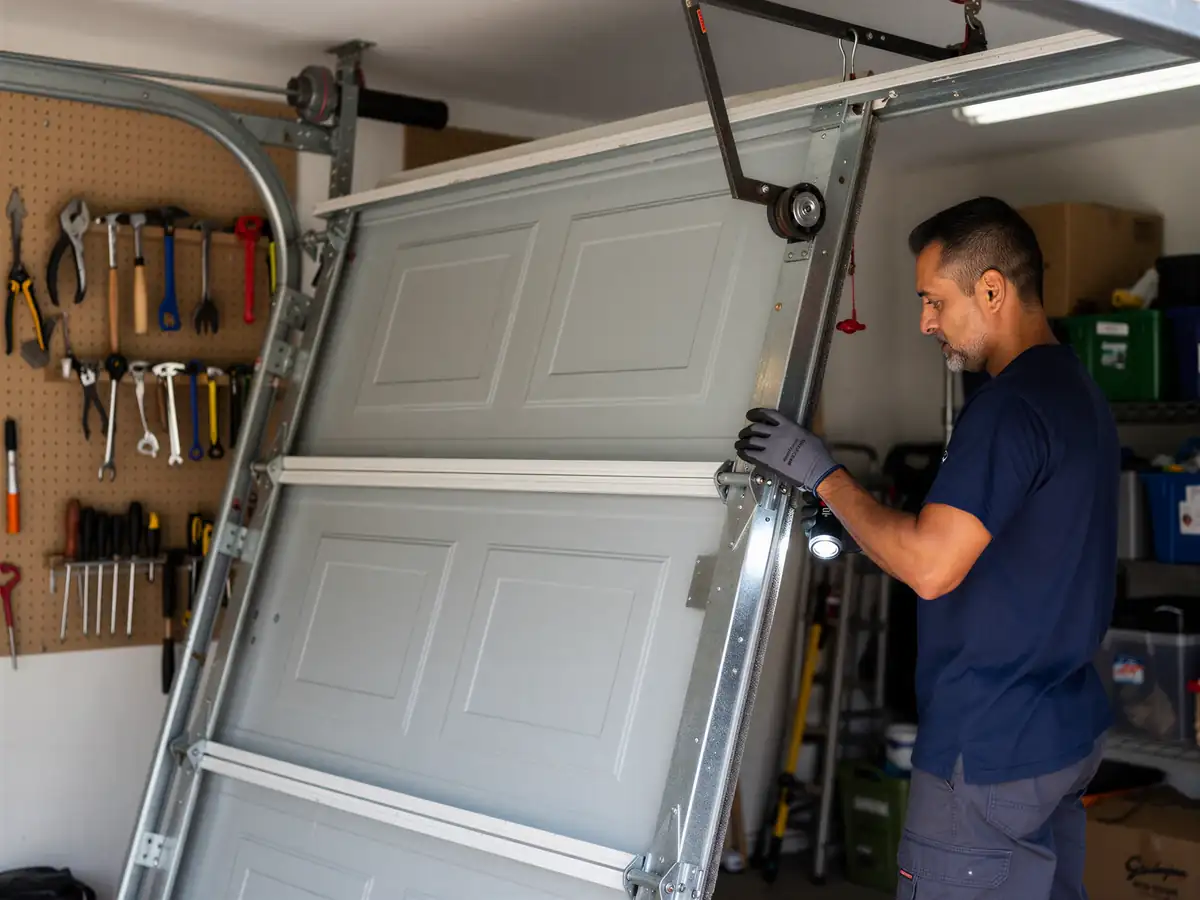
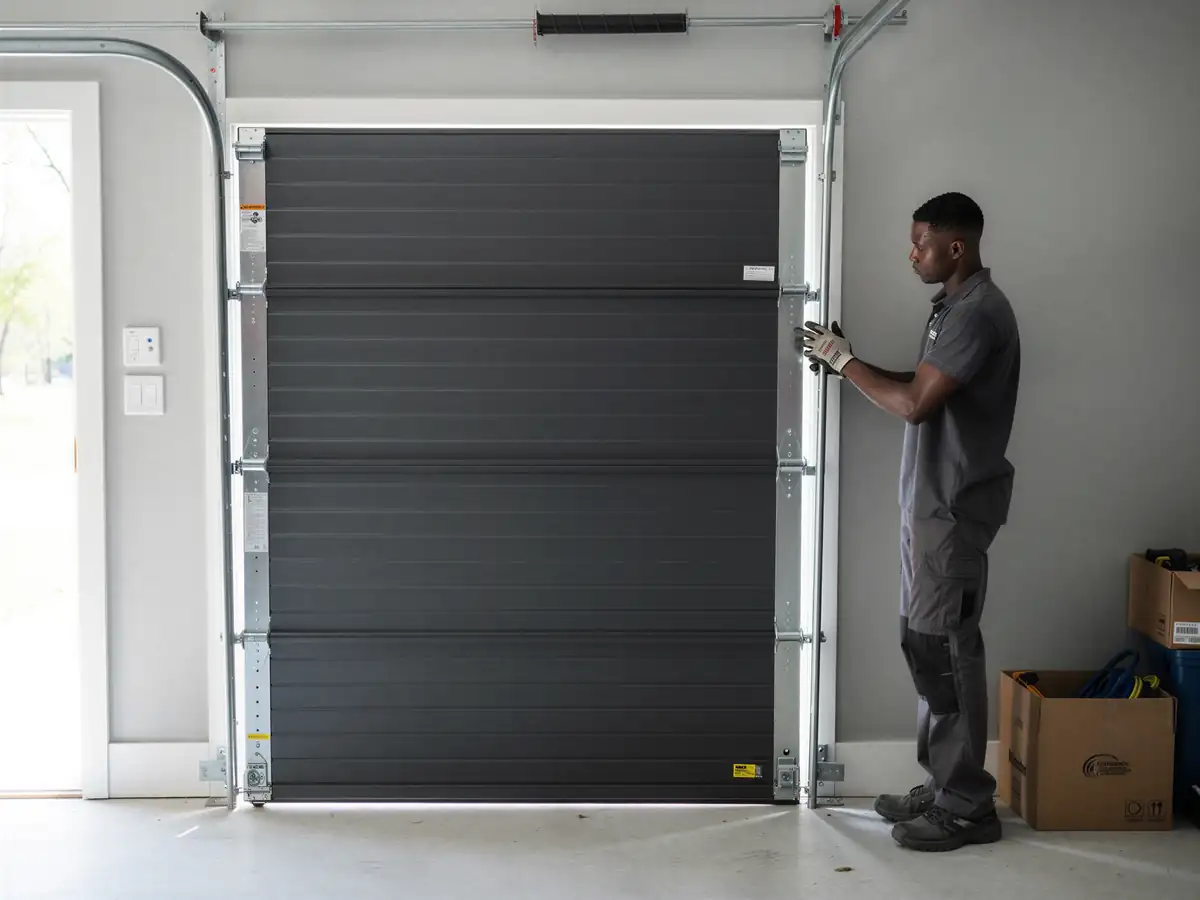
A straight door swap, same size opening, similar weight, is usually a half-day job once the door is on the truck. It runs longer if the opening needs adjustment, if the opener's getting replaced too, or if the existing track mounts from 1999 need to be reset for a heavier door - which, given how much of Saginaw's housing is from that same build window, comes up more often here than in a neighborhood with a mix of eras. We won't know which case yours is until we've looked at the opening in person.
Booking a Visit
We run out of Watauga, about 7 miles from Saginaw, so a visit here isn't a special trip - it's a normal stop on the route. We'll come look at the opening, the existing spring and track, and the opener before quoting anything, because a door that fits the picture online doesn't always fit the hardware that's already on your house. See the Saginaw area page for what else we cover nearby, or check the Watauga installation page if you're comparing what the base service includes.