What It Costs
Lantana sits 17 miles out from our shop in Watauga, which is the first thing worth saying plainly: a panel job here means a longer drive than most of our calls, and that shapes how we quote and schedule it. We don't carry a satellite stock of panels out this way, so pricing on a Lantana job depends heavily on finding the exact match for your door - and that's a bigger variable here than in older neighborhoods.
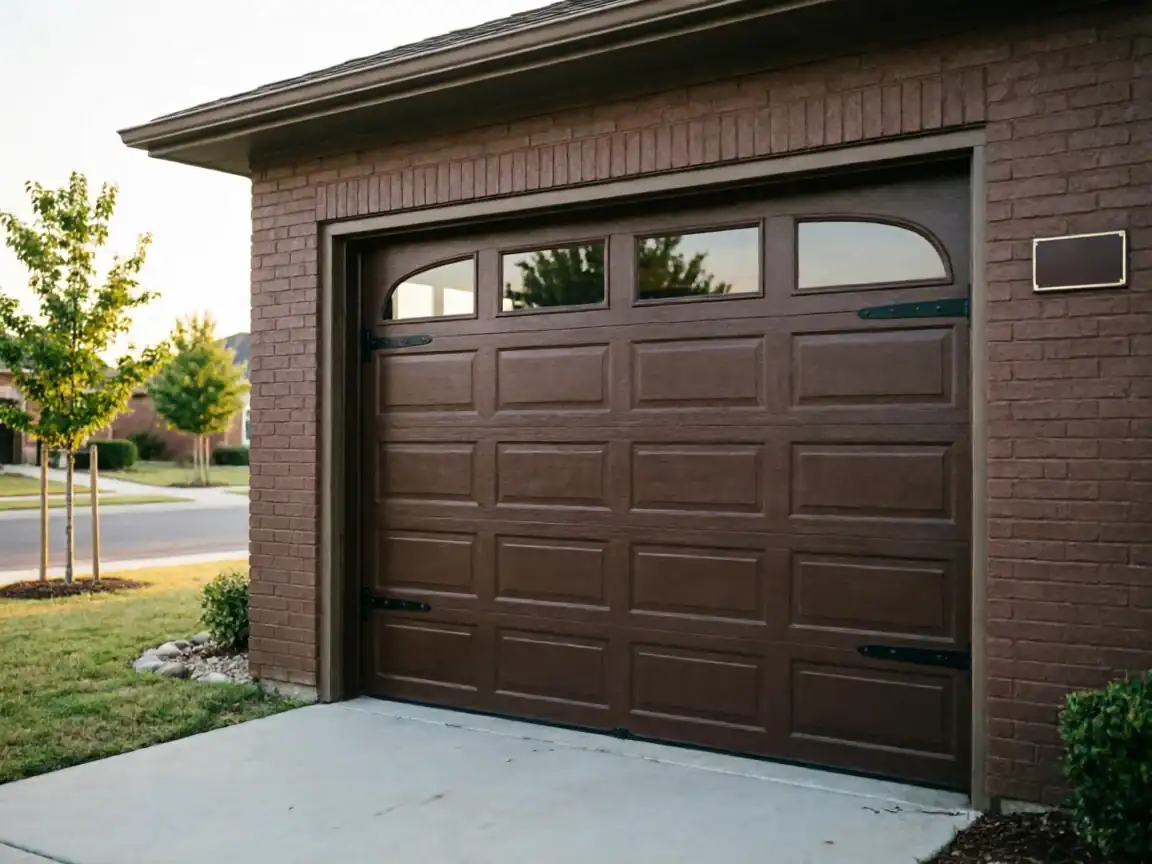
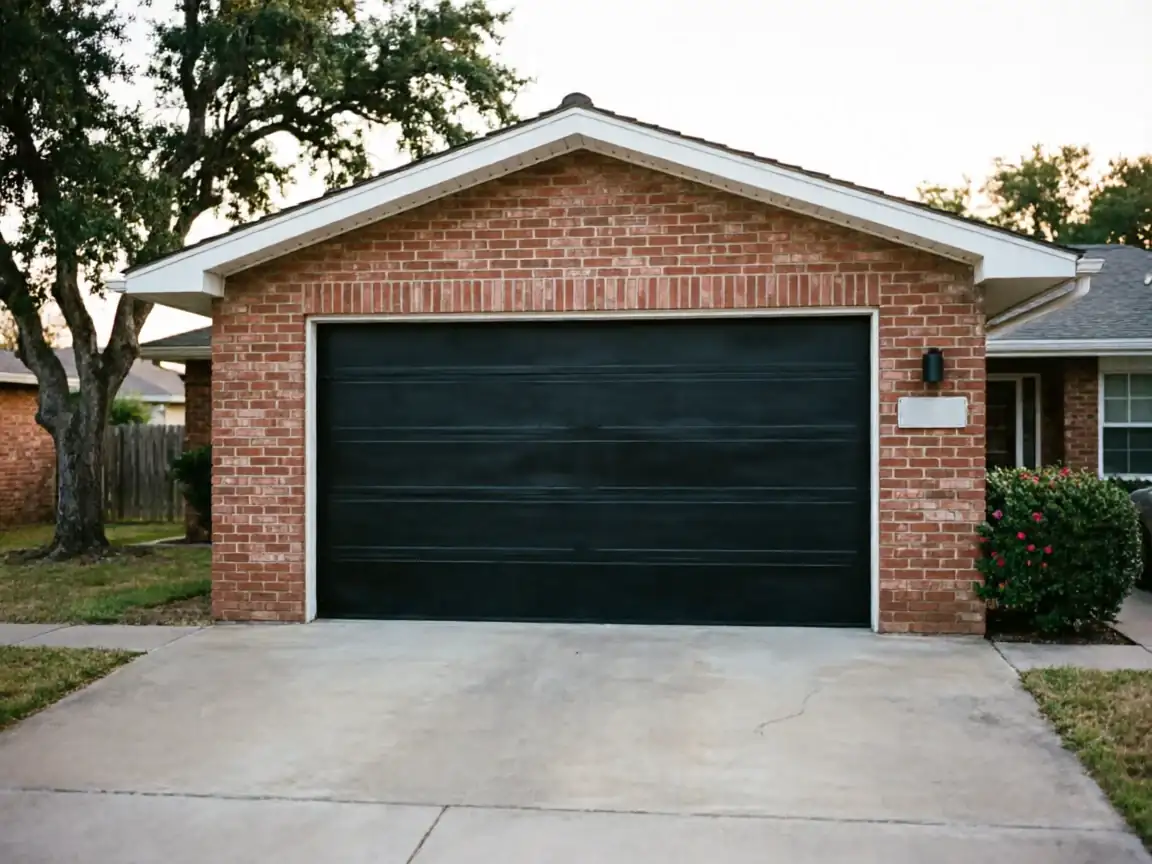
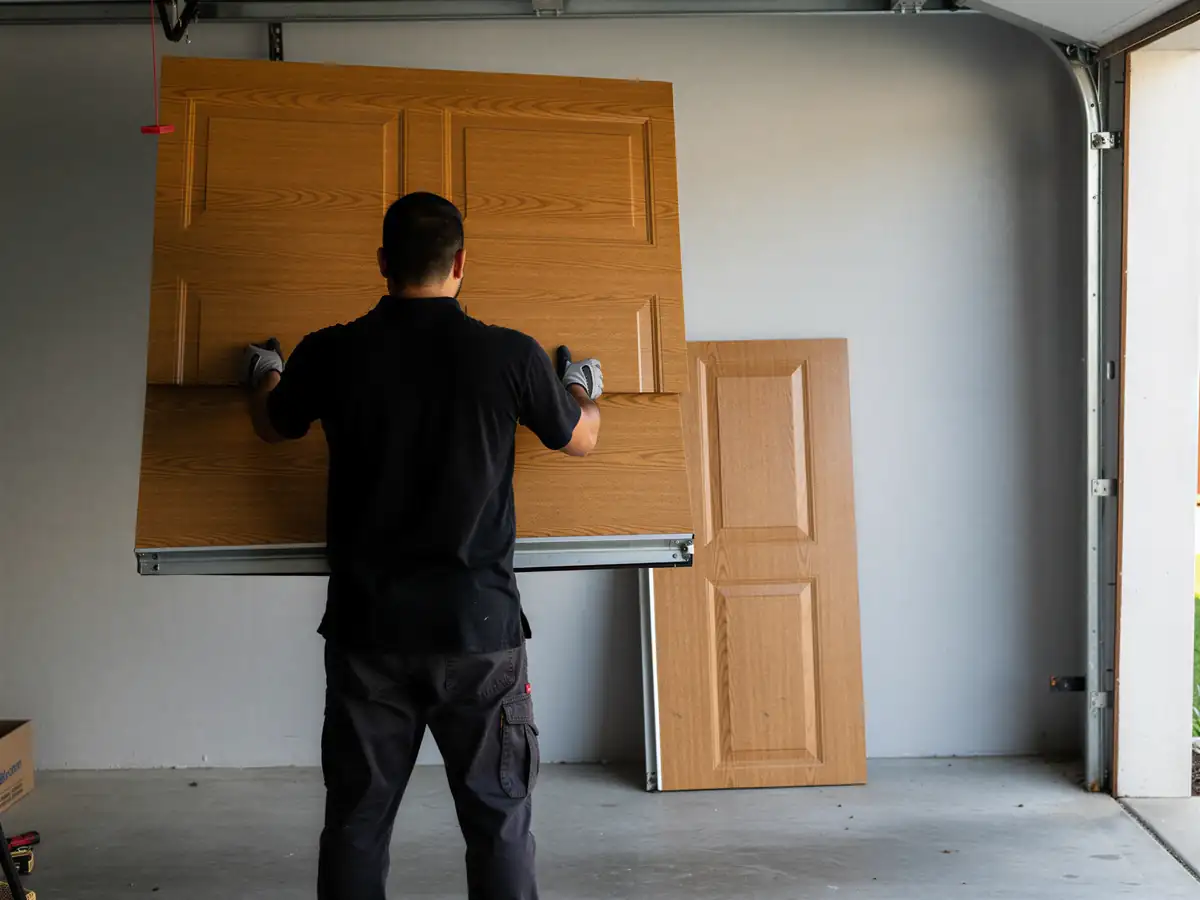
Median household income in Lantana runs well above the service area average, and the homes tend to carry heavier-built doors to match - insulated steel sandwich panels, sometimes with factory woodgrain or carriage-style overlays rather than the plain flat steel you see on 1980s stock elsewhere. Those panels cost more to source and sometimes have to come from a specific manufacturer run, which affects the number before labor ever enters it. We quote after we've confirmed the panel is actually available, not before, because guessing on a door we haven't seen does nobody any favors.
We don't publish a flat panel price because insulated, overlay, and carriage-style panels vary too much door to door to make a single number honest.
Booking a Visit
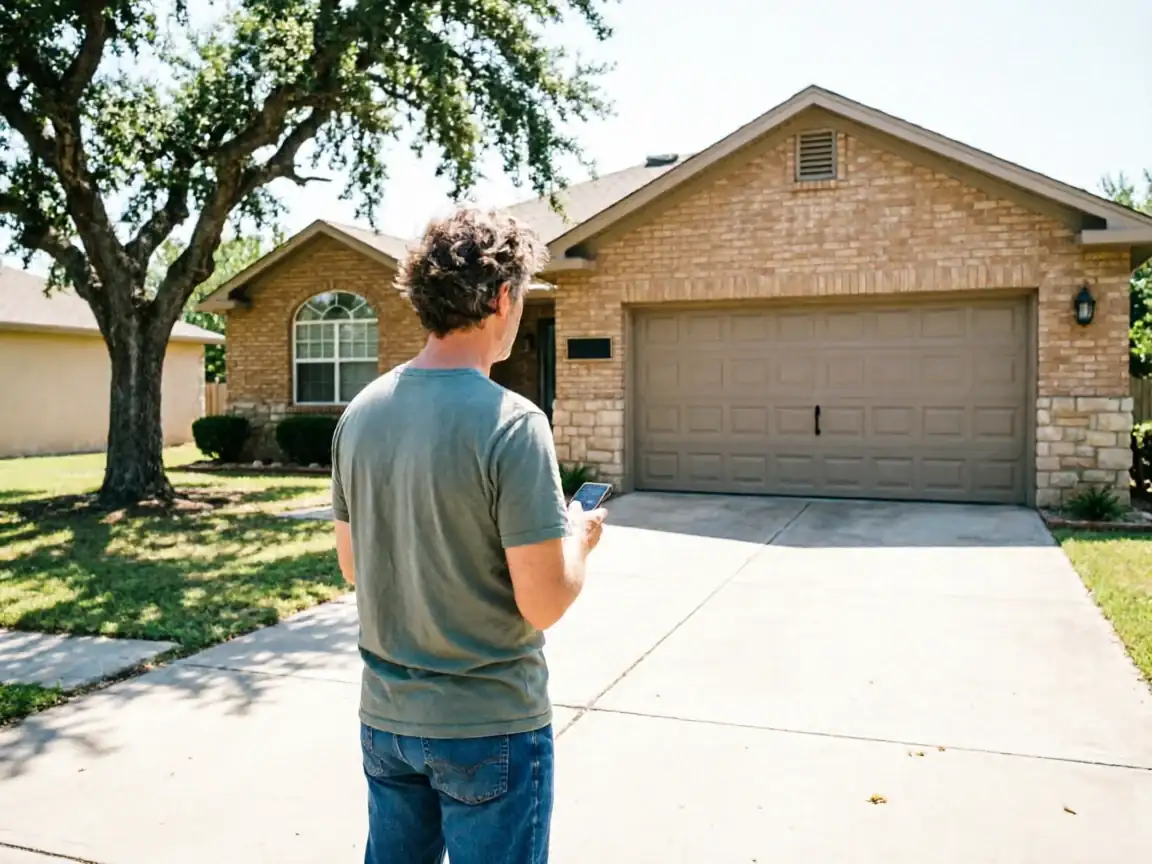
Because the drive out to Lantana is longer than our average call, we ask you to have the door's brand or model sticker ready when you reach out, if you can find it - it's usually on the inside edge of a panel or near the opener bracket. That one piece of information can save a wasted first trip, since it lets us start checking panel availability before a truck is on the road.
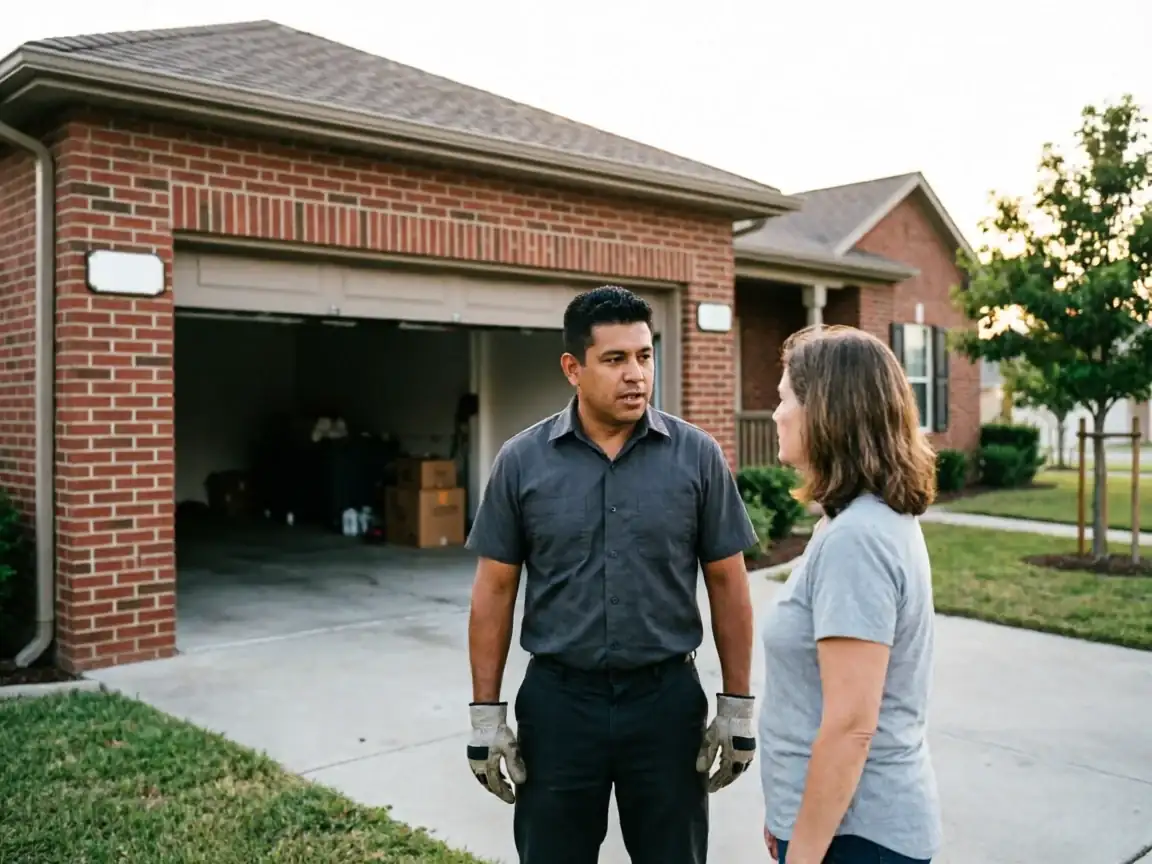
We travel to Lantana from Watauga for scheduled panel work; this isn't a neighborhood we're already driving through on other calls, so visits here tend to get grouped onto a set day rather than slotted same-morning. If timing matters to you, say so when you call and we'll tell you honestly what the current lead time looks like.
We'll also ask what year the house was built, since Lantana's housing stock is recent enough - much of it going up after 2007 - that panel sourcing usually points toward current or recent manufacturer lines rather than discontinued ones. That's good news for availability, even with the extra miles on the job.
Why It Happens Here
Lantana's housing is some of the newest in the area we cover
With a median build year around 2007. That changes what actually fails on these doors compared to older suburbs closer to Watauga. You're not dealing with forty-year-old steel that's rusted through at the bottom panel seam - you're dealing with doors still inside their expected service life, where panel damage is almost always physical: a trailer hitch backed in too far, a basketball hoop mount gone wrong, hail dents on the upper panels, or a track misalignment that's bent a panel edge against the jamb.
The insulated, foam-core panels common on newer builds here also behave differently when struck than older solid steel
They can look fine on the outer skin while the foam core has separated or crushed behind it, which shows up later as a panel that won't sit flush or seals poorly against weather. On a 2007-era door, that's usually a panel problem, not a hardware problem - the springs and openers underneath are often still original and fine.
It's less often a hardware-age issue and more often an impact or alignment issue
Which is a different repair conversation than we'd have on an older street.
Can You Do This Yourself
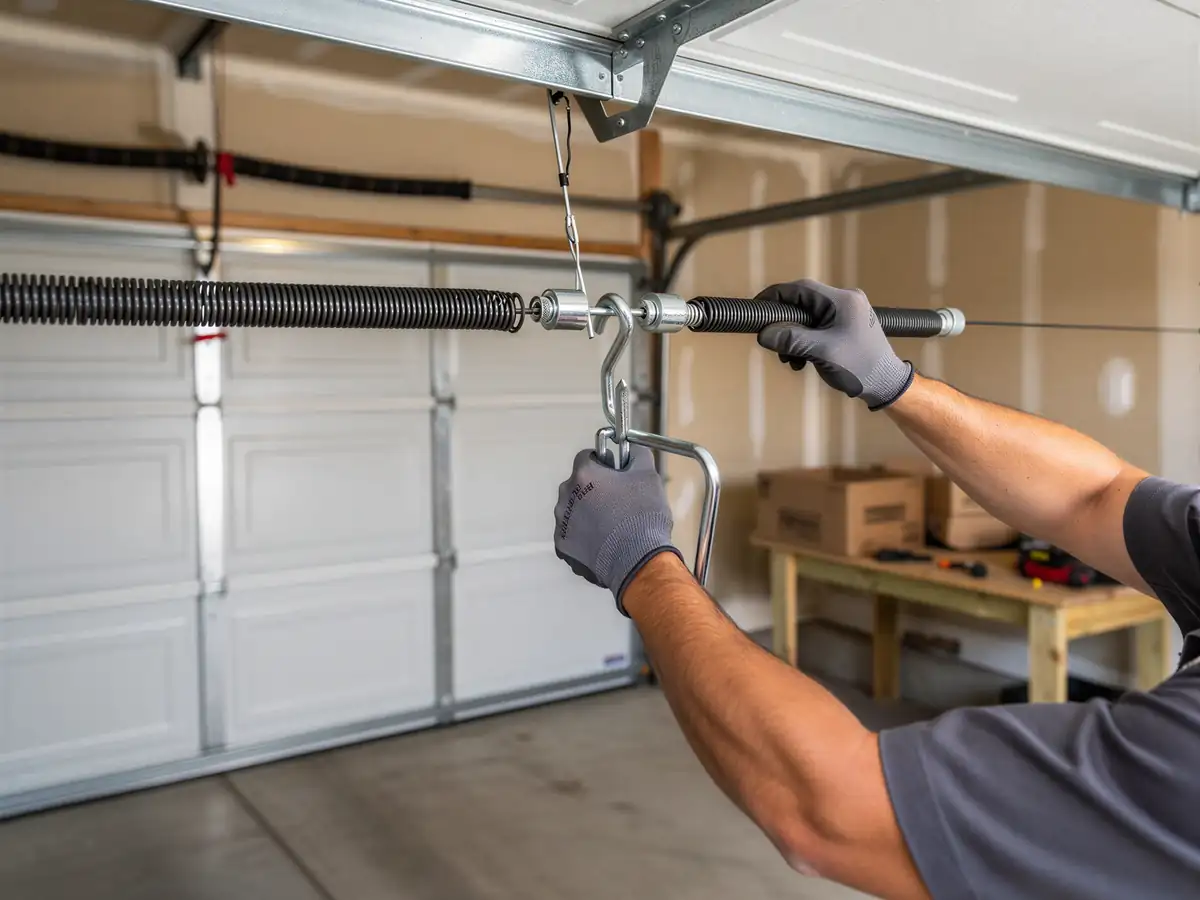
Swapping a single panel section is within reach for someone comfortable with hand tools, provided the door is disconnected from the opener and properly secured on its tracks before you start pulling hardware - that part isn't optional, and it's where most DIY panel jobs go wrong. If your door uses a torsion spring system, which is standard on most doors we see out this way, do not touch the spring itself. That's not a panel task and it's the one part of this job that puts people in the ER.
The harder part for Lantana specifically is matching the panel. With insulated or carriage-style doors, an off-match panel is obvious from the street - different sheen, different seam depth, sometimes a visibly different color under afternoon sun. If your door is still under a manufacturer warranty, a mismatched replacement panel installed by someone other than an authorized source can also void coverage on the rest of the door. That's worth checking before you order a panel online and have it shipped to the house.
We're honest that a single clean panel swap on a newer insulated door isn't always a four-hour project for a first-timer - getting the seal and alignment right can take longer than people expect.
The Complications
The main complication on a Lantana panel job is sourcing, not labor. Insulated and carriage-style panels are often sold as part of a specific manufacturer series, and series change or get discontinued within a few years. A door built in 2008 might need a panel from a line the manufacturer no longer makes, which means special order, a longer wait, or in some cases accepting a close-but-not-identical match.
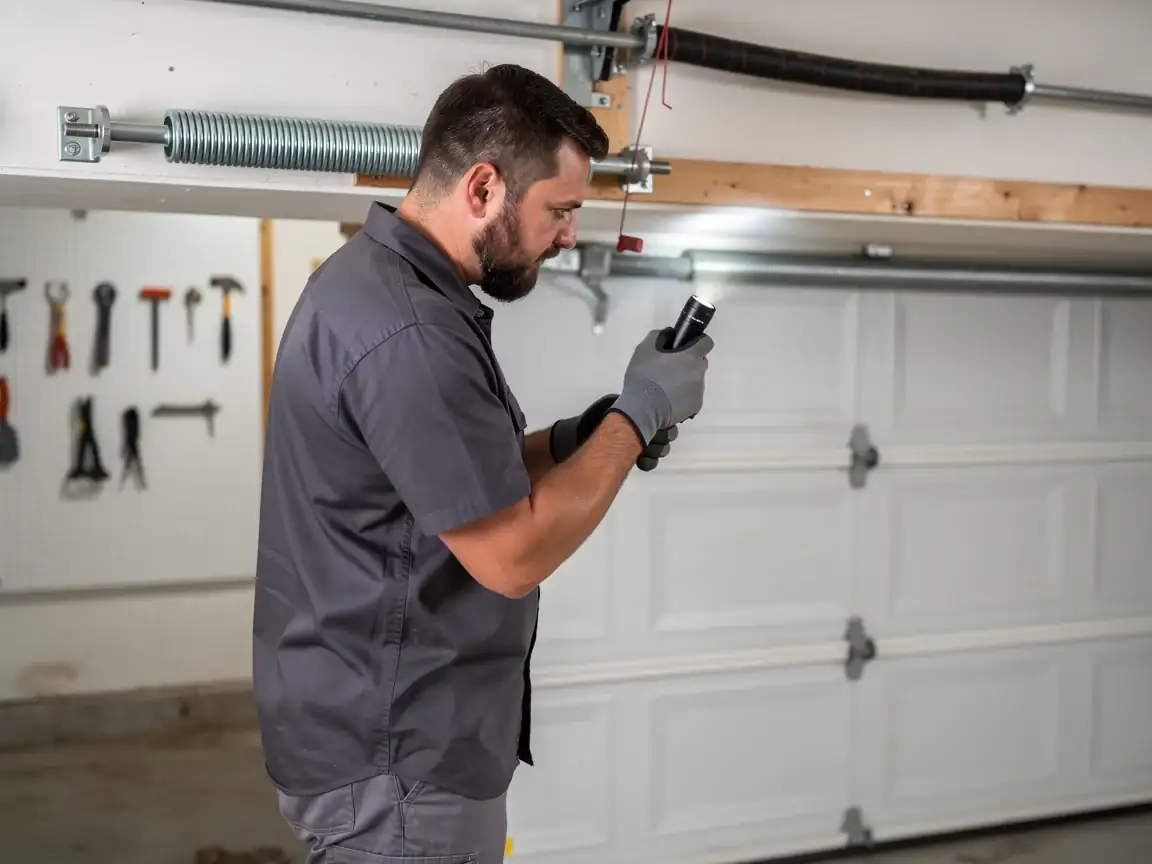
The second complication is the one you can't see: foam-core separation. On these insulated doors, an impact can crack the foam bond inside the panel without visibly damaging the steel skin. If we only replace the dented face panel and the section above or below it has the same hidden damage from the same impact, you're back to a service call sooner than you'd like. We check adjacent panels for this before quoting, not after.
The honest limitation: if your exact panel series is discontinued and no close match exists, full door replacement sometimes ends up cheaper and faster than chasing a part that doesn't exist anymore. We'll tell you that directly if it's the case rather than stringing out a search.
What the Repair Takes
Once we've confirmed the panel and have it in hand, the physical swap is a controlled job
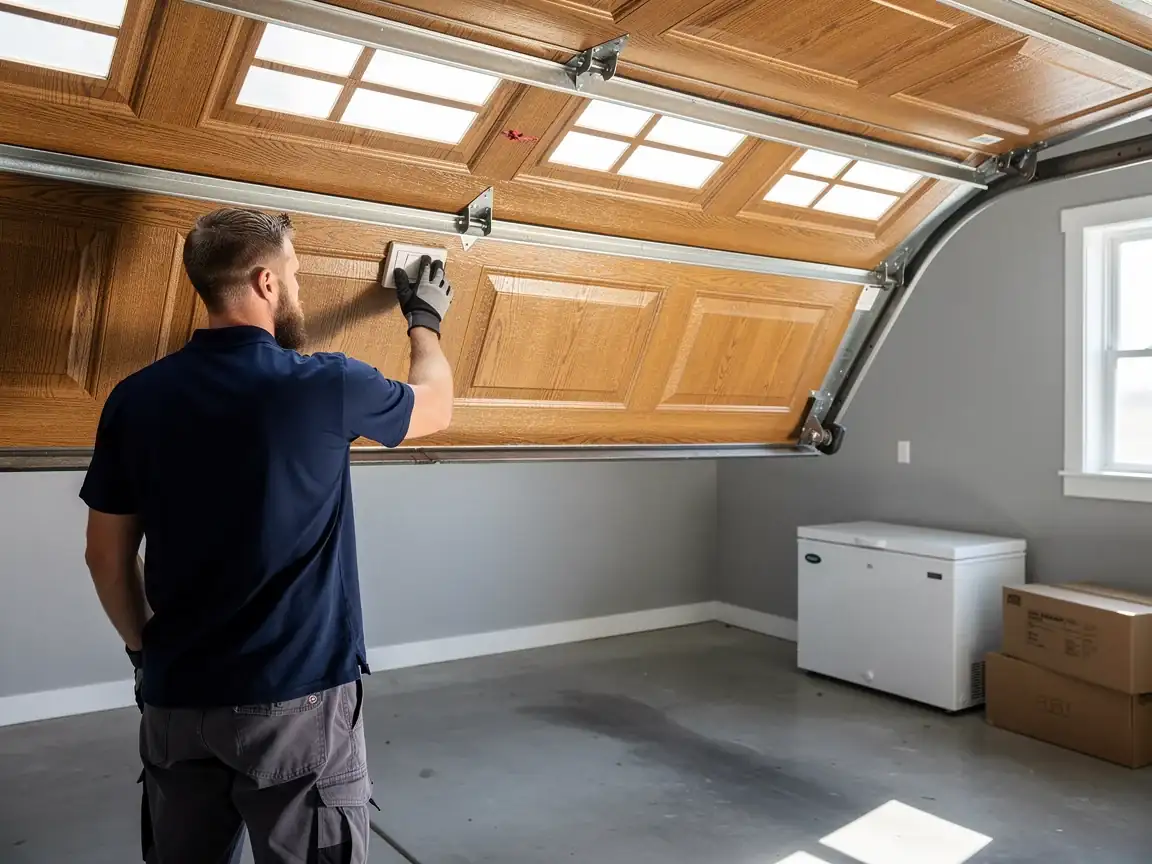
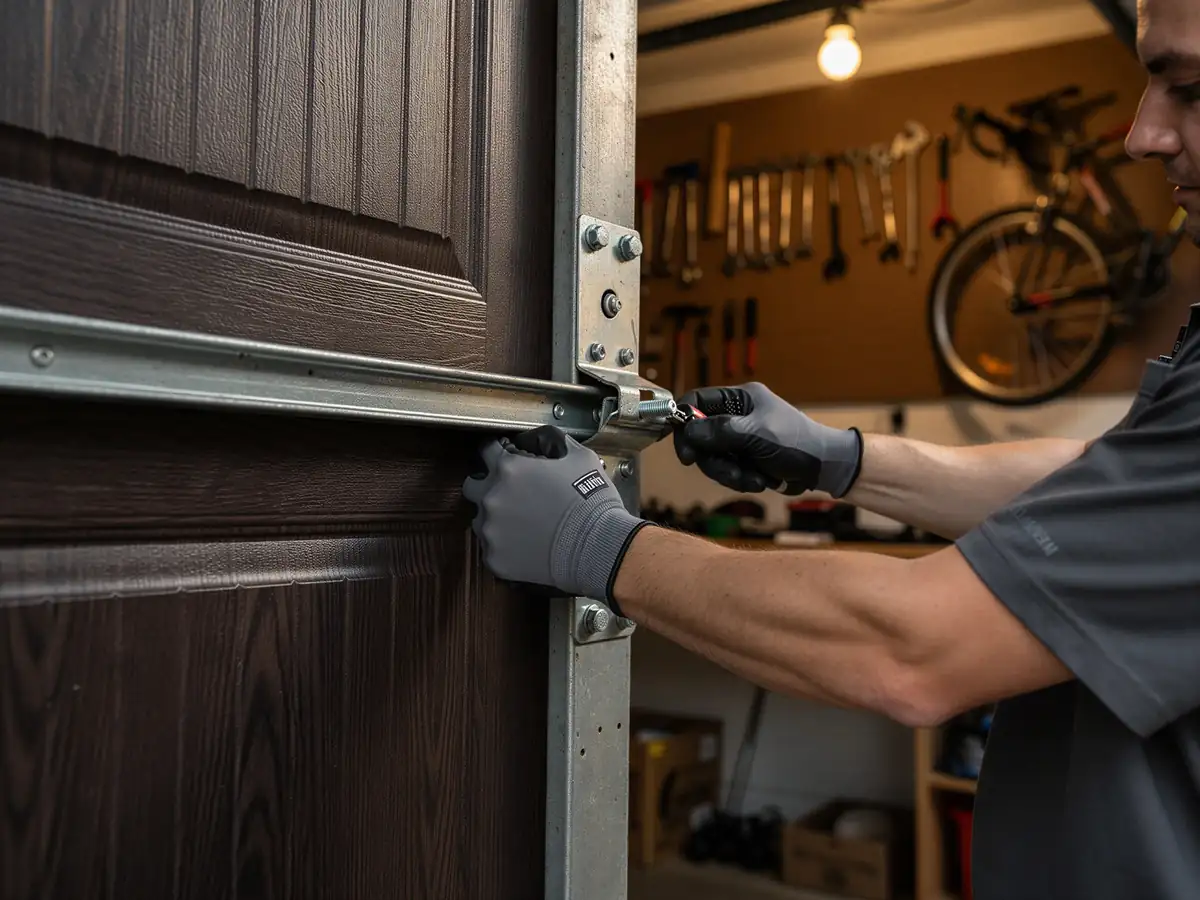
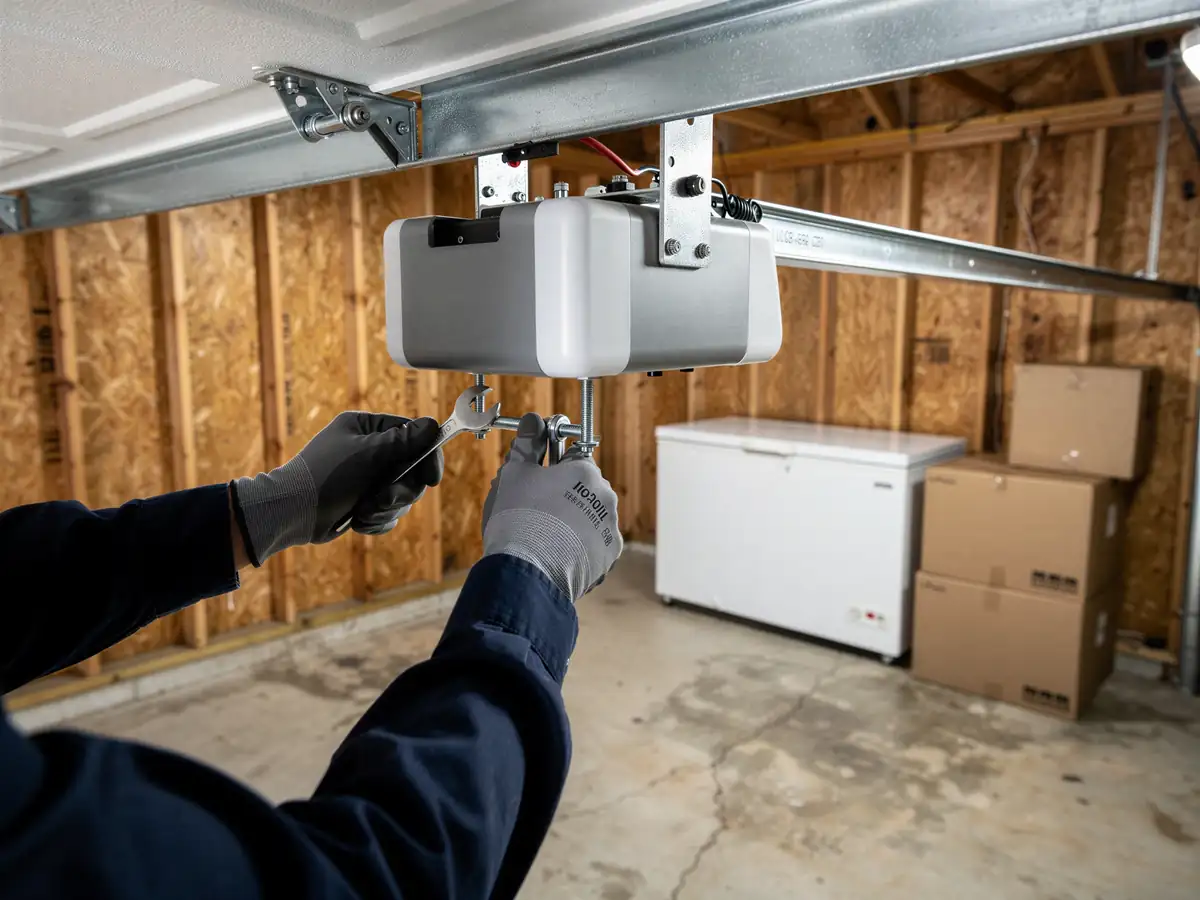
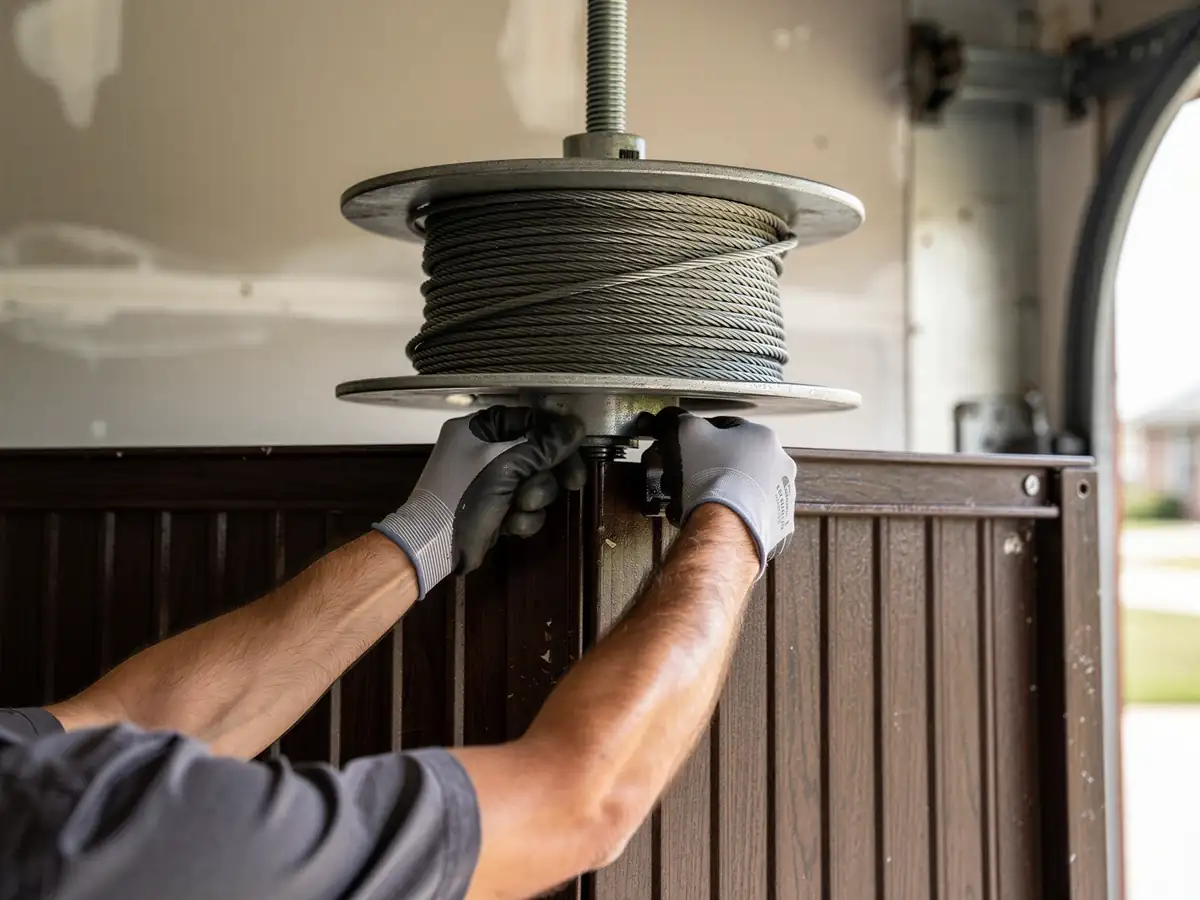
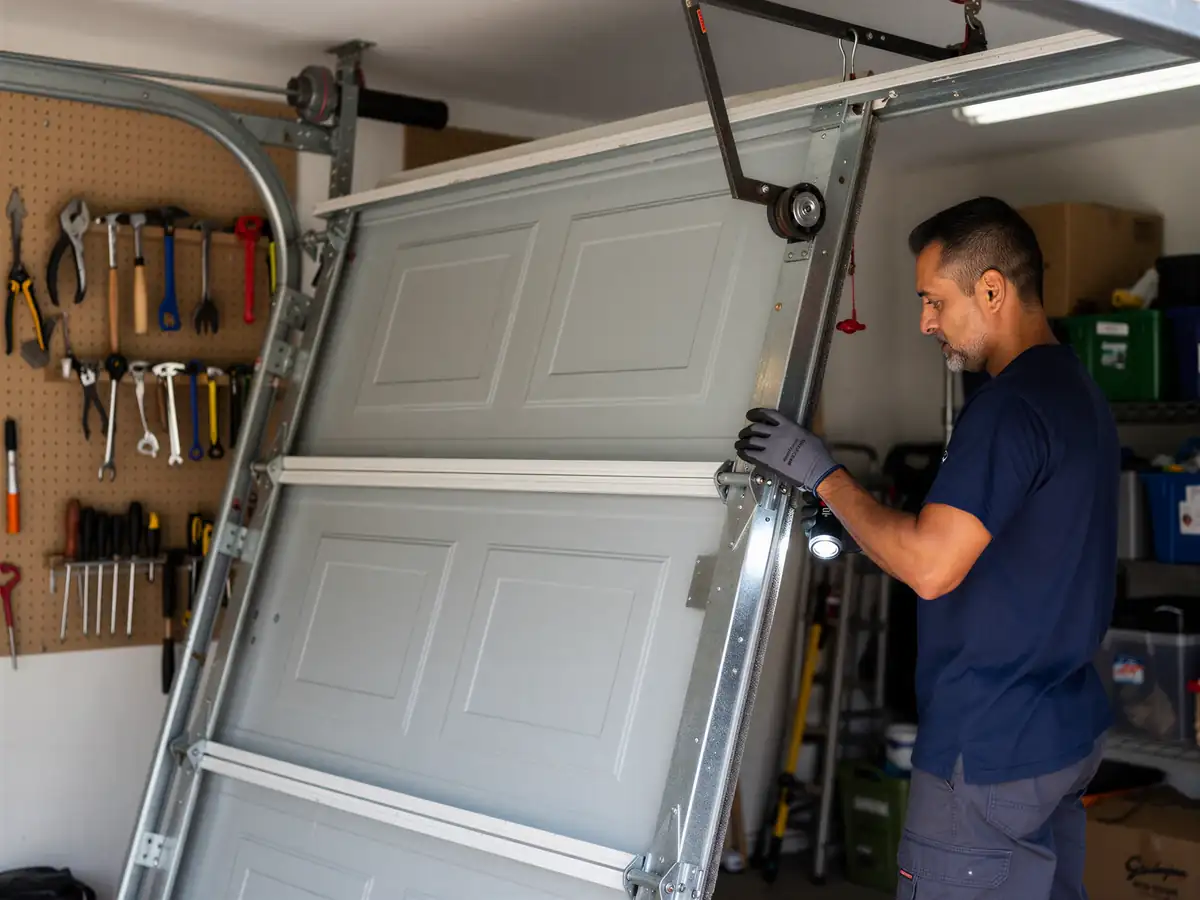
Disconnect the opener, secure the door open on its tracks, remove the end hinges and roller brackets holding the damaged section, lift the panel free, and set the replacement in its place before re-hanging hardware and resealing the joints. On insulated doors we also check that the new panel's foam core seats evenly against its neighbors, since a gap there shows up later as a draft or a rattle.
We test the door through a full open-close cycle afterward and check that the torsion spring tension still balances correctly with the new panel's weight
Panels from different runs can weigh slightly differently, which throws off balance in a way that strains the opener over time if it's missed.
Given the 17-mile drive each way, we try to handle any adjacent small issues
A loose roller, a weatherstrip that's cracked, a track bolt that's worked loose - in the same visit rather than asking you to book a second trip out for something minor we noticed while we were already there.